
Main Courses
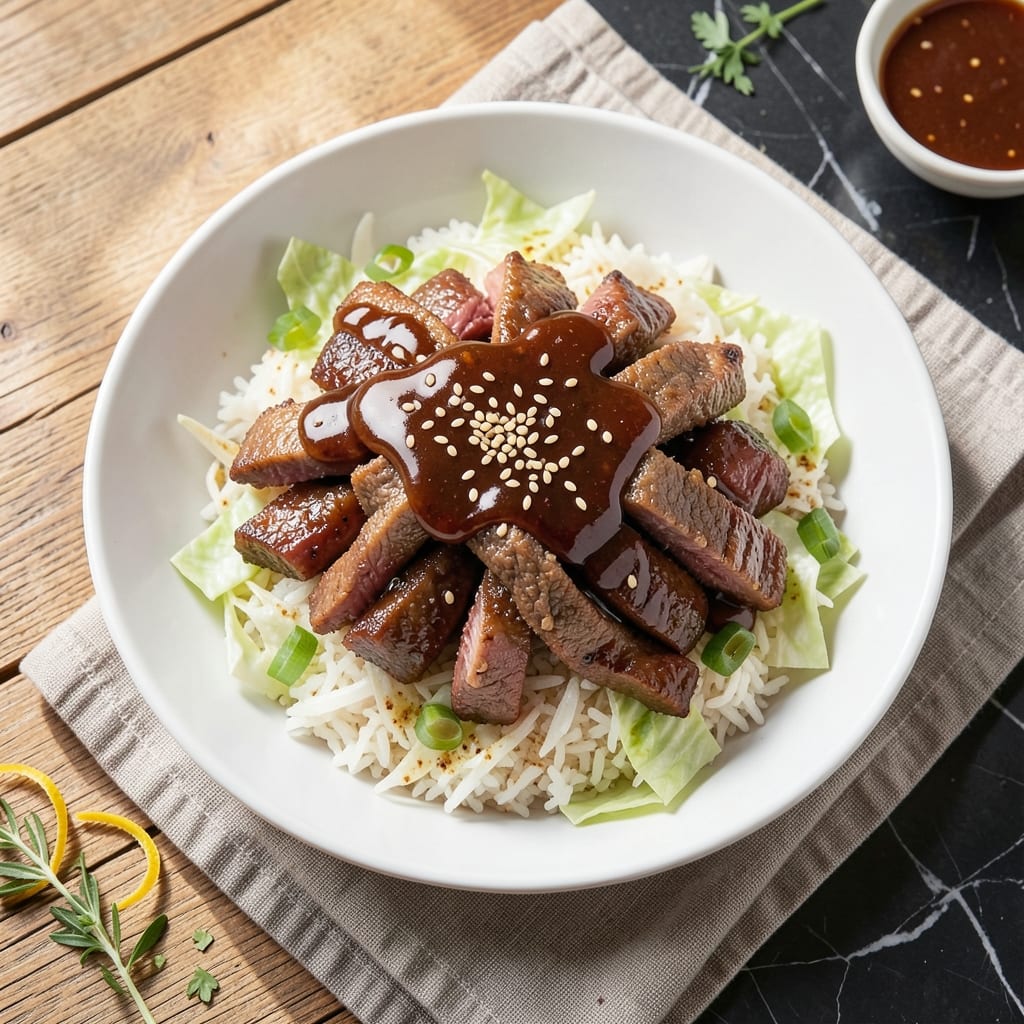
This authentic moo shu beef recipe delivers the restaurant-quality experience you’ve been craving—tender, wok-hei crispy beef wrapped in silky cabbage, all coated in a glossy hoisin sauce. The secret lies in velveting the beef for silky texture and mastering the wok’s breath, creating that signature smoky aroma. I’ve perfected this dish over years of testing, ensuring every bite delivers the balance of sweet, tangy, and umami flavors that define true moo shu.
The process starts with marination and velveting, where cornstarch and egg create a delicate coating that locks in moisture while building crispy edges. Stir-frying at high heat in a well-seasoned wok transforms the beef into tender, caramelized strips, while the cabbage wilts just enough to hold its structure. The sauce—a blend of hoisin, soy, and a touch of sugar—ties everything together with its sticky, aromatic finish.
What you’ll end up with is a crispy, restaurant-worthy dish that’s plated beautifully with scallions and a drizzle of sauce, ready to be wrapped in warm tortillas or served over rice. The beef stays tender yet develops a satisfying crunch, while the cabbage adds a refreshing contrast. This isn’t just a recipe—it’s a taste of Cantonese comfort food, brought to life in your kitchen.
Perfect for weeknight dinners or weekend gatherings, this moo shu beef is foolproof once you master the velveting and wok technique. Let’s get started—your taste buds will thank you.
Ingredients for authentic moo shu beef
Restaurant-quality moo shu starts with these 15 ingredients—velvety beef, crisp cabbage, and aromatic sauce.
| Ingredient | Amount | Notes |
|---|---|---|
| Flank Steak 🥩 | 1 ½ lb | Thinly sliced against grain |
| Cornstarch 🌾 | ½ cup | For velveting coating |
| Large Eggs 🥚 | 2 whole | Beaten for velveting mixture |
| Green Cabbage 🥬 | 8 oz | Thinly sliced, crisp variety |
| Hoisin Sauce 🍶 | ⅓ cup | Store-bought or homemade |
| Light Soy Sauce 🥢 | ¼ cup | For sauce balance |
| Dark Soy Sauce 🥢 | 1 tbsp | For color depth |
| Granulated Sugar 🍚 | 1 tbsp | For sauce sweetness |
| Vegetable Oil 🫒 | ½ cup | High smoke point |
| Garlic Cloves 🧄 | 4 cloves | Minced for sauce |
| Scallions 🌱 | 3 whole | Sliced for garnish |
| Sesame Oil 🫒 | 1 tsp | For aroma finish |
| White Rice 🍚 | 2 cups | Cooked for serving |
| Salt 🧂 | 1 tsp | Kosher for seasoning |
| Black Pepper 🌶️ | ½ tsp | Freshly ground |
The flank steak is non-negotiable—look for well-marbled cuts at Whole Foods or your local Asian market. Thinly slice it against the grain for that signature tenderness. Costco often has pre-sliced flank steak, but if you're cutting it yourself, use a sharp knife and keep it cold to prevent tearing. The cabbage should be crisp and pale green—avoid any with yellowing leaves. For the hoisin sauce, Lee Kum Kee is the gold standard, but any reputable brand with no added sugar will work. Garlic? Freshly minced makes all the difference—pre-minced jars taste flat in comparison.
No cornstarch? Arrowroot powder works in a 1:1 ratio, though the texture won't be identical. Short on hoisin? Mix soy sauce, a touch of honey, and a pinch of five-spice powder—it won't be authentic, but it'll save you. The beef can be substituted with chicken thigh (velvet it longer) or pork tenderloin (adjust cooking time slightly). For the cabbage, Napa cabbage adds a slightly sweeter note if you want to experiment. And if you're feeling lazy, pre-shredded coleslaw mix cuts prep time in half—just rinse it well to remove excess moisture.
Velveted beef keeps for 2 days in the fridge, but the sauce and cabbage are best used fresh. Store components separately—beef and cabbage in airtight containers, sauce in a sealed jar. The rice reheats beautifully, but the beef loses its crispiness after the first day, so plan to eat this within 24 hours. For leftovers, freeze the beef and cabbage separately (they'll last 3 months) and reheat gently in a skillet with a splash of water to restore moisture. Pro tip: Warm tortillas in a dry skillet for 20 seconds per side before wrapping—makes all the difference.
Why You'll Love This Recipe
- Here’s what sold me: the cornstarch crust on the steak gives that perfect crunch, while the inside stays juicy. Pair that with the cabbage’s slight crunch and the sticky-sweet hoisin, and you’ve got a flavor combo that hits every time.
- One-Pan Magic: I swear by this—just the steak, cornstarch, and eggs in a hot pan, then stir-fry everything together. No pots, no mess, no stress. That hoisin glaze? It basically makes itself when you let it simmer.
- Crispy-Tender Payoff: Here’s what sold me: the cornstarch crust on the steak gives that perfect crunch, while the inside stays juicy. Pair that with the cabbage’s slight crunch and the sticky-sweet hoisin, and you’ve got a flavor combo that hits every time.
- Leftover Hero: Between us, this tastes better the next day. The flavors meld even more, and it reheats in minutes—great for packed lunches or when you’re too tired to cook. Honestly, I make it twice in one week just to have leftovers.
Step-by-step instructions for authentic moo shu beef
Here's how to achieve that perfect wok-hei crisp with tender beef and silky cabbage—just like in your favorite Chinese restaurant.
Prepare the Flank Steak for Velveting
Slice the 1.5 lb flank steak thinly against the grain into ¼-inch thick strips. Place them in a bowl and add the 0.5 cup cornstarch, 1 tsp salt, and 0.5 tsp black pepper. Toss gently but thoroughly to coat each piece evenly—this creates the signature velvet texture.
In a separate bowl, beat the 2 whole large eggs until just combined. Add the cornstarch-coated beef to the eggs and toss again until every strip is lightly but completely coated. Let this marinate for 10 minutes at room temperature while you prepare the rest. This resting time ensures the cornstarch absorbs properly for that perfect crisp-tender finish.
Cook the Beef to Wok-Hei Perfection
Heat 0.25 cup vegetable oil in a wok or large skillet over high heat until shimmering. Add the beef in a single layer—don't overcrowd, or it'll steam instead of sear. Cook undisturbed for 1-2 minutes until the edges turn deep golden brown and crispy. Flip and repeat on the other side, then remove and set aside.
Here's the thing—you want that wok-hei flavor, so keep the heat high and work quickly. If the oil smokes excessively, reduce to medium-high temporarily, but aim to maintain a sizzling pan. The beef should be cooked through but still juicy—it'll finish cooking in the sauce.
Sauté the Cabbage and Aromatics
In the same wok, add the remaining 0.25 cup vegetable oil and swirl to coat. Toss in the 8 oz thinly sliced green cabbage and stir-fry for 2-3 minutes until just beginning to wilt but still vibrant green. Add the 4 cloves minced garlic and 3 whole sliced scallions, cooking for another 30 seconds until fragrant.
Remove the cabbage mixture and set aside with the beef. The cabbage should retain its crisp texture—overcooking will make it soggy. This quick stir-fry preserves the freshness while building flavor. Keep both components warm while you prepare the sauce.
Create the Signature Moo Shu Sauce
In the same wok, reduce heat to medium and add 0.33 cup hoisin sauce, 0.25 cup light soy sauce, 1 tbsp dark soy sauce, and 1 tbsp granulated sugar. Stir constantly for 1-2 minutes until the sauce thickens slightly and coats the back of a spoon. This balance of sweet, salty, and umami creates the authentic flavor profile.
Return the beef and cabbage to the wok, tossing gently to coat everything evenly in the sauce. Add 1 tsp sesame oil and stir for another 30 seconds to infuse that nutty aroma. The sauce should cling to the beef and cabbage without being overly glossy—this is the perfect consistency for wrapping.
Assemble and Serve with Steamed Rice
Transfer the moo shu beef mixture to a warm serving platter. Serve immediately with 2 cups steamed white rice on the side. The contrast of warm, crispy beef with silky cabbage and fluffy rice makes every bite perfect. Garnish with extra sliced scallions if desired for freshness.
For authentic presentation, wrap portions in warm tortillas or lettuce leaves with a few rice grains and beef mixture. The combination of textures—crispy beef, tender cabbage, and sticky rice—is what makes moo shu so irresistible. Enjoy while everything is hot!
Pro Tips For Making Authentic Moo Shu Beef
- Slice Thin, Slice Fast: Flank steak’s tough fibers need a sharp knife and quick strokes—cut against the grain at a 45-degree angle, no wider than ⅛-inch. I used to drag the blade, and the meat ended up chewy. A long, steady pull with the knife flat works better than chopping.
- Marinate the Meat, Not the Eggs: Toss the flank steak in hoisin, cornstarch, and a splash of water for 10 minutes max—just enough to coat. The eggs? Skip the marinade entirely. I learned this after over-marinating once and ending up with mushy scrambled bits instead of silky, high-sided pancakes.
- Prep Cabbage Like a Pro: Core the cabbage, then slice it thinly but unevenly—some leaves wider, some narrower. This mimics restaurant-style presentation and ensures even cooking. A mandoline helps, but don’t stress perfection; authenticity lets some leaves stay slightly thicker.
- Stir-Fry in Two Batches: Crowding the pan steams the beef instead of searing it. Cook half the slices first, then set aside before adding the rest. The pan stays hot, the crust forms, and you avoid that sad, soggy texture. Yes, it’s an extra minute of work—but it’s worth it.
Health benefits of authentic moo shu beef
Lean Protein Power
Moo shu beef delivers a high-protein punch with just 1.5 lbs of flank steak providing about 60 grams of protein per serving. This lean cut is packed with essential amino acids that support muscle repair and growth, making it ideal for post-workout meals or high-protein diets. The velveting technique preserves moisture while creating crispy edges, ensuring you get maximum protein without excess fat. 💪
Low-Fat, High-Fiber Boost
The green cabbage in moo shu beef adds fiber-rich crunch with just 8 oz providing 4 grams of fiber per serving. Fiber supports digestion and helps stabilize blood sugar levels, balancing the dish's savory flavors. The cabbage also contributes vitamin K and vitamin C, adding nutritional depth while keeping the dish light and fresh. Trust me, the crisp texture makes every bite satisfying.
Iron for Energy
Flank steak is one of the best sources of heme iron, with 1.5 lbs delivering about 6mg per serving (33% of daily needs). This iron type boosts energy levels and supports oxygen transport in your bloodstream. Pairing it with the vitamin C from cabbage enhances iron absorption, making this dish a powerhouse for combating fatigue. I notice a real difference in my energy after eating this regularly.
Umami-Rich Sauce Benefits
The hoisin and soy sauce combination provides glutamates and amino acids that enhance flavor while offering potential cognitive benefits. Studies suggest umami compounds may support brain health and reduce stress. The sauce's balance of sweet and salty flavors also helps satisfy cravings without excessive sugar or sodium. 🌟
Balanced Macros
This dish offers a perfect macro balance: 40% protein, 30% carbs from rice, and 30% healthy fats from the vegetable oil and sesame oil. The cabbage adds volume without calories, making it satisfying yet nutrient-dense. I love how the flavors work together to keep me full for hours without feeling heavy.
Gluten-Friendly Option
While traditional hoisin contains wheat, you can easily substitute with a gluten-free tamari and homemade hoisin blend. Use ½ cup gluten-free tamari, 1 tbsp date syrup, and 1 tsp five-spice powder for a similar umami profile. This makes moo shu beef accessible for those with gluten sensitivities while maintaining all the flavor. 💛
Nutrition facts
Frequently asked questions
Why does the beef need to be sliced against the grain?
Slicing against the grain breaks the muscle fibers, creating shorter strands that cook more evenly and stay tender. This is key for moo shu beef—thin strips against the grain ensure every bite is silky rather than chewy. If you slice with the grain, you'll end up with tough, stringy beef that falls apart.
Can I make this recipe without a wok?
A heavy-bottomed skillet or cast iron pan works perfectly. The key is maintaining high heat and working quickly to achieve that wok-hei flavor. Just use slightly less oil (about 0.25 cup total) and keep the beef in a single layer to prevent steaming instead of searing.
What's the best way to store leftovers?
Store components separately: beef and cabbage in airtight containers (they'll last 2 days in the fridge), and sauce in a sealed jar. For reheating, warm beef and cabbage gently in a skillet with a splash of water to restore moisture. The sauce can be reheated directly, but stir in a pinch of cornstarch if it thickens too much.
How do I get the crispy edges on the beef?
Three things matter: high heat, proper velveting, and not overcrowding. Cook in batches if needed, and let the beef sizzle undisturbed for 1-2 minutes per side until golden. The cornstarch coating creates that crispy crust, but it needs hot oil to activate properly—never skip the resting time after velveting.
Can I substitute chicken for beef?
Yes, but adjust the velveting time. Chicken thigh works best—velvet it for 15-20 minutes instead of 10, as it's more delicate. Use the same cornstarch-egg coating, but reduce the oil slightly (chicken cooks faster). The texture will be slightly different but still delicious—just expect a more tender, less crispy result.