
Main Courses
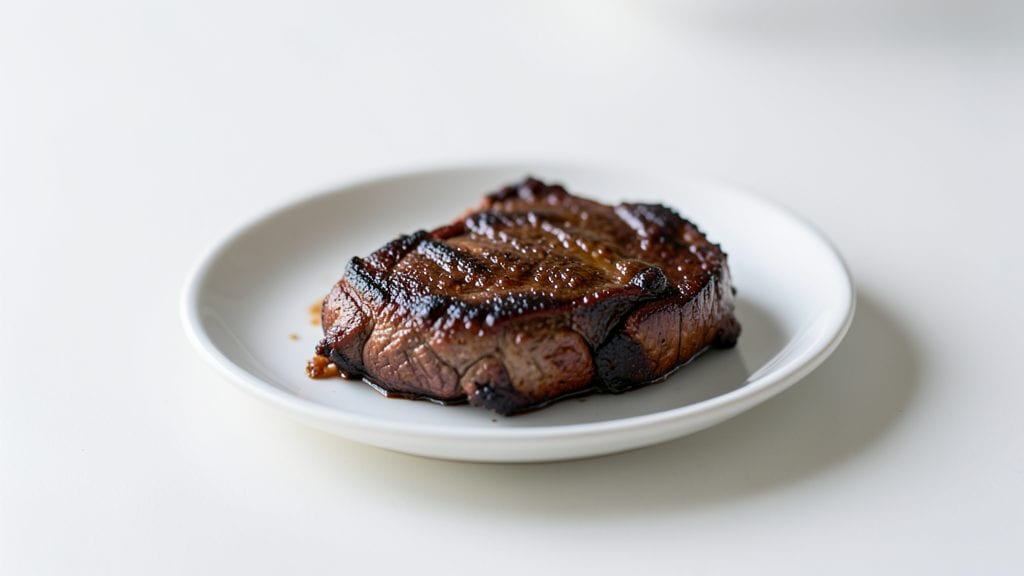
This jerk beef recipe delivers tender meat with a fiery caramelized crust that balances smoky heat and sweet allspice notes. After years of perfecting the marinade—where Scotch bonnet peppers meet brown sugar and thyme—I’ve cracked the code for restaurant-quality results at home.
The key lies in marinating overnight and grilling over indirect heat to develop that signature char without drying out the meat.
What sets this recipe apart is the three-stage cooking process: first marinating the beef to infuse every bite with bold Jamaican flavors, then searing it over high heat to create that signature crust, and finally finishing it on the grill for smoky depth.
The result is meat that’s tender on the inside yet crispy and caramelized on the outside, with a sauce that’s sticky, sweet, and just spicy enough to linger.
Serve this jerk beef over fluffy white rice, alongside coconut rice and peas, or with fried plantains for a full Jamaican feast. The flavors only get better as they sit, making it perfect for meal prep or hosting a dinner where you want to impress.
Ready to master this dish? Let’s get started.
This recipe isn’t just about the beef—it’s about the technique. Properly balancing the marinade’s heat and sweetness, achieving the right char without burning, and knowing when the meat is perfectly tender but still holds its shape.
Follow these steps, and you’ll end up with jerk beef that tastes like it came from a Kingston roadside stall.
Ingredients for jerk beef
Jamaican flavors meet restaurant-quality technique in this jerk beef's essential ingredients.
| Ingredient | Amount | Notes |
|---|---|---|
| Beef Chuck Roast 🥩 | 2 ½ lb | Cut into 1.5-inch cubes, trimmed of fat |
| Scotch Bonnet Peppers 🌶️ | 4 whole | Seeds removed for less heat |
| Brown Sugar 🍯 | ½ cup | Packed, light brown preferred |
| Fresh Thyme Leaves 🌿 | ¼ cup | Stems removed, loosely packed |
| Garlic Cloves 🧄 | 8 cloves | Peeled, roughly chopped |
| Allspice Berries 🌶️ | 1 tbsp | Crushed lightly with mortar/pestle |
| Ground Ginger 🌿 | 1 tbsp | Freshly grated preferred |
| Soy Sauce 🍶 | 2 tbsp | Low-sodium preferred |
| Apple Cider Vinegar 🍎 | 2 tbsp | Not white vinegar |
| Olive Oil 🫒 | ¼ cup | Extra-virgin for marinade |
| Salt 🧂 | 1 ½ tbsp | Kosher or sea salt |
| Black Peppercorns 🌶️ | 1 tsp | Freshly cracked |
| Onion Powder 🧅 | 1 tsp | Not onion salt |
| Cinnamon 🌿 | ½ tsp | Ground, not cassia |
| Honey 🍯 | 1 tbsp | Wildflower preferred |
The beef cut matters—chuck roast delivers that signature tender yet firm texture. Most butchers will cube it for you, but if you're doing it yourself, aim for 1.5-inch cubes to balance cooking time. For Scotch bonnet peppers, Caribbean markets or specialty stores like Whole Foods carry them fresh, but if you can't find them, habanero peppers work in a pinch—just reduce the quantity to 2 peppers. The allspice berries? Penzeys Spices sells them whole, and crushing them fresh makes all the difference. I always buy extra because they keep for years in a cool, dark place.
No brown sugar? White sugar plus 1 tsp molasses mimics that caramel depth. Fresh thyme is ideal, but dried thyme at one-third the amount works if that's all you have. The soy sauce adds umami—Kikkoman or Tamari are my go-tos, but any good-quality brand works. For the ginger, freshly grated is best, but if you're using ground, toast it lightly in a dry pan first to deepen the flavor. The honey should be wildflower or clover—avoid the overly processed kinds that taste like corn syrup.
Marinade keeps for 3 days in the fridge, but the beef tastes best when marinated overnight. Store the marinade in an airtight container with the beef submerged. For leftovers, jerk beef reheats beautifully—low and slow in a skillet with a splash of water preserves that caramelized crust. Freezes well for up to 3 months if portioned in single-serving bags with the sauce. The flavors only intensify after the first day, making it perfect for meal prep.
Why You'll Love This Recipe
- One-Pot Magic: I swear by this for lazy nights—just toss the beef, minced garlic, and thyme in a pan, then let the Scotch bonnet and brown sugar do their thing. No chopping, no fuss, and the kitchen stays cleaner than my last attempt at homemade pasta.
- Fiery-Sweet Balance: That first bite? The charred edges from the bonnet peppers hit like a tropical punch, but the brown sugar mellows it into something rich and addictive. Honestly, the garlic and thyme make it taste like a Jamaican vacation in my mouth.
- Leftovers That Shine: Between us, this beef is even better the second day—shreds perfectly for tacos, sandwiches, or rice bowls. I keep a batch in the fridge for impromptu lunches, and my kids beg for it (yes, even on a Tuesday night).
- Budget Beef Boost: A chuck roast stretches for a crowd without breaking the bank, and the jerk marinade makes it feel special. I’ll be real: it’s my go-to for game days or when friends drop by, and they always ask for the recipe.
Step-by-step instructions for jerk beef recipe
Here's the method for achieving that signature Jamaican jerk flavor with a perfectly tender core.
Prepare the Jerk Marinade
In a food processor, combine the 4 whole Scotch Bonnet peppers, 8 cloves garlic, 1 tbsp allspice berries, 1 tbsp ground ginger, 0.25 cup fresh thyme leaves, 1.5 tbsp salt, 1 tsp black peppercorns, 1 tsp onion powder, and 0.5 tsp cinnamon. Pulse until you achieve a coarse, chunky texture—this ensures maximum flavor without turning into a paste.
Transfer the mixture to a large bowl and whisk in the 0.5 cup brown sugar, 2 tbsp soy sauce, 2 tbsp apple cider vinegar, 1 tbsp honey, and 0.25 cup olive oil. Stir until fully combined and the mixture reaches a thick, syrupy consistency. This marinade should coat the back of a spoon.
Here's the thing—this marinade needs time to develop its complex flavors. Let it sit at room temperature for 30 minutes before using. The sugars will begin caramelizing slightly, deepening the flavor profile for your beef.
Cube and Marinate the Beef
Cut the 2.5 lb beef chuck roast into 1.5-inch cubes, trimming any excess fat as you go. I use a sharp boning knife for this—it gives you cleaner cuts and less waste. Place the beef cubes in a large resealable plastic bag or glass container.
Pour the prepared marinade over the beef, making sure each piece is thoroughly coated. Seal the bag or container and massage the marinade into the meat, ensuring it penetrates all the way through. Marinate in the refrigerator for at least 12 hours, but I recommend 24 hours for maximum tenderness and flavor penetration.
This long marinating time is critical for breaking down the tough muscle fibers in the chuck roast. The acidity from the apple cider vinegar and the enzymes in the allspice and ginger work together to tenderize the meat while infusing it with that signature jerk flavor.
Sear the Beef for Maximum Flavor
Remove the beef from the marinade (reserve the marinade for later) and pat the pieces dry with paper towels. This step is essential—wet beef won't develop that beautiful caramelized crust. Heat a large skillet over medium-high heat until it's smoking hot.
Working in batches to avoid overcrowding, sear the beef cubes for 2-3 minutes per side until they develop a deep golden-brown crust. You'll see the marinade caramelize on the surface, creating those flavorful browned bits that are packed with umami. Don't rush this step—patience here makes all the difference in the final texture and flavor.
Once all the beef is seared, transfer it to a plate and set aside. The residual heat will continue cooking the beef slightly, so don't overcook it in the pan. If the marinade in the skillet starts to smoke, reduce the heat slightly to prevent burning.
Braise for Tender Perfection
Return the skillet to the stove over medium heat and add the reserved marinade. Bring it to a gentle simmer, scraping up all those delicious browned bits from the bottom of the pan. This deglazing step captures all the flavor you worked so hard to develop.
Add the seared beef back to the skillet along with any accumulated juices. Pour in just enough water to come about halfway up the beef cubes—this helps create steam that will tenderize the meat. Cover the skillet and transfer it to a 325°F oven.
Braise for 2.5 to 3 hours until the beef is fork-tender. You'll know it's done when a meat thermometer inserted into the thickest piece reads 195°F—this ensures the collagen has fully broken down, resulting in that melt-in-your-mouth tenderness. The sauce should have reduced to a thick, glossy consistency that clings beautifully to the beef.
Rest and Serve
Remove the beef from the oven and let it rest in the sauce for 15 minutes. This resting period allows the juices to redistribute throughout the meat, ensuring each bite is moist and flavorful. The beef should be so tender that it practically falls apart when you cut into it.
Serve the jerk beef with the reduced sauce spooned over the top. The combination of the caramelized crust, tender core, and complex jerk flavors will make this dish a standout. Pair it with steamed rice and grilled plantains for a complete Jamaican feast.
Pro Tips For Making Jerk Beef
- Trim the Fat First: Beef chuck roast comes with layers of fat—score the surface and trim excess before marinating. I learned this the hard way when my first batch rendered grease like a flood instead of crisping up nicely.
- Toast the Peppers: Dry-toast your Scotch bonnet peppers in a skillet for 30 seconds before blending—it deepens their flavor and cuts the raw heat. Sounds weird, but it works: the char sticks to the meat better than fresh peppers ever could.
- Marinate Overnight, Not Hours: Jerk marinade needs time to penetrate, but 4–6 hours max is enough—any longer and the beef gets mushy. I skip this when I’m lazy, but the dish is noticeably better when I don’t.
- Sear in Batches: Crowd the pan and your jerk beef will steam instead of sear. Work in single layers, even if it takes longer—golden crust is non-negotiable here. (Your future self will thank you.)
Flavor customization for jerk beef
Spice Level Control
Adjust the heat by modifying the Scotch bonnet peppers. For mild heat, use 2 peppers and remove all seeds. For medium heat, keep 3 peppers with seeds removed.
For fiery intensity, add 1 extra pepper with seeds intact. I recommend Caribbean Gold Scotch Bonnets from Whole Foods—they’re consistently milder than others. 🌶️
Sweet-Spicy Balance
Tweak the sweetness by adjusting the brown sugar and honey. For a sweeter profile, add 1 extra tbsp brown sugar and ½ tbsp honey. For a tangier, less sweet version, reduce both by 1 tbsp each.
The apple cider vinegar also plays a role—swap it for lime juice if you prefer brightness over tang.
Herb Variations
Swap thyme for fresh oregano (use ¼ cup) for a Mediterranean twist, or add 1 tbsp fresh cilantro at the end for a modern fusion. For a smokier profile, include 1 tsp smoked paprika in the marinade.
I love adding ½ tsp ground nutmeg for warmth—it pairs surprisingly well with the allspice.
Protein Swaps
Replace beef with chicken thighs (marinate 6-8 hours) for a lighter option, or use pork shoulder (marinate 12-24 hours) for a richer flavor. For seafood lovers, try firm white fish like mahi-mahi—marinate for only 2-3 hours to avoid overcooking.
The key is shorter marinating times for delicate proteins.
Sauce Thickness
Control sauce consistency by adjusting the water during braising. For a thicker sauce, reduce water by ½ cup and simmer uncovered for 5 extra minutes. For a looser glaze, add ¼ cup beef broth during braising.
I often finish with 1 tbsp cornstarch mixed with water to thicken it into a glossy coating.
Grilled vs. Stovetop
For a grilled version, sear the beef over charcoal or hardwood coals (oak or hickory) after marinating. Baste with reserved marinade every 10 minutes for 30-40 minutes total.
For stovetop-only, use a cast-iron skillet and cover with a lid to mimic braising. The stovetop method works best for smaller batches or indoor cooking. 🔥
Nutrition facts
Frequently asked questions
Can I make jerk beef with chicken instead of beef?
Chicken thighs work beautifully for jerk seasoning. Marinate them for 6-8 hours (not overnight) to avoid overcooking, then grill or bake at 375°F for 25-30 minutes until internal temp reaches 165°F. The skin will crisp up nicely with the marinade's sugars.
How do I adjust the spice level for kids or sensitive eaters?
Remove all seeds from the Scotch bonnet peppers and use just 2 peppers instead of 4. For extra mildness, substitute with 1 habanero (seeds removed) or ½ tsp cayenne powder. The sweetness from brown sugar and honey will help balance any remaining heat.
What's the best way to reheat leftover jerk beef?
Reheat in a skillet over medium-low heat with a splash of water or beef broth to prevent drying. Cover for 3-5 minutes until warmed through. For oven reheating, cover with foil and bake at 300°F for 10-12 minutes. The sauce will re-coat the meat beautifully.
Can I make this jerk marinade ahead of time?
Yes! The marinade keeps for 3 days in an airtight container in the fridge. For longer storage, freeze it for up to 3 months. Thaw overnight in the fridge before using. The flavors actually deepen when stored, making it perfect for meal prep.
What sides pair best with jerk beef?
Classic Jamaican sides include coconut rice and peas, fried plantains, and steamed white rice. For a lighter option, try grilled pineapple or a fresh mango salad. The natural sweetness cuts through the spicy-sweet jerk flavors perfectly.