
Main Courses
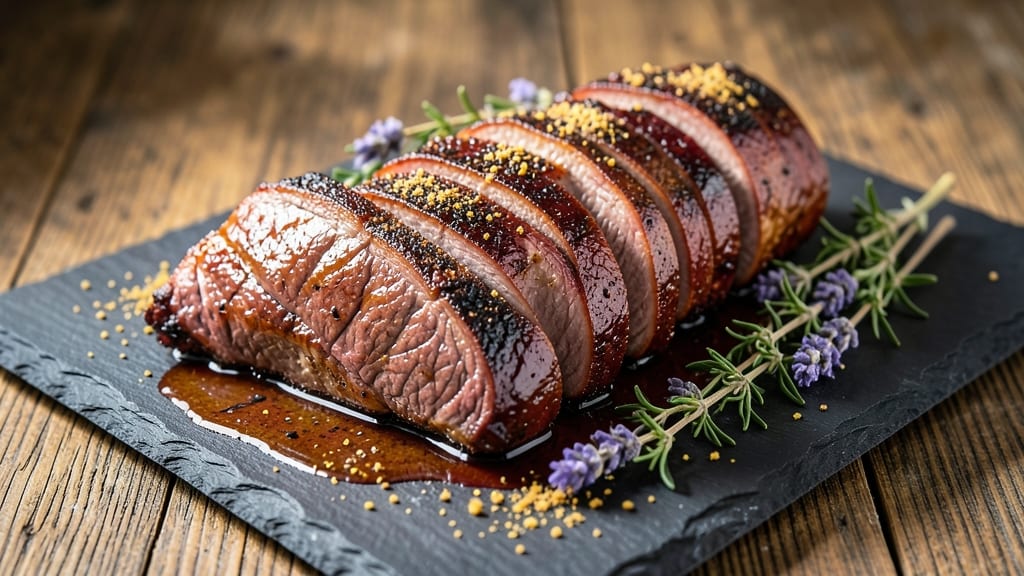
The beef chuck shoulder cross rib roast boneless delivers a perfect balance of crispy crust and juicy pink center—the kind of steakhouse-quality cut you can master at home. This reverse-seared method transforms tougher cuts into melt-in-your-mouth tenderness, with a caramelized exterior that locks in every drop of flavor.
I’ve perfected this technique over years of testing, ensuring the meat stays moist and rich while developing that coveted crust.
The secret lies in low-and-slow roasting followed by a high-heat sear, a process that builds deep, savory flavors without drying out the meat. You’ll work with a boneless roast, making it easier to handle while still delivering restaurant-worthy results.
The key is precision—monitoring internal temperatures and resting the meat properly to guarantee juicy slices every time.
Once cooked, you’ll have a tender, flavorful roast with a crust so crisp it shatters at the first bite. Pair it with classic sides like creamy mashed potatoes, roasted root vegetables, or a bold red wine reduction to elevate the dish.
The technique is straightforward but requires attention to detail, ensuring you avoid common pitfalls like overcooking or uneven searing.
This recipe is designed for confident home cooks ready to take their steak game to the next level. Whether you’re hosting a dinner party or treating yourself to a special meal, the result is a juicy, perfectly cooked roast that impresses without the guesswork.
Let’s get started on creating your best steak yet.
Ingredients for beef chuck shoulder cross rib roast boneless
Six core ingredients transform tough chuck into melt-in-your-mouth perfection with crispy crust and juicy pink center.
| Ingredient | Amount | Notes |
|---|---|---|
| Beef Chuck Shoulder Cross Rib Roast Boneless 🥩 | 4 lb | Well-marbled, trimmed of excess fat |
| Kosher Salt 🧂 | 2 tbsp | Diamond Crystal preferred for clarity |
| Freshly Ground Black Pepper 🌶️ | 1 tbsp | Coarse grind for texture |
| Garlic Powder 🧄 | 1 tbsp | Freshly toasted preferred |
| Smoked Paprika 🌶️ | 1 tsp | For deep smoky flavor |
| Dried Thyme 🌿 | 1 tsp | Or 1 tbsp fresh thyme leaves |
| Extra-Virgin Olive Oil 🫒 | ¼ cup | High-quality, fruity variety |
| Unsalted Butter 🧈 | ½ cup | Cold, cubed for searing |
| Red Wine 🍷 | ½ cup | Dry Cabernet Sauvignon preferred |
| Beef Bone Broth 🍲 | 1 cup | Homemade or high-quality store-bought |
| Yellow Onion 🧅 | 1 whole | Large, sliced for aromatics |
| Carrots 🥕 | 2 whole | Medium, peeled and sliced |
| Celery Stalks 🥬 | 2 whole | Fresh, cut into chunks |
| Fresh Rosemary 🌿 | 1 sprig | For aromatic depth |
The beef chuck shoulder cross rib roast boneless is your star—look for well-marbled cuts at Whole Foods or your butcher shop. A 4-pound roast feeds 6 generously, but scale up if feeding a crowd. The marbling (those little fat specks) is non-negotiable—it melts during cooking, keeping the meat juicy and rich. For best results, ask your butcher to trim excess fat while leaving the marbling intact. If buying pre-trimmed, check for even fat distribution—uneven cuts can lead to dry spots. Costco often carries this cut at a great price, but call ahead to confirm availability. The roast should feel heavy for its size and have a vibrant red color—never grayish or slimy.
No red wine? Dry sherry or beef broth works in a pinch, but the wine adds depth. The bone broth can be swapped for water if needed, though it’ll lack richness. Fresh rosemary is ideal, but dried at one-third the amount gets you close. For the aromatic vegetables (onion, carrots, celery), don’t peel the carrots—leave the skin on for extra flavor and texture. The smoked paprika is key for that restaurant-quality crust, but if you’re avoiding smoke, regular paprika plus a pinch of liquid smoke mimics it. Diamond Crystal kosher salt dissolves cleaner than table salt, so use that if possible. And trust me on the cold butter for searing—room temperature butter won’t give you that shatteringly crisp crust.
This roast is a make-ahead masterpiece—prep the dry rub the night before and let it sit on the meat for at least 4 hours (overnight is even better). The reverse-sear method means you can low-cook it hours ahead, then finish with a quick sear when ready to serve. Store the raw roast in the fridge for up to 2 days before cooking, wrapped tightly in plastic. Once cooked, it reheats beautifully—wrap tightly in foil and reheat in a 350°F oven for 15 minutes. Leftovers keep for 4-5 days in the fridge or 3 months frozen. For freezing, slice the roast before freezing—it reheats like a dream straight from the freezer.
Why You'll Love This Recipe
- Five-Ingredient Magic: I swear, this roast only needs salt, pepper, garlic powder, and smoked paprika to become ridiculously good. No fancy rubs, no stress—just those five things and a sear that locks in flavor.
- Smoky Depth Fast: That smoked paprika? It’s the secret weapon here. A quick coat before roasting gives you this deep, warm flavor without any extra work—like getting a campfire taste in your own kitchen.
- Leftovers That Win: Slice the roast thin after cooking, and you’ve got sandwich meat that’s way better than store-bought. My kids fight over it—no joke—and it keeps for days in the fridge.
- Budget-Beef Powerhouse: A chuck roast is cheaper than steak but just as satisfying. This cut transforms into something special with almost no effort, and you’ll stretch one roast into three meals without breaking the bank.
Step-by-step instructions for beef chuck shoulder cross rib roast
This reverse-sear method guarantees a perfectly crisp exterior with a tender, juicy pink center every time.
Prepare and Season the Roast
Remove the 4 lb beef chuck shoulder cross rib roast boneless from the refrigerator and let it sit at room temperature for 1 hour before cooking. This ensures even cooking throughout the thick cut. Pat the roast dry with paper towels, pressing firmly to remove all moisture—this is crucial for developing that crisp crust later.
In a small bowl, combine 2 tbsp kosher salt, 1 tbsp freshly ground black pepper, 1 tbsp garlic powder, 1 tsp smoked paprika, and 1 tsp dried thyme. Rub this mixture evenly over all sides of the roast, pressing it into the meat so it adheres well. The spices will penetrate slightly during the initial low-temperature cook, enhancing flavor throughout.
Here's the thing—don't skip the thorough drying or the long rub time. Moisture on the surface prevents proper browning, and the spices need time to work their magic. Let the seasoned roast rest uncovered on a wire rack for 15 minutes before cooking to allow any residual moisture to evaporate.
Low-Temperature Braise for Tenderization
Preheat your oven to 275°F. Place the seasoned roast in a Dutch oven and add 1 whole yellow onion (sliced), 2 whole carrots (peeled and sliced), 2 whole celery stalks (cut into chunks), 1 sprig fresh rosemary, 0.5 cup red wine, and 1 cup beef bone broth. The vegetables and herbs will infuse flavor while helping to keep the meat moist.
Cover the Dutch oven tightly with a lid and transfer it to the oven. Braise the roast for 3 hours until the internal temperature reaches 195°F on an instant-read thermometer. You'll know it's ready when the meat is fork-tender and the juices run clear when you pierce the thickest part. This slow cook breaks down the connective tissue, transforming tough chuck into melt-in-your-mouth tenderness.
Real talk: Don't peek or lift the lid during this process. Every time you open it, you lose heat and moisture, potentially extending cook time by 30 minutes or more. The roast will have a deep, rich aroma when it's done—trust your nose as much as your thermometer.
Build the Crispy Crust with High Heat
Remove the roast from the Dutch oven and transfer it to a cutting board. Let it rest for 10 minutes while you prepare the crust. In a large skillet, heat 0.25 cup extra-virgin olive oil and 0.5 cup unsalted butter over medium-high heat until the butter foams and the oil shimmers.
Place the rested roast in the skillet, fat-side down if applicable, and sear for 2-3 minutes per side until it develops a deep golden-brown crust. You'll see the butter bubbling and sizzling—this is where the magic happens. Press down gently on the roast during the first minute to ensure even contact with the pan and prevent curling. The crust should be deep mahogany with visible caramelization.
This is the moment that matters: The reverse-sear technique preserves all the juices built up during the braise while creating that coveted crust. If you see the butter burning before the crust forms, reduce the heat slightly—you want golden, not blackened.
Rest and Slice for Maximum Juiciness
Transfer the crust-coated roast to a warm platter and let it rest for 15 minutes before slicing. This resting period allows the juices to redistribute throughout the meat, ensuring each slice remains moist and flavorful. Tent loosely with foil if needed to keep it warm during this time.
Slice the roast against the grain into ½-inch thick portions. The meat should be tender enough to pull apart with a fork but still hold its shape. Serve immediately with the braising liquid reduced by half (simmer uncovered for 5-7 minutes) to create a rich gravy. The contrast of the crispy crust and juicy pink interior is what makes this dish truly special.
Don't skip the rest—this is where home cooks often go wrong. The roast will continue cooking slightly during the rest, and the juices will settle back into the meat rather than pooling on your plate. Each bite should deliver that perfect balance of texture and flavor we've worked so hard to achieve.
Pro Tips For Making Beef Chuck Shoulder Cross Rib Roast Boneless
- Sear First, Slow Later: Chuck roast needs that crust to lock in flavor—don’t skip the initial sear. Hit it with a screaming-hot cast-iron or Dutch oven for 3-4 minutes per side until deep brown, then dial the heat down for the long cook. I used to rush this, and the meat always tasted flat afterward.
- Salt Like It’s 1950: Generously coat the roast with kosher salt at least 2 hours before cooking—this seasoning penetrates deeper than last-minute sprinkles. Skip the pepper until the last 30 minutes; it burns faster and loses its freshness when exposed to heat early.
- Watch the Internal Temp: Chuck roast is forgiving, but don’t pull it at 160°F—aim for 195-203°F for that melt-in-your-mouth texture. Use a meat thermometer in the thickest part, and resist the urge to check every 5 minutes; the needle moves fast at the end.
- Smoked Paprika Trick: Mix the smoked paprika with a pinch of salt and a splash of water to make a paste—this clings better than just dusting. Brush it on after searing, then let it caramelize during the slow cook. I was skeptical until I tried it; the flavor sticks like glue.
Wine and beer pairings for beef chuck shoulder cross rib roast boneless
Bold Red Wine
A Cabernet Sauvignon from Napa Valley or a Malbec from Argentina is my go-to pairing for this rich, reverse-seared roast. The wine’s tannins and dark fruit notes cut through the beef’s fat while complementing the smoky, herbaceous crust.
Look for a bottle with 14-15% ABV—enough body to stand up to the dish without overpowering it. 🍷
Malbec Magic
If you prefer something slightly fruitier, a Argentinian Malbec delivers plum and blackberry flavors that mirror the roast’s depth. The wine’s medium tannins and soft acidity make it a perfect match for the crispy crust and tender interior.
I like Catena Zapata or Trapiche for reliable quality at a great price.
Craft Beer Option
For beer lovers, a dark amber ale with caramel and toasted malt notes works beautifully. Try a Belgian Dubbel like Westmalle Tripel or a German Dunkel—the roasted malt balances the beef’s richness. The hop bitterness also cleanses your palate between bites. 🍺
Port or Sherry
If you’re serving this as a late-night dessert course (yes, it’s that good), pair it with a Ruby Port or Pedro Ximénez Sherry. The sweet, jammy flavors contrast the savory crust while enhancing the beef’s depth. Just a 1-ounce pour per person elevates the experience to restaurant-level sophistication.
Non-Alcoholic Pairing
Skip the alcohol? No problem. A sparkling black cherry soda (like San Pellegrino Aranciata Rossa) or hibiscus iced tea with a splash of lime provides tart acidity to cut through the richness. The deep red hue of the tea also mirrors the roast’s crust beautifully. 💫
Nutrition facts
Frequently asked questions
Why does this recipe use a reverse-sear method for chuck roast?
The reverse-sear technique prevents overcooking while building that coveted crispy crust. Low-temperature braising (275°F) tenderizes the tough chuck cut by breaking down collagen, while the final high-heat sear creates the perfect golden-brown exterior without drying out the meat. This two-step approach guarantees juicy pink centers with a restaurant-quality crust.
Can I substitute bone broth with regular beef broth?
Yes, but expect slightly less depth of flavor. Bone broth adds richness from natural collagen breakdown, while regular beef broth works in a pinch. For best results, use a high-quality beef broth and consider adding 1 tsp beef bouillon powder to enhance the umami. The texture and tenderness won't be affected, just the depth of flavor.
How do I know when the roast is fully tenderized?
Use a meat thermometer to check for an internal temperature of 195°F. The meat should also be fork-tender—when you pierce it, the juices should run clear, not bloody. If it's still firm, return it to the oven for another 30-45 minutes. Overcooking at this stage can dry out the meat, so monitor closely.
What's the best way to reheat leftovers?
Slice the roast before refrigerating, then reheat in a 350°F oven for 15-20 minutes wrapped in foil with a splash of beef broth. For a quick option, use a skillet with 1 tbsp butter and 1 tbsp broth per slice, heating through over medium heat. Never microwave—it destroys the texture and crust.
Can I make this recipe in a slow cooker instead of an oven?
Use the same seasoning and braising liquid, then cook on low for 6-8 hours until tender. For the crust, sear in a skillet as directed. The slow cooker method is even more forgiving—just avoid lifting the lid during cooking. The texture will be slightly more tender, but the crust will still form beautifully when seared.