
Main Courses
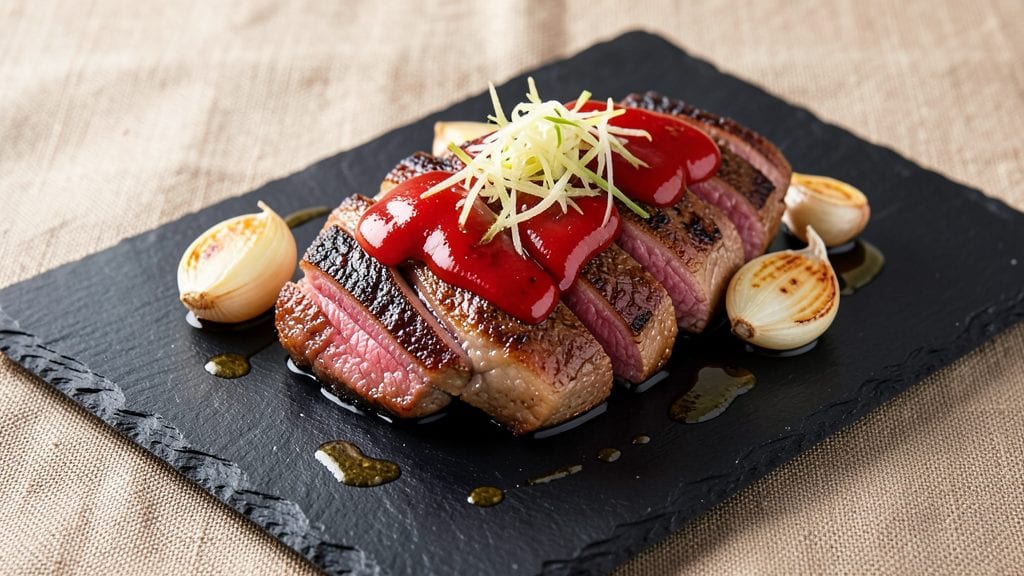
This Japanese beef heart recipe transforms a humble offal into a silky, umami-rich centerpiece that rivals traditional sukiyaki or shabu-shabu dishes. After years of perfecting the balance between tender texture and bold flavor, I’ve developed a method that delivers restaurant-quality results at home—no prior experience with offal required.
The key lies in precise preparation and a marinade that tenderizes while infusing layers of savory depth.
Beef heart is prized in Japanese cuisine for its collagen-rich properties and ability to absorb flavors like a sponge. This stir-fry technique ensures a velvety, melt-in-your-mouth texture while preserving its natural richness, all in under 45 minutes of active time.
The marinade—a blend of soy sauce, mirin, and grated ginger—works overnight to break down fibers, while high-heat searing locks in juices for maximum tenderness.
What sets this dish apart is its versatility: serve it as a standalone main with steamed rice and pickled vegetables, or incorporate it into hot pots like shabu-shabu for an interactive dining experience.
The umami-packed sauce, enhanced with dashi and a touch of sake, elevates every bite, making this a dish that feels both authentic and approachable—perfect for adventurous home cooks.
For those new to offal, I’ve included step-by-step guidance on handling and trimming beef heart, along with tips to ensure consistent results. Whether you’re exploring Japanese comfort food or simply seeking a protein-packed, flavorful meal, this recipe delivers on all fronts.
Ingredients for japanese beef heart
Precision-cut beef heart and umami-rich marinade create a restaurant-worthy Japanese stir-fry.
| Ingredient | Amount | Notes |
|---|---|---|
| Beef Heart 🥩 | 1 ½ lb | Trimmed of fat and connective tissue |
| Soy Sauce 🍶 | ½ cup | High-quality Japanese or tamari |
| Mirin 🍶 | ¼ cup | Sweet cooking wine for balance |
| Fresh Ginger 🧅 | ¼ cup | Finely grated, aromatic |
| Neutral Oil 🫒 | ½ cup | High smoke point, like vegetable or canola |
| Garlic Cloves 🧄 | 6 cloves | Minced, for aromatic depth |
| Dashi Stock 🍲 | 1 cup | Instant or homemade kombu-bonito |
| Sake 🍶 | ¼ cup | Dry variety for umami |
| Sesame Oil 🫒 | 1 tbsp | Toasted for nutty aroma |
| Sugar 🍚 | 1 tbsp | Granulated, balances acidity |
| Green Onions 🧅 | 4 whole | Thinly sliced, for garnish |
| Diamond Crystal Kosher Salt 🧂 | 1 tsp | For seasoning marinade |
| White Pepper 🌶️ | ½ tsp | Freshly cracked for texture |
Beef heart requires careful sourcing. Butcher shops or specialty Asian markets offer the freshest cuts, often pre-trimmed for convenience. Look for vibrant red color and firm texture—avoid any with grayish hues or strong odors. If buying whole, trim excess fat and connective tissue along the grain using a sharp knife. Kosher salt and mirin should be fresh; mirin with at least 14% alcohol ensures proper tenderization. For dashi, Hondashi granules provide consistent results without the need for kombu or bonito flakes.
No mirin? Substitute 2 tbsp sugar plus 1 tbsp dry white wine—though the texture won’t be identical. Fresh ginger can be swapped for 1 tsp ground ginger plus 1 tbsp lemon juice, but the flavor profile shifts slightly. For dashi, vegetable broth with a dash of soy sauce works in a pinch, though it lacks depth. Sesame oil should be toasted—heat 1 tbsp neutral oil with 1 tsp sesame seeds until fragrant, then strain. The green onions can be replaced with chives or scallions, but their mild sweetness is ideal for garnish.
Marinated beef heart keeps 2 days in the fridge, though flavor improves after overnight marinating. For longer storage, freeze the trimmed heart in a sealed bag for up to 3 months. Once cooked, reheat gently in a skillet with a splash of sake or water to maintain moisture. Portion into airtight containers with sauce for easy reheating—microwave 30 seconds or warm in a pan for optimal texture. The sauce thickens upon reheating, so add a splash of water if needed.
Why You'll Love This Recipe
- One-Pan Magic: I swear by this recipe when I’m too tired to dirty three pots. Sear the beef heart in oil, toss in ginger and soy, then let the mirin do its sweet, sticky work—all on one sheet. The only cleanup is wiping the pan while the house is still warm.
- Umami Bomb: That first bite? Rich, deep, and savory—like a cross between a steakhouse bite and a comforting bowl of ramen. The ginger adds a bright kick, while the mirin softens the heart just enough to make it melt-in-your-mouth tender. (Yes, even if you’re skeptical about beef heart.)
- Leftovers? Please.: This keeps better than takeout. Reheat slices in a pan or microwave, and they’re just as good—perfect for packing lunches or feeding a crowd without stress. Honestly, I make a double batch on Sundays just to avoid decision fatigue later.
- Budget Flex: Beef heart is cheaper than steak but packs the same punch—no fancy cuts, no wasted money. A pound feeds four, and the ingredients? Soy, mirin, ginger—stuff you probably already have. It’s my go-to when I need hearty, satisfying food without breaking the bank.
Step-by-step instructions for Japanese beef heart stir-fry
Master this technique for tender, umami-rich beef heart with perfect texture and balance.
Prepare the Beef Heart for Maximum Tenderness
Begin by trimming the 1.5 lb beef heart of any visible fat and connective tissue. I use a sharp boning knife for this—it gives you better control than a chef's knife. Cut the heart into ½-inch thick slices against the grain, working quickly to maintain freshness. This thickness ensures even cooking without drying out.
Place the sliced beef heart in a mixing bowl and combine with 0.5 cup soy sauce, 0.25 cup mirin, 0.25 cup finely grated fresh ginger, 6 minced garlic cloves, 1 tbsp sugar, 1 tsp diamond crystal kosher salt, and 0.5 tsp freshly cracked white pepper. The mirin and sugar create a delicate balance with the soy's saltiness, while the ginger and garlic infuse deep aromatic layers. Let this marinate for at least 30 minutes at room temperature—this allows the enzymes to begin breaking down the muscle fibers for silky texture.
Create the Stir-Fry Base with Layered Flavors
Heat 0.25 cup neutral oil in a wok or large skillet over medium-high heat until shimmering but not smoking. Add the marinated beef heart in a single layer, cooking undisturbed for 2-3 minutes per side until the exterior develops a deep golden-brown crust. This sear locks in juices while building a flavorful crust. Remove the beef heart and set aside on a plate.
In the same pan, add another 0.25 cup neutral oil and swirl to coat the bottom. Pour in 0.25 cup sake and scrape up any browned bits with a wooden spoon—this deglazing captures concentrated beef flavor. Add 1 cup dashi stock and bring to a gentle simmer, allowing the liquid to reduce by half. The dashi stock's umami foundation is crucial here; don't skip this reduction step as it intensifies the sauce's depth.
Finish with Balanced Umami and Nutty Depth
Return the beef heart to the pan along with any accumulated juices. Stir in 1 tbsp toasted sesame oil and let the mixture cook for 1-2 minutes until everything is heated through. The sesame oil adds nutty complexity that complements the beef's natural richness. Taste and adjust seasoning—you might need an additional ½ teaspoon soy sauce or a pinch of sugar to perfect the balance.
Remove from heat and stir in 4 thinly sliced green onions just before serving. These provide a fresh contrast to the deep umami flavors while adding visual appeal. The dish should have a glossy sheen from the reduced sauce and a silky, almost melt-in-your-mouth texture from the properly marinated and cooked beef heart.
Pro Tips For Making Japanese Beef Heart
- Slice Thinly, Evenly: Beef heart’s texture changes wildly between muscle and fat—cut each slice against the grain and at the same thickness (about ¼-inch). I learned this the hard way when one batch turned chewy while another melted. Use a sharp knife and don’t fight the fibers; let them guide you.
- Salt the Heart First: Toss the raw beef heart with salt before searing—at least 30 minutes ahead. This breaks down the proteins just enough so the mirin-soy glaze sticks instead of sliding off. (Yes, even if you’re impatient like me, wait.)
- Deglaze with Ginger First: After searing, scrape up those browned bits with ginger first—it adds aroma and depth before the soy and mirin hit. I used to skip this, and the dish always tasted flat until I tried it. Just a teaspoon of finely minced ginger in the pan while deglazing makes a real difference.
- Finish with Low Heat: Once the beef heart is mostly cooked and the sauce is reduced, switch to the lowest heat setting. The residual moisture in the heart will steam slightly, keeping it tender while the sauce thickens. I was skeptical until I tried it—no more rubbery edges.
Make-ahead tips for this recipe
Marinade Prep Ahead
Prepare the marinade up to 2 days in advance and store it in an airtight container in the fridge. The acidity from the mirin and soy sauce continues to tenderize the beef heart over time, resulting in a more silky texture.
I like to make a double batch—I use half for the recipe and freeze the rest in ice cube trays for future quick marinades. Just thaw overnight before using. 💡
Trimmed Heart Storage
If you've trimmed the beef heart but haven't started marinating yet, store it in a sealed plastic bag with a paper towel to absorb any moisture. It keeps fresh in the fridge for 1-2 days or up to 3 months in the freezer.
When ready to marinate, thaw overnight in the fridge—never at room temperature. This prevents bacterial growth while maintaining texture. 🥩
Sauce Assembly Early
Make the stir-fry sauce the night before by combining 1 cup dashi stock, 0.25 cup sake, 1 tbsp toasted sesame oil, and ½ teaspoon sugar in a small saucepan.
Simmer until reduced by half, then cool completely before storing in the fridge. This prepped sauce can be reheated quickly on the stove while you finish cooking the beef heart. 🍲
Portioning for Meals
Divide the fully cooked beef heart into 4 individual portions and store them in airtight containers with a ladle of the sauce. Reheat each portion in a skillet over medium heat for 2-3 minutes with a splash of water or sake to maintain moisture.
The sauce will thicken upon reheating, so add extra liquid if needed. This method keeps the texture intact while saving time. ✨
Freezer-Friendly Packaging
For long-term storage, package the cooked beef heart in freezer-safe bags with the sauce, leaving ½ inch of headspace for expansion. Label with the date—it keeps for 3 months.
When ready to eat, thaw overnight in the fridge and reheat gently. The sauce may separate slightly, so stir vigorously before serving. This is perfect for busy weeknights! ❄️
Garnish Prep
Slice the 4 green onions and store them in a small container with a damp paper towel to keep them fresh. They can be prepped up to 5 days in advance and stored in the fridge.
Just add them to the dish right before serving for that fresh, vibrant contrast. This small step elevates the presentation without extra effort. 🧅
Nutrition facts
Frequently asked questions
Is beef heart safe to eat raw or rare?
Never eat beef heart raw or rare—always cook it to an internal temperature of 145°F (medium) to ensure food safety. The marinade and high-heat searing in this recipe fully cook the heart while maintaining tenderness. Beef heart is rich in nutrients but requires thorough cooking to avoid bacteria risks.
Can I substitute beef heart with another offal?
While this recipe is designed for beef heart, you can use beef liver or chicken liver in a pinch, but the texture and flavor will differ. For a closer match, try pork heart, though marinating times may need adjustment. The key is choosing a collagen-rich cut that tenderizes well with acid-based marinades.
How do I know if my beef heart is fresh?
Look for a vibrant deep red color and firm texture—avoid any with grayish hues or strong odors. Fresh beef heart should feel moist but not slimy. When purchasing, ask your butcher to trim excess fat and connective tissue for easier prep. Always buy from trusted sources for the best quality.
What’s the best way to serve this dish?
Pair this umami-rich stir-fry with steamed Japanese rice, quick-pickled vegetables, and a side of miso soup for a complete meal. For a hot pot experience, serve the beef heart with a bowl of shabu-shabu broth and let diners cook it fresh at the table.
Why does my beef heart turn out chewy?
Chewiness usually means the heart wasn't marinated long enough or wasn't sliced against the grain. For best results, marinate for at least 4 hours (overnight is ideal) and slice ½-inch thick against the muscle fibers. Also, avoid overcooking—remove from heat when just tender.