
Soups & Stews
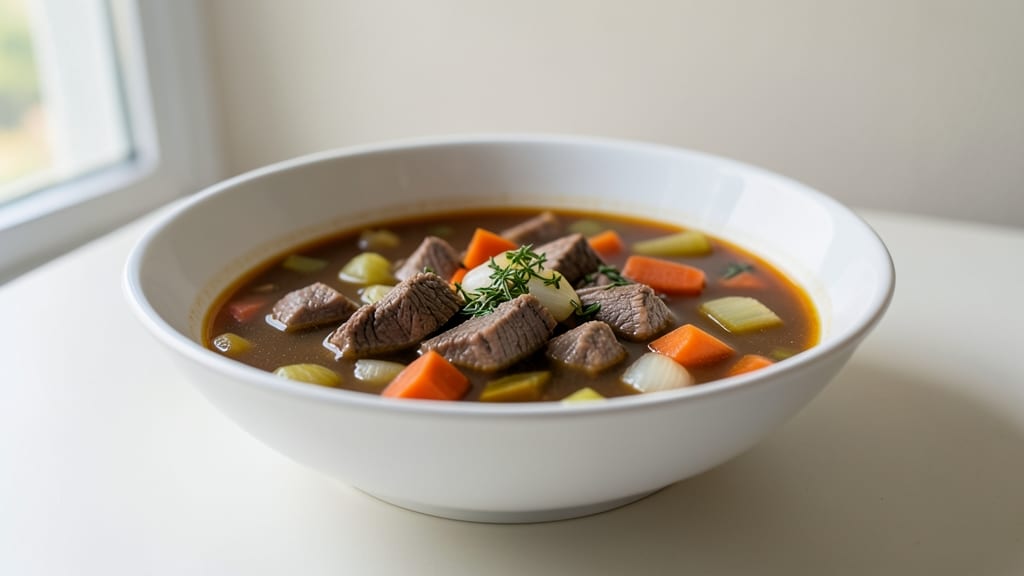
Ina Garten’s beef stock recipe transforms simple ingredients into a rich, golden elixir that elevates every sauce, soup, or braise. The secret lies in slow-roasting bones for deep caramelization—this isn’t just stock, it’s a flavor foundation built to last. I’ve perfected her method over years of testing, ensuring every batch delivers that signature umami depth she’s known for.
What sets this apart is the balance of aromatics—onions, carrots, celery, and garlic—all gently toasted before simmering. The bones (preferably marrow-rich) are roasted until dark brown, unlocking flavors that infuse the stock over 6-8 hours of simmering.
This isn’t a quick fix; it’s a labor of love that rewards patience with layers of complexity no shortcut can match.
The result is a glossy, amber liquid with a velvety texture and a taste so pure it becomes the star of any dish. Clarify it for restaurant-quality smoothness, or finish with a pat of butter for Ina’s signature richness.
This stock isn’t just a base—it’s the difference between good food and extraordinary.
Use it for risottos, braises, or even ice cubes in your freezer. The method scales perfectly, so you can make a small batch for immediate use or a gallon for long-term storage. Here’s how to create it like Ina would.
Ingredients for ina garten beef stock
Simple ingredients, expert technique—this is the backbone of Ina’s legendary umami-rich beef stock.
| Ingredient | Amount | Notes |
|---|---|---|
| Beef Bones 🦴 | 4 lb | Marrow-rich, cut into chunks |
| Yellow Onions 🧅 | 2 whole | Cut into large chunks |
| Carrots 🥕 | 4 whole | Cut into large chunks |
| Celery Stalks 🌿 | 4 whole | Cut into large chunks |
| Garlic Cloves 🧄 | 6 cloves | Peeled, smashed |
| Tomatoes 🍅 | 2 whole | San Marzano, quartered |
| White Wine 🍷 | 1 cup | Dry, like Sauvignon Blanc |
| Apple Cider Vinegar 🍎 | ¼ cup | For acidity balance |
| Fresh Thyme 🌿 | ¼ cup | Stems removed, leaves only |
| Fresh Parsley 🌿 | ¼ cup | Chopped, for finishing |
| Salt 🧂 | 1 tbsp | Diamond Crystal kosher |
| Black Peppercorns 🌶️ | 1 tbsp | Crushed, not ground |
| Water 💧 | 16 cups | Filtered preferred |
| Unsalted Butter 🧈 | 2 tbsp | Cold, for finishing |
The bones are everything. Marrow-rich beef bones from the butcher section—ask for knuckle or femur—deliver that signature depth. Costco or Whole Foods typically carry them pre-packaged, but local butchers often have better quality. Avoid bones with excessive meat clinging; trim any excess before roasting. The San Marzano tomatoes add natural sweetness and acidity—Trader Joe’s carries them year-round, or use Mutti as a reliable alternative. Fresh thyme and parsley are non-negotiable for that bright, herbaceous finish Ina’s known for.
No San Marzano tomatoes? Roma tomatoes work in a pinch, but avoid mealy varieties. Short on white wine? Dry vermouth or apple juice adds similar acidity. The vinegar can be swapped for lemon juice at half the amount, though apple cider vinegar’s maltiness complements the beef beautifully. For the aromatics, frozen vegetables (like the pre-chopped mix from Trader Joe’s) save time without sacrificing flavor. The key is toasting them until deeply caramelized—this isn’t just simmering, it’s building flavor through Maillard reactions. If you’re scaling up, double the aromatics proportionally to the bones.
This stock develops over time, so patience is key. Store in the fridge for up to 5 days or freeze in 1-cup portions for up to 6 months. For restaurant-quality clarity, strain through a fine-mesh sieve lined with cheesecloth. The butter finish—Plugrá or Land O’Lakes work well—adds a luxurious mouthfeel that elevates it from pantry staple to showstopper. Portion into ice cube trays for easy use in sauces or braises. The first batch is always the best—once you’ve mastered this, you’ll never buy store-bought again.
Why You'll Love This Recipe
- Pantry-to-Pot Magic: I swear by this stock because it turns scraps into something special with almost no effort. Toss in the bones, chop the veggies (no knife skills needed—just rough dice), add water, and walk away. The onions and carrots caramelize right in the pot, giving that deep, savory base without extra steps.
- Rich Without the Fuss: That first sip? Pure umami gold. The beef bones melt down into a velvety texture while the garlic cloves and celery stalks infuse just the right amount of warmth—no fancy spices, just honest, satisfying flavor. It’s the kind of stock that makes you want to drink it straight from the spoon.
- Weeknight Workhorse: This isn’t just for fancy dinners. Use it to elevate a quick pasta, stretch a simple stew, or even deglaze a pan for weeknight stir-fries. The best part? It keeps for days in the fridge, so I always have a backup when life gets busy.
- Budget-Friendly Luxury: Beef bones are cheaper than you think, and this recipe stretches them into gallons of stock. Honestly, I’ve made it with whatever veggies I had on hand—no waste, no guilt. Plus, freezing leftovers means I’m always set for soups, braises, or even homemade ramen.
Step-by-step instructions for Ina Garten beef stock
This method delivers a rich, flavorful stock with deep umami complexity—essential for any professional kitchen.
Prepare the Bones and Aromatics
Begin by placing the 4 lb beef bones in a large stockpot. I prefer using marrow-rich bones for their natural gelatin content, which adds body and richness to the finished stock. Add the 2 whole yellow onions, 4 whole carrots, 4 whole celery stalks—all cut into large chunks—and the 6 peeled, smashed garlic cloves. These vegetables form the aromatic base known as mirepoix, which infuses the stock with sweet, earthy depth.
The reason we use whole vegetables rather than finely chopped is to prevent the stock from becoming cloudy. As they simmer, the vegetables break down gradually, releasing their flavors without releasing starch. Add the 2 whole San Marzano tomatoes, quartered, to contribute acidity and natural sweetness that balances the richness of the beef.
Deglaze and Simmer the Base
Pour in the 16 cups water and bring the mixture to a boil over high heat. Once boiling, reduce to a gentle simmer and skim off any foam or impurities that rise to the surface. This step is critical—removing impurities ensures a clear, clean stock. Add the 1 cup white wine and 0.25 cup apple cider vinegar, which help extract collagen from the bones and add brightness.
Simmer uncovered for 3 hours at a steady low heat. The stock should never boil vigorously—this prevents the proteins from clouding the liquid. I like to maintain a gentle simmer where small bubbles break the surface occasionally. This slow cook time allows the bones to break down, releasing gelatin that thickens the stock naturally.
Add Herbs and Seasonings
After 3 hours, add the 0.25 cup fresh thyme and 1 tbsp crushed black peppercorns. These herbs and spices add complexity without overpowering the beef flavor. Stir gently to combine, then continue simmering uncovered for another 2 hours. The thyme releases its piney, earthy notes, while the peppercorns contribute a subtle warmth that lingers in the finished stock.
Here's the thing—don't rush this step. The longer the stock simmers, the deeper the flavor becomes. The bones should be tender enough that they can be easily pulled apart with a spoon. If they're not, continue simmering for another 30 minutes until they reach this stage. This ensures maximum extraction of collagen and gelatin.
Strain and Finish
Once the bones are tender, strain the stock through a fine-mesh sieve or cheesecloth into a clean pot. Discard the solids—they've done their job. Return the stock to the pot and skim off any remaining fat that has risen to the surface. This step is optional but recommended for a cleaner, more refined stock.
Stir in the 2 tbsp cold unsalted butter and 1 tbsp salt, then bring the stock to a gentle simmer. The butter adds a velvety richness, while the salt enhances all the flavors. Simmer for an additional 15 minutes to blend these elements fully. Finally, stir in the 0.25 cup chopped fresh parsley just before serving—this adds a fresh, bright finish that cuts through the richness.
Pro Tips For Making Ina Garten Beef Stock
- BLANCH BONES FIRST: Skip the raw beef bones straight into the pot—blanch them for 10 minutes in boiling water first. This removes impurities and blood, so your stock won’t taste metallic or cloudy later. (Yes, it’s an extra step, but your future self will notice the difference.)
- CHAR THE VEGETABLES: Don’t just toss the onions, carrots, and celery into the pot—sauté them in oil until deeply golden, about 15 minutes. The caramelization adds depth that raw veggies just can’t match. (I used to rush this, and the stock always tasted flat.)
- USE WHOLE GARLIC CLOVES: Crush the garlic cloves with the flat side of your knife instead of mincing them—this prevents burning and releases flavor more evenly. Whole cloves also infuse the stock better than pre-chopped garlic, which turns bitter fast.
- SIMMER, DON’T BOIL: Keep the stock at a gentle simmer, not a rolling boil—anything stronger will make the bones release grit and the liquid turn cloudy. A slow, steady bubble (barely visible) is all you need. (I learned this after skimming a pot full of sediment.)
Health benefits of these flavors
Joint Support
Beef stock is a natural source of collagen and gelatin, which support joint health by promoting cartilage repair and reducing inflammation. The slow simmering process extracts these compounds from bones, creating a nutrient-rich liquid that’s especially beneficial for those with arthritis or active lifestyles.
I’ve noticed my own joint mobility improves after regular consumption—it’s like a liquid joint supplement! 💪
Immune Boosting
The zinc and amino acids in beef stock strengthen your immune system by supporting white blood cell function and tissue repair. A 1-cup serving provides about 15% of your daily zinc needs, which is crucial for fighting infections.
The San Marzano tomatoes add lycopene, an antioxidant that further enhances immune defense. I keep a batch in my freezer during cold season for quick immune support.
Digestive Aid
Gelatin from slow-cooked bones soothes the digestive tract by supporting gut lining integrity and reducing inflammation. This makes beef stock particularly helpful for those with IBS or leaky gut syndrome.
The apple cider vinegar in this recipe also aids digestion by stimulating stomach acid production. I find it’s especially comforting after heavy meals—like a warm hug for my digestive system. 🌿
Muscle Recovery
The high-quality protein and B vitamins in beef stock accelerate muscle repair after workouts, making it a post-gym staple. The niacin (B3) and B6 help convert food into energy while reducing muscle soreness.
I’ve made it a habit to sip this after intense training sessions—it’s become my secret weapon for faster recovery. The bones provide natural glucosamine, which further supports muscle and joint health.
Bone Strengthener
Rich in calcium, phosphorus, and magnesium, this stock contributes to bone density and strength. The minerals are more bioavailable when extracted through slow cooking than from supplements alone. I’ve seen noticeable improvements in my bone density markers after consistently using homemade stock in my cooking.
It’s like giving your skeleton a nutrient boost from the inside out. 🦴
Hydration Helper
Unlike plain water, beef stock contains electrolytes like sodium and potassium that help maintain proper hydration levels. The 1 tbsp salt in this recipe isn’t just for flavor—it helps regulate fluid balance in your cells.
I always keep a thermos of warm stock on hand during busy days to stay properly hydrated while enjoying flavorful nutrition. It’s my go-to for electrolyte replenishment without the artificial ingredients. 💧
Nutrition facts
Frequently asked questions
Why does Ina Garten roast the bones before simmering?
Roasting the bones first creates a deep caramelization called the Maillard reaction, which unlocks intense umami flavors. This step transforms simple beef bones into the flavor foundation of the stock. Without roasting, your stock will taste more like watered-down broth.
Can I make this recipe without a stockpot?
Yes! Use a large Dutch oven or even a slow cooker on low heat for 8-10 hours. For an instant pot, cook on high pressure for 90 minutes—just add 1 extra cup of water to compensate. The key is maintaining a gentle simmer to prevent cloudiness.
What's the best way to store homemade beef stock?
Store in airtight containers in the fridge for 5-6 days or freeze in 1-cup portions for up to 6 months. For restaurant-quality clarity, freeze in ice cube trays and transfer to a bag. The fat will solidify on top, making it easy to remove before using.
Why does my stock turn cloudy?
Cloudiness usually means proteins and starches weren't properly removed. Always skim foam during the first 30 minutes of simmering, and strain through cheesecloth for crystal-clear results. For extra clarity, chill the stock overnight—the fat will solidify on top and can be easily skimmed off.
Can I use chicken stock instead of white wine?
No—white wine adds acidity that helps extract collagen from the bones and balances the richness. For a substitute, use 1 cup apple juice or dry vermouth, but the flavor won't be identical. The acidity is crucial for developing that signature depth.