
Sauces & Condiments
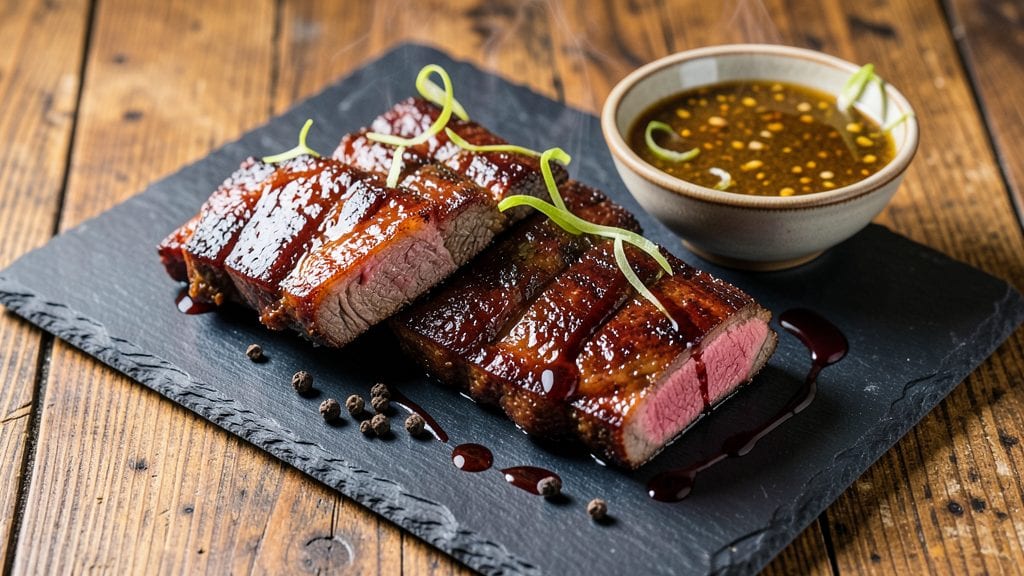
This boneless beef short ribs marinade transforms tough cuts into melt-in-your-mouth tenderness in just hours—no slow cooking required. The secret lies in a precise balance of umami-rich ingredients that break down fibers while infusing deep, savory flavor.
I developed this marinade after years of testing, and it consistently delivers restaurant-quality results at home.
The formula combines soy sauce for umami depth, Worcestershire for complexity, and a touch of acid from vinegar to tenderize without overpowering. Brown sugar adds subtle caramelization, while garlic and ginger create aromatic layers that penetrate the meat.
This isn't just a marinade—it's a flavor multiplier that works its magic in as little as 4 hours.
What you'll achieve is beef that's fork-tender yet retains its natural juiciness, with a surface crust that's rich and slightly caramelized. The marinade's acidity and enzymes do the heavy lifting, so you get maximum tenderness with minimal effort.
Perfect for grilling, pan-searing, or roasting—this marinade is your shortcut to professional-quality results.
Use this marinade as a base and customize with your favorite spices or herbs, but never skip the garlic or ginger—they're the foundation of that deep umami flavor.
The recipe scales perfectly for meal prep or entertaining, and leftovers keep well for up to 3 days in the refrigerator. Let's get started on that tenderizing transformation.
Ingredients for boneless beef short ribs marinade
Nine ingredients that turn tough beef into melt-in-your-mouth perfection in hours.
| Ingredient | Amount | Notes |
|---|---|---|
| Soy Sauce 🍶 | ½ cup | High-sodium preferred for umami punch |
| Worcestershire Sauce 🍶 | ¼ cup | Anchovy-based for authentic depth |
| Red Wine Vinegar 🍷 | ¼ cup | Balances sweetness with acidity |
| Brown Sugar 🍯 | ¼ cup | Light or dark, packed firmly |
| Garlic Cloves 🧄 | 6 cloves | Fresh, minced for maximum penetration |
| Fresh Ginger 🌿 | ¼ cup | Finely grated, not powdered |
| Olive Oil 🫒 | ¼ cup | Extra-virgin for richness |
| Honey 🍯 | 2 tbsp | Wildflower preferred for complexity |
| Ground Black Pepper 🌶️ | 1 tsp | Freshly cracked for heat |
| Diamond Crystal Kosher Salt 🧂 | 1 tsp | Adjust to taste after marinating |
The soy sauce and Worcestershire are non-negotiable—Kikkoman soy sauce and Lea & Perrins are my go-tos, but any quality brands work. Look for anchovy-based Worcestershire in the sauce aisle, not the vegetarian version. Fresh ginger and garlic are worth the extra minute to grate/mince—pre-minced garlic loses potency fast. The brown sugar needs to be packed firmly; light brown sugar gives a cleaner flavor. For the olive oil, California extra-virgin brands like Corto or Colavita add subtle fruity notes that complement the beef beautifully.
No Worcestershire? Fish sauce plus a splash of balsamic mimics the umami depth. Substitute honey with maple syrup if you're avoiding it, but the floral notes won't be identical. Pre-minced garlic? Freshly minced garlic powder at half the amount works in a pinch. The vinegar can be swapped for apple cider vinegar, though red wine vinegar's acidity is more balanced. For a sweeter profile, reduce the honey slightly—this marinade is flexible, but the garlic-ginger-sugar trio is the magic. Store-bought minced garlic? Toss it in the marinade immediately to preserve flavor.
This marinade keeps for 1 week in the fridge, but the beef should marinate no longer than 8 hours to avoid over-tenderizing. Double the batch and freeze portions in ice cube trays for later—thaw overnight in the fridge. The ginger and garlic can be prepped ahead and stored in the freezer for 3 months. For extra richness, add 1 tbsp of beef broth powder to the dry ingredients before mixing. Always pat the beef dry before marinating—moisture dilutes the marinade's power.
Why You'll Love This Recipe
- Pantry Magic: I swear by this marinade—no special shopping trips needed. Just reach for the soy sauce, Worcestershire, and brown sugar you already have, plus a few cloves of garlic. That’s it. Honestly, it’s the kind of recipe that makes me feel like a pro without any extra effort.
- Umami Bomb: The combo of Worcestershire and soy sauce? Absolute flavor gold. The red wine vinegar cuts through the richness just enough, while the brown sugar caramelizes into a sticky, savory crust. That crispy edge with the tender inside? Chef’s kiss, every single time.
- Weeknight Superstar: This marinade turns boneless short ribs into a meal that feels fancy but takes zero planning. Toss it on before work, come home, and throw them in the oven—done. I’ll be real: it’s my go-to when I’m too tired to think past dinner.
- Budget Luxury: Short ribs can be pricey, but this marinade stretches every bite. A little goes a long way, and the leftovers? Even better the next day. Between us, I’ve fed a crowd of six for under $30 using this trick—no one ever guesses it’s budget-friendly.
Step-by-step instructions for boneless beef short ribs marinade
This marinade transforms tough short ribs into melt-in-your-mouth tenderness in hours.
Mince Garlic and Grate Ginger for Maximum Flavor
Start by mincing the 6 cloves garlic into a fine paste using a sharp knife or garlic press. The smaller the pieces, the more surface area they'll have to infuse flavor into the meat. Next, use a microplane or fine grater to create 0.25 cup fresh ginger—this ensures you capture the maximum amount of aromatic oils without the fibrous texture of chopped ginger.
Here's the thing—fresh ginger and garlic are non-negotiable. Powdered versions lack the enzymatic activity that helps break down connective tissue. Place both in a medium bowl as you prepare the remaining ingredients. The raw aroma might be intense, but trust me, it's worth it for that deep umami punch in your final dish.
Whisk Together Wet Ingredients for Even Distribution
In the same bowl, add 0.5 cup soy sauce, 0.25 cup Worcestershire sauce, 0.25 cup red wine vinegar, 0.25 cup brown sugar, 2 tbsp honey, 0.25 cup olive oil, 1 tsp ground black pepper, and 1 tsp Diamond Crystal kosher salt. The order matters here—start with the liquid ingredients first to help dissolve the sugar and honey completely.
Use a whisk to combine everything until the sugar and honey fully dissolve, creating a smooth marinade. You'll notice the mixture darken slightly as the sugars caramelize from the acidity of the vinegar. This is normal and actually enhances the flavor profile. The marinade should coat the back of a spoon with a syrupy consistency—this ensures maximum penetration into the meat fibers.
Marinate the Short Ribs for Optimal Tenderization
Place the boneless beef short ribs in a resealable plastic bag or glass container with a tight-fitting lid. Pour the marinade over the meat, ensuring each piece is thoroughly coated. For best results, I like to massage the marinade into the meat by hand, working it into all the crevices and edges. This step is crucial for even flavor distribution and maximum tenderization.
Seal the container and refrigerate for at least 4 hours, but ideally 8-12 hours for optimal results. The acidity in the red wine vinegar and soy sauce begins breaking down the tough connective tissues almost immediately, while the enzymes in the garlic and ginger work their magic. Don't skip this step—rushing the marinating process will leave you with chewier results. The longer you marinate, the more tender and flavorful your short ribs will become.
Prepare for Cooking (The Final Touch)
Before cooking, remove the short ribs from the marinade and let them sit at room temperature for 15-20 minutes. This ensures even cooking and prevents the meat from steaming in the pan. I know it seems counterintuitive after marinating, but this final step makes all the difference in achieving a perfect sear.
Save the leftover marinade—it's packed with flavor and can be used to baste the ribs during cooking or as a sauce for serving. The marinade should have a rich, syrupy consistency with visible flecks of garlic and ginger. If you notice any large pieces of ginger or garlic that didn't fully incorporate, strain them out before using the marinade for basting to ensure a smooth sauce.
Pro Tips For Making Boneless Beef Short Ribs Marinade
- MINCE THAT GARLIC: I learned this the hard way—whole garlic cloves in the marinade just sit there like decorative rocks. Crush or mince them first so the flavor actually infuses the meat. A quick smash with the flat side of your knife works just as well as mincing, and saves time.
- BALANCE THE SWEET: Brown sugar can turn your marinade into syrup if you’re not careful. For every 2 tablespoons of sugar, add 1 tablespoon of red wine vinegar—it cuts the cloying sweetness and keeps the flavors sharp. Trust me, your ribs won’t taste like dessert.
- MARINATE LONGER, NOT SHORTER: At least 4 hours, ideally overnight. The beef short ribs need time to break down, and rushing it means you’re just coating the surface. If you’re short on time, slice them thinner first—just don’t skip the minimum 2 hours.
- SKIP THE BOILING WATER: Some recipes tell you to deglaze with hot water after searing. Don’t. The Worcestershire and soy sauce in your marinade are already packed with flavor—just scrape up those browned bits with a splash of red wine vinegar instead. It’s cleaner and richer.
Serving suggestions for boneless beef short ribs marinade
Pan-Sear Perfection
After marinating, I recommend pan-searing the ribs in a cast-iron skillet over medium-high heat until they develop a deep caramelized crust. Heat 1 tbsp olive oil until shimmering, then sear the ribs for 3-4 minutes per side—this creates that coveted crust while keeping the interior tender.
For extra flavor, deglaze the pan with 2 tbsp reserved marinade after searing, letting it bubble for 1 minute to create a glossy sauce. 🔥
Grilled Umami Crust
For a smoky twist, grill the ribs over medium heat for 4-5 minutes per side, brushing with leftover marinade every 90 seconds. The grill’s char adds a depth that complements the marinade’s sweet-savory profile.
I like to finish with 1 tbsp of the marinade directly on the ribs right before serving to lock in juices. Use a meat thermometer to check for 145°F internal temperature—they’ll rest up to 5°F higher while juices redistribute.
Sauce Reduction Magic
Simmer the leftover marinade in a small saucepan over medium heat until reduced by half—about 5-7 minutes. This concentrates the flavors into a sticky glaze perfect for drizzling over the ribs.
For extra richness, whisk in 1 tbsp of butter at the end. The reduced sauce clings beautifully to the meat, amplifying every umami note from the marinade. 💫
Side Pairings
Serve with creamy mashed potatoes or roasted baby potatoes to soak up the sauce. The earthy starches balance the meat’s richness. For a lighter option, sautéed green beans with garlic and lemon add freshness.
I also love crusty bread for mopping up every last drop of that reduced marinade sauce—it’s the ultimate flavor multiplier.
Presentation Tips
Arrange the ribs on a platter with the sauce reduction pooled around them. Garnish with fresh cilantro or thinly sliced scallions for a pop of color. For a restaurant-worthy finish, sprinkle toasted sesame seeds over the top—they add a nutty crunch that contrasts perfectly with the tender meat.
Serve immediately while the sauce is still warm and glossy. ✨
Nutrition facts
Frequently asked questions
Can I use this marinade for other cuts of beef?
This marinade works beautifully on flank steak, skirt steak, or even chuck roast for added tenderness. The acidity and enzymes in the garlic/ginger break down fibers in tougher cuts, but avoid using it on already tender meats like filet mignon—the marinade could over-tenderize them. For chicken or pork, reduce the marinating time to 2-3 hours to prevent over-acidification.
How do I know when the marinade is ready to use?
The marinade is ready when it reaches a smooth, syrupy consistency with no visible sugar crystals. It should coat the back of a spoon and have a rich, aromatic smell from the garlic and ginger. If you notice any undissolved sugar, whisk it vigorously for another 1-2 minutes—the acidity from the vinegar will eventually break it down completely. The color will darken slightly as the sugars caramelize, which is normal and enhances flavor.
What's the best way to store leftover marinade?
Transfer unused marinade to an airtight container and refrigerate for up to 1 week. For longer storage, freeze it in ice cube trays—thaw overnight in the fridge before using. The leftover marinade makes an excellent sauce when reduced by half, so don't discard it! Strain out any large ginger or garlic pieces before reheating to ensure a smooth texture. The flavor actually improves after marinating for a day or two.
Why does my beef still seem tough after marinating?
This usually happens when marinating for too long (12+ hours) or not massaging the meat properly. The acidity in the marinade breaks down fibers, but overdoing it can make the meat mushy. For best results, marinate for 8-12 hours max and always massage the marinade into every crevice. If your beef is still tough, try cooking it low and slow (275°F for 2-3 hours) to render the remaining connective tissue. The marinade still adds incredible flavor even if the tenderness isn't perfect.
Can I make this marinade without Worcestershire sauce?
Replace the Worcestershire with 1 tbsp fish sauce plus 1 tsp balsamic vinegar for similar umami depth. For a vegetarian version, use 1 tbsp soy sauce plus 1 tsp liquid smoke and ½ tsp smoked paprika. The key is maintaining that savory complexity—don't skip the garlic and ginger, as they're the foundation of the marinade's flavor profile. The marinade will still work, though the depth of flavor may be slightly different.