
Main Courses
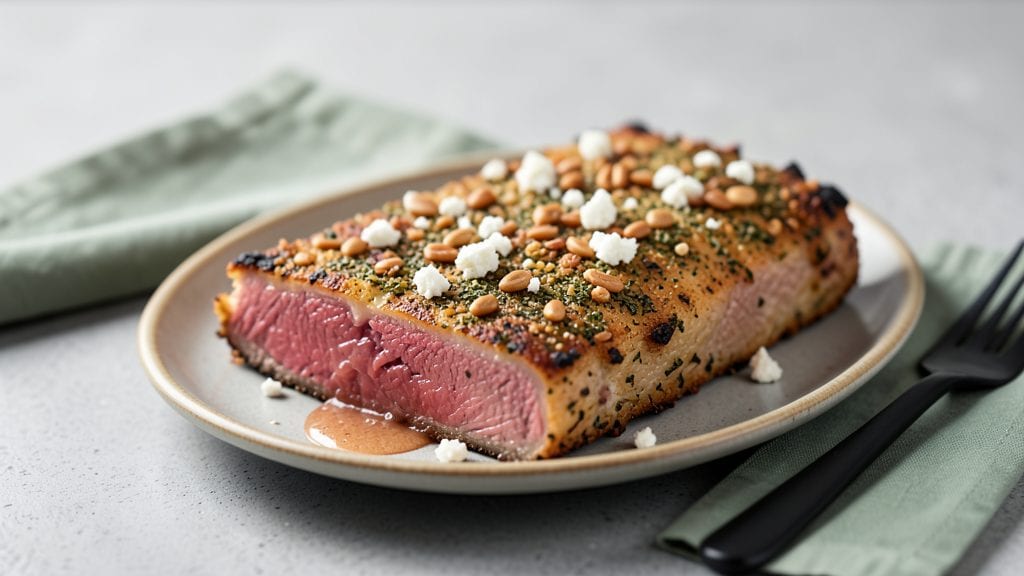
This Greek beef recipe transforms simple ingredients into a restaurant-worthy dish that captures the bold flavors of Mediterranean cuisine. The secret lies in a fragrant herb crust and bright lemon zest that elevate every bite, making it perfect for summer grilling or weeknight dinners.
I developed this method after years of testing—balancing traditional techniques with modern twists for foolproof results.
The recipe begins with a marinade of olive oil, garlic, and oregano that tenderizes the beef while infusing it with authentic Greek flavor. A crust of crushed feta, fresh herbs, and toasted pine nuts adds texture and depth, while lemon zest ensures a bright, citrusy finish.
The beef cooks to perfect medium-rare on the grill, locking in juices for maximum tenderness.
What sets this dish apart is its versatility—serve it with warm pita bread, a side of tzatziki, and roasted lemon potatoes for a complete meal. The herb crust stays intact while the beef remains juicy, creating a balance of flavors and textures that will impress even skeptical guests.
This is the kind of dish that transforms ordinary meals into memorable experiences.
Whether you're hosting a backyard barbecue or cooking for family, this recipe delivers restaurant-quality results with minimal effort. The marinating process can be done ahead of time, making it ideal for busy schedules. Let’s get started—your taste buds will thank you.
Ingredients for greek beef
Fourteen ingredients, Mediterranean magic—this herb-crusted beef delivers restaurant-quality flavor with minimal effort.
| Ingredient | Amount | Notes |
|---|---|---|
| Beef Tenderloin 🥩 | 1 ½ lb | Center-cut, trimmed of fat |
| Extra-Virgin Olive Oil 🫒 | ½ cup | High-quality, fruity variety |
| Garlic Cloves 🧄 | 6 cloves | Fresh, peeled, minced |
| Dried Oregano 🌿 | 1 tbsp | Mediterranean blend preferred |
| Crushed Red Pepper Flakes 🌶️ | 1 tsp | Adjust for heat preference |
| Crumbled Feta Cheese 🧀 | ½ cup | High-quality, dry-packed |
| Fresh Dill 🌿 | ¼ cup | Finely chopped, stems removed |
| Fresh Parsley 🌿 | ¼ cup | Finely chopped, flat-leaf preferred |
| Toasted Pine Nuts 🥜 | ¼ cup | Lightly toasted, chopped |
| Lemon Zest 🍋 | 1 tbsp | Fresh, finely grated |
| Lemon Juice 🍋 | 2 tbsp | Freshly squeezed |
| Sea Salt 🧂 | 1 ½ tsp | Fine grain, kosher preferred |
| Freshly Ground Black Pepper 🌶️ | 1 tsp | Coarsely ground |
| Pita Bread 🍞 | 4 whole | Warm, for serving |
The beef selection is critical for this dish. Tenderloin ensures tenderness, but ribeye also works if you prefer more marbling. Purchase from a trusted butcher or Whole Foods for the best quality—look for vibrant color and firm texture. The feta should be dry-packed, not brined, to avoid excess moisture in your crust. Penzeys or Kalamata brands deliver consistent quality, though any high-quality feta will suffice. For the herbs, fresh is non-negotiable; dried substitutes will fall short of the bright, aromatic flavor profile this dish demands.
No pine nuts? Toasted walnuts or almonds provide a similar texture, though the flavor will differ slightly. Short on fresh dill? Fresh parsley at double the amount works in a pinch, but the Mediterranean character will be less pronounced. The lemon zest can be substituted with bottled lemon zest, though fresh is always superior. For the olive oil, avoid heavily processed varieties—look for extra-virgin labels from brands like Colavita or California Olive Ranch. The marinade can be prepped a day ahead, but the herb crust should be assembled just before grilling to maintain freshness.
Store any unused marinade in an airtight container in the fridge for up to 3 days, though it's best used immediately. The herb crust components (feta, herbs, pine nuts) can be mixed ahead and refrigerated for 2 hours before use, but adding the lemon zest just before grilling preserves its bright flavor. Leftover cooked beef reheats beautifully—wrap tightly in foil and warm in a 350°F oven for 10-15 minutes. For maximum freshness, serve immediately after grilling, as the crust loses its crispness when reheated.
Why You'll Love This Recipe
- One-Pan Magic: I swear by this for lazy nights—just sear the tenderloin, toss in minced garlic and oregano, then let the olive oil work its magic. No chopping, no fuss, just done.
- Garlic-Oregano Bomb: That first bite of tender beef with the garlic sizzling in the oil? It’s like a Mediterranean hug in your mouth. The red pepper flakes add just enough kick to make it feel special without overpowering.
- Weeknight to Dinner Party: Same recipe, two vibes. Serve it sliced thin over crusty bread for a quick weeknight meal, or platter it with roasted potatoes and tzatziki for a crowd. Honestly, I’ve done both in the same week.
- Leftovers That Don’t Suck: Unlike other beef dishes, this stays juicy and flavorful for days. I’ll take it cold in wraps the next day or reheat it gently for a no-effort lunch—no one ever complains.
Step-by-step instructions for herb-crusted grilled beef
Master this Mediterranean-inspired technique for tender, flavorful beef every time.
Prepare the Herb-Crusted Marinade
In a medium bowl, combine the 0.5 cup extra-virgin olive oil, 1 tbsp dried oregano, 1 tsp crushed red pepper flakes, 1 tbsp lemon zest, 2 tbsp lemon juice, 1.5 tsp sea salt, and 1 tsp freshly ground black pepper. Mix until the spices are fully dissolved and the oil takes on a vibrant hue.
Add the 6 cloves minced garlic cloves, 0.25 cup finely chopped fresh dill, and 0.25 cup finely chopped fresh parsley to the mixture. Stir well to ensure all herbs are evenly distributed. This marinade forms the aromatic foundation that will penetrate the beef, creating layers of flavor.
Real talk: the lemon zest and fresh herbs are what elevate this from ordinary beef to something special. Don't skip the zest—it adds a bright citrus note that balances the richness of the beef.
Coat and Rest the Beef Tenderloin
Place the 1.5 lb beef tenderloin on a plate and generously coat it with the marinade, pressing it into the surface so it adheres completely. I like to use my hands for this—it ensures even coverage and helps the marinade penetrate slightly.
Transfer the coated beef to a resealable plastic bag and seal tightly. Refrigerate for at least 4 hours, or preferably overnight. This resting period allows the marinade to work its magic, tenderizing the meat and infusing it with flavor. The longer it marinates, the more pronounced the Mediterranean character will be.
Here's the thing—if you're short on time, even 2 hours in the fridge will improve the flavor significantly. But for the best results, plan ahead and let it marinate overnight.
Grill to Medium-Rare Perfection
Remove the beef from the refrigerator 30 minutes before grilling to bring it to room temperature. Preheat your grill to medium-high heat (around 400°F). You'll want clean, hot grates for maximum sear and flavor transfer.
Place the beef on the grill and cook for 12-15 minutes, turning occasionally, until the external temperature reaches 130°F for medium-rare. The internal color should be a vibrant pink with a slightly charred crust. This is where the magic happens—the Maillard reaction creates that beautiful crust while keeping the interior tender.
Don't overcook it. You can always cook it longer, but you can't reverse the clock. Use a meat thermometer for accuracy—it's the only reliable way to judge doneness when grilling.
Create the Pine Nut and Feta Topping
While the beef rests, prepare the topping by combining 0.5 cup crumbled feta cheese and 0.25 cup toasted pine nuts in a small bowl. This mixture adds a delightful contrast of textures and flavors—creamy feta against the crunch of pine nuts.
For extra flavor, I like to sprinkle a pinch of sea salt and freshly ground black pepper over the mixture. This step is simple but makes a big difference in the final presentation and taste.
Your oven might run hot, so start checking at the 20-minute mark if you're baking the pita bread. Warm pita is essential for serving this dish—it soaks up the juices beautifully.
Rest and Serve with Warm Pita
Transfer the grilled beef to a cutting board and let it rest for 10-15 minutes before slicing. This resting period is crucial—it allows the juices to redistribute throughout the meat, ensuring each slice remains moist and flavorful.
Slice the beef against the grain into ½-inch thick portions. Arrange the slices on a platter and sprinkle with the feta and pine nut topping. Serve immediately with the 4 whole warm pita breads on the side for scooping up the delicious juices.
Each bite should deliver a perfect balance of tender beef, bright citrus, and Mediterranean herbs. The contrast of warm pita with the rich beef makes this dish truly special.
Pro Tips For Making Greek Beef
- SEAR THE OIL FIRST: Heat your olive oil until it shimmers at 375°F (190°C)—just before it smokes—before adding the beef. I learned this the hard way when my first batch turned greasy instead of caramelized. The high heat locks in those garlic and oregano flavors instead of letting them turn bitter.
- SMASH THE GARLIC: Crush the garlic cloves with the flat side of your knife before mincing, then let them sit in the hot oil for 30 seconds. They’ll release their oils faster and won’t burn into a bitter paste. (Yes, even if you’re impatient like me.)
- DON’T OVERSTIR THE PEPPER: Once you add the crushed red pepper flakes, give the pan one quick stir and then leave it alone. Stirring too much just chases the heat around the beef instead of letting it build a crust. I used to burn the peppers into oblivion—now I just let them mingle.
- REST THE MEAT UNDER FOIL: After pulling the beef from the pan, tent it loosely with foil and let it rest for 5–10 minutes. The residual heat finishes cooking it through while keeping it juicy. (Your future self will thank you—trust me, I’ve sliced into it too soon.)
Dietary considerations for this greek beef
Gluten-Free Adaptation
This Greek beef recipe is naturally gluten-free, but the pita bread needs a swap. Use gluten-free pita like Canyon Bakehouse or Schar brands, which mimic traditional texture.
For extra authenticity, serve with roasted lemon potatoes or a Greek salad using gluten-free feta and olive oil. Always check labels—some brands add gluten-containing additives. 🌾
Dairy-Free Options
Skip the feta topping or substitute with dairy-free feta like Violife or Follow Your Heart brands. For extra flavor, add extra lemon zest or a sprinkle of toasted sesame seeds.
The marinade remains dairy-free, so the core dish stays intact. The pine nuts add crunch without dairy, keeping the Mediterranean vibe. 🧀
Lower-Carb Modifications
Replace pita with low-carb tortillas like Mission Carb Balance or serve the beef over a bed of arugula with a drizzle of olive oil. The herb crust and marinade are already low-carb, so no other adjustments are needed. This keeps the dish satisfying while reducing carbs. 🥗
Allergen-Friendly Tips
For nut allergies, replace pine nuts with toasted sunflower seeds or pumpkin seeds—they add crunch without nuts. Double-check feta for dairy cross-contamination if needed. The marinade is inherently safe for most allergies, but always verify ingredients like olive oil for processing facility risks. 🌱
Protein Swaps
For a lighter option, use leaner cuts like sirloin (trim excess fat) or chicken thighs with the same marinade. The herb crust works beautifully on both. If you prefer plant-based, try Greek-style portobello mushrooms marinated and grilled—brush with olive oil and bake at 400°F for 20 minutes. 🍄
Keto-Friendly Adjustments
This recipe is already keto-friendly with its high-fat, low-carb profile. Serve with cauliflower rice or a side of roasted zucchini for extra volume. The feta and olive oil provide healthy fats, while the beef delivers protein. No modifications are needed—just enjoy as-is! 💪
Nutrition facts
Frequently asked questions
Can I use this marinade for other proteins besides beef?
The same herb-crusted marinade works beautifully with chicken thighs or pork chops. For chicken, reduce marinating time to 2 hours to prevent over-tenderizing. The citrus and oregano flavors complement all three proteins wonderfully, though beef remains the star for this traditional Greek-inspired dish.
How do I adjust the recipe for a larger crowd?
Double all ingredients including the 1.5 lb beef to 3 lbs for 6 servings. Use two grills or a grill pan to maintain even cooking. Keep the marinade proportions identical—0.5 cup olive oil per pound of beef ensures perfect flavor balance. The herb crust can be scaled up in a single batch if you have enough feta and pine nuts.
What's the best way to reheat leftovers?
Wrap slices tightly in foil and reheat in a 350°F oven for 10-15 minutes to maintain moisture. Avoid microwaving—it dries out the beef. For the herb crust, sprinkle fresh lemon zest and a drizzle of olive oil before reheating to revive its crispness. Leftovers keep well for 3 days in the fridge.
Can I make this recipe without a grill?
Yes! Sear the beef in a skillet over medium-high heat for 3-4 minutes per side, then transfer to a 400°F oven for 10-12 minutes to reach 130°F internal temp. The stovetop sear creates the same crust, while the oven finishes cooking evenly. For extra flavor, use a cast-iron skillet to mimic grill marks.
What if I don't have pine nuts?
No problem! Swap them for toasted walnuts or almonds for a similar crunch. For nut-free options, use toasted sunflower seeds or crushed croutons (check for gluten if needed). The feta and herbs will still shine—pine nuts just add that extra Mediterranean crunch.