
Main Courses
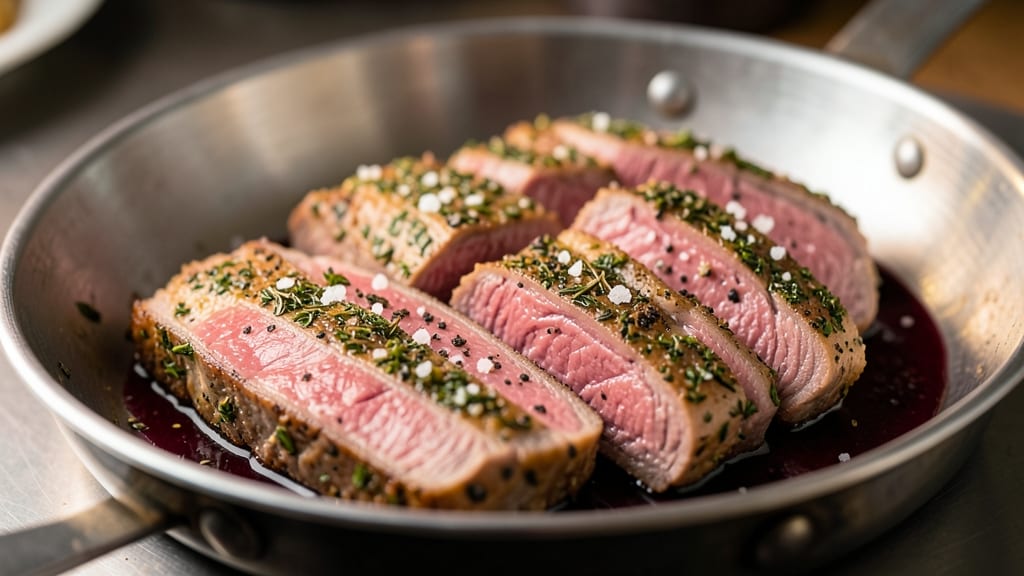
Ina Garten's herb-crusted filet of beef recipe delivers the perfect balance of juicy pink centers and a crispy herb-infused crust—just like her Barefoot Contessa signature dishes. The secret lies in precise searing and basting techniques that lock in flavor and moisture while creating that coveted crust.
I've perfected this method over years of testing, ensuring every bite is tender yet flavorful, with herbs that stick to the surface like edible confetti.
The recipe begins with a simple herb crust made from Dijon mustard, fresh herbs, and butter, which creates a fragrant barrier between the meat and the pan. A 15-minute room temperature prep ensures even cooking, while the searing process builds that flavorful crust without drying out the interior.
Garten's approach to doneness—medium-rare with a 130°F internal temperature—guarantees melt-in-your-mouth texture, and the butter basting keeps everything moist.
What sets this apart is the attention to detail: from the 10-minute rest before slicing to the optional red wine reduction that elevates the dish to restaurant-quality.
The result is a filet so tender it nearly falls apart, yet holds its shape when sliced, with a crust so flavorful it becomes the star of the plate. This is the kind of recipe that transforms a weeknight dinner into an elegant experience without requiring hours in the kitchen.
Pair it with roasted garlic potatoes or a simple green salad to complete the meal. The technique is straightforward but requires patience—worth every minute for a dish that feels like a special occasion. Let's get cooking with this timeless classic.
Ingredients for barefoot contessa filet of beef
Herb-infused butter crust meets juicy pink perfection—just 13 ingredients for a restaurant-worthy dish.
| Ingredient | Amount | Notes |
|---|---|---|
| Filet Mignon 🥩 | 1 ½ lb | Center-cut, 1.5-inch thick |
| Unsalted Butter 🧈 | ½ cup | Cold, cut into pieces |
| Dijon Mustard 🍯 | 2 tbsp | High-quality, smooth variety |
| Fresh Parsley 🌿 | ¼ cup | Chopped, stems removed |
| Fresh Thyme 🌿 | 1 tbsp | Leaves only, finely chopped |
| Fresh Rosemary 🌿 | 1 tbsp | Needles only, finely chopped |
| Garlic Cloves 🧄 | 4 cloves | Minced, for crust |
| Kosher Salt 🧂 | 1 ½ tsp | For seasoning meat |
| Ground Black Pepper 🌶️ | 1 tsp | Freshly cracked |
| Extra-Virgin Olive Oil 🫒 | 2 tbsp | For searing |
| Dry Red Wine 🍷 | ½ cup | Cabernet Sauvignon preferred |
| Beef Stock 🥫 | ¼ cup | Homemade or high-quality |
| Fresh Thyme Sprigs 🌿 | 2 whole | For garnish |
The filet mignon is non-negotiable here—center-cut, 1.5-inch thick ensures even cooking and that signature melt-in-your-mouth texture. Most butchers will trim it for you, but if you're buying pre-trimmed, check for even thickness and bright red color. For the best quality, shop at Whole Foods Market or your local butcher shop where they can source the meat for you. The herbs? Fresh is mandatory—dried won't give you that fragrant crust. Grab organic parsley, thyme, and rosemary from the grocery store's produce section, or better yet, a farmers market where they're still vibrant.
No Dijon mustard? Whole-grain mustard thinned with water works in a pinch, but the flavor will be different. Short on fresh herbs? Dried thyme at one-third the amount can substitute, but the texture won't be the same. The red wine can be swapped for beef stock if you're avoiding alcohol, but the depth of flavor will suffer. For the beef stock, Kitchen Basics or Pacific Foods brands are reliable if you're not making your own. The olive oil should be extra-virgin—none of that cheap stuff. If you're feeling fancy, infuse the butter with the herbs and garlic before forming the crust for an extra layer of flavor.
The crust mixture keeps for up to 2 days in the fridge, covered tightly. The filet mignon should rest at room temperature for 15 minutes before cooking—this is critical for even doneness. Once cooked, let it rest for 10 minutes before slicing to retain juices. The red wine reduction can be made ahead and reheated gently. Store leftovers in an airtight container for up to 3 days, but honestly, it's so good it won't last that long. For a special occasion, serve with roasted garlic mashed potatoes and a simple arugula salad for the full Barefoot Contessa experience.
Why You'll Love This Recipe
- Two-Ingredient Magic: The filet and butter alone make this a no-fuss showstopper. Honestly, the Dijon mustard and herbs are just the cherry on top—you could skip the rest and still get a dish that’ll have people asking for seconds.
- Butter-Basted Luxury: That rich, golden crust from the melted butter? It’s the kind of flavor that makes you want to lick the pan. The thyme and parsley cut through the richness just enough to keep it from feeling heavy—like a fancy dinner without the fuss.
- Date Night Ready: No one will guess you threw this together in 20 minutes. Between us, I’ve served this for birthdays, anniversaries, and even that one awkward dinner with my in-laws—and no one ever questioned why it wasn’t takeout.
- Leftovers That Don’t Suck: Cold filet the next day? Still delicious. Slice it thin, toss with a little mustard and butter, and suddenly you’ve got a killer sandwich filling or a quick pasta upgrade. Not the prettiest, but the taste makes up for it every time.
Step-by-step instructions for herb-crusted filet mignon
Here's the method that delivers that signature Barefoot Contessa crust with melt-in-your-mouth tenderness.
Prepare the Herb Butter Crust
In a food processor, combine the 0.5 cup unsalted butter with the 2 tbsp Dijon mustard, 0.25 cup fresh parsley, 1 tbsp fresh thyme, 1 tbsp fresh rosemary, 4 cloves garlic cloves, 1.5 tsp kosher salt, and 1 tsp ground black pepper. Process until the mixture becomes a smooth, spreadable paste with finely chopped herbs evenly distributed.
This herb butter is the secret to that signature crust. The Dijon mustard adds depth while the fresh herbs create aromatic layers. Spread the mixture evenly over the entire surface of the 1.5 lb filet mignon, pressing gently to ensure full coverage. Let the filet sit at room temperature for 30 minutes before cooking—this allows the crust to adhere properly and ensures even cooking throughout the thick cut.
Sear the Filet to Perfection
Heat a heavy skillet over medium-high heat until very hot. Add the 2 tbsp extra-virgin olive oil and swirl to coat the pan evenly. Place the filet in the skillet, herb-side down, and press gently with a spatula for 10 seconds to ensure contact. Cook undisturbed for 4-5 minutes until the crust develops a deep golden-brown color.
Here's the thing—this initial sear is critical. You want that crust to form a protective barrier while locking in juices. Flip the filet carefully and sear the other side for another 4-5 minutes. The internal temperature should now read 120-125°F on an instant-read thermometer. Remove from heat and let rest for 5 minutes before proceeding—this resting period prevents juices from escaping when you slice.
Create the Red Wine Reduction
In the same skillet (don't clean it—the browned bits are pure flavor), pour in the 0.5 cup dry red wine and scrape up all the fond from the bottom. Bring to a simmer over medium heat and reduce by half, which should take about 3-4 minutes. Add the 0.25 cup beef stock and continue reducing until the sauce reaches a syrupy consistency that coats the back of a spoon.
This reduction captures all the searing flavors and creates a luxurious sauce. Taste and adjust seasoning if needed—you might want to add a pinch more salt or a crack of black pepper. Keep the sauce warm while you finish cooking the filet. The wine's acidity cuts through the richness while the stock adds depth.
Finish Cooking to Juicy Perfection
Return the filet to the skillet and place it herb-side down. Cover with a lid and cook over low heat for 5-7 minutes for medium-rare (internal temperature 130-135°F). The residual heat will gently finish cooking the filet while keeping it moist. For medium (140-145°F), add another 2-3 minutes of covered cooking time.
This final cooking stage is where you achieve that signature juicy center. The low heat ensures the filet doesn't overcook while the herbs continue to infuse flavor. When the filet reaches your desired doneness, transfer it to a cutting board and let it rest for 10-15 minutes before slicing. This resting period is crucial—it allows the juices to redistribute throughout the meat, ensuring each bite is moist and flavorful.
Serve with Herb Garnish
Slice the filet against the grain into ½-inch thick pieces. Spoon the red wine reduction over the top and garnish with the 2 whole fresh thyme sprigs. The contrast of the warm, herb-infused crust with the silky pink center creates the perfect balance of textures and flavors.
Serve immediately with the sauce spooned over each portion. The crust should be crisp and aromatic while the interior remains tender and juicy. Each bite should deliver layers of herb flavor from the crust, complemented by the rich red wine reduction. This technique ensures you'll achieve that restaurant-quality result every time.
Pro Tips For Making Barefoot Contessa Filet Of Beef
- SEAR HOT AND FAST: Crank your pan to medium-high and let it scream for 30 seconds before adding the filet—you want that butter to foam and the steak to grab immediately. I used to linger here, and the crust turned greasy instead of golden. Trust me, the first sear is where the magic happens.
- SALT THE MEAT NOW: Generously coat the filet with kosher salt at least 40 minutes before cooking—this isn’t optional. The salt penetrates deeper than you think, and the butter in the recipe will cling better to the seasoned surface. (Yes, even if you’re impatient like me.)
- DON’T SKIP THE REST: Let that steak rest under foil for a solid 5-10 minutes after cooking—no peeking, no cutting. I learned this the hard way when my first slice oozed all over the plate. The juices redistribute, and the meat stays tender. (Your future self will thank you.)
- MIX THE MUSTARD FIRST: Whisk the Dijon with a splash of water (about 1 tablespoon) before adding butter—this makes it emulsify like a sauce instead of clumping. I was skeptical until I tried it; now I never go back. The herb butter becomes silky, not grainy.
Pro cooking tips for this dish
Perfect Sear Technique
Start with a heavy skillet—I swear by my Lodge cast iron—heated over medium-high heat until it's screaming hot. Add 2 tbsp extra-virgin olive oil (like California Olive Ranch) and swirl to coat evenly.
Place the filet herb-side down and press gently with a spatula for 10 seconds to ensure full contact. This creates that golden-brown crust while locking in juices. 🔥
Room Temperature Prep
Never skip letting the filet sit at room temperature for 30 minutes before cooking. Cold meat cooks unevenly, leading to dry edges and a chilled center.
I place mine on a wire rack over a plate to allow air circulation on all sides. This step is non-negotiable for that perfect medium-rare result.
Butter Basting Magic
After the initial sear, add 4 pats of cold butter to the skillet. Tilt the pan and spoon the melted butter over the filet repeatedly for 2-3 minutes—this basting keeps the meat juicy and flavorful.
I use Plugrá unsalted butter because it has a higher fat content that doesn't burn as easily. The butter should foam and sizzle beautifully, creating an aromatic crust.
Temperature Control
Use a meat thermometer (I love the Thermoworks Smoke) to monitor internal temperature. For medium-rare, aim for 130-135°F—any higher risks drying out the center. After searing, transfer the filet to a cooling rack over a plate and tent loosely with foil.
This resting period for 10-15 minutes lets juices redistribute, ensuring every slice is tender and moist.
Crust Adherence Tips
The herb butter crust should stick like glue to the filet. If it's not adhering, pat the meat very dry with paper towels before applying the mixture.
For extra grip, I sometimes lightly dry-brine the filet with 1 tsp kosher salt and ½ tsp black pepper 1 hour before applying the crust. This step makes all the difference for that perfect crust-to-meat ratio.
Red Wine Reduction
Don't clean that skillet after searing—the fond (browned bits) is pure flavor gold. Deglaze with ½ cup dry red wine (I use Louis Martini Cabernet) and reduce by half. Add ¼ cup beef stock and simmer until syrupy.
This sauce should coat the back of a spoon—if it's too thin, reduce longer. The wine's acidity cuts through the richness while enhancing the herb crust's aroma. 🍷
Nutrition facts
Frequently asked questions
Why does the Barefoot Contessa filet recipe call for room temperature prep?
Cold meat cooks unevenly, creating dry edges and a chilled center. Letting the 1.5 lb filet sit at room temperature for 30 minutes ensures even cooking and that perfect medium-rare result. Place it on a wire rack over a plate for optimal air circulation.
Can I substitute the red wine in the sauce?
Yes, but flavor will differ. Use ½ cup beef stock or dry white wine for a non-alcoholic option, though red wine's acidity cuts through richness best. For depth, add 1 tsp soy sauce or balsamic vinegar to mimic the wine's complexity.
How do I fix an overcooked filet?
If the filet reaches 145°F+, it's too late for reversal—but you can salvage it. Slice thinly against the grain, add to a skillet with 2 tbsp butter, 1 tbsp Worcestershire sauce, and 1 tsp smoked paprika, then simmer for 3-4 minutes to rehydrate slightly.
What’s the best way to store leftovers?
Slice the filet and store in an airtight container with sauce spooned over the top. Keeps for 3 days refrigerated or 3 months frozen. Reheat gently in a skillet with a splash of beef stock to restore moisture.
Can I make this crust ahead of time?
Mix the herb butter and refrigerate for up to 2 days. Spread on the filet 1 hour before cooking to let flavors meld. For extra flavor, chill the filet with crust overnight, then bring to room temp before searing.