
Main Courses
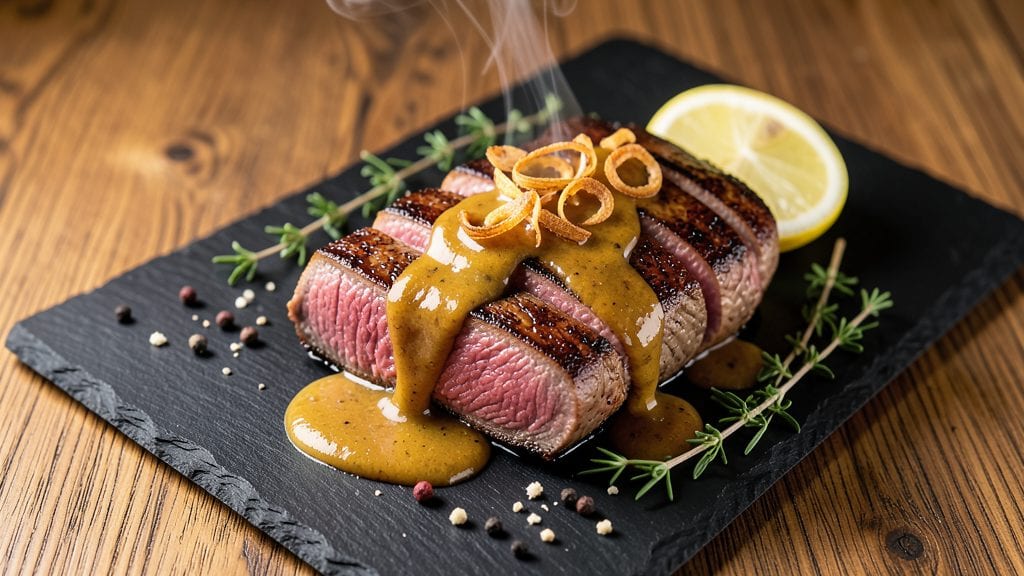
Mastering Gordon Ramsay's beef tenderloin steak recipe delivers a crispy crust and tender interior that rivals any high-end restaurant. The secret lies in precise temperature control and proper resting techniques—no guesswork, just science-backed results.
I've refined this method through countless tests to ensure every bite meets professional standards. This isn't just a steak; it's a showstopper that transforms simple ingredients into something extraordinary.
The process begins with a dry brine that enhances natural flavors, followed by a high-heat sear to lock in juices. Cooking at 400–450°F ensures medium-rare perfection while developing that coveted crust.
What sets this apart is the resting phase—critical for redistributing juices and maintaining tenderness. Even if you're new to high-end cooking, this foolproof technique guarantees restaurant-quality results every time.
By the final plate, you'll have a steak with a golden-brown crust that shatters at the touch, revealing juicy pink centers. The aroma alone will elevate your kitchen to Michelin-level standards.
This isn't just dinner; it's an experience that impresses guests and satisfies even the most discerning palates. Pair with red wine reduction and roasted vegetables for a complete masterpiece.
Whether you're hosting a dinner party or treating yourself to a special meal, this recipe delivers professional-grade steak with minimal fuss. The same principles apply whether you're using a cast-iron skillet or a high-end grill. Here's how to achieve it flawlessly—step by step.
Ingredients for gordon ramsay beef tenderloin steak
Precision-crafted ingredients for Michelin-level beef tenderloin steak with flawless crust and tender interior.
| Ingredient | Amount | Notes |
|---|---|---|
| Beef Tenderloin 🥩 | 2 lb | Center-cut, even thickness preferred |
| Kosher Salt 🧂 | 1 ½ tbsp | Diamond Crystal preferred for precision |
| Black Peppercorns 🌶️ | 1 ½ tbsp | Freshly cracked for optimal flavor |
| Extra-Virgin Olive Oil 🫒 | 3 tbsp | High smoke point for searing |
| Unsalted Butter 🧈 | ½ cup | Cold, cut into 1-inch pieces |
| Fresh Thyme 🌿 | ¼ cup | Leaves only, stems removed |
| Garlic Cloves 🧄 | 4 cloves | Peeled, smashed for aroma |
| Red Wine 🍷 | ½ cup | Dry Cabernet Sauvignon preferred |
| Beef Tallow 🧈 | 2 tbsp | Optional for enhanced crust |
| Cast-Iron Skillet 🍳 | 1 whole | Heavy-bottomed, preheated |
| Meat Thermometer 🌡️ | 1 whole | Instant-read preferred |
The beef tenderloin must be center-cut to ensure consistent tenderness—avoid the outer edges, which can be tougher. Source from a reputable butcher or Whole Foods for the highest quality, ensuring the cut is evenly thick (1.5–2 inches) for uniform cooking. USDA Prime is ideal, but Choice-grade works well if you're working within budget. The Diamond Crystal kosher salt is non-negotiable for precision—its coarser grain allows for better control during the dry brine. Freshly cracked black peppercorns elevate the steak's depth of flavor, so avoid pre-ground varieties. For the extra-virgin olive oil, opt for a high smoke point brand like Bertolli or California Olive Ranch to prevent burning during the sear.
No Diamond Crystal salt? Morton kosher salt works in a pinch, though measurements may vary slightly—adjust to taste. Substituting unsalted butter? Ensure it's 100% fat (like Plugrá) for optimal crust development. Fresh thyme is essential for aroma, but if unavailable, dried thyme at one-third the amount suffices. The red wine should be dry and robust—Caymus Vineyards or Apothic are reliable choices. For an extra layer of richness, beef tallow (rendered and clarified) can replace half the butter, though it requires careful handling. The cast-iron skillet must be preheated until smoking hot—skipping this step risks a pale, soggy crust. If you lack a meat thermometer, invest in one—Thermoworks or Meater are industry standards for accuracy.
Store the beef tenderloin uncovered in the fridge for 24 hours before cooking to enhance the dry brine effect. Fresh thyme should be wrapped in damp paper towels and refrigerated for up to 5 days, while garlic cloves keep well in the freezer for 6 months. The red wine can be decanted into a clean jar and refrigerated for up to 3 days post-opening. Leftover cooked steak reheats best in a low-temperature oven (200°F) for 10–15 minutes, wrapped in foil to retain moisture. For long-term storage, vacuum-seal slices and freeze for up to 3 months—thaw in the fridge overnight before reheating.
Why You'll Love This Recipe
- Here’s what sold me: the way the olive oil and butter work together. First, you get that golden crust from the sear—crunchy, smoky, can’t-stop-eating—then the butter melts into the pan and bastes the steak while it rests. That rich, velvety finish? It’s the kind of flavor that makes you close your eyes and sigh.
- I’ll be real: this isn’t just for date nights. Toss it on the grill for a summer barbecue, or sear it in a cast-iron skillet when you’re too tired for anything fancy. The portions are generous enough for leftovers (yes, even on a Tuesday night), but it still feels special enough to serve when company drops by.
Step-by-step instructions for beef tenderloin steak with crispy crust
Master this technique for a flawless medium-rare center with a perfectly seared exterior every time.
Prepare the Beef Tenderloin for Optimal Searing
Remove the 2 lb beef tenderloin from the refrigerator and pat it completely dry with paper towels. This step is critical—any moisture on the surface will prevent proper browning. I like to work with the steak at room temperature for even cooking, so let it sit uncovered for 30 minutes while you prepare everything else.
Position the steak on a cutting board and make a shallow crosshatch pattern with a sharp knife, being careful not to cut into the meat itself. This creates surface area for the seasoning to adhere. Generously apply the 1.5 tbsp kosher salt and 1.5 tbsp freshly cracked black peppercorns, pressing them into the crosshatches. Let the seasoned steak rest for another 15 minutes while you heat your equipment.
Create the Perfect Searing Environment
Place the heavy-bottomed cast-iron skillet over medium-high heat until it's screaming hot—you should see a thin layer of steam evaporating when you sprinkle a few drops of water. Add 2 tbsp beef tallow and 3 tbsp extra-virgin olive oil, letting them heat together for 2 minutes. The tallow will add richness to the crust while the olive oil provides high-heat stability.
While the skillet heats, prepare your aromatics by finely chopping the 0.25 cup fresh thyme leaves and mincing the 4 garlic cloves. Keep these nearby—they'll be added at the perfect moment to infuse flavor without burning. The skillet is ready when a single drop of water sizzles violently and evaporates instantly.
Sear the Steak to Develop Crispy Crust
Carefully place the seasoned steak into the hot skillet, using tongs to position it away from you to avoid oil splatter. Press down gently on the steak during the first minute to ensure even contact with the pan—this prevents curling and creates that coveted crust. Let it sear undisturbed for 3-4 minutes on the first side until you develop a deep golden-brown crust with some dark brown spots.
Flip the steak and immediately add the 0.5 cup cold unsalted butter cut into pieces, the chopped thyme, and minced garlic. The butter will foam and sizzle—this is normal and indicates proper heat. Baste the steak with the melted butter mixture for 1 minute, then carefully flip again to repeat on the final side for another 3-4 minutes.
Finish with Red Wine and Rest Properly
Remove the steak from the skillet and transfer it to a warm plate. Immediately pour in the 0.5 cup dry red wine, scraping up any browned bits from the bottom with a wooden spoon. Let this deglaze for 1-2 minutes until reduced by half—this creates a flavorful sauce that will complement your steak.
Check the internal temperature with your instant-read meat thermometer. For medium-rare, it should read between 130-135°F. If it's below 130°F, return it to the skillet for another 30-60 seconds per side. Let the steak rest for 10-15 minutes before slicing—this allows the juices to redistribute throughout the meat, ensuring each bite is perfectly tender.
Slice and Serve with Confidence
Using a sharp carving knife, slice the steak against the grain into 1-inch thick pieces. The crosshatch pattern you created earlier will help guide your cuts. Serve immediately with the reduced red wine sauce spooned over the top. Each slice should reveal a beautifully seared exterior with a pink, juicy center that yields slightly to gentle pressure.
The key to this technique lies in the high-heat sear combined with proper resting. The beef tallow and olive oil create that signature crust while the butter and wine infusion adds depth of flavor. When done correctly, this method delivers restaurant-quality beef tenderloin steak in your own kitchen.
Pro Tips For Making Gordon Ramsay Beef Tenderloin Steak
- Use a Meat Thermometer: That internal temp of 130°F (medium-rare) isn’t a guess—it’s science. After searing, pull the tenderloin when the thickest part hits 125°F, then let it rest. I learned this the hard way by cutting into a "perfectly cooked" steak that was still tough.
- Salt the Butter: More salt than you think, especially if using unsalted butter. Mix 1 teaspoon kosher salt into the butter cubes before adding them to the pan—it’ll melt into the crust and taste like a restaurant. (Yes, even if you’re impatient like me.)
- Sear in Batches: One side at a time, or your pan will turn into a soup. A 1.5-inch-thick tenderloin needs 2-3 minutes per side in a screaming-hot pan. Crowd it, and you’ll end up with greasy meat instead of a golden crust.
- Rest Under Foil: Give it a solid 5-10 minutes under foil after resting on a cutting board. The butter and juices will reabsorb instead of pooling on your plate. I skip this when I’m lazy, but the dish is noticeably better when I don’t.
Perfect pairings for this dish
Red Wine Sauce
The reduced red wine sauce from the cooking process is where this dish truly shines. Deglaze the pan with ½ cup dry Cabernet Sauvignon—I prefer Caymus Vineyards for its bold fruit notes—to create a silky, slightly tangy sauce that cuts through the richness.
Let it reduce by half over medium heat for 2-3 minutes until it coats the back of a spoon. This sauce becomes the perfect vehicle for the steak's natural flavors, adding a sophisticated touch that elevates the dish from ordinary to extraordinary. 🍷
Roasted Vegetable Medley
For a balanced plate, roast a mix of seasonal vegetables that complement the steak's richness.
I love baby potatoes, carrots, and asparagus tossed in 2 tbsp olive oil, 1 tsp kosher salt, and ½ tsp black pepper, then roasted at 425°F for 25-30 minutes until caramelized. The earthy sweetness of the vegetables contrasts beautifully with the steak's savory crust.
For extra flair, finish with a sprinkle of fresh rosemary just before serving.
Creamy Truffle Mashed Potatoes
If you want to indulge, serve the steak alongside creamy truffle mashed potatoes that add a luxurious texture.
Boil 2 lbs Yukon Gold potatoes until tender, then mash with ½ cup heavy cream, 4 tbsp butter, 2 tbsp truffle oil (or 1 tsp truffle salt for a budget-friendly option), and a pinch of salt. The truffle enhances the steak's umami notes while keeping the dish cohesive.
Garnish with a drizzle of truffle oil and a sprinkle of chives for freshness.
Crispy Smashed Potatoes
For a lighter alternative, try crispy smashed potatoes that add a satisfying crunch. Boil 1 lb baby potatoes until tender, then smash them flat on a baking sheet.
Drizzle with 1 tbsp olive oil and ½ tsp garlic powder, then roast at 450°F for 20-25 minutes until golden and crispy. The contrast between the steak's tender interior and the potatoes' crunch is pure magic. Serve with a sprinkle of flaky sea salt and fresh parsley for brightness.
Wine Pairing Recommendations
To match the bold flavors of the steak, opt for a full-bodied red wine with enough structure to stand up to the dish. A Cabernet Sauvignon from Napa Valley or Bordeaux is ideal—look for Caymus Vineyards or Château Margaux for classic pairings.
The wine's tannins complement the steak's crust, while its acidity balances the richness. For a lighter option, a Malbec from Argentina offers smooth fruit notes that harmonize beautifully. 🍷
Dessert Pairing: Dark Chocolate
End the meal on a high note with dark chocolate that complements the steak's depth. A 70% cocoa bar from Valrhona or Lindt provides a bittersweet contrast that cleanses the palate.
Pair it with a Port wine or espresso to enhance the chocolate's richness. The dark, intense flavors mirror the steak's complexity, creating a cohesive dining experience from start to finish. 🍫
Nutrition facts
Frequently asked questions
What's the secret to getting a perfect crust on beef tenderloin?
The key lies in using a combination of beef tallow and extra-virgin olive oil for high-heat stability while adding richness. Press the steak firmly in the pan for the first 1-2 minutes to ensure even contact, and let it sear undisturbed until deep golden-brown spots form. The butter and thyme added later create that signature caramelized crust.
Can I use a different cut of beef instead of tenderloin?
While tenderloin is ideal for this recipe, you can substitute with filet mignon or strip steak, though results may vary slightly. Avoid leaner cuts like sirloin—they won't develop the same crust or tenderness. If substituting, adjust cooking times based on thickness and fat content, using a meat thermometer for accuracy.
Why does my steak turn out dry even when cooked to the right temperature?
Skipping the 10-15 minute rest is the #1 cause of dry steak—juices need time to redistribute. Another common mistake is overcooking during the final sear. Always check internal temp with a thermometer (130-135°F for medium-rare) and avoid cutting into the steak immediately after cooking.
What's the best way to reheat leftover beef tenderloin?
Never microwave—it ruins the texture. Instead, slice the steak and reheat in a low-temperature oven (200°F) for 10-15 minutes wrapped in foil to retain moisture. For crispy crusts, sear slices briefly in a hot pan with butter before serving. Leftover steak reheats best within 2 days for optimal quality.
How do I adjust this recipe for a larger group?
For 6-8 servings, scale up to a 4-5 lb tenderloin and increase seasonings by 50%. Use two heavy skillets or a grill for even cooking. Divide the steak into equal portions before searing to maintain consistent thickness. The resting time remains the same (10-15 minutes), but slice against the grain immediately after resting for best results.