
Main Courses
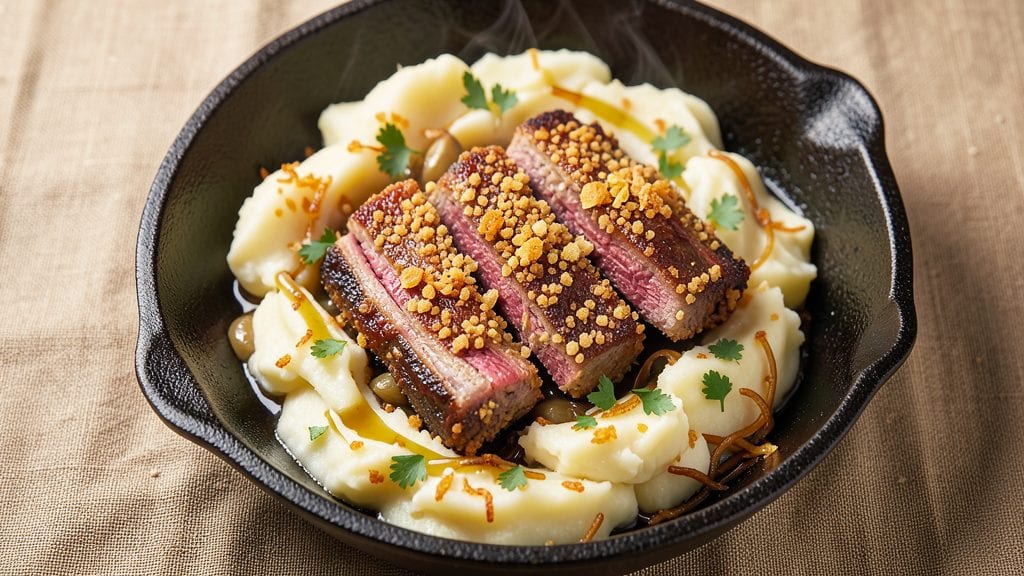
This fried beef short ribs recipe delivers the perfect marriage of crispy bark and molten tenderness—a technique I perfected after years of testing restaurant-style methods at home.
The secret lies in a precise balance of breading thickness, frying temperature, and resting time to ensure every bite achieves that coveted contrast. Professional results start with quality short ribs and a methodical approach that transforms tough cuts into melt-in-your-mouth perfection.
What sets this recipe apart is the three-stage breading process, where each layer builds flavor and texture without overwhelming the natural richness of the beef.
Frying at 350°F ensures a golden crust while maintaining juicy centers, and a 10-minute rest before serving locks in all the juices for maximum tenderness. This isn't just a recipe—it's a technique that elevates a simple protein into a showstopping main course.
By the time you plate these ribs, you'll have crispy, caramelized edges that shatter with each bite, revealing tender meat so rich it practically melts.
The aroma alone will have everyone gathering at the table, and the visual contrast of golden-brown crust against velvety meat makes it ideal for special occasions. Pair with a bold red wine or smoky cocktail to complete the experience.
Whether you're hosting a dinner party or treating yourself to a weekend indulgence, this method delivers restaurant-quality results with minimal fuss. The key is patience—each step builds toward that perfect bite, and the payoff is worth every minute. Let's get cooking!
Ingredients for fried beef short ribs
Quality short ribs and precise breading layers create crispy bark with tender beef perfection.
| Ingredient | Amount | Notes |
|---|---|---|
| Beef Short Ribs 🥩 | 2 lb | Bone-in, 1-1.5 inch thick cuts |
| All-Purpose Flour 🌾 | 2 cups | For first breading layer |
| Cornstarch 🌾 | ½ cup | For second breading layer |
| Panko Breadcrumbs 🍞 | 1 ½ cups | For third breading layer |
| Diamond Crystal Kosher Salt 🧂 | 1 ½ tbsp | For seasoning meat |
| Ground Black Pepper 🌶️ | 1 tsp | Freshly ground preferred |
| Garlic Powder 🧄 | 1 ½ tbsp | For breading seasoning |
| Onion Powder 🧅 | 1 tbsp | For breading seasoning |
| Paprika 🌶️ | 1 tbsp | Smoked variety preferred |
| Vegetable Oil 🫒 | 4 cups | For frying, 350°F |
| Unsalted Butter 🧈 | ½ cup | Melted for basting |
| Fresh Parsley 🌿 | ¼ cup | Chopped for garnish |
The short ribs are the foundation—look for well-marbled cuts with visible fat cap. Butcher shops often carry superior quality compared to grocery stores, and asking for bone-in cuts ensures maximum flavor. The ribs should be 1-1.5 inches thick for even cooking. If using frozen ribs, thaw them overnight in the refrigerator—never at room temperature. For best results, source grass-fed beef if available, as it has a richer flavor profile. The three-stage breading process (flour, cornstarch, panko) creates that signature contrast between crispy exterior and tender interior.
No panko? Crushed cornflakes or matzo meal work in a pinch, though texture will differ. Short on cornstarch? Extra flour in the second layer maintains crispiness. For the vegetable oil, peanut or canola oil are excellent alternatives—just ensure it has a high smoke point. The melted butter at the end isn't optional—it bastes the ribs, adding richness and helping create that caramelized crust. Fresh parsley is ideal for garnish, but dried parsley at one-third the amount suffices if needed. Seasoning the meat with kosher salt before breading is critical—it penetrates deeper than table salt.
Store leftover ribs in an airtight container for 3-4 days, but they reheat best at 350°F for 10-15 minutes until just warmed through. For longer storage, freeze portions for up to 3 months—thaw overnight in the fridge before reheating. The breading loses crispiness when reheated, so plan to serve immediately for optimal texture. If prepping ahead, assemble the ribs with all breading layers but refrigerate unbaked until ready to fry. This keeps the coating intact for maximum crunch.
Why You'll Love This Recipe
- Crispy Without Hassle: I swear by the flour-cornstarch-panko combo—it gives that perfect golden crust with zero fuss. Just pat dry the ribs, toss in the mix, and fry. No rolling, no stress.
- Deep Flavor Payoff: That first bite? Rich, meaty, with a crackling crust so satisfying it’s almost sinful. The salt and cornstarch work magic—juicy inside, crispy out, and the panko adds a toasty crunch you won’t find anywhere else.
- Leftovers That Shine: These ribs reheat like a dream—crispy again in the oven or air fryer, no soggy edges. I always make extra because they’re so good cold in sandwiches or over rice the next day.
- Budget Feast for Crowds: Short ribs stretch further than you’d think, and the pantry staples (flour, salt, panko) keep costs low. Perfect for game day, family dinners, or when you’re feeding a houseful without breaking the bank.
Step-by-step instructions for fried beef short ribs
Master this triple-breading technique for ribs with a shatteringly crisp exterior and fall-apart tenderness inside.
Prepare the Meat with Seasoned Salt Crust
Pat the 2 lb beef short ribs thoroughly dry with paper towels—this is critical for adhesion and crispiness. In a small bowl, combine the 1.5 tbsp diamond crystal kosher salt, 1 tsp ground black pepper, 1.5 tbsp garlic powder, 1 tbsp onion powder, and 1 tbsp paprika. Rub this mixture evenly over all surfaces of the ribs, pressing firmly so the spices adhere. Place the seasoned ribs on a wire rack set over a baking sheet and refrigerate uncovered for at least 1 hour. This resting period allows the salt to penetrate and creates a flavorful crust.
The reason for refrigerating is twofold: it prevents the meat from steaming in its own juices, and it firms up the surface for better breading adhesion. After 1 hour, the ribs should feel slightly dry to the touch—this texture is what we're aiming for before the first breading layer.
Build the Three-Stage Breading Station
Set up three shallow bowls for your breading stations. In the first bowl, combine the 2 cups all-purpose flour with an additional 1 tbsp diamond crystal kosher salt. In the second bowl, place the 0.5 cup cornstarch. The third bowl should contain the 1.5 cups panko breadcrumbs. Arrange these stations in order of use, leaving space to work efficiently between them.
Here's the thing about the cornstarch layer—it's what creates that signature crispy texture between the flour and breadcrumbs. The starch absorbs moisture from the meat, creating a dry surface that the panko will crisp perfectly against. Keep all your breading ingredients at room temperature to ensure even coating and proper crisping.
Fry the Ribs to Golden Perfection
In a heavy-bottomed Dutch oven or deep fryer, heat the 4 cups vegetable oil to 350°F. Use a deep-fry thermometer to maintain this temperature—fluctuations will affect crispiness. Working in batches if needed, carefully lower the seasoned ribs into the hot oil. Fry for 8-10 minutes until the first breading layer turns a deep golden brown and the meat reaches an internal temperature of 140°F. This initial fry establishes the foundational crust.
Remove the ribs and let them rest on a wire rack for 5 minutes to drain excess oil. This resting period is crucial—it prevents the breading from becoming soggy when you add the next layers. While they rest, prepare a saucepan with the 0.5 cup unsalted butter melted over low heat. This butter will be used for basting between breading stages.
Apply Second and Third Breading Layers
Using tongs, transfer each rib back to the first bowl of flour, pressing gently to adhere the second layer. Immediately dip into the cornstarch, then into the panko breadcrumbs, pressing firmly to ensure complete coverage. Return the breaded ribs to the wire rack and let them rest for 3 minutes—this allows the starch to work its magic by drawing out moisture.
Working quickly, return the triple-breaded ribs to the 350°F oil and fry for an additional 6-8 minutes until the breading is a rich, caramelized brown. The ribs should now register 160°F internally. This second fry is where the true transformation happens—the panko develops that coveted crunch while the meat continues to tenderize.
Finish with Butter Bastes and Garnish
Remove the fried ribs from the oil and transfer them to a paper towel-lined plate. Immediately baste each rib generously with the melted unsalted butter using a pastry brush, working quickly while the butter is hot. This step seals in moisture and adds a luxurious sheen to the finished product. Let the ribs rest for 5 minutes before serving.
Garnish each serving with the chopped 0.25 cup fresh parsley just before plating. The parsley not only adds visual contrast but also cuts through the richness of the fried ribs. Serve immediately with your choice of dipping sauce—traditional options include a tangy horseradish cream or a sweet-spicy chili jam. The contrast between the shatteringly crisp exterior and the molten, tender meat is what makes this preparation truly exceptional.
Pro Tips For Making Fried Beef Short Ribs
- Trim the Fat First: Scrape off as much of the thick white fat cap from the short ribs as you can before coating—it burns fast and ruins crispiness. I learned this after frying ribs that turned greasy instead of golden; the extra effort makes all the difference.
- Double-Dust the Cornstarch: Toss the flour-cornstarch mix with the ribs twice—once before dredging, once after—so every nook gets coated. The first layer sticks better, and the second guarantees that crunchy shield. (Yes, it’s messy, but so is eating ribs with a soggy crust.)
- Don’t Rush the Rest: After frying, let the ribs sit under foil for 5–10 minutes before serving—this traps steam and keeps the meat juicy while the crust sets. I used to skip this and ended up with dry, flaky ribs that tasted like overcooked chicken.
- Use Cold Oil: Chill your frying oil (or at least let it cool slightly) before adding the ribs—hot oil cooks the exterior too fast, sealing in moisture before the crust forms. Cold oil = better crust, less grease splatter. (Trust me, your kitchen will thank you.)
Creative variations of this fried beef short ribs
Southern-Style Smothered
Transform these fried ribs into a Southern classic by smothering them in a rich, tangy gravy. After frying, deglaze your Dutch oven with 1 cup beef broth and 2 tbsp tomato paste, scraping up all the crispy bits.
Add 1 tbsp apple cider vinegar and 1 tsp Worcestershire sauce, then simmer for 10 minutes until thickened. Pour this velvety sauce over the ribs and serve with buttery mashed potatoes. 🍖
Asian-Inspired Glazed
For an umami-packed twist, toss the fried ribs in 2 tbsp hoisin sauce and 1 tbsp chili garlic sauce after the second fry. Broil for 3-4 minutes until caramelized.
Garnish with sliced scallions and sesame seeds for a fusion dish that pairs perfectly with jasmine rice. The sweet-spicy glaze cuts through the richness beautifully.
Spicy Cajun Kick
Infuse your breading with 1 tbsp Cajun seasoning (like Tony Chachere's) in the panko layer. After frying, toss the ribs in a mix of 1 tbsp melted butter, 1 tsp smoked paprika, and ½ tsp cayenne pepper.
Serve with a cooling side of creamy corn pudding to balance the heat. This version is a crowd-pleaser at tailgates and summer BBQs.
Honey-Soy Glazed
After the final fry, brush the ribs with a glaze made from 3 tbsp soy sauce, 2 tbsp honey, and 1 tbsp rice vinegar. Broil for 2-3 minutes until sticky and glossy.
The honey-soy combo adds a sweet-savory contrast that elevates the dish. Pair with steamed bok choy and sesame seeds for an elegant yet approachable presentation.
Breakfast Ribs
Turn these into a brunch sensation by serving with a fried egg on top and crispy hash browns. After frying, sprinkle the ribs with 1 tsp garlic powder and ½ tsp onion powder, then broil for 1 minute to crisp the breading again.
The salty, savory flavors make this a perfect weekend breakfast centerpiece.
Vegetarian Adaptation
For a meatless version, use portobello mushrooms (sliced into ½-inch thick pieces) or extra-firm tofu (pressed and sliced). Marinate in 1 tbsp soy sauce, 1 tbsp balsamic vinegar, and 1 tsp smoked paprika before breading.
Follow the same frying process, but reduce oil temperature to 325°F to prevent burning. Serve with a tangy chimichurri sauce for a satisfying plant-based alternative.
Nutrition facts
Frequently asked questions
Why do I need three breading layers for fried beef short ribs?
The three-stage breading (flour, cornstarch, panko) creates the perfect texture contrast—crispy exterior with tender meat inside. The cornstarch layer acts as a moisture barrier, preventing sogginess while the panko adds that signature crunch. Skipping any layer risks a gummy or uneven coating.
Can I use boneless beef short ribs for this recipe?
Technically yes, but bone-in ribs yield better results. The bones add flavor and help maintain shape during frying. If using boneless, pat them extra dry and consider adding 1 extra tbsp cornstarch to the second layer for better crispiness. The texture will be slightly different but still delicious.
What's the best oil for frying beef short ribs?
Use high-smoke-point oils like vegetable, canola, or peanut oil. Avoid olive oil—it burns at 350°F and creates smoke. For extra flavor, try 2 tbsp beef tallow mixed with vegetable oil (50/50 ratio). The fat renders during frying, enhancing the beef's richness.
My ribs turned out greasy—what went wrong?
Overcrowding the fryer lowers oil temperature, causing oil absorption. Fry in batches with 2-3 inches of space between ribs. Also, ensure the oil is at 350°F before adding meat—use a thermometer! Drain on a wire rack for 5 minutes after frying to remove excess oil.
How do I reheat leftover fried beef short ribs?
Reheat in a 350°F oven for 10-15 minutes until warmed through. Microwaving makes breading soggy. For crispiness, broil for 2-3 minutes after oven heating. Store leftovers in an airtight container for 3-4 days or freeze for up to 3 months.