
Soups & Stews
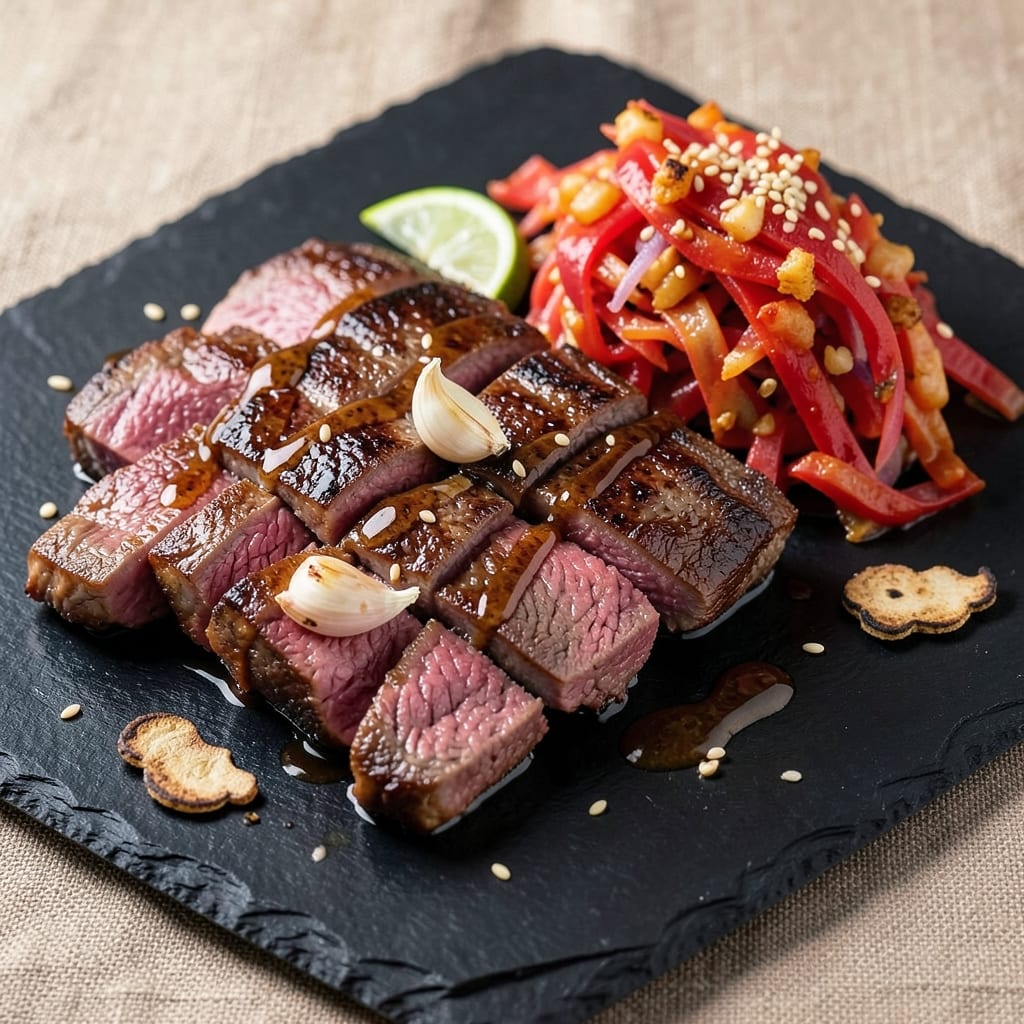
This beef and kimchi recipe delivers a bold fusion of fermented heat and deep umami in every bite—perfect for weeknight dinners that feel like a Korean bistro experience. The magic happens when tender beef braises slowly with spicy kimchi, transforming tough cuts into melt-in-your-mouth perfection while the flavors meld into a rich, tangy-sweet sauce. I developed this version after years of testing, balancing the right amount of spice and sweetness to make it approachable yet unforgettable.
The beauty of this dish lies in its versatility—it’s hearty enough for a main course but simple enough to prepare in one pot. Start with thinly sliced beef (ribeye or chuck works best) that cooks quickly in a hot pan before simmering in a fragrant broth of kimchi, garlic, and ginger. The key is letting the flavors develop over 30 minutes on low heat, which builds layers of complexity without requiring constant attention. This isn’t just a stew; it’s a restaurant-quality meal that tastes even better the next day.
By the time you serve it, you’ll have a steaming pot of beef and kimchi with tender meat that practically falls apart, all swimming in a glossy sauce that’s spicy, sweet, and deeply savory. The aroma alone—smoky from the beef, bright from the kimchi—will have everyone at the table asking for seconds. Serve it over steamed rice to soak up every last drop of that flavorful broth, or pair it with a simple side salad for balance. This is comfort food at its finest, with just the right kick.
For extra depth, finish with a sprinkle of sesame seeds and a drizzle of toasted sesame oil, which adds a nutty contrast to the fermented tang. The recipe scales easily, too—double it for leftovers or a crowd. Let’s get cooking; your taste buds won’t know what hit them.
Ingredients for beef and kimchi
Bold flavors start with these 14 ingredients—simple yet transformative for your Korean-inspired dinner.
| Ingredient | Amount | Notes |
|---|---|---|
| Beef (Ribeye or Chuck) 🥩 | 1 ½ lb | Thinly sliced against grain |
| Kimchi 🥬 | 2 cups | Packed, with juice |
| Garlic Cloves 🧄 | 6 cloves | Minced, for depth |
| Fresh Ginger 🌿 | 2 tbsp | Grated, for brightness |
| Soy Sauce 🍶 | ½ cup | For umami richness |
| Brown Sugar 🍯 | ¼ cup | Balances heat |
| Sesame Oil 🫒 | 1 tbsp | Toasted, for aroma |
| Sesame Seeds 🌰 | 1 tbsp | Toasted, for crunch |
| Green Onions 🧅 | 4 whole | Sliced, for garnish |
| Vegetable Oil 🫒 | 2 tbsp | For searing |
| Water 💧 | 1 ½ cups | For simmering |
| Salt 🧂 | 1 tsp | To taste |
| Black Pepper 🌶️ | ½ tsp | Freshly ground |
| Red Pepper Flakes 🔥 | ½ tsp | Adjust to taste |
The beef is non-negotiable here. Ribeye or chuck gives you that melt-in-your-mouth texture—sirloin stays tough. Slice it thinly against the grain, about 1/8-inch thick. Korean markets often have pre-sliced beef for this, but if you're cutting it yourself, take your time. The kimchi? Look for bright red, vibrant kimchi with visible chili flakes—it should smell tangy, not sour. H Mart or Korean grocery stores have the best selection, but any good Asian market will do. If you can't find fresh ginger, frozen works in a pinch—just grate it while still frozen for easier handling.
No kimchi? Substitute with sauerkraut plus a dash of gochujang—it won't be identical, but you'll get that fermented kick. Short on brown sugar? Honey or maple syrup works too, though the flavor will shift slightly. The sesame oil is where the magic happens—toast it first by heating it gently in a pan for 30 seconds to deepen the aroma. No toasted sesame seeds? Regular sesame seeds toasted in a dry pan work just fine. The green onions are optional but add that fresh pop—skip them if you're serving with a side salad. For extra depth, add a splash of mirin or rice vinegar to the simmering broth.
This dish tastes even better the next day—plan ahead. Store leftovers in an airtight container for up to 5 days in the fridge, or freeze for 3 months. I always double the recipe because it disappears fast. The sauce thickens as it cools, so add a splash of water if it's too stiff when reheating. Garnish with extra sesame seeds and green onions right before serving—they add that restaurant-quality finish. Serve over steamed rice to soak up every last drop of that flavorful broth.
Why You'll Love This Recipe
- One-Pan Magic: I swear by this recipe when I’m too tired to scrub pots—just sear the beef, toss in kimchi and garlic, and let it simmer. The ginger and soy sauce do all the heavy lifting while I’m scrolling through my phone.
- Flavor Explosion: That first bite? Sweet, spicy, umami-rich—like a Korean BBQ bomb. The beef gets tender and caramelized, while the kimchi’s tang cuts through the richness. (Yes, even my picky husband asks for seconds.)
- Meal Prep MVP: Double the batch and refrigerate—it only gets better overnight. I pack it for lunches all week, and the flavors meld into something even deeper. Plus, it reheats like a dream (no sad, dry leftovers here).
- Budget-Friendly Powerhouse: Chuck roast stretches further than ribeye, and kimchi lasts forever in the fridge. A few cloves of garlic and a knob of ginger turn this into a weeknight staple that won’t break the bank. (Between us, I’ve made this on $8.)
Step-by-step instructions for beef and kimchi stew
This one-pot wonder brings together bold flavors and tender beef in under an hour.
Prepare the Beef for Perfect Texture
Slice the 1.5 lb beef (ribeye or chuck) thinly against the grain using a sharp knife. This ensures each bite will be tender and melt-in-your-mouth. I like to cut the beef into ¼-inch thick slices—thin enough to cook quickly but not so thin they fall apart. Pat the slices dry with paper towels to help them sear properly.
Season both sides of the beef generously with ½ teaspoon black pepper and ½ teaspoon red pepper flakes. This gives the meat a flavorful head start before it even hits the pan. Set the seasoned beef aside while you prepare the aromatics—it'll come to room temperature as you work.
Sear the Beef in Vegetable Oil
Heat 2 tablespoons vegetable oil in a large pot or deep skillet over medium-high heat until shimmering. Add half of the beef slices in a single layer and let them sear undisturbed for 2-3 minutes until they develop a deep golden-brown crust. This step is crucial—it locks in the juices and builds rich flavor.
Flip the beef and cook for another 2 minutes, then remove it to a plate. Repeat with the remaining beef, adding more oil if needed. Don't overcrowd the pan, or the beef will steam instead of sear. Once all the beef is browned, reduce the heat to medium and set it aside temporarily.
Build the Flavor Base with Aromatics
In the same pot, add 6 cloves minced garlic and 2 tablespoons grated fresh ginger. Cook for 30 seconds until fragrant—you should smell that bright, zesty aroma. Be careful not to let the garlic burn; it turns bitter quickly. Add ½ cup soy sauce and ¼ cup brown sugar, stirring to combine and let the mixture simmer for 1 minute to meld the flavors.
Here's the thing—adding the soy sauce and brown sugar now creates a flavorful foundation that the beef will soak up as it cooks. The brown sugar also helps balance the heat from the kimchi and red pepper flakes later on. Stir in 1 tablespoon toasted sesame oil and let it sizzle for 10 seconds to infuse the aroma.
Simmer the Beef with Kimchi and Seasonings
Return the seared beef to the pot along with 2 cups packed kimchi (including its juice). Add 1.5 cups water, 1 teaspoon salt, and bring the mixture to a gentle boil. Once boiling, reduce the heat to low and let it simmer uncovered for 30-40 minutes. You want the beef to become fork-tender and the sauce to thicken slightly.
During this time, stir occasionally and taste the sauce. If it needs more depth, add a splash of water or a little more soy sauce. The kimchi will release its tangy, fermented flavors, and the beef will absorb all the savory goodness. The sauce should coat the back of a spoon by the end of cooking.
Finish and Serve with Crunchy Toppings
Once the beef is tender and the sauce has thickened, turn off the heat. Stir in 1 tablespoon toasted sesame seeds and 4 sliced green onions for a final burst of freshness and texture. Taste and adjust the seasoning if needed—you might want to add a pinch more salt or a dash of red pepper flakes to taste.
Let the stew rest for 5 minutes before serving. This allows the flavors to settle and the sauce to thicken slightly more. Serve hot over steamed rice, and watch as everyone digs into this comforting, flavor-packed dish. The contrast of tender beef, spicy kimchi, and sweet-savory sauce is pure magic.
Pro Tips For Making Beef And Kimchi
- CRANK THE HEAT FIRST: Throw your beef in a screaming-hot pan for the first 60 seconds—this seals the surface and keeps it juicy when it later braises with kimchi. I learned this the hard way after serving dry, overcooked beef that had absorbed too much liquid too slowly.
- DRAIN AND RINSE THE KIMCHI: Skip the watery kimchi juice—drain it thoroughly and rinse the chunks in cold water to cut the acidity. This prevents the beef from turning mushy and lets the garlic and ginger flavors shine. (Yes, even if you love tangy kimchi.)
- CUT THE GINGER THIN: Slice it paper-thin, not matchsticks—it cooks faster and blends into the sauce without leaving chewy chunks. My grandmother swore by this, and she was right: the texture makes a real difference.
- USE CHUCK FOR TENDERNESS: Ribeye works, but chuck steak actually benefits more from the long, slow cook with kimchi’s acidity. Slice it thin against the grain before cooking—this shortcut guarantees melt-in-your-mouth results without extra marinating.
Serving suggestions for this beef and kimchi
Rice Pairing Perfection
Steamed jasmine rice or short-grain white rice is the classic choice, soaking up every drop of that tangy-sweet kimchi sauce. I like to cook 1.5 cups of rice (yielding about 3 cups cooked) to match the 4-serving recipe. For extra fluffiness, rinse the rice 3 times before cooking—this removes excess starch and prevents gummy texture. Serve the stew directly over the rice for a hearty bowl, or spoon the rice into bowls first for a cleaner presentation. 🍚
Crunchy Sides
A quick cucumber salad cuts through the richness with its cool, refreshing crunch. Toss 2 cups thinly sliced cucumbers with 1 tbsp rice vinegar, 1 tsp sesame oil, and a pinch of salt. For a protein boost, add ½ cup shredded carrots and 2 tbsp chopped cilantro. Another great option is kimchi pancakes—pan-fry a batter of ½ cup flour, ½ cup kimchi, and 1 egg until crispy for a spicy, crunchy side. 🥕
Beverage Pairings
A cold soju cocktail (mix 2 oz soju with 4 oz grapefruit juice and ice) balances the dish’s heat with citrus brightness. For beer lovers, a light Korean lager like Hite or OB complements the umami without overpowering the flavors. If you prefer wine, a dry Riesling with its crisp acidity cleanses the palate between bites. Skip heavy reds—they’ll clash with the kimchi’s tang. 🍺
Garnish Like a Pro
Finish each bowl with 1 tsp toasted sesame seeds and 1 green onion, sliced on the bias for a pop of color. For a smoky touch, add ½ tsp smoked paprika or a sprinkle of crushed roasted seaweed flakes. I also like a drizzle of chili crisp (like Lao Gan Ma) for an extra kick—just ½ tsp adds heat without overwhelming the dish. These final touches elevate it from homemade to restaurant-worthy. ✨
Make-Ahead Serving
This stew tastes even better the next day, so prep ahead for a stress-free meal. Store leftovers in an airtight container in the fridge for up to 5 days. When reheating, add 2 tbsp water to prevent drying—simmer on low heat for 10 minutes until bubbly. For a crowd, serve in individual stone bowls with a side of pickled radishes for a Korean-inspired spread. The flavors deepen overnight, making it perfect for meal prep. 📅
Nutrition facts
Frequently asked questions
What's the best cut of beef for this kimchi stew?
Use ribeye or chuck roast for the most tender results. These cuts stay juicy when sliced thin and braised—sirloin is too lean and can turn tough. If you can't find ribeye, flank steak works too, but slice it extra thin against the grain.
Can I make this beef and kimchi dish without fresh ginger?
Yes! Use 2 teaspoons ground ginger or 1 tablespoon ginger powder as a substitute. For extra zing, add ½ teaspoon red pepper flakes to compensate for the missing freshness. The dish will still taste great, though fresh ginger adds that bright, zesty aroma.
How do I adjust the spice level if my kimchi isn't very spicy?
Add ½ teaspoon gochugaru (Korean red pepper flakes) or 1 teaspoon cayenne pepper directly to the pot while simmering. For heat control, start with half the amount and taste as you go. If you love spice, stir in 1 tablespoon chili crisp at the end for a smoky kick.
What if my stew sauce is too thin after cooking?
Simmer uncovered for 5-10 extra minutes to reduce the liquid. If it's still too thin, mix 1 tablespoon cornstarch with 2 tablespoons water, stir into the pot, and cook for 2 minutes until thickened. Never use flour—it can make the sauce cloudy.
Can I make this recipe in an Instant Pot?
Sear the beef first, then add all ingredients except water. Set to High Pressure for 15 minutes, then quick-release. Add ½ cup water if needed to loosen the sauce. The pressure cooker cuts time to 30 minutes total while keeping the beef tender.