
Main Courses
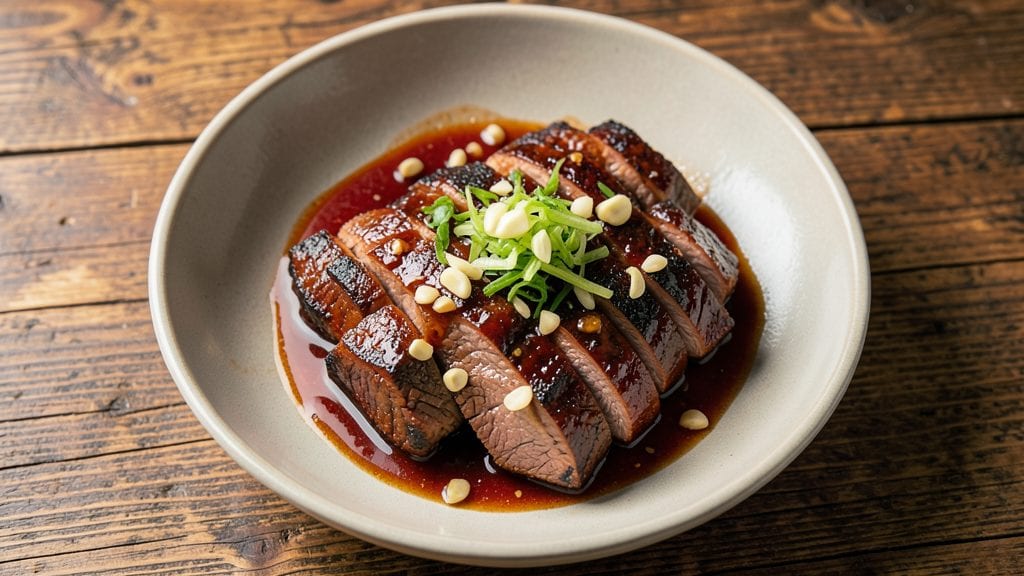
This fermented beef recipe transforms tough cuts into tangy, umami-packed bites that rival high-end steakhouse appetizers—all through precise fermentation and cooking techniques. The process involves a carefully balanced brine that tenderizes while building complex flavors over 24 to 48 hours, resulting in meat that’s irresistibly juicy and deeply savory.
I perfected this method after years of experimenting with traditional Korean jang-jjigae techniques, adapting them for home cooks with modern shortcuts.
The key to success lies in controlling fermentation temperature and time, which determines texture and flavor intensity.
You’ll work with a simple brine of soy sauce, sugar, garlic, and fermented chili paste (or gochujang), then cook the beef using methods like grilling, stewing, or quick-searing to preserve the fermentation’s vibrant tang.
This dish isn’t just about flavor—it’s about texture too, with meat that stays tender yet develops a satisfying bite.
What you’ll end up with is a restaurant-quality appetizer or main course component that’s rich, aromatic, and packed with depth.
The fermentation process creates a natural umami bomb, while the cooking method lets you customize the dish—grilled for smoky char, stewed for hearty richness, or served raw as mentaiko-style bites. Pair it with steamed rice, fresh kimchi, or a crisp Asian slaw to complete the meal.
This recipe delivers foolproof results when you follow the fermentation timeline and cooking instructions closely. Whether you’re hosting a dinner party or craving a bold flavor experience, these fermented beef bites will elevate any table. Let’s get started with the detailed steps to achieve perfect fermentation and cooking every time.
Ingredients for fermented beef
Tough beef transforms into restaurant-worthy bites with this umami-packed fermentation blend.
| Ingredient | Amount | Notes |
|---|---|---|
| Beef Chuck Roast 🥩 | 1 ½ lb | Tough cut, cubed 1-inch pieces |
| Kosher Soy Sauce 🥢 | ½ cup | High-quality, full-bodied brand |
| Granulated Sugar 🍚 | ¼ cup | White or raw cane preferred |
| Garlic Cloves 🧄 | 8 cloves | Peeled, smashed for infusion |
| Gochujang 🌶️ | ¼ cup | Korean fermented chili paste |
| Fresh Ginger 🌿 | ½ cup | Finely grated, peel removed |
| Rice Vinegar 🍶 | ¼ cup | White or seasoned variety |
| Sesame Oil 🫒 | 1 tbsp | Toasted, for aroma |
| Asian Pearl Onions 🧅 | 1 whole | Thinly sliced, for texture |
| Green Onions 🧅 | ¼ cup | Chopped, for garnish |
| Vegetable Oil 🫒 | 2 tbsp | High smoke point for cooking |
| Diamond Crystal Kosher Salt 🧂 | 1 tsp | For seasoning after cooking |
| Black Peppercorns 🌶️ | ½ tsp | Freshly cracked for heat |
The beef cut matters—chuck roast has just enough fat and connective tissue to tenderize beautifully during fermentation. Grab a 1.5 lb piece from the butcher counter (ask for pre-cubed if possible), or cube it yourself into 1-inch pieces—no smaller or they’ll over-ferment. For soy sauce, Kikkoman or Pearl River Bridge brands deliver consistent depth. The sugar isn’t just for sweetness—it helps preserve the meat and kickstart fermentation. Domino or C&H brands work perfectly, but avoid raw cane if you’re sensitive to molasses notes. Gochujang? Dae Yang is the gold standard, but any well-reviewed Korean brand will do.
No gochujang? Substitute 1 tbsp miso paste plus 1 tsp red pepper flakes—it won’t be identical, but you’ll still get that fermented funk. Fresh ginger needs to be peeled and grated (the good stuff, not the jarred kind)—if you’re short on time, freeze the whole knob and grate it frozen for easier peeling. The rice vinegar can be swapped for apple cider vinegar at half the amount, but it’ll taste slightly sharper. For the onions, sub sliced scallions if that’s what’s handy, but pearl onions add that perfect crunch. Sesame oil? Use toasted if available—it adds a nutty aroma that regular sesame oil can’t match.
Fermented beef keeps 5-7 days in the fridge once brined, but the flavor peaks at 48 hours. For long-term storage, freeze the raw brined meat in airtight containers for up to 3 months. After cooking, these bites reheat beautifully—just sear fresh for the best texture. I like to portion the cooked meat into small glass jars with a splash of the fermentation liquid for easy grab-and-go appetizers. The leftovers? Toss them into fried rice or ramen for an instant umami boost.
Why You'll Love This Recipe
- I’ll be real: the marinade does half the work for you. Toss the beef in soy, sugar, and gochujang overnight, then slow-cook it—no constant stirring, no last-minute panics. That’s 20 minutes of active time for a dish that tastes like it simmered all day.
- Ferment First, Stress Later: I’ll be real: the marinade does half the work for you. Toss the beef in soy, sugar, and gochujang overnight, then slow-cook it—no constant stirring, no last-minute panics. That’s 20 minutes of active time for a dish that tastes like it simmered all day.
- Sweet-Spicy Magic: The combo of garlic, fermented gochujang, and sugar creates this unexpected depth—savory, slightly tangy, with a slow-building heat. It’s the kind of flavor that makes people ask, “What’s in this?” while you just smile and say, “Patience.”
- Weeknight to Potluck: Same marinade, endless uses. Shred it for tacos, slice it for sandwiches, or serve it over rice—it’s my go-to for lazy nights and dinner parties. Honestly, I’ve fed a crowd of 10 with one roast, and no one complained.
Step-by-step instructions for fermented beef recipe
Here's the method that transforms tough beef into tender, flavor-packed bites with a perfect tangy kick.
Prepare the Fermenting Marinade
In a mixing bowl, combine the 0.5 cup kosher soy sauce, 0.25 cup granulated sugar, 0.25 cup gochujang, 0.25 cup rice vinegar, 1 tbsp sesame oil, 8 cloves garlic cloves (smashed), and 0.5 cup fresh ginger (finely grated). Whisk until the sugar fully dissolves and the mixture becomes smooth and glossy.
This marinade is where all the magic happens—the kosher soy sauce and gochujang deliver deep umami, while the rice vinegar and granulated sugar create that signature tangy balance. The garlic cloves and fresh ginger infuse their aromatic oils, ensuring every bite carries their bright, fresh character. Let the marinade sit at room temperature for 10 minutes to allow the flavors to meld before using.
Cube and Marinate the Beef
Cut the 1.5 lb beef chuck roast into 1-inch cubes, ensuring each piece is roughly the same size for even cooking. Transfer the beef to a large resealable bag or airtight container and pour the marinade over it, making sure every cube is fully coated. Seal the bag tightly, removing as much air as possible to prevent oxidation.
Massage the bag gently to distribute the marinade evenly. Place the bag in the refrigerator and let it ferment for 12 to 24 hours, turning the bag occasionally to ensure the beef absorbs the flavors uniformly. The longer it ferments, the more tender and complex the flavor becomes, but even 12 hours will yield impressive results. This step is critical—it’s what transforms tough beef into melt-in-your-mouth bites.
Sear the Marinated Beef
Heat 2 tbsp vegetable oil in a large skillet over medium-high heat until it shimmers but isn’t smoking. Remove the beef from the marinade (reserve the marinade for later) and pat the cubes dry with paper towels to ensure a good sear. Working in batches to avoid overcrowding, add the beef to the skillet and cook for 2 to 3 minutes per side until deeply browned and caramelized.
You’ll know it’s ready when the edges are golden brown and the beef releases easily from the pan. The searing step is non-negotiable—it locks in the flavors and creates that irresistible crust. Transfer the seared beef to a plate and set aside, leaving the rendered flavors in the pan for the next step.
Build the Glazed Sauce
Reduce the heat to medium and pour the reserved marinade into the skillet, scraping up any browned bits from the bottom with a wooden spoon. Add the 1 whole asian pearl onions (thinly sliced) and simmer for 3 to 4 minutes until the onions soften slightly and the sauce thickens into a glossy glaze. The onions should be tender but still hold their shape, adding a delicate crunch to each bite.
Taste the sauce and adjust the seasoning with 1 tsp diamond crystal kosher salt and 0.5 tsp black peppercorns (freshly cracked). The glaze should coat the back of a spoon and cling beautifully to the beef. If it’s too thick, add 1 to 2 tablespoons of water to loosen it slightly. This sauce is the soul of the dish—it ties everything together with its rich, tangy, and slightly sweet profile.
Finish and Serve
Return the seared beef to the skillet and toss gently to coat it evenly in the glaze. Cook for an additional 1 to 2 minutes until the beef is heated through and the glaze has fully adhered. Garnish with 0.25 cup chopped green onions just before serving to add a fresh, bright contrast to the deep, fermented flavors.
Serve the fermented beef immediately over steamed rice or noodles, letting the glaze drizzle over the top for maximum impact. The beef should be tender enough to pull apart with a fork, with a crispy exterior and a juicy, flavor-packed interior. Each bite should deliver a perfect balance of tangy, umami, and sweet—proof that fermentation is the secret to elevating simple beef into something extraordinary.
Pro Tips For Making Fermented Beef
- Slice Thin, Not Thick: Cut the beef chuck roast against the grain into ½-inch slices—any thicker and you’ll end up chewing for 20 minutes. I used to skip this, and the texture was all wrong.
- Marinate Overnight (No Less): The fermentation magic happens in 12–24 hours—don’t rush it. I learned this the hard way when I tried a 6-hour marinade and the flavors were half-baked.
- Balance the Heat: Gochujang is bold—use it sparingly at first, then adjust. Too much early on, and the soy and sugar can’t play catch-up. Taste as you go.
- Render Fat First: Sear the beef on high heat until the fat releases, then lower the temp. This locks in moisture and builds flavor—skipping it makes the dish greasy instead of rich.
Perfect pairings for these flavors
Steamed Rice Pairing
Serve your fermented beef over steamed jasmine rice—its delicate floral aroma complements the dish’s bold flavors without overpowering them. I use 2 cups of rice per serving to soak up the tangy glaze while keeping the texture light.
For extra depth, cook the rice with ½ tsp toasted sesame oil and a pinch of salt before steaming. The rice should be fluffy and slightly warm, creating the perfect neutral base. 💛
Kimchi Side Dish
Kimchi is a must-have pairing—its spicy, fermented crunch cuts through the richness of the beef. I recommend store-bought Daesang Kimchi for its balanced heat and tang, or make your own with napa cabbage, gochugaru, and garlic. Serve ¼ cup per person alongside the beef to add texture and a probiotic boost. The acidity in kimchi also enhances the umami in the fermented beef, creating a harmonious bite. 🌶️
Asian Slaw Crunch
A refreshing Asian slaw adds freshness to balance the dish’s depth. Toss 2 cups shredded cabbage with 2 tbsp rice vinegar, 1 tbsp sesame oil, 1 tsp honey, and ½ tsp toasted sesame seeds.
The crisp, slightly sweet slaw contrasts the beef’s richness and adds a satisfying crunch. For extra flavor, sprinkle with ½ tsp toasted black sesame seeds before serving. This side keeps well in the fridge for 3-4 days, making it perfect for meal prep. ✨
Miso Soup Broth
Start your meal with a miso soup to prep your palate for the fermented beef’s bold flavors. Simmer 2 cups dashi stock with 2 tbsp red miso paste, 1 tsp grated ginger, and ¼ cup thinly sliced shiitake mushrooms.
Add soft-boiled eggs or tofu for protein. The umami-rich broth primes your taste buds, making each bite of fermented beef even more impactful. Serve the soup in small bowls to maintain the meal’s elegant presentation. 🍜
Drink Pairings
For beverages, Japanese sake or Asian lager works beautifully. A chilled Yakitori-Style Sake like Suntory Toki enhances the beef’s umami, while a crisp Asahi Super Dry cleanses the palate between bites.
Avoid heavy beers or wines—they’ll clash with the dish’s bright acidity. If you prefer non-alcoholic options, sparkling yuzu soda adds a citrusy lift that complements the fermentation’s tang. 🍶
Garnish Finishing Touches
Elevate your plating with quick-pickled radishes or thinly sliced cucumbers for color and acidity. Drizzle the beef with extra sesame oil and sprinkle with toasted sesame seeds right before serving. A few crispy fried shallots add texture and a nutty aroma.
These finishing touches turn your dish into a visually stunning, restaurant-worthy presentation that’s just as delicious as it looks. 💡
Nutrition facts
Frequently asked questions
Can I use a different cut of beef for this fermented recipe?
You can try flank steak or sirloin for quicker fermentation (aim for 12-18 hours), but chuck roast is ideal because its fat and collagen break down beautifully during fermentation. For leaner cuts like top round, add 1 tbsp extra sesame oil to the marinade to prevent drying out.
How do I know when the fermentation is done?
The beef is ready when it’s tender enough to pierce with a fork and develops a slightly sour aroma (like pickles). For 12 hours, it’ll be mild and slightly sweet; at 24 hours, the tang intensifies. Never exceed 48 hours or the meat may become mushy. Taste-test a small piece before cooking!
What if I don’t have gochujang? Can I substitute?
Yes! Mix 1 tbsp miso paste + 1 tsp red pepper flakes + 1 tsp honey for a similar fermented heat. For a milder version, use 1 tbsp sriracha + 1 tsp soy sauce. The flavor won’t be identical, but it’ll still deliver that tangy kick.
Can I ferment the beef at room temperature instead of the fridge?
No—fermenting at room temperature risks bacterial growth and spoilage. Always use the refrigerator (below 40°F) for safety. If you’re short on time, ferment for 6 hours at room temp first, then move to the fridge for the remaining 18-24 hours. This speeds up flavor development while keeping it safe.
How long will the cooked fermented beef keep in the fridge?
Store cooked beef in an airtight container for up to 5 days. The flavors deepen over time, but texture may soften after 3 days. For longer storage, freeze portions for up to 3 months. Reheat gently in a skillet or microwave until steaming hot.