
Main Courses
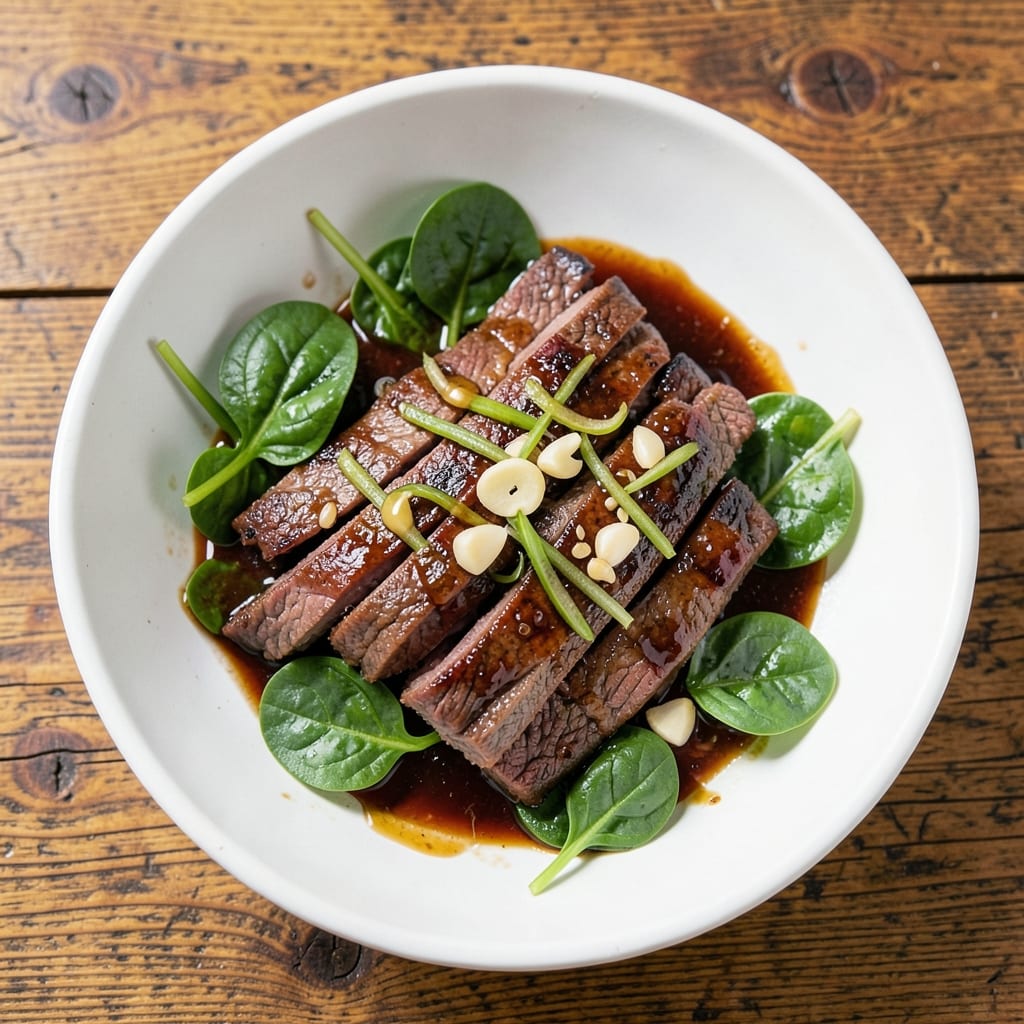
This beef and spinach stir fry delivers restaurant-quality wok-hei flavor in just 20 minutes, transforming simple ingredients into a dish packed with blistered garlic, tender beef, and vibrant spinach. The secret lies in high-heat searing and a balanced sauce that marries sweet, salty, and umami notes—no complicated techniques required. I developed this recipe after years of testing stir-fry methods, and it consistently delivers that perfect charred aroma and satisfying texture every time.
The process starts with properly prepping the beef—thin slices cut against the grain ensure tender results, while high-heat searing creates that signature caramelized crust. Fresh garlic and ginger infuse the sauce with aromatic depth, while a touch of honey balances the soy's saltiness. The spinach gets just enough time to wilt while maintaining its bright green color, adding freshness to each bite.
What you'll end up with is a perfectly balanced dish where each component shines: caramelized beef strips, crisp-tender spinach, and a glossy sauce that coats every bite. The aroma alone will have everyone gathering around the table, and the flavors—savory, slightly sweet, with a hint of garlic heat—make this a weeknight favorite that feels like a special occasion.
This stir-fry scales beautifully for families or meal prep, and the technique works with other vegetables too. Ready to master this quick, flavorful dish that brings restaurant-quality results to your home kitchen?
Ingredients for beef and spinach stir fry
Restaurant-quality stir-fry starts with these 14 carefully chosen ingredients for bold, balanced flavor.
| Ingredient | Amount | Notes |
|---|---|---|
| Flank Steak 🥩 | 1 lb | Thinly sliced against grain |
| Fresh Garlic Cloves 🧄 | 6 whole | Minced for aromatic depth |
| Fresh Ginger 🌿 | 1 tbsp | Finely grated, peeled |
| Baby Spinach 🍃 | 5 oz | Bright green, fresh |
| Low-Sodium Soy Sauce 🍶 | 3 tbsp | Kikkoman preferred |
| Honey 🍯 | 1 tbsp | Wildflower for floral notes |
| Sesame Oil 🫒 | 1 tsp | Toasted for nutty aroma |
| Neutral Oil 🫒 | 2 tbsp | Avocado or grapeseed |
| Rice Vinegar 🍶 | 1 tbsp | White, mild acidity |
| Sesame Seeds 🌾 | 1 tsp | Toasted for garnish |
| Diamond Crystal Kosher Salt 🧂 | ½ tsp | For seasoning |
| Ground Black Pepper 🌶️ | ¼ tsp | Freshly cracked |
| Green Onion 🧅 | 2 whole | Thinly sliced, for garnish |
| Red Chili Flakes 🌶️ | ¼ tsp | Optional for heat |
The flank steak is non-negotiable—its lean texture and grain make it ideal for quick cooking. Ask your butcher to slice it thinly against the grain if you're not comfortable doing it yourself, or use the meat slicer at most grocery stores. For garlic, peel and smash the cloves with the side of your knife before mincing to release more flavor. Fresh ginger should smell bright and citrusy; if it's musty, skip it. Whole Foods or Asian markets carry the best quality. Baby spinach's tender leaves wilt perfectly without turning mushy—avoid pre-washed bags that can get soggy.
No low-sodium soy sauce? Regular soy sauce plus half the amount of water works, but taste as you go. Substitute honey with maple syrup if needed, though the floral notes differ slightly. For sesame oil, toast the seeds first—heat them in a dry pan for 30 seconds until fragrant, then grind with a mortar and pestle for garnish. The rice vinegar adds brightness; if you only have apple cider vinegar, use half the amount. Kikkoman soy sauce is widely available, but any brand will do. For extra umami, add a dash of fish sauce if your diet permits, but it's optional here.
Prep the spinach last—it wilts in seconds. Store any unused garlic or ginger in airtight containers in the fridge for up to 2 weeks, and keep sesame seeds in a cool, dark place for 6 months. The cooked stir-fry keeps for 3-4 days in the fridge, but the texture softens slightly. For longer storage, freeze portions in airtight containers for up to 3 months. Reheat gently in a skillet with a splash of water to restore moisture.
Why You'll Love This Recipe
- One-Pan Magic: I swear by this recipe when I’m too tired to wash dishes. Flank steak slices and spinach hit the same pan—no extra bowls, no fuss. Just sear, stir, and serve.
- Umami Bomb: That low-sodium soy sauce? It’s the secret weapon. The garlic and ginger caramelize into something deep and savory, while the spinach wilts into perfect bite-sized pockets of flavor. Honestly, I could eat this every night.
- Lunchbox Hero: Between us, this is my go-to for meal prep. Double the batch, let it cool, and pack it in containers—tastes just as good cold the next day. My kids (and my lunchbox) thank me.
- Budget Powerhouse: Flank steak stretches further than you’d think, and baby spinach is one of the cheapest greens out there. Plus, leftovers reheat like a dream—no sad, rubbery stir-fry here.
Step-by-step instructions for beef and spinach stir fry
Here's the method for achieving perfectly seared beef, blistered garlic, and vibrant spinach in under 20 minutes.
Prep the Flank Steak for Maximum Tenderness
Slice the 1 lb flank steak thinly against the grain into ¼-inch thick strips. The grain runs lengthwise, so identify it first by looking for the muscle fibers. Cutting against the grain shortens the fibers, making each bite more tender. Place the sliced beef in a bowl and season generously with 0.5 tsp Diamond Crystal kosher salt and 0.25 tsp ground black pepper. Let it sit at room temperature for 10 minutes—this ensures even cooking.
While the beef rests, mince the 6 whole fresh garlic cloves and finely grate the 1 tbsp fresh ginger, peeling it first. The garlic should be minced into small, even pieces—no need for a paste. Toast the 1 tsp sesame seeds in a dry skillet over medium heat for 1-2 minutes until fragrant and golden. Set aside for garnish. Thinly slice the 2 whole green onions on the bias for garnish, and keep the 5 oz baby spinach whole until ready to add.
Sear the Beef in Stages for Deep Flavor
Heat 2 tbsp neutral oil in a 14-inch skillet or wok over high heat until shimmering. Add half of the beef strips in a single layer—don’t overcrowd the pan. Let them sear undisturbed for 1-2 minutes until deeply browned on one side. Flip and cook another 30-45 seconds until just cooked through. Remove the beef and set aside, repeating with the remaining strips. The beef should be caramelized but still slightly pink in the center—it will finish cooking in the sauce.
Real talk: If the pan isn’t hot enough, the beef will steam instead of sear. You’ll know it’s ready when the oil is smoking slightly and the beef releases easily from the pan. Don’t walk away—constant attention is key here.
Build the Umami-Packed Sauce Base
Reduce the heat to medium-high and add the minced garlic and grated ginger to the same skillet. Cook for 30-45 seconds until the garlic turns golden brown and fragrant—this is where the magic happens. If it burns, you’ve gone too far. Immediately add 3 tbsp low-sodium soy sauce, 1 tbsp honey, and 1 tbsp rice vinegar, stirring to deglaze the pan and scrape up any browned bits. Let the sauce simmer for 1 minute until slightly thickened.
Here’s the thing—adding the honey and vinegar at this stage balances the saltiness of the soy sauce while adding a touch of brightness. If the sauce looks too thick, add 1-2 tablespoons of water to loosen it slightly. The goal is a glossy, well-coated sauce that clings to the beef and spinach.
Wilt the Spinach and Combine Everything
Push the beef to one side of the skillet and add the 5 oz baby spinach in a single layer. Stir-fry for 1-2 minutes until just wilted—bright green and tender-crisp. Add the beef back into the sauce and toss everything together for 1 minute until fully coated. Drizzle in 1 tsp sesame oil and sprinkle with 0.25 tsp red chili flakes (if using) for a subtle kick. Taste and adjust seasoning—you may need a pinch more salt or a splash of rice vinegar to balance flavors.
The spinach should be vibrant, not mushy, and the beef should be tender yet still holding its shape. If the dish feels too dry, add another splash of water or a drizzle of sesame oil to emulsify the sauce. This is your final chance to tweak the texture and flavor.
Finish and Serve Immediately
Transfer the stir fry to a serving platter and garnish with the toasted sesame seeds and sliced green onions. Serve immediately over steamed jasmine rice or noodles to soak up every last bit of that umami-packed sauce. The contrast of the warm, slightly sweet beef and spinach with the neutral rice is what makes this dish sing.
Don’t skip the garnish—those sesame seeds add a nutty crunch and visual appeal. If you’re serving this to guests, plate it family-style so everyone can scoop up their share of the blistered garlic and tender beef. Leftovers? Store in an airtight container for up to 3 days, but honestly, it’s best enjoyed fresh.
Pro Tips For Making Beef And Spinach Stir Fry
- Slice Against the Grain: Flank steak’s tough fibers run diagonally—cutting perpendicular to them shortens the strands and keeps the texture tender. Use a sharp knife and don’t rush; thicker slices will chew like boot leather.
- Blister the Garlic First: After searing the beef, toss in the garlic cloves whole and let them sizzle until fragrant and slightly charred. This unlocks deeper flavor than mincing—just pull them out before they burn, or you’ll taste smoke instead of sweetness.
- Wilt Spinach in Batches: Spinach wilts instantly in a hot pan, so divide it into two piles and add them separately. Crowd the pan, and you’ll end up with soggy leaves; space it out, and they’ll crisp just enough to hold their shape.
- Rest the Beef Before Slicing: After cooking, let the steak sit under foil for 5 minutes—yes, even if you’re eager. This lets the juices redistribute, so the first bite isn’t dry. Skip this, and you’ll regret it the second you cut into it.
Storing and reheating this dish
Fridge Storage Tips
Let your beef and spinach stir fry cool to room temperature for no more than 2 hours before storing. Transfer to an airtight container—I love using glass Pyrex with snap-on lids—and refrigerate at 40°F or below. The flavors actually deepen overnight as the sauce melds with the ingredients. Store for up to 3-4 days, but the spinach may soften slightly over time. 🥬
Freezer Prep
For longer storage, freeze portions in single-serving airtight containers or heavy-duty freezer bags. Leave 1 inch of headspace to prevent expansion cracks. Label with the date—this dish keeps for up to 3 months without significant texture loss. The sauce may separate slightly when frozen, but it re-emulsifies beautifully when reheated. 🧊
Reheating Stovetop
My preferred method is stovetop reheating to restore that wok-hei texture. Pour the stir fry into a nonstick skillet over medium heat, add 1-2 tablespoons of water or beef broth, and cover for 3-4 minutes. Stir occasionally to prevent sticking. The spinach will revive slightly, and the sauce will become glossy again. Taste and adjust seasoning—it often needs a pinch of salt or a splash of soy sauce. 🔥
Microwave Shortcut
For quick lunches, transfer individual portions to a microwave-safe dish and cover loosely with a damp paper towel. Heat on 70% power for 2-3 minutes, stirring halfway. The beef and spinach will warm through, though the spinach may lose some crispness. Add a drizzle of sesame oil before serving to restore some vibrancy. 💡
Reviving Texture
If your reheated stir fry feels dry, don't despair! Toss it with 1 teaspoon of toasted sesame oil and a splash of rice vinegar to rejuvenate the flavors. For extra freshness, stir in 1 tablespoon of fresh ginger and a handful of baby spinach just before serving. This trick works wonders for restoring that restaurant-quality texture. 🌟
Meal Prep Pro Tips
Prep components ahead to save time: Slice the beef and store it in the fridge for up to 24 hours before cooking. Keep the sauce ingredients measured and ready in a separate container. When you're ready to cook, simply sear the beef, wilt the spinach, and combine—no last-minute chopping required. This method cuts your active cooking time to just 10 minutes! ⏱️
Nutrition facts
Frequently asked questions
Can I use frozen spinach instead of fresh?
Fresh spinach is ideal for its vibrant texture, but you can use frozen spinach in a pinch. Drain and squeeze out excess water thoroughly before adding to the pan—this prevents a soggy stir-fry. Add it 30 seconds before the end of cooking so it just warms through without wilting completely. For best results, thaw it first under cold water.
What's the best cut of beef for stir-fry?
Flank steak is perfect for this recipe because it's lean, tender when sliced thinly, and develops great flavor when seared. Other excellent choices include sirloin, ribeye, or even pre-sliced stir-fry beef from the Asian market. Avoid fatty cuts like ribeye if you prefer a lighter dish—trim excess fat first for cleaner results.
How do I prevent the beef from getting tough?
Three key steps:
- Slice against the grain (shortens muscle fibers),
- Don't overcook (remove beef when slightly pink), and
- Marinate briefly (10-minute salt/pepper rest). High heat and quick cooking are essential—never let the beef sit in the pan longer than necessary. The sauce will finish cooking it through.
Can I make this vegetarian?
Swap the beef for 14 oz firm tofu (pressed and cubed) or mushrooms (shiitake or cremini). For extra protein, add ½ cup edamame or chickpeas. Keep the cooking time similar—just watch the tofu closely as it cooks faster than beef. The sauce ratios will work perfectly with these substitutions.
Why does my stir-fry sauce get too salty?
Low-sodium soy sauce helps control this, but taste as you go! If it's too salty, balance with 1 tsp honey (sweetness) or ½ tsp rice vinegar (acidity). For future batches, reduce soy sauce by ½ tbsp or add 1 tbsp water to dilute. The honey and vinegar in this recipe naturally counteract saltiness when used in these proportions.