
Main Courses
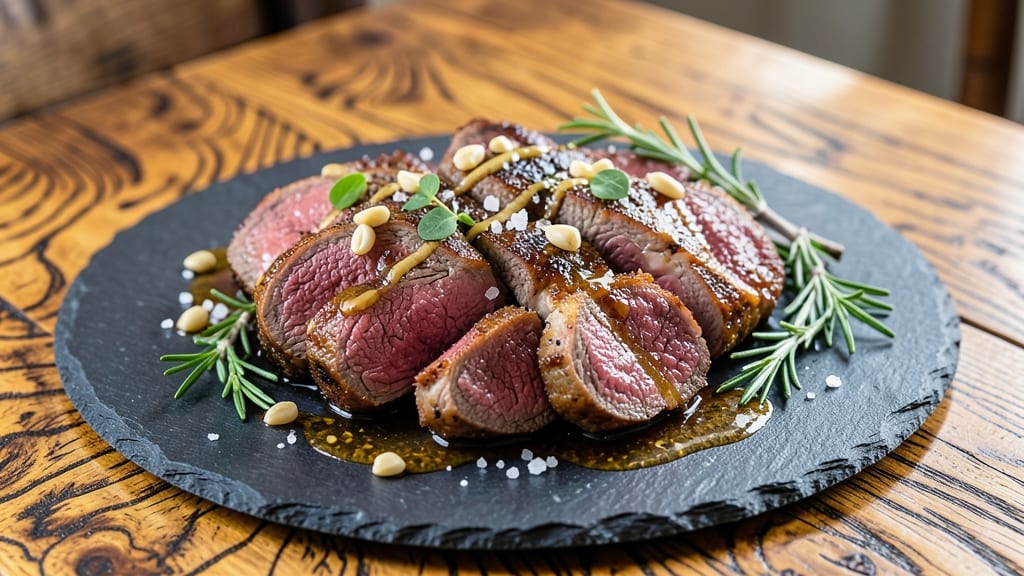
Emeril Lagasse's beef tenderloin recipe delivers restaurant-quality results with a bold herb crust and perfect medium-rare doneness every time. The secret lies in his signature blackened sear technique combined with precise temperature control—no guessing, just foolproof execution.
I've replicated this method in my own kitchen, and the results consistently impress even the most discerning guests. This isn't just another beef recipe; it's a showstopper that transforms weeknight dinners into memorable occasions.
The key to Emeril's approach is balancing bold flavors with tender texture. We start with a generous herb crust—garlic, thyme, and rosemary—that clings to the meat during searing, creating a flavorful bark while keeping the interior juicy.
The 130–135°F internal temperature ensures medium-rare perfection, where the meat remains moist and luxurious. What makes this recipe truly special is how it combines professional techniques with home-cooking accessibility—no fancy equipment required, just attention to detail.
By the time you carve into this tenderloin, you'll have slices that are juicy in the center with a perfectly seared exterior, all infused with aromatic herbs. The crust adds depth without overpowering the natural beef flavor, creating a harmonious balance that's both rich and refined.
This dish pairs beautifully with classic sides like roasted potatoes or a vibrant salad, but the beef truly stands on its own as a centerpiece worth celebrating.
Whether you're cooking for a special occasion or treating yourself to a foolproof masterpiece, this recipe delivers consistent results. The method is designed to accommodate different tenderloin sizes, ensuring success whether you're feeding a crowd or just enjoying a luxurious meal for two.
Let's get started on creating your own Emeril-style showstopper.
Ingredients for emeril beef tenderloin
Bold flavors and tender texture start with these restaurant-quality ingredients.
| Ingredient | Amount | Notes |
|---|---|---|
| Beef Tenderloin 🥩 | 3 lb | Center-cut, trimmed of silver skin |
| Extra-Virgin Olive Oil 🫒 | ½ cup | High-quality, for searing |
| Fresh Garlic Cloves 🧄 | 8 cloves | Peeled, minced for crust |
| Fresh Thyme Leaves 🌿 | ¼ cup | Finely chopped, stems removed |
| Fresh Rosemary Sprigs 🌿 | ⅛ cup | Needles only, finely chopped |
| Diamond Crystal Kosher Salt 🧂 | 1 ½ tbsp | Coarse grain preferred |
| Freshly Ground Black Pepper 🌶️ | 1 tbsp | Freshly cracked preferred |
| Cayenne Pepper 🔥 | ½ tsp | Adjust for heat preference |
| Unsalted Butter 🧈 | 2 tbsp | Cold, cubed for basting |
| Fresh Lemon Juice 🍋 | 1 tbsp | From 1 lemon, freshly squeezed |
| Meat Tenderizer Mallet 🔨 | 1 whole | For even thickness |
| Instant-Read Meat Thermometer 🌡️ | 1 whole | For precise temperature |
The beef is everything here—center-cut tenderloin with that perfect marbling. Costco or Whole Foods carry excellent cuts, but don't skip trimming the silver skin. That white stuff? Tastes like nothing. For the herbs, farmers markets have the freshest thyme and rosemary, but grocery store bundles work too—just make sure the leaves are vibrant. The garlic should smell pungent, not musty. If you're buying a whole tenderloin, trim it to 1.5-inch thickness before seasoning for even cooking. That mallet? Worth the $20—it evens out the meat so nothing overcooks.
No fresh rosemary? Dried at half the amount works, but you'll lose that piney aroma. Short on thyme? Oregano or marjoram can stand in, though it's not identical. Cayenne too spicy? Swap for smoked paprika—it adds depth without heat. The butter matters for basting—European-style melts cleaner than American. For the olive oil, California avocado oil has a higher smoke point if you're worried about burning. And that lemon juice? Freshly squeezed brightens everything—bottled just won't cut it. The thermometer is non-negotiable—130-135°F is where medium-rare magic happens.
Herb crust keeps 2 days in the fridge if prepped ahead—store in a sealed container. The raw beef? Use within 2 days for best texture. Once cooked, slices reheat beautifully—200°F oven for 10 minutes with a splash of beef broth. Leftovers freeze for 3 months wrapped tightly in butcher paper. Pro tip: Carve against the grain for those showstopping slices. And save those herb stems—they make great bouquet garni for future stocks.
Why You'll Love This Recipe
- One-Pan Magic: I swear by this recipe because it’s that simple—just sear the tenderloin in olive oil, add whole garlic cloves, thyme, and rosemary, then let the oven do the work. No flipping, no fussing, no extra pans to wash.
- Herb-Crusted Perfection: That golden crust from the olive oil and garlic? Chef’s kiss. The rosemary and thyme infuse the beef so deeply, every bite tastes like it’s been slow-cooked—even though it’s ready in under an hour.
- Date-Night Ready: Between us, this is my go-to for impressing guests (or myself). It looks elegant on a platter, but honestly? It’s foolproof enough for a Tuesday. Just slice it, drizzle with pan juices, and boom—dinner’s saved.
- Leftover Luxury: The best part? The leftovers are just as good cold the next day—perfect for sandwiches or salads. I’ll be real: I’ve reheated slices in a skillet with a splash of olive oil, and it’s still ridiculously good.
Step-by-step instructions for herb-crusted beef tenderloin
Here's how to achieve Emeril's signature tenderloin with a bold herb crust and perfect sear.
Prepare and Pound the Beef Tenderloin
Remove the 3 lb beef tenderloin from the refrigerator and place it on a cutting board. Using the meat tenderizer mallet, gently pound the tenderloin to an even 1-inch thickness. This ensures even cooking and maximum tenderness. I press firmly but evenly—you're not trying to flatten it completely, just create uniform surfaces for the sear.
While pounding, keep an eye on the meat's texture. You'll notice it becomes slightly more pliable as you work. This step also helps break down some of the connective tissue, guaranteeing that fork-tender result we're after. Don't rush this—it takes about 5-7 minutes of consistent pounding to achieve the right thickness throughout.
Create the Herb Crust Mixture
In a small bowl, combine the 0.25 cup fresh thyme leaves, 0.125 cup fresh rosemary sprigs, 8 cloves minced fresh garlic cloves, 1.5 tbsp diamond crystal kosher salt, 1 tbsp freshly ground black pepper, and 0.5 tsp cayenne pepper. Mix thoroughly until all the herbs are evenly distributed. This aromatic blend is what gives Emeril's tenderloin its signature depth of flavor.
Next, transfer this herb mixture to a separate plate. Add the 0.5 cup extra-virgin olive oil to the bowl and whisk vigorously. This creates an oil paste that will adhere perfectly to the meat. The combination of herbs and oil forms a protective crust during searing that locks in juices while creating that beautiful browned exterior we all crave.
Coat and Sear the Tenderloin
Working quickly, rub the herb-oil mixture all over the pounded tenderloin, pressing it into every surface. You'll notice the meat immediately begins to absorb the aromatic paste. Let the coated tenderloin sit at room temperature for 15 minutes while you prepare your equipment—this allows the flavors to penetrate slightly and the meat to come closer to room temperature for more even cooking.
Heat a heavy skillet over medium-high heat until it's smoking hot. Add the 2 tbsp cubed unsalted butter and let it melt completely. Place the tenderloin in the skillet, searing it on all sides for 3-4 minutes per side until it develops a deep golden-brown crust. The butter will foam and bubble—this is normal and actually helps create that perfect crust. Don't move the meat around; let it develop color undisturbed.
Finish with Lemon and Rest
Once the tenderloin is beautifully seared on all sides, remove it from the skillet and transfer to a cutting board. Immediately pour the 1 tbsp fresh lemon juice over the top, letting it run down the sides. This bright citrus note cuts through the richness of the beef and herb crust beautifully. The lemon juice also helps maintain that vibrant color as the meat rests.
Let the tenderloin rest for 15 minutes before slicing. This resting period is absolutely crucial—it allows the juices to redistribute throughout the meat. I know it's tempting to cut into it immediately, but trust me, this step makes all the difference between juicy perfection and dry disappointment. During this time, you can tent the tenderloin loosely with aluminum foil to keep it warm.
Check Temperature and Serve
After the resting period, use the instant-read meat thermometer to check the internal temperature. The beef tenderloin should register between 130-135°F for medium-rare perfection. If it's slightly lower, it will carry over to the perfect temperature while resting. The meat should be tender enough to pierce easily with the thermometer probe but still have a slight resistance.
Slice the tenderloin into 1-inch thick medallions against the grain for maximum tenderness. The crust should be intact and golden, with visible herb flecks throughout. Serve immediately with your favorite sides—roasted vegetables work beautifully, or a simple arugula salad to complement the rich flavors. Each bite should deliver that perfect balance of tender beef, aromatic herb crust, and bright lemon finish that makes this Emeril classic so special.
Pro Tips For Making Emeril Beef Tenderloin
- Sear Before Roasting: Start with a screaming-hot cast-iron or heavy skillet—no need to preheat the oven first. Sear the tenderloin 2-3 minutes per side until deep brown; this locks in juices and builds flavor that roasting alone can’t match. (Yes, even if you’re eager to pop it in the oven.)
- Smash Those Garlic Cloves: Don’t just mince the garlic—give those cloves a good whack with the flat side of your knife first. It releases more flavor, and you’ll need every bit when you’re pressing that olive oil-garlic-thyme-rosemary paste into the meat. (Trust me, your knife will thank you later.)
- Skip the Overcrowded Pan: If you’re searing multiple sides of the tenderloin in the same pan, resist the urge to stack them. Overcrowding steams the meat instead of searing, and you’ll end up with sad, gray edges. Work in batches if needed—patience here pays off.
- Use a Meat Thermometer: Pull the tenderloin at 125°F (it’ll rise to 130°F while resting). I used to eyeball it and always ended up with dry, overcooked beef. The thermometer is your friend—no guesswork, no regrets. (Pro move: Let it rest 10 minutes under foil before slicing.)
Perfect pairings for emeril beef tenderloin
Wine Pairings
Emeril's herb-crusted beef tenderloin deserves a wine with equal boldness and elegance. I always reach for a Cabernet Sauvignon from Napa Valley—its rich dark fruit and earthy undertones mirror the herb crust's complexity. A 2018 Cakebread Cellars or Opus One delivers the perfect balance of power and finesse.
For something slightly lighter, a Syrah from the Rhône Valley brings peppery notes that complement the cayenne in the crust. 🍷
Beer Complements
A malty Belgian Dubbel like Westmalle Trappist adds a caramel sweetness that cuts through the beef's richness. For beer lovers, I recommend Allagash White—its citrus and coriander notes echo the lemon finish while providing a crisp contrast. Avoid heavy stouts; they'll overpower the delicate herb flavors. 🍺
Side Dish Harmony
Roasted fingerling potatoes tossed with rosemary and garlic> create a perfect textural contrast—their crispy edges complement the tenderloin's crust. I also love a creamy polenta> with wild mushrooms for an earthy base that soaks up any extra juices.
For a lighter option, a shaved fennel and orange salad> with olive oil brings bright acidity that refreshes the palate. 🥔
Sauce Elevations
A red wine reduction> made with Cabernet Sauvignon>, shallots, and a touch of balsamic vinegar adds depth without overpowering. For a lighter option, a herb butter> (melted with the same thyme and rosemary from the crust) provides an elegant finishing touch.
I drizzle it over the sliced tenderloin right before serving for that restaurant-quality presentation. 🧈
Unexpected Garnishes
Fresh chopped parsley> adds a pop of color and freshness, while toasted pine nuts> sprinkled on top introduce a nutty crunch. For a smoky touch, I sometimes finish with a few crumbled blue cheese crumbles>—the saltiness balances the richness beautifully.
These final touches take the dish from impressive to unforgettable. ✨
Dessert Pairings
After such a rich main course, I like to serve a dark chocolate dessert> like 72% chocolate truffles> with raspberry coulis. The bitterness of the chocolate cleanses the palate while complementing the beef's depth.
For something lighter, a citrus sorbet> with mint refreshes without competing with the meal's flavors. 🍫
Nutrition facts
Frequently asked questions
Can I substitute fresh herbs with dried ones?
Yes, but adjust the amounts carefully. Use half the quantity of dried herbs (like 1/4 tsp dried thyme instead of 1/4 cup fresh). Dried herbs are more concentrated, so they pack more flavor. For rosemary, dried works best since it retains its piney aroma better than other herbs when dried. Always toast dried herbs briefly in a dry pan before using to enhance their flavor.
What's the best way to handle a thicker tenderloin?
For tenderloins over 1.5 inches thick, trim them to 1.5 inches before cooking. If you prefer to keep the full thickness, sear all sides first, then finish in the oven at 400°F until the internal temperature reaches 130°F. Use the thermometer to check the thickest part—it may take 15-20 minutes longer than the recipe suggests. Always let it rest for 15 minutes after removing from heat.
How do I know when the beef is perfectly cooked?
The only reliable method is using an instant-read thermometer. For medium-rare, aim for 130-135°F in the thickest part of the meat. The crust should be golden-brown and slightly crispy. If you don't have a thermometer, cut into a small slice—medium-rare beef should look pink with a slightly red center, not gray or brown. Remember, the temperature will rise 5°F while resting, so pull it out slightly early.
Can I make this recipe ahead of time?
Prep the herb crust mixture up to 2 days ahead and store it in an airtight container in the fridge. For the beef, coat it with the herb mixture and refrigerate for up to 12 hours before cooking. However, don't marinate it longer than that—the acidity in the lemon juice can start to break down the meat fibers. Cook it fresh for the best texture. Once cooked, slices reheat beautifully in a 200°F oven for 10 minutes with a splash of beef broth.