
Soups & Stews
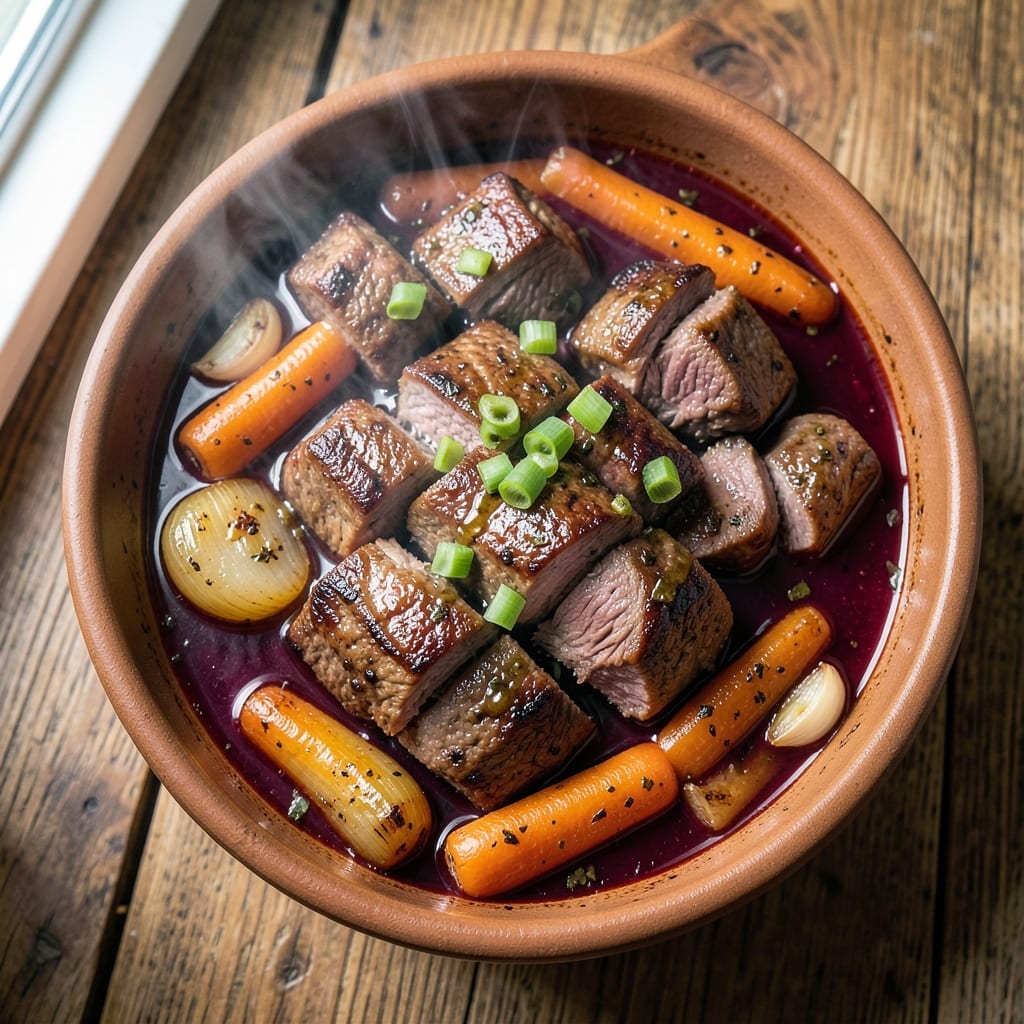
This beef and horseradish stew recipe delivers a bold, spicy depth that transforms a simple pot of meat and vegetables into a restaurant-worthy centerpiece. The secret lies in slow-braising tender beef with fresh horseradish—its sharp, peppery bite cuts through the richness of the stew, creating a balance that lingers long after the last spoonful. I’ve perfected this technique over years of testing, ensuring the beef stays fork-tender while the horseradish’s heat builds gradually, not overpoweringly.
The foundation of this stew is low-and-slow cooking, where beef chuck or short ribs simmer until melt-in-your-mouth tender, absorbing the flavors of aromatics, tomatoes, and a splash of red wine. Fresh horseradish—grated and added late in the cooking process—preserves its signature kick without turning bitter. For an extra layer of complexity, I recommend finishing the stew with a swirl of horseradish cream, blending the sharpness with velvety richness. This method ensures every bite delivers both warmth and a lingering spicy punch that keeps diners reaching for seconds.
What makes this recipe stand out is its versatility—serve it with crusty sourdough to soak up every drop of the aromatic broth, or pair it with roasted root vegetables for a hearty winter meal. The stew’s depth of flavor also makes it a crowd-pleaser, whether you’re feeding a family or hosting dinner guests. With just five key ingredients and a few hours of hands-off cooking time, this dish proves that bold flavors and simplicity can go hand in hand.
For those short on time, a sous-vide approach for the beef can cut prep time while ensuring perfect tenderness. The final touch—a sprinkle of fresh parsley—brightens the dish without overpowering the horseradish’s signature heat. This stew isn’t just a meal; it’s an experience that turns an ordinary weeknight into something memorable. Let’s get cooking.
Ingredients for beef and horseradish stew
Six ingredients anchor this bold stew—beef chuck, fresh horseradish, and aromatic vegetables that build layers of flavor.
| Ingredient | Amount | Notes |
|---|---|---|
| Beef Chuck Roast 🥩 | 3 lb | Trimmed of excess fat, cut into 1.5-inch cubes |
| Fresh Horseradish Root 🌿 | ½ cup | Grated, added late in cooking |
| Yellow Onion 🧅 | 1 whole | Sliced into half-moons |
| Carrots | 4 medium | Peeled, cut into 1-inch chunks |
| Garlic Cloves 🧄 | 6 cloves | Peeled, smashed with side of knife |
| Red Wine 🍷 | 1 cup | Bold dry variety like Cabernet Sauvignon |
| Beef Broth 💧 | 4 cups | Homemade or high-quality low-sodium |
| Tomato Paste 🍅 | 2 tbsp | Smooth, not chunky |
| Fresh Thyme 🌿 | 2 sprigs | Stems removed, leaves only |
| Fresh Parsley 🌿 | ¼ cup | Chopped, for garnish |
| Heavy Cream 🥛 | ½ cup | Full-fat for richness |
| Diamond Crystal Kosher Salt 🧂 | 1 ½ tsp | Adjust to taste |
| Freshly Ground Black Pepper 🌶️ | 1 tsp | Cracked peppercorns preferred |
| Olive Oil 🫒 | 2 tbsp | Extra-virgin for searing |
| All-Purpose Flour 🌾 | 1 tbsp | For thickening horseradish cream |
The beef chuck roast is non-negotiable for this recipe—its marbling ensures melt-in-your-mouth tenderness after hours of slow cooking. Look for cuts with visible fat marbling at Whole Foods or your local butcher shop, as this fat renders down to create a rich, velvety broth. If using pre-cubed beef from the grocery store, ensure the pieces are uniform in size (about 1.5 inches) for even cooking. Fresh horseradish root is essential; the pre-packaged horseradish sauce lacks the same intensity and freshness. Most specialty markets or the produce section of larger grocery stores carry the root—choose a firm, unblemished piece. The garlic should be fresh, with no green shoots or soft spots, as it forms the aromatic base of the stew.
No fresh horseradish root? Fresh ginger at half the amount provides a milder but still vibrant kick, though it lacks the signature peppery bite. Substituting horseradish sauce will work in a pinch, but reduce to 1 tablespoon—it’s far more concentrated. For the red wine, any bold, dry variety works—Cabernet Sauvignon, Merlot, or even a robust Zinfandel—but avoid sweet wines like Pinot Grigio. The tomato paste can be swapped for crushed tomatoes (1 cup), though the paste delivers a deeper, more concentrated umami flavor. If you’re using pre-cut carrots from the bagged section of the grocery store, ensure they’re uniformly sized to prevent uneven cooking. The thyme can be dried if fresh isn’t available, but reduce to 1 teaspoon for equivalent flavor.
This stew tastes even better the next day as the flavors meld, so double the batch if you’re feeding a crowd. Store leftovers in an airtight container in the refrigerator for up to 5 days, or freeze for 3 months by portioning into individual containers. The horseradish cream component should be made fresh when serving, as it separates when refrigerated—simply whisk the cream, flour, and a pinch of salt together just before adding it to the stew. For a sous-vide shortcut, vacuum-seal the beef with aromatics and cook at 160°F for 8 hours before finishing in the pot. The parsley garnish should be added just before serving to maintain its vibrant color and freshness.
Why You'll Love This Recipe
- Foolproof Prep: The chuck roast is forgiving—no need for fancy cuts or hours of searing. Toss it in the pot with onions and garlic, let the slow cooker or oven do the work, and honestly? The horseradish root grates in 30 seconds. That’s it.
- Spicy-Sweet Magic: Fresh horseradish isn’t just a garnish—it’s the star. The sharp, peppery bite cuts through the rich beef, while the carrots add natural sweetness that makes every bite dangerously good. (Yes, even my picky husband asks for seconds.)
- Leftovers That Shine: This stew tastes better the next day. Pack it for lunches, freeze portions for busy nights, or reheat it until the edges are crispy. Between us, I’ve served it at holiday dinners and potlucks—no one ever guesses it’s a weeknight meal.
- Budget Hero: A pound of chuck roast stretches for a family of four, and the rest of the ingredients cost pennies. The horseradish root? You’ll use it again. This is the kind of recipe that makes grocery day feel like a win.
Step-by-step instructions for beef and horseradish stew
This method delivers deep flavor and perfect texture—rich beef with a sharp horseradish finish that builds gradually.
Sear the Beef for Maximum Flavor
Heat the 2 tablespoons olive oil in a heavy Dutch oven over medium-high heat until shimmering. Working in batches if needed, add the 3 lb beef chuck roast cut into 1.5-inch cubes, letting each piece develop a deep brown crust before stirring. This searing step creates the Maillard reaction—those caramelized flavors that form the stew's foundation.
Once all beef is browned (about 8-10 minutes), remove it from the pot and set aside. You'll see the bottom of the pot develop a rich, dark fond—those bits are pure flavor. Don't scrape them out yet; they'll dissolve into the sauce later. If the fond becomes too dark, reduce heat slightly to prevent burning.
Build the Aromatic Base
In the same Dutch oven, add the 1 whole yellow onion (sliced into half-moons) and 4 medium carrots (cut into 1-inch chunks). Cook for 5 minutes until the onions soften and begin to caramelize at the edges. Add the 6 cloves garlic (smashed with the side of your knife) and cook for another 30 seconds until fragrant—not burnt.
Stir in the 2 tablespoons tomato paste and cook for 1 minute to deepen the flavor. Pour in the 1 cup red wine, scraping up any browned bits from the bottom. Let it simmer for 2 minutes until the wine reduces by about half. This step develops the stew's rich, complex foundation that balances the horseradish's sharpness.
Simmer the Stew Until Tender
Return the beef to the pot and add the 4 cups beef broth, 1.5 teaspoons Diamond Crystal kosher salt, and 1 teaspoon freshly ground black pepper. Bring to a boil, then reduce heat to low and cover partially. Let it simmer for 2.5 hours, stirring occasionally. The beef should become fork-tender, falling apart easily when pierced with a fork.
After 2 hours, add the 2 sprigs fresh thyme to infuse additional herbal notes. The stew should have a deep, aromatic scent—if it looks too thin, you can reduce it slightly by simmering uncovered for 15 minutes. This simmering time is crucial; rushing it will leave the beef tough.
Finish with Horseradish and Cream
Remove the thyme sprigs and stir in the 0.5 cup heavy cream and 0.5 cup grated fresh horseradish root. The horseradish should be added gradually—start with 2 tablespoons, taste, then adjust to your preferred level of heat. Simmer for 5-7 minutes until the stew reaches your desired consistency. The cream will create a velvety texture while the horseradish adds its signature sharpness.
Taste and adjust seasoning with additional salt or pepper if needed. The stew should be rich, well-seasoned, and have a perfect balance between the beef's depth and the horseradish's kick. If you prefer a smoother texture, blend a portion of the stew and return it to the pot.
Rest and Serve with Fresh Parsley
Let the stew rest for 10 minutes before serving. This allows the flavors to meld and the horseradish to fully infuse without overpowering. Ladle into bowls and garnish with 0.25 cup chopped fresh parsley for a pop of color and freshness. Serve with crusty bread to soak up every last bit of that rich, spicy sauce.
The stew tastes even better the next day as the flavors deepen. Store leftovers in the refrigerator for up to 4 days or freeze for 3 months. The horseradish's heat will mellow slightly over time, making it even more balanced with each passing day.
Pro Tips For Making Beef And Horseradish Stew
- SEAR THE ROAST FIRST: The horseradish’s sharp bite needs something rich to balance it, so don’t skip browning that chuck roast—get it deep golden, not just pink. I used to rush this, and the stew always tasted flat; now I take 10 minutes, turning occasionally, and the difference is night and day.
- GRATE HORSERADISH FRESH (AND FAST): Store-bought paste is fine, but freshly grated horseradish has layers of flavor that paste can’t match. Use a box grater and wear gloves—it’s aggressive stuff. If you’re worried about heat, grate it last and stir it in just before serving; it’ll mellow slightly but still pack a punch.
- DON’T BOIL THE VEGETABLES: Low and slow is the rule here, but I’ve learned the hard way that tossing in onions, carrots, and garlic at a rolling boil turns them mushy. Start everything simmering gently—even if it takes an extra 10 minutes—and the veggies stay tender-crisp, not sad.
- SALT THE STEW LIKE THE OCEAN: Horseradish is bold, so the stew needs salt to ground it. After the roast is seared and the veggies are in, add 1½ tablespoons of kosher salt—yes, even if the recipe says less. Taste after an hour and adjust; you’ll want it to taste like it could use another sip of water, not like it’s waiting for seasoning.
Flavor customization for this beef and horseradish stew
Spice Level Control
Fresh horseradish is the star of this stew, but its heat can vary dramatically. Start with 2 tablespoons grated horseradish and taste before adding the full ½ cup. For milder heat, reduce to 1 tablespoon or use prepared horseradish sauce (just 1 teaspoon). If you love spice, add 1 teaspoon of hot sauce or ½ teaspoon cayenne pepper alongside the horseradish. 🌶️
Creamy Horseradish Variations
Swap the heavy cream for Greek yogurt (same amount) for a lighter texture with tangy depth. For a smoky twist, add ½ teaspoon smoked paprika to the horseradish cream. If you prefer extra richness, stir in 1 ounce cream cheese with the cream. I’ve also seen a horseradish aioli finish work beautifully—mix ¼ cup mayo with 1 tablespoon horseradish and a splash of lemon juice.
Sweet and Tangy Balance
Cut the horseradish’s sharpness with sweet elements. Add 1 teaspoon honey or maple syrup to the stew during the last 5 minutes of cooking. For tangy contrast, stir in 1 tablespoon apple cider vinegar or lemon juice when adding the horseradish. A sweet potato mash on the side also pairs wonderfully with the stew’s bold flavors.
Herb and Spice Boosts
Enhance the stew’s depth with extra herbs: add 1 bay leaf during simmering or ½ teaspoon dried marjoram for warmth. For a Mediterranean twist, include 1 teaspoon dried oregano and ½ teaspoon cinnamon when building the aromatic base. Fresh dill (1 tablespoon) brightens the horseradish’s bite beautifully.
Global Flavor Twists
Transform this stew into a French-inspired version by adding 1 teaspoon Dijon mustard and ½ cup dry white wine instead of red. For a Caribbean kick, include 1 teaspoon jerk seasoning with the beef and ½ cup coconut milk at the end. A Middle Eastern adaptation swaps horseradish for pickled turnips and adds 1 teaspoon ground cumin.
Texture Adjustments
For a chunkier stew, halve the simmering time and add 1 cup chopped mushrooms with the carrots. Make it smoother by blending ½ cup of the stew before returning it to the pot. For crunch, top with toasted breadcrumbs or crispy fried onions just before serving. 💡
Nutrition facts
Frequently asked questions
Can I substitute beef chuck with another cut of beef?
Yes, but choose wisely! For best results, use short ribs (they stay tender and add extra flavor) or chuck roast (most budget-friendly). Avoid lean cuts like sirloin—they’ll dry out during the long simmer. If using brisket, slice against the grain for tenderness and simmer 3-4 hours instead of 2.5 hours.
How do I make this stew less spicy?
Start by reducing the fresh horseradish to 1-2 tablespoons instead of ½ cup. For milder heat, use prepared horseradish sauce (1 teaspoon) or swap it for ginger (same amount). If the stew is already cooked, stir in 1 tablespoon honey or apple cider vinegar to balance the sharpness.
Can I make this stew in a slow cooker?
Follow the same steps for searing the beef, then transfer everything to a 6-quart slow cooker. Cook on low for 7-8 hours or high for 4-5 hours. Add the horseradish and cream during the last 30 minutes to preserve its freshness. The slow cooker method is perfect for hands-off prep—just stir occasionally to prevent sticking.
What’s the best way to reheat leftovers?
Reheat gently on the stove over low heat for 10-15 minutes, stirring occasionally, until warmed through. Avoid microwaving—it can make the horseradish lose its sharpness and the cream separate. For extra richness, add a splash of beef broth or heavy cream while reheating. Leftovers taste even better the next day!
Why did my horseradish turn bitter?
Fresh horseradish loses its peppery kick and turns bitter when overcooked or added too early. Always add it in the last 5-7 minutes of cooking. If using prepared horseradish sauce, reduce the amount by half—it’s more concentrated. For extra freshness, grate the root just before adding it to the stew.