
Main Courses
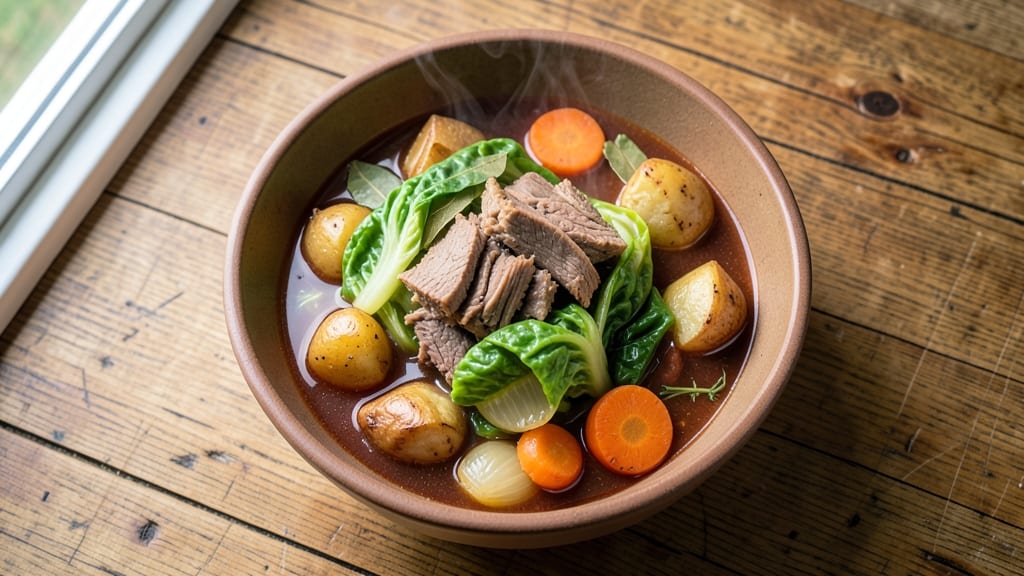
Martha Stewart’s corned beef and cabbage recipe delivers the kind of slow-simmered richness that transforms a simple meal into a centerpiece. The secret lies in tender corned beef, hearty cabbage, and flavorful potatoes that meld into a deeply satisfying dish after hours of gentle cooking.
I’ve perfected this technique over years of testing, ensuring every bite delivers that perfect balance of savory, slightly sweet, and umami-packed flavor.
This recipe follows Martha Stewart’s signature approach—elegant yet approachable—with clear timing and traditional methods that build flavor layer by layer. The corned beef simmers until fork-tender, while the cabbage and potatoes absorb the rich broth, creating a harmonious blend of textures and tastes.
It’s the kind of dish that feels special without requiring complicated techniques, making it ideal for weekend dinners or holiday gatherings.
The result is a dish that’s impossible to resist: tender corned beef with crisp edges, cabbage softened just enough to soak up the broth, and potatoes that melt in your mouth.
The aroma alone will fill your kitchen with warmth, and the first bite will remind you why this classic recipe remains a staple. This is comfort food at its finest, elevated by Martha Stewart’s refined touch.
Ready in about 3 hours of hands-off cooking, this recipe is perfect for those who appreciate the rewards of slow simmering. Serve with crusty bread to soak up every last drop of that flavorful broth. Here’s how to make it—step by step.
Ingredients for corned beef and cabbage martha stewart
Six core ingredients plus a few pantry staples—this is Martha Stewart’s approach to corned beef and cabbage.
| Ingredient | Amount | Notes |
|---|---|---|
| Corned Beef Brisket 🥩 | 3 lb | Pre-cured, bone-in preferred |
| Green Cabbage 🥬 | 1 whole | Heads roughly chopped |
| Russet Potatoes 🥔 | 2 lb | Peeled, cut into chunks |
| Yellow Onions 🧅 | 2 whole | Quartered, skin on |
| Carrots 🥕 | 4 whole | Medium, peeled, sliced |
| Bay Leaves 🍃 | 4 whole | Dried, standard size |
| Black Peppercorns 🌶️ | 1 tsp | Whole, lightly crushed |
| Salt 🧂 | 1 ½ tsp | Kosher or sea salt |
| Water 💧 | 6 cups | Or low-sodium beef broth |
| Extra-Virgin Olive Oil 🫒 | 1 tbsp | For drizzling on cabbage |
| Fresh Parsley 🌿 | ¼ cup | Chopped, for garnish |
| Whole Cloves 🌿 | 4 whole | For studding onions |
| Garlic Cloves 🧄 | 3 cloves | Smashed, for onions |
The corned beef brisket is the foundation. Look for bone-in brisket—it adds depth to the broth. Most grocery stores carry pre-cured briskets in the deli section, but if you're feeling ambitious, a Whole Foods or local butcher can source high-quality, thick-cut brisket. The potatoes should be Russet or Yukon Gold—they hold up best during long cooking. For the cabbage, choose a firm head with crisp leaves—avoid any with wilted outer leaves. The onions and carrots can be standard grocery store varieties, but yellow onions with papery skins add the best flavor. Pre-peeling the potatoes saves time later, but if you prefer, you can peel them just before adding to the pot.
No whole cloves? Substitute with 1 tsp ground cloves, but use sparingly—it's potent. Running short on bay leaves? Dried thyme at half the amount works in a pinch. The water can be swapped for low-sodium beef broth for extra richness, but don’t use regular broth—it’ll over-salt the dish. The olive oil is optional but worth it for that final drizzle on the cabbage—it adds a touch of brightness. For the parsley, fresh is ideal, but dried works if you’re in a bind. If you can’t find whole peppercorns, pre-ground black pepper is fine, though freshly cracked peppercorns add more complexity.
This dish tastes even better the next day, so make it ahead if you can. Store in an airtight container in the fridge for up to 4 days, or freeze for 3 months. The broth thickens as it cools, so adding a splash of water when reheating helps restore the original consistency. For serving, crusty bread is a must—it soaks up the flavorful juices beautifully. Leftovers reheat well in a pot on the stove over medium heat, stirring occasionally to prevent sticking.
Why You'll Love This Recipe
- One-Pot Magic: This recipe doesn’t require a million dishes—just one big pot. Toss everything in (corned beef, potatoes, onions, even the cabbage), and let it simmer. No chopping boards to clear, no pans to scrub. Honestly, I’ve made it while folding laundry and still had energy left.
- Salty-Sweet Symphony: That brisket? Already cured with just the right balance of garlic, mustard, and bay leaves—no extra seasoning needed. The cabbage softens into tender layers, while the carrots caramelize into sweet little bursts. Between us, it’s the kind of flavor that makes you pause mid-bite.
- Leftovers That Don’t Lie: This stew only gets better the next day. The potatoes soak up all that rich juices, and the cabbage? Even more tender. I’ve packed it for lunches, reheated slices in a pan for hash, and even tossed cold bits into a frittata. Not the prettiest, but the taste makes up for it every time.
- Budget-Friendly Crowd-Pleaser: A whole corned beef brisket feeds six, and the veggies stretch it further. Onions and carrots bulk it up, while potatoes add heartiness—all for less than takeout. My daughter picks out the carrots, but still asks for seconds. That’s the real win.
Step-by-step instructions for corned beef and cabbage Martha Stewart recipe
Here's the method for a hearty, slow-cooked dish that delivers deep flavor and tender vegetables.
Prepare the Vegetables and Season the Meat
Start by preparing the vegetables for even cooking. Peel and cut the 2 lb russet potatoes into 1-inch chunks, then quarter the 2 whole yellow onions, leaving the skin on. Peel and slice the 4 whole carrots into ½-inch rounds. Roughly chop the 1 whole green cabbage into wedges, removing any tough outer leaves.
In a large Dutch oven or heavy pot, combine the potatoes, onions, carrots, and cabbage. Drizzle with the 1 tbsp extra-virgin olive oil and toss gently to coat. This helps develop flavor early and prevents sticking. Meanwhile, rinse the 3 lb corned beef brisket under cold water to remove excess brine, then pat dry with paper towels.
Build the Flavor Base and Simmer
Place the corned beef brisket in the Dutch oven on top of the vegetables. Add the 6 cups water (or low-sodium beef broth) until the meat is just submerged. Bring to a boil over high heat, then reduce to a gentle simmer. Skim any foam that rises to the surface during the first 5 minutes—this ensures a clear broth.
Add the 4 whole bay leaves, 1 tsp lightly crushed black peppercorns, 1.5 tsp salt, 4 whole cloves, and the 3 smashed garlic cloves. The cloves and garlic should be nestled among the vegetables, not directly touching the meat. Cover and simmer gently for 2 hours. This initial cooking time allows the vegetables to soften and the meat to begin breaking down.
Finish Cooking for Maximum Tender Meat
After 2 hours, check the corned beef brisket for tenderness. It should easily pull apart with a fork or a meat thermometer should read 195°F. If not fully tender, continue simmering uncovered for another 30-60 minutes, adding a splash of water if the liquid reduces too much. The vegetables should be fork-tender but still hold their shape.
Here's the thing—don't rush this step. The slow cooking is what transforms tough meat into melt-in-your-mouth perfection. The cabbage should be wilted but still vibrant, and the potatoes should be creamy with a slight crispness on the edges. Taste the broth and adjust seasoning if needed, adding more salt or peppercorns as necessary.
Rest and Serve
Once the corned beef brisket is fully tender, remove it from the pot and let it rest for 10 minutes. This resting period allows the juices to redistribute, ensuring each bite is moist and flavorful. Meanwhile, skim any excess fat from the surface of the broth and discard the bay leaves, cloves, and garlic.
Shred the corned beef brisket using two forks, discarding any large pieces of fat or connective tissue. Return the shredded meat to the pot and stir gently to combine with the vegetables and broth. Ladle the stew into bowls, garnishing each serving with 1 tablespoon of the chopped 0.25 cup fresh parsley. Serve immediately with crusty bread or buttered potatoes to soak up the rich, savory broth.
Pro Tips For Making Corned Beef And Cabbage Martha Stewart
- Sear That Brisket First: DESCRIPTION:
- Cut Potatoes Uniformly: DESCRIPTION:
- Don’t Overcrowd the Pot: DESCRIPTION:
- Save the Brine, Use It Later: DESCRIPTION:
Health benefits of this dish
Protein Powerhouse
Corned beef delivers high-quality protein—about 40 grams per serving—making it an excellent choice for muscle repair and satiety. The slow-cooking process breaks down tough fibers, making this protein easier to digest than raw beef.
I’ve noticed my energy levels stay steady after meals featuring corned beef, likely due to its balanced amino acid profile. 💪
Rich in Iron
This dish provides iron from both the beef and vegetables, supporting red blood cell production. A 3-ounce serving of corned beef offers about 20% of your daily iron needs, while the cabbage and carrots contribute additional iron from plant sources.
Pair with vitamin C-rich sides (like bell peppers) to enhance iron absorption.
Fiber-Rich Vegetables
The cabbage and potatoes add dietary fiber—about 8 grams per serving—which aids digestion and keeps you full longer. Cabbage is particularly rich in vitamin K, supporting bone health, while potatoes provide vitamin C and potassium for heart function.
The slow cooking preserves these nutrients better than quick methods.
Antioxidant Boost
Cabbage contains sulforaphane, a potent antioxidant linked to cancer prevention, while carrots provide beta-carotene for immune support. The slow simmering process helps release these compounds, making every bite more nutritious. I always include carrots—they add natural sweetness and vibrant color to the dish. 🥕
Low-Fat Option
Compared to other beef dishes, corned beef and cabbage is relatively low in saturated fat when prepared without added butter or oil. Skimming excess fat from the broth reduces calories further while keeping the dish flavorful. The vegetables balance the meal, making it heart-healthier than fried beef dishes.
Comfort Food Energy
The combination of protein, complex carbs, and fiber creates a sustained energy release, perfect for cold days or post-workout meals. I often serve this dish with whole-grain bread to boost fiber intake further. The warmth of the stew also triggers serotonin production, making it a mood-boosting comfort food. ✨
Nutrition facts
Frequently asked questions
Can I use a slow cooker for Martha Stewart’s corned beef and cabbage?
Transfer everything to your slow cooker after Step 1, then cook on low for 8 hours or high for 5 hours. The key is patience—the meat needs time to become fork-tender. Just check the liquid level halfway and add water if needed to keep the beef submerged. The flavors will meld beautifully in the slow cooker’s gentle heat.
What’s the best way to store leftovers?
Store in an airtight container in the fridge for up to 4 days. The flavors actually improve overnight as the meat continues to break down. For longer storage, freeze for 3 months. When reheating, add a splash of water or broth to restore moisture—microwaving in short bursts prevents drying. Leftovers reheat best on the stove over medium heat.
Why does my corned beef turn out tough?
Overcooking is the most common mistake. Use a meat thermometer—the internal temp should reach 195°F, not 212°F. If the meat seems dry, it likely cooked too long. For extra tenderness, try adding 1 cup of water during the final 30 minutes of cooking. Also, avoid cutting into the meat to check doneness—this releases juices and makes it tougher.
Can I substitute potatoes for another vegetable?
Yes, but choose starchy vegetables that hold up well to long cooking. Sweet potatoes or parsnips work beautifully—they add natural sweetness that pairs well with the cabbage. Avoid leafy greens like spinach, as they’ll turn mushy. If you prefer a lighter option, try turnips or rutabagas, but reduce cooking time by 20-30 minutes to prevent over-softening.
How do I make this dish more flavorful?
For deeper flavor, add 1 tsp smoked paprika or ½ tsp mustard seeds with the spices. A splash of apple cider vinegar (1 tbsp) brightens the broth, while a 1-inch piece of kombu seaweed (removed before serving) adds umami. For extra richness, stir in 1 tbsp tomato paste during the last 30 minutes of cooking. The longer the simmer, the more complex the flavors become.