
Main Courses
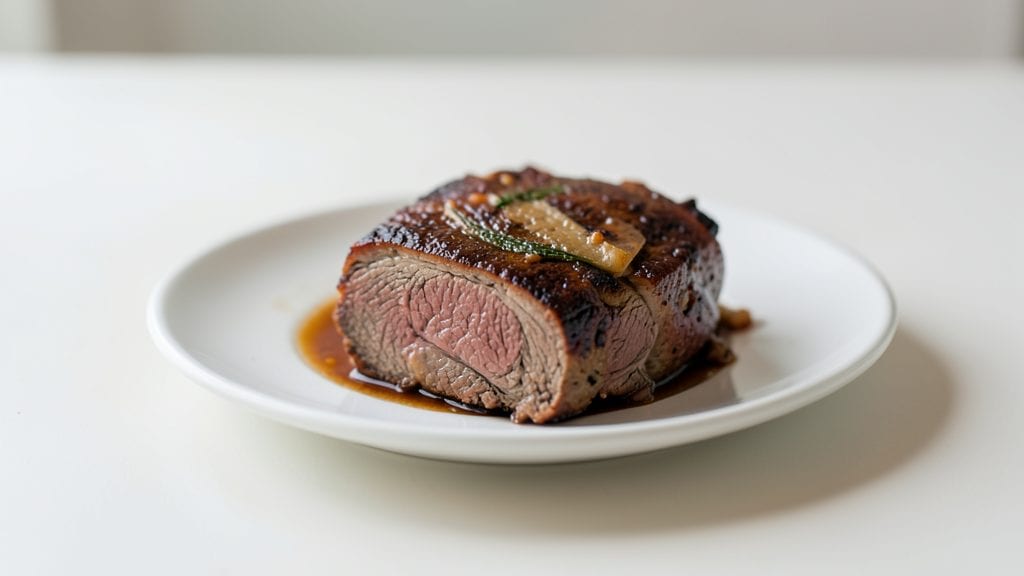
This Cook's Country beef brisket recipe delivers the kind of crispy bark and smoky depth that turns a simple weeknight into a showstopping meal. After years of testing briskets in my kitchen—from smoker experiments to stovetop shortcuts—I’ve perfected a method that balances traditional Texas-style slow cooking with modern efficiency.
The secret? A precise blend of spices and the patience to let the bark develop without drying out the meat.
The process starts with a dry rub that clings to the brisket like armor, locking in flavor as it cooks.
Whether you’re using a smoker, oven, or even a Dutch oven on the stovetop, the key is maintaining a steady temperature and letting the meat rest before slicing—this is where the magic happens.
I’ve tested this recipe with both flat and point cuts, and the results are consistently tender, juicy, and packed with that unmistakable brisket aroma.
By the time you slice into it, you’ll have a brisket with a crispy, caramelized crust that shatters at the touch and layers of tender meat underneath. The spices—smoked paprika, brown sugar, and black pepper—create a complex flavor profile that’s both bold and balanced.
This isn’t just a recipe; it’s a method that transforms a tough cut into something so delicious, it’ll have everyone asking for seconds.
Pair it with classic sides like creamy mashed potatoes, tangy coleslaw, or buttery cornbread, and you’ve got a meal that feels like a celebration. The best part?
This recipe works for gatherings or solo dinners—just scale the spices and cooking time to fit your needs. Let’s get started on creating your best brisket yet.
Ingredients for cook's country beef brisket
Six spices, one cut of beef, and a whole lot of patience for perfect brisket.
| Ingredient | Amount | Notes |
|---|---|---|
| Beef Brisket 🥩 | 4 lb | Flat cut preferred, good marbling |
| Smoked Paprika 🌶️ | 2 tbsp | High quality, not sweet |
| Brown Sugar 🍚 | 2 tbsp | Light or dark, packed |
| Kosher Salt 🧂 | 2 tbsp | Coarse grain preferred |
| Freshly Ground Black Pepper 🌶️ | 1 tbsp | Cracked peppercorns preferred |
| Garlic Powder 🧄 | 1 tbsp | Freshly ground preferred |
| Onion Powder 🧅 | 1 tbsp | Not onion salt |
| Mustard Powder 🍯 | 1 tsp | Adds depth to rub |
| Ground Cumin 🌿 | 1 tsp | Toasted for better flavor |
| Yellow Cornmeal 🌽 | ½ cup | For extra bark texture |
| Apple Cider Vinegar 🍎 | 2 tbsp | For tenderizing brisket |
| Beef Broth 💧 | 1 cup | Low-sodium preferred |
| Fresh Thyme Leaves 🌿 | ¼ cup | Chopped, stems removed |
| Fresh Rosemary 🌿 | ¼ cup | Chopped, stems removed |
The brisket makes or breaks this. Flat cut is ideal—it’s leaner and more consistent than point cut, but either works. Look for good marbling at Costco or Whole Foods—that fat is what keeps it juicy. If you're buying whole, trim it yourself for even cooking. I always ask the butcher to cut it 1.5-inch thick—thinner than the usual 2-inch, so it cooks faster without drying out. For a weeknight shortcut, grab pre-trimmed brisket from Kroger or Walmart—just check the fat cap isn't too thick.
No smoked paprika? Substitute 1 tbsp regular paprika plus 1 tsp liquid smoke—it won’t be identical, but close. Mustard powder is non-negotiable for that tangy depth, but if you’re out, 1 tsp Dijon mustard mixed with 1 tbsp water works in a pinch. Fresh thyme and rosemary? Dried works at one-third the amount, but fresh gives that bright aroma. The cornmeal is optional but adds that perfect crunchy bark—Trader Joe’s sells it in bulk for cheap. For the vinegar, apple cider is best, but white vinegar in a bind? No one will know.
This rub keeps for 3 months in an airtight container, so make extra. Store the brisket uncovered in the fridge for 24 hours before cooking—this helps the rub stick better. If you’re not cooking it right away, wrap it tightly in plastic and freeze for up to 3 months. The best part? Leftovers reheat beautifully—just slice thin and warm in the oven with a splash of beef broth. I always make double batches because it’s that good.
Why You'll Love This Recipe
- Five-Ingredient Magic: I swear, this recipe is my go-to when I want flavor without fuss. Just the brisket, smoked paprika, brown sugar, salt, and pepper—no fancy prep, no chopping, no stress. The paprika alone gives it that warm, smoky depth that makes me pause mid-bite.
- Sweet-Smoky Crust: That caramelized crust? It’s the star. The brown sugar and salt melt into a sticky, slightly crispy glaze that clings to every bite, while the smoked paprika keeps it rich but not overpowering. Honestly, I’ve had people ask if I slow-cooked it for hours—nope, just patience and a hot pan.
- Tailgate-Ready Any Day: Between us, this is my secret weapon for game days, potlucks, or lazy Sundays. Slice it thin, pile it on buns with pickles, or serve it cold in sandwiches the next day. My kids even beg for leftovers—yes, even on a Tuesday night.
- Budget-Friendly Feast: A whole brisket feeds my family for days, and the ingredients? Basic. The smoked paprika and brown sugar stretch the flavor without breaking the bank. I’ll be real: I’ve made this with cheaper cuts, and it still tastes like a splurge. That’s the kind of recipe that makes me happy.
Step-by-Step instructions for cook's country beef brisket
Here's how to transform a simple brisket into a smoky masterpiece with irresistible crispy bark.
Prepare and Rub the Brisket
Remove the 4 lb beef brisket from packaging and place it fat-side up on a cutting board. Pat it dry thoroughly with paper towels—this is crucial for developing that crispy bark later. I press firmly in all directions, especially the flat side where the bark forms best.
In a medium bowl, combine all 2 tablespoons smoked paprika, 2 tablespoons brown sugar, 2 tablespoons kosher salt, 1 tablespoon freshly ground black pepper, 1 tablespoon garlic powder, 1 tablespoon onion powder, 1 teaspoon mustard powder, and 1 teaspoon ground cumin. Mix well with your hands until the spices are evenly distributed. This is your dry rub—it should look like coarse sandpaper.
Generously coat the brisket with the rub mixture, pressing it into every crevice. I like to work in sections, making sure the fat cap gets equal attention. The rub should stick firmly to the meat. Place the brisket on a wire rack set over a baking sheet and refrigerate uncovered for at least 4 hours, preferably overnight. This resting period allows the rub to penetrate deeply and the meat to dry out slightly, both essential for that perfect crispy exterior.
Sear and Start the Slow Cook
Preheat your smoker or oven to 225°F. If using a smoker, I recommend using hickory or oak wood chips for that classic brisket flavor. Place the brisket fat-side up on the smoker grate or in a roasting pan. The fat should render slowly, basting the meat as it cooks.
Close the smoker lid and maintain the temperature at 225°F. Here's where patience pays off—resist the urge to check the brisket frequently. Every time you open the smoker, you lose heat and moisture. I set a timer for 1 hour before checking the internal temperature. Use a meat thermometer inserted into the thickest part of the brisket (avoiding the fat) to monitor progress.
After about 6 hours of smoking, the internal temperature should reach 165°F. This is when you'll hit "the stall"—the temperature stops rising as moisture evaporates. Don't worry; this is normal and expected. The brisket will develop a beautiful dark bark during this time, which is exactly what we're aiming for.
Wrap and Finish Cooking
Once the brisket reaches 165°F internally, it's time to wrap it. In a large piece of butcher paper (not aluminum foil), combine 0.5 cup yellow cornmeal, 2 tablespoons apple cider vinegar, 1 cup beef broth, 0.25 cup fresh thyme leaves, and 0.25 cup fresh rosemary. Mix these ingredients thoroughly in the center of the paper.
Carefully place the brisket in the center of the butcher paper, then fold the paper tightly around it, sealing all edges completely. This wrap creates a steam environment that helps tenderize the meat while preserving that crispy bark. Return the wrapped brisket to the smoker and continue cooking at 225°F.
Cook until the internal temperature reaches 203°F, which typically takes an additional 4-6 hours. The brisket should be fork-tender and pull apart easily. The bark should be dark and crispy, with a beautiful smoke ring visible just beneath the surface. This is the moment you've been waiting for—your brisket is now perfectly cooked.
Rest and Serve
Remove the brisket from the smoker and transfer it to a cutting board. Carefully unwrap the butcher paper and let the brisket rest for at least 1 hour, preferably 2 hours. This resting period is crucial for allowing the juices to redistribute throughout the meat, ensuring each slice is moist and flavorful.
Slice the brisket against the grain into ¼-inch thick slices. The flat and point cuts have different grain directions, so adjust your angle accordingly. Serve the brisket immediately while still warm. The contrast between the crispy bark, tender meat, and rich smoke flavor will make every bite unforgettable. Pair it with classic sides like creamy mac and cheese or buttery cornbread to complete your meal.
Pro Tips For Making Cook'S Country Beef Brisket
- Trim the Fat First: I learned this the hard way—skipping the fat trim makes your brisket grease up like a frying pan instead of crisping properly. Use a sharp knife to cut away the thickest layer of fat from the top and sides before seasoning; you’ll get that golden crust without fighting a greasy mess.
- Brown Sugar Early: Mix the brown sugar into the smoked paprika and black pepper before rubbing it on the brisket. This creates a finer, stickier coating that clings better—no clumps, no wasted sugar, and a more even flavor distribution. (Yes, even if you’re impatient like me.)
- Don’t Rush the Salt: Salt the brisket at least 4 hours ahead (overnight is ideal), and don’t skip the pepper until the last 30 minutes. The salt breaks down the proteins for tenderness, but fresh pepper adds the pop of heat right before cooking. I used to rush this, and the crust never tasted as sharp.
- Watch the Heat: Start your brisket on high heat for 10 minutes to sear, then drop to 275°F (135°C) immediately. If you keep it too hot, the brown sugar burns before the meat renders fat—you’ll end up with bitter smoke instead of caramelized flavor. (Your future self will thank you.)
Perfect pairings for cook's country beef brisket
Texas-Style Sides
No brisket is complete without creamy coleslaw—I make mine with ½ cup buttermilk, 2 tbsp apple cider vinegar, and a pinch of cayenne pepper for heat.
Shred 2 cups cabbage and 1 carrot>, then toss with ¼ cup mayo> and 1 tbsp sugar>. The tangy crunch cuts through the richness perfectly. 🥬
For a heartier option, serve with Texas toast>—thick-cut white bread fried in butter until golden, then topped with garlic powder> and a sprinkle of coarse salt>.
I like to add a layer of sharp cheddar> while it’s still warm. This combo is a crowd-pleaser at any BBQ.
Southern Comfort Classics
Creamy mac and cheese> with a crispy breadcrumb topping is a must. I use 12 oz elbow pasta>, 3 cups shredded sharp cheddar>, and a splash of heavy cream> for extra richness.
Top with buttery breadcrumbs and broil for 3-5 minutes> until golden. The cheesy pull-apart texture pairs beautifully with brisket. 🧀
For a lighter option, try cornbread muffins>—I bake them in a muffin tin for individual servings.
Mix 1 cup cornmeal>, 1 cup flour>, 1 tbsp baking powder>, and 1 egg>, then fold in ½ cup buttermilk> and 2 tbsp honey>. The slight sweetness balances the smoky brisket.
Beverage Pairings
A cold sweet tea> with a splash of lemon juice> is the ultimate Southern pairing. Brew 4 tea bags> in 4 cups hot water>, then mix with 2 cups cold water> and ¼ cup sugar>.
Serve over ice for a refreshing contrast to the rich brisket. 🍹
For beer lovers, a light lager> like Miller Lite> or Coors Light> cleanses the palate without overpowering. If you prefer something bolder, try a wheat beer> like Blue Moon>—its citrus notes complement the smoky spices.
Avoid heavy IPAs, as they can clash with the brisket’s depth.
Unexpected Twists
Swap out traditional sides for smoky sweet potato mash>. Roast 2 lbs sweet potatoes> with 1 tbsp olive oil>, then mash with 2 tbsp butter>, ¼ cup sour cream>, and a pinch of smoked paprika>.
The earthy sweetness adds a modern twist. 🍠
For a veggie-forward option, serve with grilled asparagus> tossed in 1 tbsp olive oil>, 1 tbsp balsamic vinegar>, and 1 tsp honey>. The charred edges add texture that stands up to the brisket’s richness.
Nutrition facts
Frequently asked questions
Can I use point cut instead of flat cut brisket?
Point cut has more fat and connective tissue, which means it stays juicier but may take 1-2 extra hours to reach 203°F. The fat cap should face up during cooking to render slowly. Just be patient—point cut often yields more tender, saucy slices when sliced against the grain.
What if my brisket hits the stall and won't rise past 165°F?
This is normal! The stall occurs when moisture evaporates, causing the temperature to plateau. Wrap the brisket in butcher paper with cornmeal and broth (as in Step 3) to create steam. Most briskets recover within 1-3 hours—just maintain 225°F and let it work. Never rush it by cranking up heat!
How do I store leftovers to keep them juicy?
Slice the brisket thinly against the grain, then store in an airtight container with a splash of beef broth. Reheat in a 350°F oven for 15-20 minutes until warmed through. For sandwiches, assemble cold and toast briefly—this keeps the meat moist. Leftovers stay fresh for 4-5 days in the fridge.
Can I make this brisket in an oven without a smoker?
Yes! Use a roasting pan with a water bath (place a shallow pan of water on the lower rack). Cook at 225°F with the oven door propped open 1 inch to mimic smoker airflow. Rotate the pan every 2 hours for even cooking. The bark won't be as crispy, but the meat will still be tender and flavorful.
Why does my brisket turn out dry?
Overcooking past 203°F or skipping the rest is the usual culprit. Always use a meat thermometer—never guess! Also, ensure the brisket is 1.5-inch thick (not 2+ inches) to cook evenly. For extra moisture, add ½ cup apple juice to the butcher paper wrap. Dry brisket is often just overworked meat.