
Main Courses
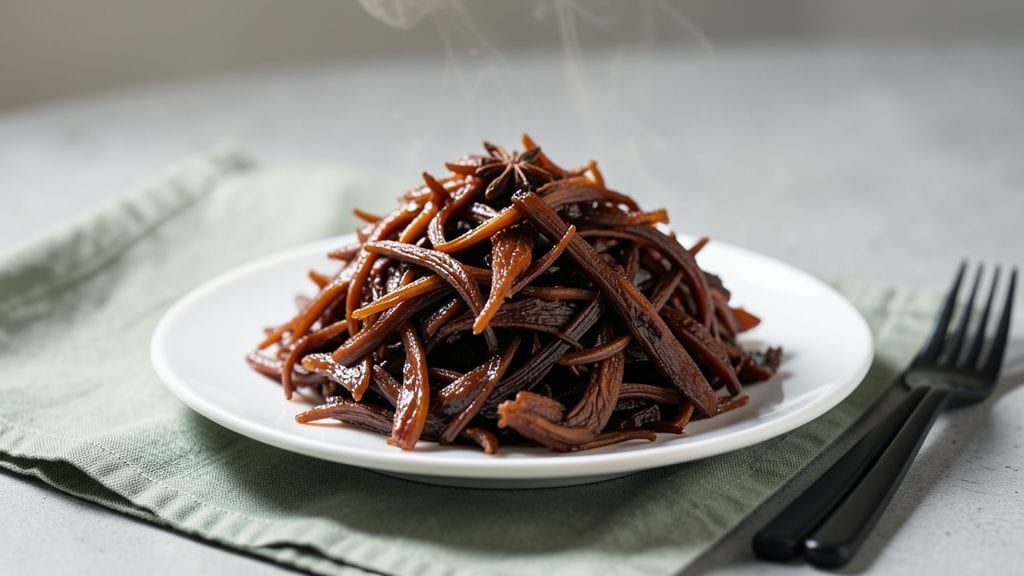
This Chinese beef brisket recipe transforms tough cuts into melt-in-your-mouth perfection with star-anise and deep, aromatic spices—just like my grandmother used to make back in her kitchen. 🌟 The secret lies in slow-braising until the meat practically falls apart, creating a dish that's rich, tender, and bursting with complex flavors.
I first learned this technique during a trip to Guangzhou, where the scent of star-anise and soy simmering for hours filled the air, drawing crowds to market stalls.
The beauty of this recipe is its balance of simplicity and depth. You'll start with a foolproof marinade that tenderizes the beef while infusing it with fragrant spices, then slow-cook until the meat is so tender it shreds easily.
The result is a dish that's equally at home at a family dinner table or a festive gathering, with flavors that develop and deepen the longer it sits.
By the time you're done, you'll have restaurant-quality beef brisket that's rich, slightly sweet, and packed with umami from the star-anise and soy sauce. The texture is what makes it special—tender enough to eat with chopsticks, yet substantial enough to hold its own against any side dish.
Pair it with steamed jasmine rice and quick-pickled vegetables for a complete meal that feels both comforting and celebratory.
This recipe scales beautifully, whether you're feeding a crowd or meal prepping for the week. The flavors only get better as they sit, making it perfect for making ahead and reheating. Let's get started on creating a dish that tastes like home, no matter where you are.
Ingredients for chinese beef brisket
Six aromatic ingredients transform tough brisket into tender, star-anise-kissed perfection—just like Grandma’s.
| Ingredient | Amount | Notes |
|---|---|---|
| Beef Brisket 🥩 | 3 lb | Flat cut, 1-inch thick |
| Soy Sauce 🍶 | ½ cup | Kikkoman preferred |
| Shaoxing Wine 🍷 | ¼ cup | Substitute with dry sherry |
| Star-Anise 🌟 | 2 whole | Whole pods, crushed lightly |
| Cinnamon Sticks 🌿 | 2 whole | 2-inch pieces |
| Garlic Cloves 🧄 | 6 cloves | Peeled, smashed |
| Fresh Ginger 🌿 | ½ cup | Julienned, skin on |
| Brown Sugar 🍯 | ¼ cup | Light or dark |
| Sesame Oil 🫒 | 1 tbsp | Toasted, not flavored |
| Green Onions 🧅 | ¼ cup | White and green parts |
| Vegetable Oil 🫒 | 2 tbsp | For searing |
| Water 💧 | 2 cups | Or light beef broth |
| Salt 🧂 | 1 ½ tsp | Kosher or sea salt |
| Black Peppercorns 🌶️ | 1 tsp | Crushed lightly |
The brisket is non-negotiable here. Flat cut, 1-inch thick works best—it’s leaner and more forgiving than point cut. Most butchers will trim it for you, but if you’re buying pre-cut, look for marbling, not just fat. I always grab mine from Whole Foods or a local Asian market (they’ll know exactly what you need). For a crowd, double the amount—this recipe scales beautifully. The star-anise? Penzeys Spices sells the best quality, but any whole pod will work—just crush it lightly with a mortar and pestle before adding. Fresh ginger and garlic are worth the extra minute to prep (peel, smash, julienne).
No Shaoxing wine? Dry sherry or even a splash of apple cider vinegar works in a pinch, but the depth of flavor is worth tracking down. Running short on brown sugar? Honey or maple syrup at half the amount keeps things balanced. Sesame oil is key for that nutty aroma—toasted, not flavored—so don’t skimp. The vegetable oil for searing? High smoke point matters, so grab a neutral oil like avocado or grapeseed. For the broth, low-sodium beef broth keeps the flavors in check. And if you’re prepping ahead, freeze the raw brisket with the marinade for up to 3 days—just thaw overnight before cooking.
This dish tastes even better the next day—3-4 days in the fridge is ideal. Store it in the juices, covered, and reheat gently with a splash of water or broth. For leftovers, slice thinly against the grain and serve over rice or noodles. Freezes beautifully for up to 3 months—portion into meal-sized containers so you can grab and reheat. The aromatics (star-anise, cinnamon) can be removed after cooking, but I leave them in for extra flavor during the braise. Just strain them out before serving if you prefer a cleaner look.
Why You'll Love This Recipe
- One-Pot Magic: I swear by this—just toss the brisket, wine, and spices into one pot, let it simmer, and walk away. No fancy searing, no chopping mountains of veggies, just that deep, aromatic sauce clinging to tender beef.
- Umami Bomb: The combo of soy, Shaoxing wine, and star-anise? It’s like a flavor explosion in your mouth. The wine cuts through the richness while the spices add warmth—every bite tastes like a tiny hug from a Chinese kitchen.
- Leftovers That Shine: This dish actually improves the next day. Shred it for dumplings, toss it into noodles, or serve it cold in rice bowls—my freezer’s always stocked because it’s that good, and that adaptable.
- Budget Meal Hero: A pound of brisket stretches forever here, and the spices cost pennies. Honestly, it’s my go-to for feeding the whole family without breaking the bank—plus, the leftovers make lunches feel special.
Step-by-step instructions for Chinese beef brisket
Here's how to transform tough brisket into melt-in-your-mouth perfection with aromatic spices.
🔥 Step 1: Sear the Brisket for Deep Flavor
Heat a heavy pot or Dutch oven over medium-high heat and add the 2 tablespoons vegetable oil. Once shimmering, place the 3 lb beef brisket fat-side down and press gently for 1 minute to create a good crust. Flip and sear the other side for another 1 minute until golden brown.
Here's the thing—don't rush this step. You want that beautiful Maillard reaction happening. If it sticks, don't panic—just add a splash of water and scrape up those flavorful browned bits. Remove the brisket and set it aside.
👨🍳 Step 2: Build the Aromatic Sauce Base
In the same pot, add 2 tablespoons vegetable oil (if needed) and toss in the 2 whole cinnamon sticks and 2 whole star-anise. Toast for 30 seconds until fragrant—you'll smell that warm spice aroma filling your kitchen. Add the 6 cloves garlic cloves and 0.5 cup fresh ginger (julienned) and cook for another 30 seconds until garlic is golden and ginger softens slightly.
Pour in the 0.25 cup shaoxing wine and 0.5 cup soy sauce, scraping up any browned bits from the bottom. Let it simmer for 2 minutes until the alcohol smell dissipates. Add the 0.25 cup brown sugar and 2 cups water, stirring until the sugar dissolves completely.
🍳 Step 3: Simmer with Spices Until Tender
Return the brisket to the pot, fat-side up, and bring everything to a gentle simmer. Cover partially and cook for 2.5 hours on low heat (around 300°F), checking occasionally to ensure there's enough liquid. You'll notice the brisket will become fork-tender during this time.
Here's where patience pays off. The brisket should be so tender it practically falls apart when you test it with a fork. If the liquid reduces too much, add a splash of water to keep it moist. The spices will infuse deeply, creating that signature Chinese red-cooked flavor.
⏰ Step 4: Finish with Sesame Oil and Rest
Once the brisket reaches 200°F internally (about 3 hours total), remove it from the pot and let it rest for 15 minutes. Meanwhile, remove the cinnamon sticks and star-anise from the sauce. Stir in the 1 tablespoon sesame oil and 1.5 teaspoons salt, then simmer for 2 more minutes to let those flavors meld.
Slice the brisket against the grain into ¼-inch thick pieces and arrange on a platter. Ladle the aromatic sauce over the top and garnish with 0.25 cup green onions (chopped) and a final sprinkle of 1 teaspoon black peppercorns (crushed). Serve immediately with steamed rice for that perfect Chinese brisket experience.
Pro Tips For Making Chinese Beef Brisket
- SEAR THE BRISKET FIRST: Hit the beef with a screaming-hot pan for 3-4 minutes per side before braising—this locks in flavor and builds a crust that won’t dissolve when you add the liquid. I used to skip this, and the brisket always tasted bland underneath the sauce.
- TOAST THE SPICES: Bloom the star-anise and cinnamon sticks in the pot for 30 seconds before adding wine and soy—this releases their aroma and deepens the flavor. Sounds minor, but it’s the difference between "good" and "restaurant-quality."
- DON’T DROWN IT: Use just enough liquid to come halfway up the brisket, not submerge it completely. Too much water dilutes the soy and Shaoxing wine, leaving you with a weak sauce. I learned this after making a watery mess the first time.
- REST BEFORE SLICING: Let the brisket sit under foil for 10 minutes after cooking—this lets the juices redistribute, so every slice stays moist. Cutting into it too soon turns it into a dry, sad pile. (Yes, even if you’re starving.)
Essential equipment for this dish
Dutch Oven
This is your workhorse for Chinese beef brisket—nothing replaces a heavy, 5-7 quart Dutch oven for even heat distribution. My go-to is a Le Creuset Signature with its thick enamel coating, but a Lodge cast iron works just as well (it develops a natural nonstick patina over time).
The deep sides prevent spills, and the lid traps steam to tenderize the meat beautifully. For extra insurance, I sometimes use a double boiler setup—place the Dutch oven in a larger pot with an inch of water to stabilize temperature during long braising. 🔥
Meat Thermometer
Don't skip this—instant-read thermometers are non-negotiable for perfect brisket. I use a ThermoWorks Smoke with dual probes: one for the meat (200°F internal) and one for the pot (180°F liquid temp).
Budget-friendly options like the OXO Bladeless work too. The key is accuracy: cheap dial thermometers often lag behind actual temps. Pro tip: Calibrate yours by placing it in ice water—it should read 32°F.
Mortar & Pestle
For crushing whole spices like star-anise and cinnamon sticks, nothing beats a handcrafted granite mortar and pestle from Penzeys Spices. The texture is perfect for light crushing without turning spices into powder.
If you're short on time, a rolling pin or even a heavy mug works in a pinch—just be gentle. Freshly crushed spices release more aroma during cooking, which is why I always toast mine in the oil before adding liquid.
Tongs & Slotted Spoon
Invest in heat-resistant silicone tongs (like OXO Good Grips) for flipping the brisket—they won't melt or warp. A long-handled slotted spoon (I use Meridian) is essential for skimming foam and removing aromatics without losing liquid.
The slots let you strain out cinnamon sticks and star-anise while keeping the sauce intact. Pro move: Soak wooden spoons in water for 10 minutes before use—they won't splinter under high heat.
Steamer Basket
For perfect jasmine rice to pair with your brisket, a bamboo or stainless steel steamer basket (like Norpro) is a game-changer. It sits perfectly over your Dutch oven's lid, using residual heat to steam rice to fluffy perfection.
I always rinse the rice first and use a 1:1.5 rice-to-water ratio. For extra flavor, add a cinnamon stick or two to the steaming water—it complements the brisket's spices beautifully. ✨
Air-Tight Storage
Leftovers deserve proper storage. I use glass Pyrex containers with snap-on lids for fridge storage (up to 4 days) and quart-sized freezer bags for freezing (up to 3 months). The glass keeps flavors fresh longer than plastic, and the bags stack neatly in the freezer.
For reheating, I add 1 tablespoon water or broth per serving to restore moisture—never microwave dry brisket. A vacuum sealer (like FoodSaver) is optional but extends freezer life to 6 months.
Nutrition facts
Frequently asked questions
Can I substitute point cut brisket for flat cut in this recipe?
The flat cut is ideal here because it's leaner and more forgiving for braising. Point cut has more fat and connective tissue, which can make it too rich for this delicate balance of star-anise and soy. If you must use point cut, trim excess fat and add 1 extra hour to the braising time to ensure tenderness. The texture will be slightly more marbled but still delicious.
How do I know when the brisket is fully tender?
Use the fork test—insert a fork into the thickest part of the brisket. If it slides in with minimal resistance and the meat practically falls apart, it's ready. The internal temperature should read 200°F at this point. For extra insurance, check the sauce—it should be reduced and glossy, not watery. Overcooking can make the meat mushy, so aim for the 2.5-3 hour window.
Can I make this recipe in a slow cooker?
Transfer the seared brisket and sauce to a 6-quart slow cooker and cook on low for 6-7 hours (or high for 4-5 hours). The slow cooker's gentle heat will tenderize the meat beautifully. Just skip the final 15-minute rest and slice directly from the pot. The sauce may need thinning with water or broth if it's too thick after slow cooking.
What's the best way to reheat leftovers?
Reheat gently in a skillet over low heat with 1 tablespoon water or broth per serving to restore moisture. Avoid microwaving—it can make the brisket dry. For extra flavor, add a splash of Shaoxing wine or soy sauce while reheating. Leftovers taste even better the next day, so plan to make extra! Store in an airtight container for up to 4 days in the fridge.
Why does my brisket turn out tough?
Most likely, it wasn't cooked long enough or the heat was too high. This dish requires low and slow cooking—never rush it. If your oven runs hot, reduce the temperature to 275°F and add 30-60 minutes to the cooking time. Also, ensure you're slicing against the grain for maximum tenderness. Overcrowding the pot can also trap steam and slow cooking—leave space for the meat to breathe.