
Main Courses
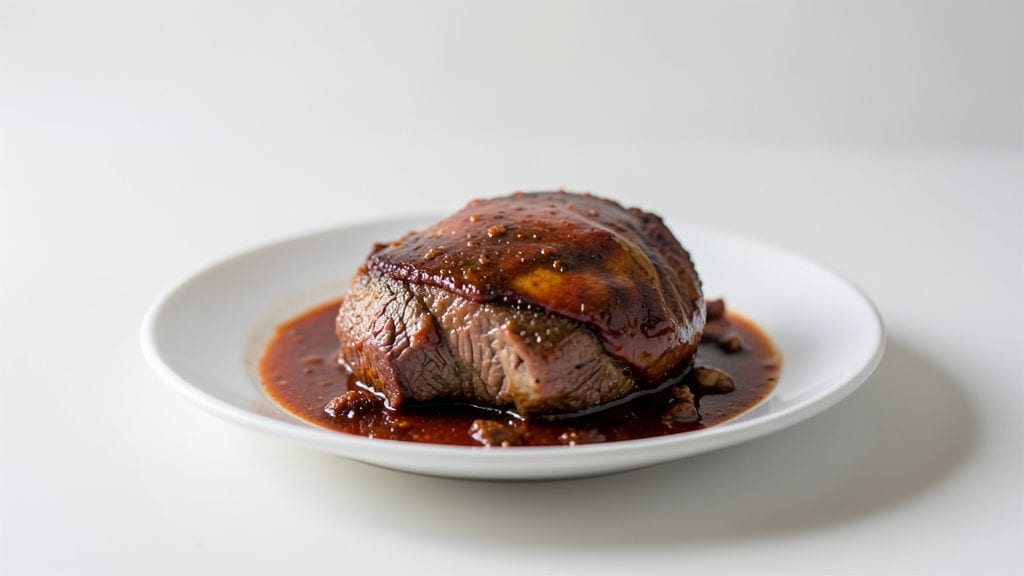
Braising beef shoulder in apple cider creates a dish so richly aromatic and tender it transforms a simple weeknight meal into a restaurant-worthy experience.
The secret lies in the caramelized spiced apple cider fond that develops during slow cooking—deepening in flavor with every hour until the kitchen fills with an irresistible, sweet-savory aroma. I’ve perfected this technique over years of testing, balancing traditional Dutch oven methods with modern adaptations for busy home cooks.
The process begins with searing the beef shoulder to develop a deep, meaty crust before it’s submerged in aromatic vegetables and spiced apple cider.
As it braises, the cider reduces into a glossy, caramelized sauce that clings to every bite, while the beef becomes fork-tender and infused with warm apple notes. This method works equally well in a heavy pot or Instant Pot, making it adaptable to any kitchen.
What you’ll end up with is beef so tender it falls apart at the touch, bathed in a sauce that’s both sweet and savory—perfect for serving with crusty bread or roasted root vegetables.
The flavors deepen overnight, making this an ideal make-ahead dish for gatherings or cozy family dinners. The caramelized fond adds a layer of complexity that elevates the dish beyond ordinary braised beef.
Pair it with a bold red wine or hard cider to complement the apple notes, and you’ve got a meal that feels indulgent yet effortless. Ready to master this technique? Here’s how to make it.
Ingredients for apple cider braised beef shoulder
Sixteen ingredients transform into a deeply aromatic, restaurant-quality beef shoulder dish.
| Ingredient | Amount | Notes |
|---|---|---|
| Beef Shoulder (Bone-In) 🥩 | 4 lb | 2-3 inch thick cut preferred |
| Unsalted Butter 🧈 | ½ cup | Cold, cut into 1-inch pieces |
| Yellow Onion 🧅 | 1 whole | Cut into 1-inch chunks |
| Carrot 🥕 | 2 whole | Cut into 2-inch chunks |
| Garlic Cloves 🧄 | 6 cloves | Peeled, smashed slightly |
| Fresh Thyme Sprigs 🌿 | 4 whole | Stems removed, leaves only |
| Fresh Rosemary 🌿 | 2 tbsp | Chopped, fresh preferred |
| Apple Cider 🍎 | 3 ½ cups | Spiced, unsweetened preferred |
| Beef Broth 💧 | 2 cups | Low-sodium preferred |
| Tomato Paste 🍅 | 2 tbsp | Squeeze tube preferred |
| Brown Sugar 🍯 | 2 tbsp | Light or dark variety |
| Kosher Salt 🧂 | 1 ½ tsp | Adjust to taste |
| Ground Black Pepper 🌶️ | 1 tsp | Freshly ground preferred |
| Allspice Berries 🌶️ | 4 whole | Crushed lightly |
| Bay Leaves 🌿 | 2 whole | Dried, standard size |
The beef shoulder is the foundation—look for a well-marbled cut with visible fat for maximum tenderness. Costco or local butcher shops often carry high-quality bone-in cuts at competitive prices. If you can't find bone-in, a well-marbled boneless shoulder works too. The apple cider should be spiced and unsweetened—Molly's or Woodchuck brands are excellent choices. For the thyme and rosemary, fresh is ideal but dried works at one-third the amount. The allspice berries add a subtle warmth that's worth hunting down at specialty stores or online.
No apple cider? Substitute with a mix of apple juice and hard cider (1:1 ratio) for similar sweetness. Short on beef broth? Water plus 1 tsp soy sauce gets you close. The tomato paste can be skipped if you dislike its intensity, but it adds a nice depth. For the brown sugar, honey or maple syrup works in a pinch—reduce the amount slightly since they're sweeter. If you can't find allspice berries, 1/4 tsp ground allspice is a decent substitute. The bay leaves are non-negotiable though—they add that classic braising depth that's hard to replicate.
This dish tastes even better the next day, so make it ahead if possible. Store in the fridge for up to 4 days or freeze for 3 months. The caramelized fond at the bottom is pure gold—deglaze it with a splash of apple cider when reheating. For serving, I like to slice against the grain and drizzle with the reduced sauce. The beef reheats beautifully in the oven at 300°F for about 20 minutes, covered with foil.
Why You'll Love This Recipe
- One-Pot Magic: I swear by this recipe because it’s literally dump-and-slow-cook. Sear the beef, toss in onions, carrots, and cider—then walk away. The bone-in shoulder stays juicy while the aromatics caramelize right in the pot. No extra pans, no fuss.
- Flavor Bomb: That apple cider isn’t just for drinking—it transforms tough beef into melt-in-your-mouth perfection. Sweet, tangy, and rich, with garlic and butter sealing the deal. Honestly, the first bite makes me forget I’m cooking.
- Weeknight to Weekend: Serve it over mashed potatoes for a hearty weeknight dinner or slice it for sandwiches when company drops by. The leftovers? Even better the next day. My kids beg for it on game days—yes, even on a Tuesday.
- Budget Win: A bone-in beef shoulder stretches further than you’d think, and the ingredients cost less than takeout. Plus, the slow braise means no wasted meat—just tender, flavorful bites. Here’s what sold me: it feeds four for under $20.
Step-by-step instructions for apple cider braised beef shoulder
This method delivers melt-in-your-mouth beef with a rich, caramelized apple cider fond.
Sear the Beef Shoulder for Maximum Flavor
Pat the 4 lb beef shoulder (bone-in) dry with paper towels. Season generously with 1.5 tsp kosher salt and 1 tsp ground black pepper, pressing the spices into the meat so they adhere well. Place the beef in a large Dutch oven or heavy pot and set it over medium-high heat.
Sear the beef on all sides for 10-12 minutes total, turning occasionally, until the exterior develops a deep golden-brown crust. This step is crucial—it creates the Maillard reaction that forms the foundation of your braise's deep flavor. Don't rush this; you want that crust to form before adding liquids. If the pan gets too hot and the meat starts to smoke excessively, reduce the heat slightly to maintain control.
Build the Aromatic Base
Remove the beef from the pot and set it aside. Add 0.5 cup unsalted butter to the same pot and melt it over medium heat. Once the butter foams, add the 1 whole yellow onion cut into 1-inch chunks and the 2 whole carrots cut into 2-inch chunks. Cook for 5-6 minutes, stirring occasionally, until the vegetables begin to soften and the onions turn translucent.
Add the 6 cloves garlic cloves (peeled and smashed slightly) along with the 2 tbsp fresh rosemary (chopped) and 4 whole fresh thyme sprigs (stems removed, leaves only). Stir for 1 minute until the garlic becomes fragrant—this releases its full flavor. Then add the 2 tbsp tomato paste and cook for another 1 minute, stirring constantly. This creates a rich, concentrated base that will deepen the braise's flavor profile. The tomato paste also helps thicken the final sauce slightly.
Deglaze and Simmer the Braise
Pour in the 3.5 cups apple cider and scrape up any browned bits from the bottom of the pot with a wooden spoon. This deglazing step captures all the flavorful fond that's built up during searing. Add the 2 cups beef broth, 2 tbsp brown sugar, 4 whole allspice berries (crushed lightly), and 2 whole bay leaves. Return the beef to the pot, making sure it's submerged by the liquid.
Bring the mixture to a gentle simmer over medium-low heat. Cover the pot with a tight-fitting lid and transfer it to a 300°F oven (preheated). Braise for 3 hours, turning the beef occasionally to ensure even cooking. The liquid should reduce significantly, and you'll notice a beautiful caramelized fond forming on the bottom of the pot. This is the signature of a well-made braise—it indicates the sugars in the apple cider have concentrated and deepened in flavor.
Finish and Rest for Perfect Texture
After 3 hours, remove the pot from the oven and carefully transfer the beef to a cutting board. Tent loosely with aluminum foil and let it rest for 20-30 minutes. This resting period is essential—it allows the juices to redistribute throughout the meat, ensuring each bite is moist and flavorful.
While the beef rests, skim any excess fat from the surface of the braising liquid. You can reduce the liquid further on the stovetop over medium heat for 5-10 minutes if you prefer a thicker sauce. The finished braise should coat the back of a spoon and have a rich, caramelized depth of flavor. To serve, slice the beef against the grain into ¼-inch thick slices and spoon the apple cider fond over the top. The contrast between the tender beef and the sweet-tangy sauce is what makes this dish truly special.
Pro Tips For Making Apple Cider Braised Beef Shoulder
- Brown the Meat First: Don’t skip the sear—get that beef shoulder golden and crispy before adding liquids. I used to rush this, and the final braise always tasted flat. A hot pan with butter and oil for 8–10 minutes per side builds flavor that nothing else can.
- Peel and Quarter Carrots: Whole carrots stay tough; peel and cut them into 2-inch chunks so they soften alongside the beef. My grandmother swore by this, and she was right: they’ll melt into the cider instead of sitting like rubbery sticks.
- Deglaze Aggressively: After browning the meat, don’t just splash in the cider—scrape up every bit of fond from the pan with a wooden spoon. That’s where the deep, caramelized flavor hides. I learned this the hard way when I skipped it and ended up with a bland sauce.
- Simmer Covered, Low and Slow: Keep the lid on tight and let it bubble gently at 300°F (150°C) for 2.5–3 hours. I was skeptical until I tried it—rushing it makes the meat dry, and skipping the low temp leaves it chewy. Patience here is everything.
Troubleshooting this recipe
Undercooked Beef Fix
If your beef shoulder feels tough or doesn’t reach 203°F internal temperature after 3 hours, it’s likely undercooked. Return it to the oven at 300°F for another 30-60 minutes, covered.
Check the temperature every 30 minutes—the meat should probe easily with a fork when done. Overcooking can dry it out, so aim for 203-205°F max. 🌡️
Sauce Too Thin
A watery sauce usually means the apple cider didn’t reduce enough. After removing the beef, simmer the braising liquid uncovered on the stovetop over medium heat for 10-15 minutes, stirring occasionally.
For extra thickness, mix 1 tbsp cornstarch with 2 tbsp cold water, stir into the sauce, and simmer until it glistens. Avoid adding flour—it can make the sauce taste raw.
Apple Cider Burnt
If the cider turns dark brown or burnt-tasting, you likely cooked it too aggressively. To salvage it, strain out any burnt bits, then deglaze the pot with ½ cup fresh apple cider or beef broth.
Simmer gently to blend flavors. For future attempts, keep the heat at medium-low during reduction and stir occasionally to prevent scorching.
Beef Too Dry
Overcooking or skipping the rest is the usual culprit. If your beef is dry, try this fix: Slice it thinly against the grain, then quickly pan-sear the slices in 1 tbsp butter over high heat for 2-3 minutes.
The butter will add moisture and create a crispy exterior. Serve immediately with extra sauce to keep it juicy.
Fond Won’t Caramelize
The fond needs time and heat to develop its rich, sweet depth. If yours isn’t caramelized, return the pot to the oven at 325°F for 15-20 minutes uncovered, stirring occasionally.
For next time, ensure the beef is fully submerged in liquid and the oven temperature is steady—fluctuations prevent proper reduction. 🔥
Allspice Overpowering
If the allspice flavor dominates, balance it by adding 1 tsp fresh thyme or 1 bay leaf during the final 30 minutes of cooking. For immediate fixes, stir in 1 tsp brown sugar or 1 tbsp apple cider vinegar to mellow the spice.
Avoid adding more liquid—it’ll dilute the fond’s intensity.
Nutrition facts
Frequently asked questions
Can I use boneless beef shoulder for this recipe?
A boneless cut will work, but bone-in beef stays more tender during long braising. If using boneless, trim excess fat and consider reducing braising time by 30 minutes to prevent dryness. The flavor will be slightly different but still delicious!
How do I know when the beef is fully tender?
Use a meat thermometer to check for 203°F internal temperature. The beef should also probe easily with a fork and pull apart cleanly. If it feels slightly firm, return it to the oven for 15-30 more minutes covered.
Can I make this in an Instant Pot?
Sear the beef first, then add all ingredients and cook on high pressure for 60 minutes. Quick-release the pressure, then shred or slice the beef. The sauce will be thinner but still flavorful—reduce it on the stovetop afterward for thickness.
What's the best way to reheat leftovers?
Reheat sliced beef in the oven at 300°F for 20 minutes covered with foil, then drizzle with extra sauce. For the sauce alone, warm it on the stovetop over low heat for 5-7 minutes, stirring occasionally. Never microwave—it makes the beef tough.
Why does the apple cider sauce taste bitter?
Bitterness often comes from over-reduction or burnt fond. For next time, keep the heat at medium-low and stir occasionally. If it happens, balance the flavor by adding 1 tsp brown sugar or a splash of apple cider vinegar to mellow the bitterness.