
Main Courses
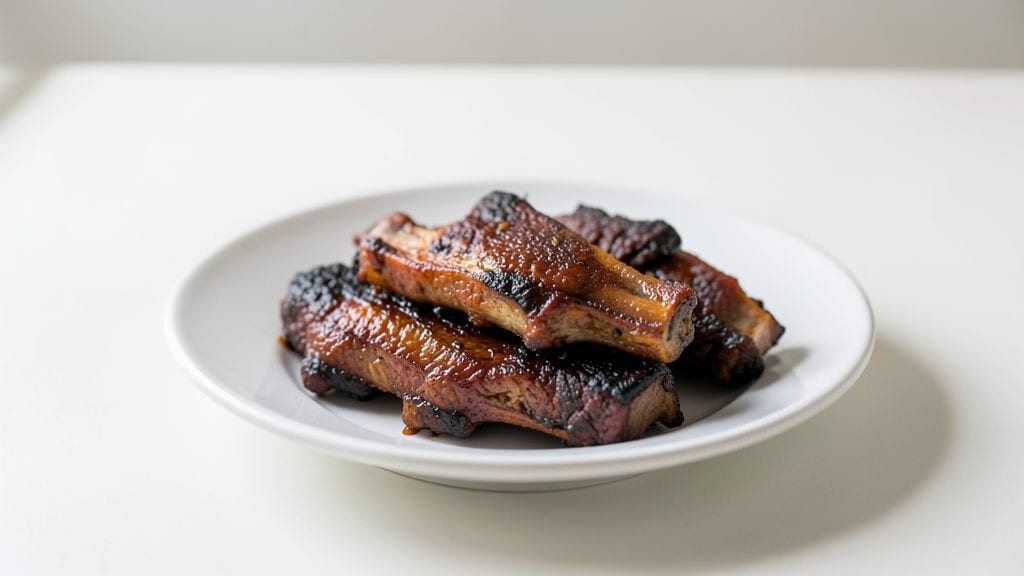
This braised boneless beef ribs recipe delivers restaurant-quality tenderness and smoky depth without the bone-in complexity. After years of perfecting the technique, I’ve developed a method that transforms tough cuts into melt-in-your-mouth perfection through slow braising and aromatic spices.
The result? Rich, caramelized edges and a sauce so flavorful it’ll have everyone asking for seconds.
The secret lies in the braising process—low and slow in a flavorful liquid that infuses the meat with layers of depth.
You’ll start with a dry rub of smoked paprika and garlic, then sear the ribs before simmering them in a rich broth with onions, tomatoes, and a splash of red wine. This approach ensures the meat stays tender while developing an irresistible crust.
By the time you serve these ribs, they’ll be fork-tender with a glossy, caramelized surface and a sauce that clings perfectly. Pair them with creamy mashed potatoes or roasted root vegetables to soak up every last drop of that smoky, savory liquid.
The dish is hearty enough for a family dinner but elegant enough for a special occasion.
This method is designed for foolproof results—no guesswork, just deep flavor and satisfying texture. Let’s get started on a dish that’ll become your new go-to for comfort food nights.
Ingredients for braised boneless beef ribs
Flavor-packed ingredients that transform tough beef into melt-in-your-mouth perfection.
| Ingredient | Amount | Notes |
|---|---|---|
| Boneless Beef Ribs 🥩 | 3 lb | Chuck roast cut into 1-inch cubes |
| Smoked Paprika 🌶️ | 2 tbsp | For deep smoky flavor |
| Garlic Cloves 🧄 | 6 cloves | Minced for aromatic base |
| Yellow Onion 🧅 | 1 whole | Diced into 1/4-inch pieces |
| Red Bell Pepper 🍆 | 1 whole | Diced into 1/4-inch pieces |
| Tomato Paste 🍅 | ½ cup | Squeeze tube preferred |
| Red Wine 🍷 | 1 cup | Bold dry variety like Cabernet |
| Beef Broth 💧 | 2 cups | Low-sodium preferred |
| Olive Oil 🫒 | 2 tbsp | Extra-virgin for searing |
| Salt 🧂 | 1 ½ tsp | Diamond Crystal kosher salt |
| Black Pepper 🌶️ | 1 tsp | Freshly ground for heat |
| Thyme Leaves 🌿 | 1 tsp | Fresh or dried (1/3 tsp) |
| Bay Leaves 🍃 | 2 whole | For subtle earthy depth |
| Fresh Parsley 🌿 | ¼ cup | Chopped for garnish |
The beef is everything here—chuck roast cuts into 1-inch cubes gives that perfect fall-apart texture. Costco or local butchers usually have it pre-cut, but if not, ask for a chuck roast and cube it yourself. Look for good marbling (white fat streaks)—that's what keeps the meat tender. The smoked paprika? Penzeys or bulk bins at Whole Foods have the best quality, but any good brand works. Fresh thyme is ideal, but dried works at one-third the amount. And don't skip the bay leaves—they add subtle earthiness that makes everything better.
No red wine? Beef broth with 1 tbsp balsamic vinegar works just as well. The tomato paste can be from a squeeze tube (like Trader Joe's) for convenience—no waste, and it keeps forever. If you're using dried thyme, crush the leaves between your fingers first to release the flavor. For the onion and bell pepper, yellow and red give the best color contrast. The ribs can be seared in batches if your pan isn't big enough—just don't overcrowd, or they'll steam instead of brown. And if you're short on time, skip the wine and add an extra splash of beef broth instead.
This dish tastes even better the next day—honestly, it's worth making ahead. Store in an airtight container in the fridge for up to 5 days, or freeze for 3 months. I like to portion it into individual containers so I can reheat just what I need. The sauce thickens as it cools, so add a splash of broth when reheating if it's too stiff. And always save some of that glorious braising liquid—it's perfect for making gravy or drizzling over mashed potatoes.
Why You'll Love This Recipe
- One-Pan Magic: I swear by this—just toss everything in a single deep skillet, no fancy gadgets needed. The onions caramelize right alongside the ribs, and that smoky paprika smell fills the kitchen like a promise of something good.
- Smoky Garlic Hug: Between the deep, earthy paprika and the punchy garlic, every bite is like a warm embrace. The bell pepper adds just enough sweetness to balance the richness, so it’s never heavy—just ridiculously good.
- Leftover Goldmine: This dish actually improves the next day. The flavors meld into something even deeper, and reheating it? Just a splash of water, 10 minutes on low—no sad, dry meat here.
- Budget Feast: Boneless ribs stretch further than you’d think, and the ingredients won’t break the bank. Honestly, I’ve made this for date nights, game days, and even lazy Sundays—it’s my go-to when I don’t want to splurge but still crave something special.
Step-by-step instructions for braised boneless beef ribs
Here's the method—simple but packed with flavor, ensuring tender ribs with that signature smoky depth.
Sear the Ribs for Maximum Flavor
Heat the 2 tablespoons olive oil in a large Dutch oven over medium-high heat until shimmering. Pat the 3 pounds boneless beef ribs dry with paper towels—this ensures a proper sear. Working in batches if needed, add the ribs to the pot and sear for 4-5 minutes per side until they develop a deep golden-brown crust.
Don't crowd the pan—this prevents the temperature from dropping, which is crucial for that perfect crust. Once all ribs are seared, remove them and set aside. You'll know they're ready when they release easily from the pan with a gentle shake.
Build the Aromatic Base
In the same Dutch oven, add the 1 whole yellow onion and 1 whole red bell pepper, both diced into ¼-inch pieces. Cook for 5-6 minutes until softened and slightly caramelized. Stir in the 6 cloves minced garlic cloves and cook for 30 seconds until fragrant—this step is where the foundation of flavor begins to develop.
Next, sprinkle in the 2 tablespoons smoked paprika, 1.5 teaspoons salt, 1 teaspoon black pepper, and 1 teaspoon thyme leaves. Stir everything together for 1 minute to toast the spices and deepen their aroma. This ensures the smoky, earthy notes infuse into the ribs as they braise.
Deglaze and Simmer the Braise
Pour in the 1 cup red wine and scrape up any browned bits from the bottom of the pot—this is called deglazing, and it captures all the flavor that would otherwise be lost. Let the wine simmer for 3-4 minutes until reduced by half. Then, stir in the ½ cup tomato paste and cook for another 2 minutes to thicken the base slightly.
Add the 2 cups beef broth and the 2 whole bay leaves, then return the ribs to the pot. Bring everything to a gentle simmer, then reduce the heat to low. Cover the pot and let it cook for 2-2.5 hours, stirring occasionally, until the ribs are fork-tender and the sauce has thickened to a rich consistency.
Finish and Garnish
Once the ribs are tender, remove them from the pot and transfer them to a serving platter. Skim any excess fat from the sauce, then adjust the seasoning if needed. The sauce should coat the back of a spoon—if it's too thin, simmer it uncovered for 5-10 minutes to reduce further.
Garnish the ribs with the ¼ cup chopped fresh parsley and serve immediately, spooning the braising sauce over the top. The ribs should be fall-apart tender with a glossy, flavorful sauce that clings to every bite. This dish tastes even better the next day, so don't hesitate to make extra for leftovers.
Pro Tips For Making Braised Boneless Beef Ribs
- Sear the Ribs First: High heat for 3-4 minutes per side—don’t skimp. That crust locks in flavor and keeps the meat from turning mushy during the long braise. I used to rush this, and the ribs always tasted dull afterward.
- Cut Onions Like a Pro: Slice the yellow onion into even ¼-inch strips, not random chunks. They’ll cook faster and soak up the braising liquid better, adding depth instead of just sitting there like sad, undercooked bits.
- Don’t Crowd the Pan: If your pot’s too full, the ribs steam instead of sear. Start with a single layer, and if you’re short on space, work in batches. Trust me, the difference in texture and flavor is night and day.
- Deglaze with Red Wine: After searing, hit the pan with a splash of red wine (even a cheap one) to scrape up those browned bits. It adds richness that just water or broth can’t match. Skip this, and you’re missing out on serious flavor.
Perfect pairings for this braised boneless beef ribs
Creamy Mashed Potatoes
These ribs pair perfectly with classic creamy mashed potatoes that soak up the rich braising sauce. Use Yukon Gold potatoes boiled until tender, then mashed with butter, warm milk, and a pinch of salt.
For extra richness, fold in ½ cup sour cream or crème fraîche and finish with chives. Serve in a separate bowl so everyone can customize their portion. 🥔
Roasted Root Vegetables
For a heartier side, try roasted carrots, parsnips, and sweet potatoes tossed in olive oil, smoked paprika, and thyme. Roast at 400°F for 30-35 minutes until caramelized and tender.
The earthy sweetness contrasts beautifully with the smoky ribs. I like to add toasted pecans for crunch if I want extra texture.
Crusty Bread for Sauce
A warm baguette or sourdough loaf is essential for soaking up that delicious braising liquid. Toast slices lightly in the oven or pan-fry with garlic butter for extra flavor.
The crust should be crisp enough to hold up to the tender ribs but soft enough to sop up every last drop of sauce. 🍞
Wine Pairing
A bold Cabernet Sauvignon or Malbec complements the deep, smoky flavors of the braised ribs. Look for a California Cabernet with notes of blackcurrant and vanilla, or a Argentinian Malbec for richer fruit and spice.
The tannins cut through the richness, while the fruitiness balances the smokiness. If you prefer red wine, this is the way to go.
Beer Pairing
For beer lovers, a dark lager like Guinness or a smoked porter adds a malty contrast to the dish. The roasted barley notes in these beers enhance the smoky paprika in the ribs.
Alternatively, a Belgian-style dubbel with its caramel and spice undertones works beautifully. Serve slightly chilled to balance the hearty flavors. 🍺
Garnish Ideas
Before serving, consider adding toasted breadcrumbs to the ribs for texture or a sprinkle of fresh parsley for brightness. A drizzle of balsamic glaze adds a tangy sweetness that elevates the dish.
For extra flair, I sometimes top with crumbled blue cheese—it’s unexpected but pairs wonderfully with the rich, smoky flavors. 💫
Nutrition facts
Frequently asked questions
Can I use regular beef chuck roast instead of boneless beef ribs?
This recipe works perfectly with chuck roast cut into 1-inch cubes—it's actually what I recommend for beginners. The key is to cube it evenly so all pieces cook at the same rate. Just increase the braising time to 2.5-3 hours to ensure maximum tenderness. The texture will be slightly different but just as delicious with that rich, beefy flavor.
What if I don't have red wine? Can I substitute it?
Yes, you can easily substitute with 1 cup beef broth plus 1 tablespoon balsamic vinegar for similar depth. Another option is 1 cup apple cider or 1 cup tomato juice—both add acidity that helps tenderize the meat. Just remember to deglaze properly to capture all those flavorful browned bits from the searing step.
How do I know when the beef is fully tender?
The ribs are done when they easily pull apart with a fork and the meat slides off the bone (if any remains). For cube-style cuts, they should reach an internal temperature of 195-205°F. Test a piece by piercing it—if the juices run clear (not pink or bloody), it's perfectly cooked. The sauce should also thicken noticeably as the meat releases its collagen.
Can I make this recipe in a slow cooker instead of a Dutch oven?
Yes! Follow the same steps for searing, then transfer everything to a 6-quart slow cooker. Cook on low for 6-7 hours or high for 4-5 hours, adding ½ cup water if needed to prevent burning. The slow cooker method is even more forgiving—just stir occasionally to prevent sticking. The result will be just as tender with slightly less caramelization on the sauce.
Why did my sauce turn out too thin? How can I fix it?
Thin sauce usually happens when too much liquid was added or the ribs released excess moisture. To fix it, simmer the sauce uncovered on medium heat for 5-10 minutes to reduce it. For future batches, start with 1.5 cups broth instead of 2 and skim excess fat regularly. You can also thicken it by mixing 1 tablespoon cornstarch with 2 tablespoons cold water, stirring it in, and simmering for 2 minutes.