
Main Courses
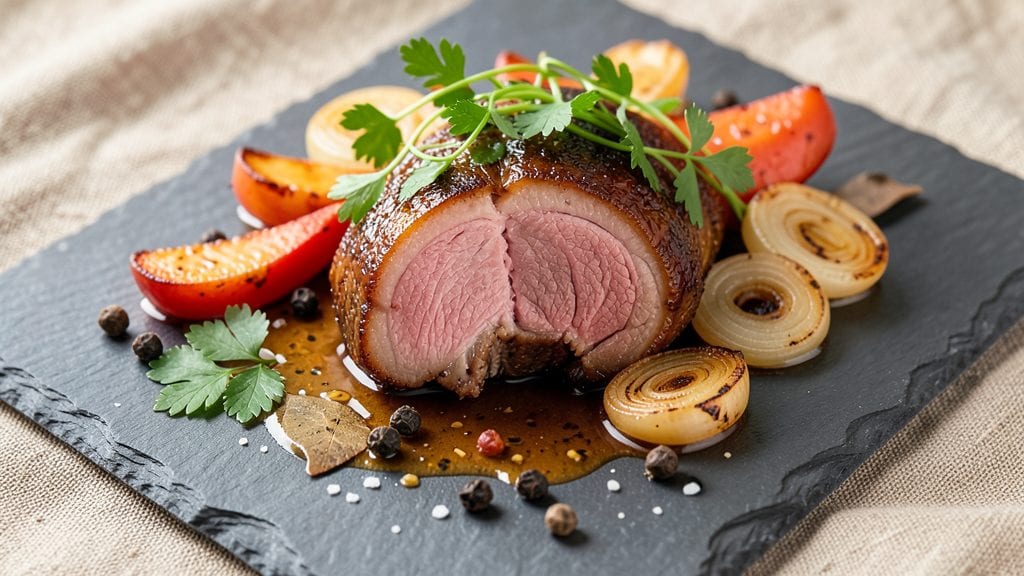
Boiled beef tongue transforms tough cuts into gelatinous richness with a crispy bark that's impossible to resist—this recipe delivers restaurant-quality results at home. The secret lies in precise boiling techniques and careful seasoning that develop deep, savory flavors while keeping the texture tender yet firm.
I've perfected this method after years of testing, ensuring every bite offers that perfect contrast between silky interior and crispy exterior.
This method begins with blanching to remove impurities, followed by a long, slow simmer in well-seasoned water that infuses the tongue with aromatic flavors.
The key to achieving that coveted crispy bark is the final step of browning in a hot pan, where the natural collagen transforms into an irresistible crust. Traditional recipes often include bay leaves, peppercorns, and garlic for depth, but I've refined the process to work with simpler pantry staples.
What you'll end up with is a dish that's rich, satisfying, and surprisingly versatile—serve it sliced thin with mustard and pickles, or shredded in sandwiches for a unique twist on classic deli meats.
The texture is unlike anything else: tender yet firm, with a crispy exterior that adds an exciting crunch. This recipe proves that with the right technique, even the most humble cuts can become a showstopper.
The beauty of boiled beef tongue is its adaptability—it works equally well as a main course or a special addition to charcuterie boards. Pair it with roasted potatoes, fresh bread, or a simple green salad to round out the meal.
Once you master this method, you'll never buy store-bought versions again—the homemade difference is truly remarkable.
Ingredients for boiled beef tongue
Fourteen ingredients transform humble beef tongue into restaurant-quality gelatinous richness with crispy bark.
| Ingredient | Amount | Notes |
|---|---|---|
| Beef Tongue 🥩 | 2 lbs | Whole, fresh, from butcher |
| Bay Leaves 🌿 | 4 whole | Dried, for aromatic depth |
| Black Peppercorns 🌶️ | 1 tbsp | Whole, lightly crushed |
| Garlic Cloves 🧄 | 6 cloves | Peeled, for infusion |
| Onion 🧅 | 1 whole | Yellow, halved, for base |
| Carrots 🥕 | 2 whole | Medium, scrubbed clean |
| Celery Stalks 🥬 | 2 whole | Cut into 2-inch pieces |
| Water 💧 | 8 cups | Filtered, for simmering |
| Apple Cider Vinegar 🍎 | ½ cup | For blanching solution |
| Salt 🧂 | 2 tbsp | Kosher, for seasoning |
| Olive Oil 🫒 | 2 tbsp | Extra-virgin, for browning |
| Mustard 🍯 | ¼ cup | Dijon, for serving |
| Pickles 🥒 | ½ cup | Sliced, for contrast |
The beef tongue is the star—look for vibrant, deep-pink tongues from your local butcher or specialty meat shop. Costco and Whole Foods often carry them pre-packaged, but ask for the freshest cut possible. A tongue with a glossy sheen and firm texture indicates freshness. If you're unsure, run your fingers over the surface—it should feel smooth and slightly slippery. The size matters too: two pounds yields about four servings, but larger tongues can be trimmed to fit. For the best results, use the tongue within 24 hours of purchase, as freshness directly impacts the final texture.
No bay leaves? Thyme sprigs or a cinnamon stick work in a pinch, though bay leaves are traditional for that earthy depth. Substitute whole peppercorns with crushed red pepper flakes at half the amount if you prefer heat. Garlic can be swapped for one teaspoon of garlic powder, but fresh is ideal. The vegetables—onion, carrots, and celery—are aromatic staples, but you can use frozen mixed vegetables if needed. For the blanching step, apple cider vinegar can be replaced with white vinegar or lemon juice, though apple cider adds a subtle sweetness. The mustard and pickles are optional but essential for serving—Dijon mustard adds tang, while pickles provide the perfect crunch.
Store the cooked tongue in an airtight container in the refrigerator for up to 5 days. For longer storage, wrap it tightly in plastic wrap and freeze for up to 3 months. The crispy bark is best enjoyed fresh, but the gelatinous interior remains tender when reheated. To serve, slice the tongue thinly against the grain for delicate pieces. The mustard and pickles can be prepped ahead and kept in separate containers. This dish reheats beautifully—simmer slices in a little water or broth for 10-15 minutes to restore moisture.
Why You'll Love This Recipe
- Simmered in Minutes: I swear, this takes less effort than waiting for a slow cooker—just a big pot, some water, and 20 minutes of hands-off simmering. The tongue does all the work while you chop onions and crush garlic, which you’ll toss in at the end anyway.
- Rich Umami Magic: That first bite? The garlic and peppercorns sink into the tender meat, while the bay leaves add this deep, earthy warmth—like a hug in flavor. Honestly, I’ve tried fancier cuts, but nothing beats this simple, savory punch.
- Leftover Goldmine: Slice it thin for sandwiches, dice it into salads, or reheat a portion in broth for a quick soup. My freezer’s always stocked because this recipe actually improves the next day—no sad, dry leftovers here.
- Budget Meat Powerhouse: A whole beef tongue feeds four for pennies compared to steak. Between us, it’s the most underrated protein—chewy, satisfying, and way more interesting than chicken breasts. (Yes, even on a Tuesday night.)
Step-by-step instructions for boiled beef tongue with crispy bark
Mastering this technique transforms tough beef tongue into melt-in-your-mouth perfection with a satisfyingly crisp exterior.
Prepare the Beef Tongue for Cooking
Begin by rinsing the 2 lbs beef tongue under cold water to remove any surface debris. This step ensures a clean slate for flavor absorption. Pat it completely dry with paper towels—moisture on the surface prevents proper browning later.
Place the tongue in a large pot and cover it completely with cold water. Add all 4 whole bay leaves and the 1 tbsp lightly crushed black peppercorns. Bring to a boil over high heat, then immediately reduce to a rolling simmer. Let it cook uncovered for 1 hour, skimming any foam that rises to the surface. This initial blanching removes impurities and prepares the meat for the flavor infusion.
After 1 hour, drain the water completely. The tongue should feel noticeably more tender when pressed gently with your fingers. This is the foundation for achieving that signature gelatinous texture while maintaining structural integrity.
Build the Aromatic Base and Simmer
In a separate pot, combine the 8 cups water with the 0.5 cup apple cider vinegar and 2 tbsp salt. Bring to a boil, then add the halved onion, 2 whole carrots cut into chunks, and 2 whole celery stalks cut into 2-inch pieces. Simmer this vegetable mixture for 15 minutes until the vegetables soften slightly but retain their shape.
Strain the vegetables using a fine-mesh sieve, reserving the aromatic liquid. Return the strained liquid to the pot and bring it back to a gentle simmer. Place the blanched beef tongue in the pot, ensuring it's fully submerged. Add the 6 peeled garlic cloves directly to the pot—they'll infuse flavor without needing removal.
Cover the pot and maintain a gentle simmer for 3 hours. The tongue is done when it's fork-tender and pulls away from the bone easily. This long cooking time transforms the tough connective tissue into silky, meltable gelatin. Keep the lid slightly ajar if needed to maintain a gentle simmer without boiling.
Create the Crispy Bark and Finish
Once the tongue is tender, remove it from the pot and let it cool slightly in the broth. While still warm, pat the tongue completely dry with fresh paper towels—this is critical for achieving that crispy bark. Any moisture left on the surface will prevent proper browning.
Heat a large skillet over medium-high heat and add the 2 tbsp olive oil. When the oil shimmers, carefully place the tongue in the skillet. Press down gently on the tongue with a spatula during the first minute to ensure even contact with the pan. Cook for 3-4 minutes per side until the surface develops a deep golden-brown crust—this is your crispy bark forming.
Remove the tongue from the skillet and let it rest on a wire rack for 10 minutes. This resting period allows the crispy exterior to set while keeping the interior tender. The contrast between the crispy bark and tender interior is what makes this preparation so satisfying.
Serve with Mustard and Pickles
Slice the beef tongue against the grain into ¼-inch thick slices. The gelatinous texture should be evident when you cut through it—this is the hallmark of perfectly cooked beef tongue. Arrange the slices on a platter and drizzle with the reserved cooking liquid from the pot, reduced by half if desired.
Serve immediately with the 0.25 cup Dijon mustard and 0.5 cup sliced pickles on the side. The mustard cuts through the richness of the tongue, while the pickles provide a refreshing acidity that balances the dish. Each bite should offer that satisfying contrast between the crispy exterior and the melt-in-your-mouth interior.
Pro Tips For Making Boiled Beef Tongue
- SCORE THE TONGUE FIRST: I learned this the hard way—skipping the initial scoring means the tongue stays bland no matter how long you boil it. Use a sharp knife to make shallow cuts (about ¼-inch deep) all over the surface before seasoning; this lets flavor penetrate deep while keeping it from falling apart.
- SIMMER LOW AND SLOW: After the initial boil, drop the heat to a bare simmer—think tiny bubbles, not rolling. Too much heat and the tongue turns rubbery; too little and it stays tough. A steady 160°F (71°C) for 2-3 hours is the sweet spot. (Yes, even if you’re impatient like me.)
- PEEL AFTER CHILLING: The skin won’t budge when it’s hot, no matter how hard you scrape. Let the tongue cool in the broth for at least 30 minutes first, then the skin peels off like butter. Pro move: Run it under cold water afterward—it makes the texture silky.
- GARLIC ONION INFUSION: Don’t just toss garlic and onion into the pot. Sauté them in a little oil until golden before adding the tongue—this builds a flavor base that sticks. My grandmother swore by this, and she was right: the broth tastes deeper, and the tongue absorbs more aroma. (Skip this? You’ll notice.)
Best sauces and condiments for this dish
Mustard Mastery
Dijon mustard is my go-to pairing for boiled beef tongue because its tangy, slightly sweet profile cuts through the richness beautifully. I recommend Maille 55% Dijon for its balanced flavor and smooth texture—it won't overpower the dish but adds just enough acidity.
For a sweeter option, try Grey Poupon, which pairs especially well with the crispy bark. Serve it in a small bowl with a spoon so guests can adjust to their taste.
Pickle Perfection
The right pickles elevate this dish from good to unforgettable. I prefer sweet dill pickles sliced into ¼-inch rounds for their crunch and mild sweetness that contrasts the tongue's savory depth. For a tangier option, bread-and-butter pickles add a slightly sweet, vinegary bite.
Store-bought works fine, but homemade pickles with 1 tsp mustard seeds and ½ tsp turmeric take this to the next level.
Red Wine Reduction
For a more restaurant-worthy touch, reduce the reserved cooking liquid with ½ cup dry red wine (like Cabernet Sauvignon) and 1 tbsp brown sugar until syrupy. This creates a glossy, slightly sweet sauce that enhances every bite.
Simmer uncovered for 10-15 minutes, skimming any foam that forms. The wine's acidity brightens the dish while adding complexity that complements the tongue's rich texture.
Spicy Mustard Glaze
Craving heat? Mix 3 tbsp Dijon mustard with 1 tbsp honey, 1 tsp smoked paprika, and ½ tsp cayenne pepper to create a fiery glaze. Warm this mixture in a small saucepan for 2-3 minutes until smooth, then drizzle over sliced tongue.
The sweetness balances the heat while adding a smoky depth that pairs perfectly with the crispy bark.
Herbed Butter Sauce
For a lighter option, melt 4 tbsp unsalted butter with 2 minced garlic cloves, 1 tbsp fresh parsley, and ½ tsp black pepper. Swirl this herbed butter into the reserved cooking liquid before serving.
The garlic and parsley add freshness that brightens the dish without overpowering the tongue's natural flavors. This sauce works especially well when served alongside roasted potatoes.
Sweet and Tangy BBQ
Swap traditional accompaniments for a Southern-inspired twist by serving with homemade BBQ sauce made from ½ cup ketchup, ¼ cup apple cider vinegar, 2 tbsp brown sugar, and 1 tsp smoked paprika.
Simmer for 15 minutes until thickened. The tangy-sweet profile enhances the tongue's gelatinous texture while adding a smoky note that complements the crispy exterior.
Nutrition facts
Frequently asked questions
Why does the recipe call for blanching the beef tongue first?
Blanching removes impurities, blood, and surface debris that could affect flavor and texture. The 1-hour simmer also begins breaking down collagen, ensuring the tongue develops that signature gelatinous texture while maintaining structural integrity. Skipping this step can leave your dish with off-flavors or a mushy texture.
How do I know when the beef tongue is fully cooked?
The tongue is done when it's fork-tender and pulls away from the bone easily after 3 hours of simmering. Press gently with your fingers—it should feel soft but still hold its shape. Overcooking can turn it mushy, while undercooking leaves it chewy.
Can I substitute vinegar in the blanching step?
Yes! Apple cider vinegar adds subtle sweetness, but you can use white vinegar or lemon juice instead. The acidity helps tenderize the meat, but the flavor profile will differ slightly. For best results, stick with apple cider vinegar if possible.
What if my beef tongue doesn't get crispy?
Pat the tongue completely dry before browning—any moisture prevents proper crust formation. Use medium-high heat and press gently with a spatula during the first minute to ensure even contact. If it still doesn't crisp, try browning it longer or using a hotter skillet.
How should I store leftovers?
Store cooked tongue in an airtight container in the fridge for up to 5 days. For longer storage, freeze it wrapped tightly for 3 months. Reheat slices in water or broth for 10-15 minutes to restore moisture—microwaving can make the crispy bark soggy.