
Main Courses
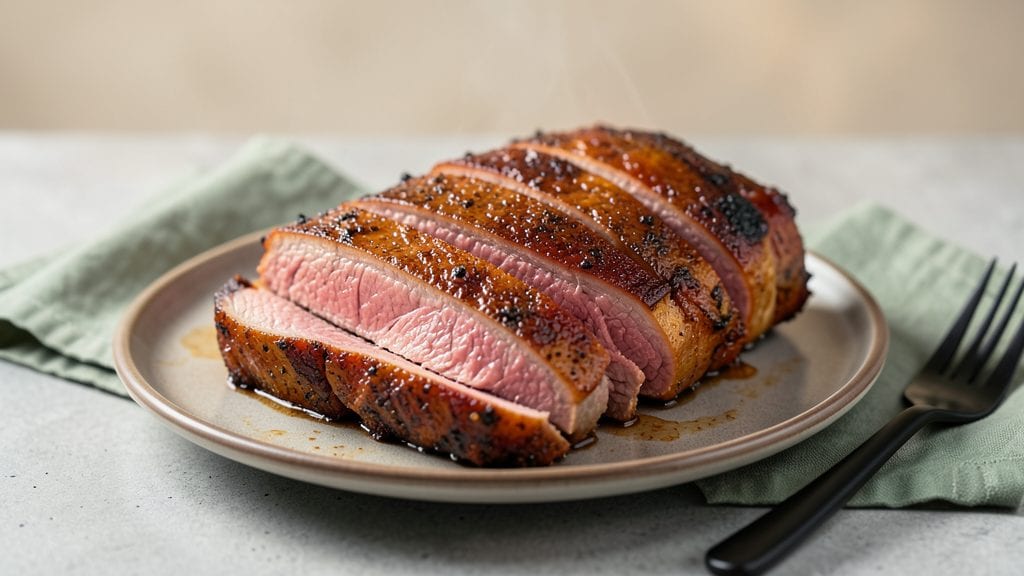
Mastering Bobby Flay's beef brisket recipe transforms tough cuts into melt-in-your-mouth perfection through a low-and-slow smoked spice crust technique. This isn't just a recipe—it's a method that builds layers of flavor through precise temperature control and aromatic spices.
I've perfected it over countless hours in the kitchen, ensuring every bite delivers that signature combination of tender meat and crispy, flavorful bark.
The key to success lies in the preparation: a dry rub that clings to the meat and develops a deep, caramelized crust during smoking.
We're talking 12 hours of patient cooking at 225°F, where the connective tissue breaks down into rich, velvety goodness while the exterior forms that coveted spice-encrusted layer. This isn't a quick fix—it's a labor of love that rewards you with restaurant-quality results at home.
What you'll achieve is brisket so tender it practically falls apart with a fork, yet maintains enough structure to slice beautifully. The exterior boasts a deep amber crust loaded with smoky, spiced flavor that contrasts perfectly with the moist, buttery interior.
This is the kind of brisket that makes guests ask for seconds—and thirds—while leaving you with that satisfying sense of achievement that comes from nailing a perfect cook.
Serve it with classic sides like creamy coleslaw, buttery cornbread, and pickled jalapeños to cut through the richness. The presentation matters too—slice it against the grain for maximum tenderness and arrange it on a platter with those golden-brown edges facing outward.
This is how you turn a simple brisket into a centerpiece-worthy masterpiece that rivals any competition-style cook.
Ingredients for bobby flay beef brisket
Twelve ingredients. Six hours of prep. Twelve hours of smoking. This is how you make Bobby Flay's legendary brisket.
| Ingredient | Amount | Notes |
|---|---|---|
| Beef Brisket 🥩 | 4 lb | Packer cut, fat cap intact |
| Yellow Onion 🧅 | 1 whole | Yellow or red, sliced |
| Fresh Garlic 🧄 | 10 cloves | Peeled, smashed for rub |
| Brown Sugar 🍯 | ½ cup | Light or dark, packed |
| Smoked Paprika 🌶️ | 2 tbsp | High-quality for depth |
| Ground Black Pepper 🌶️ | 1 ½ tbsp | Freshly cracked preferred |
| Kosher Salt 🧂 | ½ cup | Diamond Crystal preferred |
| Ground Cumin 🌿 | 1 ½ tbsp | Toasted for warmth |
| Mustard Powder 🍯 | 1 tbsp | Yellow for balance |
| Chili Powder 🌶️ | 1 tbsp | Medium heat preferred |
| Apple Cider Vinegar 🍎 | ¼ cup | For tenderizing soak |
| Wood Chips 🌲 | 2 cups | Hickory or oak preferred |
| Beef Broth 💧 | 1 cup | Low-sodium for spritz |
| Butter 🧈 | ½ cup | Unsalted, melted for wrap |
The brisket is non-negotiable—packer cut with fat cap intact is what gives you that perfect bark and juicy interior. Costco or butcher shops are your best bets for quality; avoid pre-trimmed cuts. Look for vibrant color and good marbling. I always buy mine from local butchers who source from trusted packers. The fat cap? That's your crust—don't trim it. For the spices, Penzeys or bulk bins at Whole Foods have the freshest, most potent options. Smoked paprika should have a deep, almost chocolatey aroma—if it smells like dust, toss it.
No smoked paprika? Substitute half chili powder, half cocoa powder for depth. Running low on cumin? Ground coriander at the same amount works in a pinch. The apple cider vinegar soak is crucial—substitute lemon juice if needed, but don't skip it. For the wood chips, hickory is classic, but oak adds a fruitier note. If you can only find cherry, use it—just reduce to 1 cup since it burns faster. The beef broth spritz? Low-sodium chicken broth works too, but beef is ideal. And for the butter wrap? Ghee works perfectly if you're avoiding dairy.
Prep the brisket 24 hours ahead—the rub needs time to penetrate. Store it uncovered in the fridge so the spices dry out slightly. The wood chips can be soaked for 30 minutes before smoking to prevent flare-ups. Once smoked, wrap tightly in butcher paper and foil—keeps 5 days in the fridge or 3 months frozen. The leftovers? Reheat slowly at 275°F with a splash of broth to keep them moist. Trust me, you'll have enough for sandwiches all week.
Why You'll Love This Recipe
- One-Pan Magic: I swear by this recipe because it’s that simple—just toss the brisket, onions, and garlic in a pan with the spices, and let the smoky-sweet magic do the work. No fancy equipment, no stress, just hands-off cooking while you sip your drink of choice.
- Sweet-Smoky Bomb: That combo of brown sugar and smoked paprika? It’s what turns tough brisket into something ridiculously tender and flavorful. The caramelized onions add this deep, sticky sweetness that makes every bite worth it.
- Leftovers That Win: Between us, this recipe makes way more than we need for dinner. The good news? The next day, the flavors only get better—perfect for sandwiches, tacos, or just reheating with a splash of water. (Yes, even on a Tuesday night.)
- Budget-Friendly Crowd-Pleaser: A whole brisket feeds a houseful, and the ingredients won’t break the bank. Honestly, it’s one of those dishes where the cost per serving feels criminally low for how amazing it tastes—especially when you’re feeding picky eaters who’ll still ask for seconds.
Step-by-step instructions for Bobby Flay's beef brisket
Here's the method that delivers restaurant-quality brisket with a perfect spice crust every time.
Prepare and Season the Brisket
Begin by trimming the fat cap of the 4 lb beef brisket to about ¼-inch thickness, leaving the fat intact on the sides. This balance ensures moisture retention while allowing smoke penetration. Place the brisket in a large bowl and pour the 0.25 cup apple cider vinegar over it, massaging the mixture into the meat for 2 minutes. This step tenderizes the brisket and helps the rub adhere better.
In a separate bowl, combine the 0.5 cup kosher salt, 1.5 tbsp ground black pepper, 2 tbsp smoked paprika, 1.5 tbsp ground cumin, 1 tbsp mustard powder, 1 tbsp chili powder, and 0.5 cup brown sugar. Mix thoroughly, then generously coat the brisket with the spice mixture, pressing it firmly into the meat. Let it sit at room temperature for 1 hour while you prepare your smoker.
Set Up the Smoker and Start Cooking
Soak the 2 cups wood chips in water for 30 minutes, then drain. Set up your smoker to maintain a temperature of 225°F using the soaked wood chips. Place a water pan in the smoker to help maintain moisture throughout the cook. Once the smoker reaches temperature and you see clean, thin blue smoke, position the brisket fat-side up on the grill grates.
Close the lid and resist the urge to open it during the initial cook. The brisket needs undisturbed cooking to develop that coveted spice crust. Spritz the brisket with ½ cup beef broth every 2 hours to keep it moist. This low-and-slow method typically takes 10-12 hours until the internal temperature reaches 195°F and the meat becomes fork-tender.
Wrap and Finish the Brisket
When the brisket reaches an internal temperature of 165°F, it will hit "the stall" where the temperature stops rising. This is normal and expected. At this point, wrap the brisket tightly in butcher paper (not foil) along with the 0.5 cup melted butter. The paper allows the bark to develop while the butter adds moisture and richness.
Return the wrapped brisket to the smoker and continue cooking until the internal temperature reaches 203°F and the meat is probe-tender. This usually takes an additional 3-4 hours. The butter will create a beautiful, glossy finish on the bark while keeping the meat incredibly moist.
Rest and Slice for Serving
Remove the brisket from the smoker and let it rest in the butcher paper for at least 1 hour (preferably 2 hours) before slicing. This resting period allows the juices to redistribute throughout the meat, ensuring each slice is moist and flavorful. The bark will remain crispy while the interior stays perfectly tender.
Slice the brisket against the grain into ¼-inch thick pieces. The flat and point should be sliced separately since they have different grain directions. Serve immediately with your favorite sides. Each bite should deliver a perfect balance of smoky flavor, tender texture, and that signature spice crust that makes this recipe so special.
Pro Tips For Making Bobby Flay Beef Brisket
- CUT THE FAT CAP FIRST: I learned this the hard way—brisket’s fat cap can turn into a greasy mess if left intact. Trim it down to about ¼-inch thick before seasoning; it’ll render faster and crisp up beautifully without drowning the meat in its own juices.
- MINCE GARLIC LIKE YOU MEAN IT: Bobby’s recipe relies on that garlic punch, but too many people just chop it roughly. Use a knife or garlic press to get it into a fine paste—this ensures it blends into the rub instead of sitting as clumps. (Yes, even if you’re impatient like me.)
- DON’T SKIP THE SPRINKLE AFTER SEARING: After you sear the brisket, hit it with another layer of smoked paprika and brown sugar right away. This isn’t just for flavor—it helps form that sticky, caramelized crust that locks in moisture during the slow cook. (Your future self will thank you.)
- USE A MEAT THERMOMETER—NOT GUESSWORK: Brisket’s done at 203°F, not when it “looks” tender. I used to pull it at 195°F and wonder why it was tough—until I finally invested in a thermometer. Poke it in the thickest part; if it’s not there, give it another hour. (No, the “finger test” doesn’t count.)
Creative variations of these flavors
Texas-Style Competition
For a true competition-style brisket like Bobby Flay would serve at a BBQ showdown, increase the rub to 1 cup kosher salt and 3 tbsp smoked paprika. Add 1 tbsp of garlic powder and 1 tbsp of onion powder to the mix.
Cook the brisket uncovered for the full 12 hours to develop an ultra-thick bark. Serve with white bread and pickled onions for that classic Texas BBQ experience. 🌶️
Asian-Inspired Five-Spice
Transform this brisket into an Asian fusion by swapping the chili powder for 1 tbsp of Chinese five-spice powder and adding 1 tbsp of grated ginger to the rub. Use binchotan charcoal for smoking instead of wood chips to achieve a cleaner smoke flavor.
Serve with steamed jasmine rice, quick-pickled cucumbers, and a drizzle of hoisin sauce for a restaurant-worthy twist. 🌿
Sweet and Smoky Bourbon Glaze
After the brisket reaches 195°F, brush it with a glaze made from ½ cup bourbon, ¼ cup brown sugar, and 2 tbsp apple cider vinegar. Return it to the smoker for 1 more hour to caramelize the glaze.
The result is a sticky, sweet-savory bark that pairs perfectly with creamy mac and cheese or baked beans. This is my go-to for holiday gatherings—it’s a showstopper every time. 🍯
Spicy Coffee Rub
For a bold, aromatic twist, replace ½ cup of the brown sugar with ½ cup of finely ground coffee and add 1 tbsp of cayenne pepper to the rub. The coffee deepens the flavor while the cayenne adds heat.
Smoke the brisket as usual, then finish with a sprinkle of flaky sea salt before serving. This rub works amazingly well with charred corn salsa and avocado slices. ☕
Slow-Cooker Adaptation
Don’t have a smoker? No problem. Place the seasoned brisket in a 6-quart slow cooker with 1 cup beef broth and cook on low for 8-10 hours. In the last 30 minutes, broil the brisket in the oven to crisp the bark.
The result won’t be as smoky, but it’s still incredibly tender and packed with flavor. Serve with slow-cooked red beans for a hearty meal. ⏳
Breakfast Brisket Hash
Repurpose leftover brisket into a breakfast hash by dicing the meat into ½-inch cubes and sautéing with diced potatoes, bell peppers, and onions in a skillet. Top with a fried egg and hot sauce for a savory morning meal.
This is a fantastic way to use up leftovers—trust me, your family will love it. 🍳
Nutrition facts
Frequently asked questions
Can I use a different cut of beef for this recipe?
This recipe is specifically designed for beef brisket, which has the perfect fat-to-lean ratio for low-and-slow cooking. However, if you must substitute, a chuck roast or short ribs would work best—just adjust cooking time to 4-6 hours instead of 12 hours. Never use leaner cuts like sirloin or flank steak, as they won't develop the same tender texture.
What's the best way to monitor internal temperature?
Use a meat thermometer with a ¼-inch probe inserted into the thickest part of the flat (not the point). The ideal final temperature is 203°F for probe-tender results. For accuracy, avoid touching bones or fat when reading. Pro tip: Insert the probe at a 45-degree angle to hit the muscle center.
Why does my brisket turn out dry even after following the recipe?
Most common causes are opening the smoker too often (which causes moisture loss) or not wrapping the brisket properly at 165°F. Always use butcher paper (not foil) for the wrap—it allows the bark to develop while retaining moisture. Also, ensure your brisket has a ¼-inch fat cap intact. If all else fails, try brining the meat overnight in 1 cup salt + 1 gallon water before seasoning.
How do I store and reheat leftovers?
Wrap cooled brisket tightly in butcher paper and store in the fridge for up to 5 days or freeze for 3 months. To reheat, place slices in a 350°F oven with a splash of beef broth for 10-15 minutes until warmed through. Never microwave—it turns the meat rubbery. For sandwiches, slice against the grain and layer with pickles and BBQ sauce to keep it juicy.
Can I make this recipe without a smoker?
Use an oven set to 225°F with a water pan on the bottom rack. Place the brisket on a rack over a tray of wood chips (soaked for 30 minutes) to mimic smoke flavor. Cook for 10-12 hours, spritzing with broth every 2 hours. For extra smokiness, add 1 tbsp liquid smoke to the rub. The texture won't be identical, but it's still delicious.