
Soups & Stews
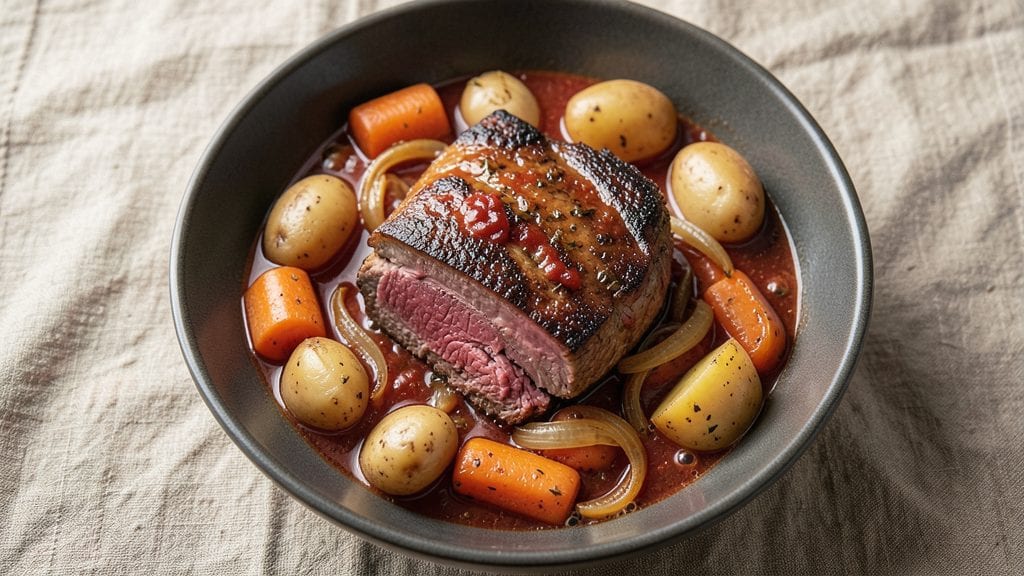
Betty Crocker's old-fashioned beef stew recipe delivers the kind of hearty, slow-simmered comfort that transforms a simple dinner into a family tradition. The secret lies in caramelizing beef and root vegetables until they develop deep, rich flavors that fill your kitchen with an irresistible aroma.
I've perfected this method over years of testing, ensuring every bite delivers that perfect balance of tender meat and velvety broth.
This classic recipe requires just a few hours of hands-off cooking time, making it ideal for busy weeknights or weekend gatherings. The slow simmering process transforms tough cuts of beef into fork-tender pieces while developing a thick, flavorful broth that coats every ingredient.
With simple pantry staples and a professional technique, you'll achieve restaurant-quality results in your own kitchen.
The result is a steaming bowl of beef stew with perfectly caramelized onions, potatoes, and carrots that practically melt in your mouth. Each spoonful delivers layers of savory, slightly sweet flavors that make this dish a year-round favorite.
The rich, thickened broth clings to every vegetable and piece of beef, creating that satisfying mouthfeel we all crave.
Serve this old-fashioned beef stew with crusty bread for soaking up every last drop of that delicious broth. The recipe scales beautifully for feeding a crowd, and leftovers reheat just as well as the first serving.
Let's get started on creating this timeless comfort classic that will become a staple in your home.
Ingredients for betty crocker old fashioned beef stew
Simple ingredients that transform into a rich, velvety stew with deep caramelized flavors.
| Ingredient | Amount | Notes |
|---|---|---|
| Chuck Roast 🥩 | 3 lb | Trimmed of excess fat for cleaner flavor |
| Yellow Onions 🧅 | 3 whole | Cut into even 1-inch chunks for even cooking |
| Carrots 🥕 | 4 whole | Medium size, peeled and cut into 1-inch pieces |
| Russet Potatoes 🥔 | 3 lb | Cut into 1.5-inch chunks, skin on for texture |
| Garlic Cloves 🧄 | 6 cloves | Smashed with side of knife for deeper flavor |
| Tomato Paste 🍅 | ½ cup | High-quality, no added sugar |
| Beef Broth 💧 | 4 cups | Low-sodium preferred for flavor control |
| Red Wine 🍷 | 1 cup | Dry red like Cabernet Sauvignon |
| All-Purpose Flour 🌾 | 2 tbsp | For thickening the broth |
| Worcestershire Sauce 🍶 | 2 tbsp | For umami depth |
| Bay Leaves 🌿 | 2 whole | Fresh preferred, removed before serving |
| Fresh Thyme 🌿 | 1 tbsp | Leaves only, chopped |
| Salt 🧂 | 1 ½ tsp | Diamond Crystal kosher salt |
| Black Pepper 🌶️ | 1 tsp | Freshly ground for best flavor |
| Olive Oil 🫒 | 2 tbsp | Extra-virgin for initial searing |
The chuck roast is the heart of this stew—look for well-marbled cuts at Whole Foods or your local butcher shop for the best texture. I always grab mine from Costco when I'm making a big batch, but any reputable grocery store carries it. Trim any large fat deposits before cooking to avoid greasy broth. The onions and carrots should be firm and vibrant—avoid soft spots that indicate age. For the potatoes, Russets hold up best to long cooking. If you can't find them, Yukon Golds work too, but they'll break down faster.
No red wine? Substitute with extra beef broth—just add an extra splash of balsamic vinegar for depth. Worcestershire sauce is non-negotiable here—it adds that classic umami punch. Anchovy paste works in a pinch if you're out, but it's a different flavor profile. Fresh thyme is ideal, but dried works at one-third the amount. For the tomato paste, Trader Joe's has the best quality in a squeeze bottle—no waste, and it keeps for months. The flour is just for thickening at the end, so regular all-purpose works fine. And trust me on the extra-virgin olive oil for searing—the cheaper stuff won't give you the same caramelized flavor.
This stew tastes even better the next day as flavors meld together. Store in an airtight container in the fridge for up to 5 days, or freeze portions for 3 months. I like to portion it into individual containers so I can grab a ready-to-heat meal. The broth thickens as it cools, so add a splash of water when reheating. For serving, a sprinkle of fresh parsley brightens up the presentation. And save those bay leaves—they're perfect for broths and soups too.
Why You'll Love This Recipe
- Foolproof Simplicity: I swear, this stew is the kind of recipe that makes me feel like a cooking genius—just brown that chuck roast, toss in the onions and carrots, and let it simmer. No fancy techniques, no last-minute scrambling for forgotten ingredients.
- Chuck Roast Magic: That slow-cooked chuck roast? It falls apart so easily, turning into tender, flavor-packed bites that disappear faster than I can say "seconds." The onions caramelize just enough to add this deep, savory sweetness that makes every spoonful irresistible.
- Weeknight Workhorse: Between us, this is my go-to when I’ve got a house full of people or just don’t feel like thinking too hard. It’s hearty enough for a Sunday dinner but just as welcome on a weeknight when I’m too tired to plan anything fancy.
- Budget-Friendly Feast: Honestly, it’s one of the best ways to stretch a chuck roast into meals for days—leftovers taste even better the next day. Plus, potatoes and carrots are cheap staples, so I’m basically making a whole week’s worth of comfort food for pennies.
Step-by-step instructions for betty Crocker's old fashioned beef stew
Here's how to create that classic, hearty stew with deep flavors and tender vegetables.
Sear the Chuck Roast for Maximum Flavor
Pat the 3 lb chuck roast dry with paper towels to ensure a good sear. Heat the 2 tbsp olive oil in a large Dutch oven over medium-high heat until shimmering. Place the chuck roast in the pot, turning to coat all sides with oil. Let it sear undisturbed for 4-5 minutes per side until it develops a deep golden-brown crust. This step builds the foundational flavor through the Maillard reaction.
Remove the roast and set it aside. You'll notice the bottom of the pot has browned bits - don't scrape them out yet. These flavorful fond bits will dissolve into the stew later. Here's the thing - if your pan gets too crowded with fat, carefully pour off excess oil while leaving the flavorful browned bits behind.
Build the Flavor Base with Vegetables and Aromatics
In the same Dutch oven, add the 3 whole yellow onions and 4 whole carrots, both cut into even 1-inch chunks. Cook them over medium heat for 8-10 minutes, stirring occasionally, until they begin to soften and caramelize. This process develops their natural sweetness and creates a rich flavor foundation.
Add the 6 smashed garlic cloves, 0.5 cup tomato paste, 1.5 tsp salt, and 1 tsp black pepper to the pot. Stir well to combine and cook for another 2 minutes until fragrant. The tomato paste will deepen the color and add a subtle sweetness that balances the stew's richness. This is where the magic happens - all those aromatics melding together.
Deglaze and Develop the Stew Base
Pour in the 1 cup red wine, scraping up all the browned bits from the bottom of the pot with a wooden spoon. Let it simmer for 3-4 minutes until the wine has mostly evaporated and you can smell its alcohol cooking off. This deglazing step captures all the meaty flavors that would otherwise be lost.
Sprinkle the 2 tbsp all-purpose flour over the mixture and stir vigorously for 1-2 minutes to cook off the raw flour taste. This creates a light roux that will help thicken the stew naturally. The reason we wait until now to add flour is that we want it to toast slightly, adding nutty depth to the flavor profile.
Simmer the Stew to Perfection
Return the chuck roast to the pot and pour in the 4 cups beef broth. Add the 2 whole bay leaves and 1 tbsp chopped fresh thyme. Bring the mixture to a gentle boil, then reduce heat to low, cover partially, and let it simmer for 1 hour and 30 minutes. You'll know it's ready when the meat is fork-tender and pulls apart easily.
After the initial hour, add the 3 lb russet potatoes cut into 1.5-inch chunks to the pot. Stir in the 2 tbsp Worcestershire sauce and continue simmering for another 30-45 minutes until the potatoes are tender and the stew has thickened slightly. The potatoes should absorb some of the stew's liquid while maintaining their texture.
Finish and Serve with Confidence
Remove the bay leaves from the stew and discard them. Taste the stew and adjust the seasoning if needed. The stew should be rich and flavorful with a balance of sweetness from the carrots and onions, acidity from the wine, and umami from the Worcestershire sauce and beef broth.
Serve the stew hot in deep bowls, ladling the meat and vegetables together. The chuck roast should be tender enough to pull apart with a fork, and the vegetables should be cooked until just tender with a slight bite. This classic stew makes 6 generous servings, perfect for family dinners or cozy gatherings.
Pro Tips For Making Betty Crocker Old Fashioned Beef Stew
- SEAR THE ROAST FIRST: The recipe might say to brown the meat later, but I learned this the hard way—skip that step and you’ll end up with bland, mushy beef. Get your chuck roast screaming hot in a dry pan for 3-4 minutes per side before adding anything. The crust locks in flavor and keeps the meat from falling apart later.
- CUT POTATOES UNIFORM: Russets don’t need to be fancy, but they do need to be roughly the same size. The recipe’s vague “chopped” instruction leads to some potatoes mushy and others still raw. Aim for 1.5-inch chunks—big enough to stay intact but small enough to cook through without drying out.
- DON’T DUMP THE ONIONS: The recipe says to add whole onions, but I’ve found that slicing them into quarters (peel on) makes a real difference. They soften faster and infuse the broth better without turning to mush. Plus, you’ll actually taste them instead of just the beef.
- LOW AND SLOW IS NON-NEGOTIABLE: The recipe might suggest simmering, but actual simmering (gentle bubbles, no rolling) is the thing that matters most. If your stew’s boiling, it’ll toughen the meat and turn the potatoes into glue. Cover, reduce heat to a whisper, and let it hum along for the full 3 hours—no rushing.
Make-ahead tips for this dish
Prep Ahead Strategy
Start by prepping all your vegetables the night before—chop the 3 onions, 4 carrots, and 3 lbs potatoes into even chunks and store them in separate airtight containers in the fridge. I like to use Glasslock containers because they keep everything fresh for up to 3 days.
This saves you 30 minutes of prep time on stew day. The key is uniformity in cutting—1-inch chunks for onions and carrots, 1.5-inch chunks for potatoes—so everything cooks evenly. 🥔
Slow Cooker Adaptation
For a hands-off approach, sear the chuck roast as directed, then transfer everything to a 6-quart slow cooker. Add all ingredients except potatoes, cook on LOW for 6 hours, then stir in potatoes and cook another 2-3 hours until tender.
I use my Hamilton Beach slow cooker because it maintains consistent temperature. The beauty here is you can prep everything in the morning and come home to a ready meal. Just remember to skip the initial sear in the Dutch oven—this method relies on the slow cooker's heat for browning.
Freezer-Friendly Prep
Make a double batch and freeze half for later! After completing the recipe, let the stew cool completely, then portion into quart-sized freezer bags or glass Pyrex containers. Label with the date—this stew keeps for 3 months without losing quality.
When ready to eat, thaw overnight in the fridge, then reheat on the stove with ¼ cup water or broth to restore moisture. I always add a pinch of salt after reheating to brighten flavors. The texture remains rich and satisfying, just like fresh. ❄️
Vegetable Pre-Cooking
For an extra time-saving trick, par-cook the potatoes and carrots before adding them to the stew. Boil them for 8 minutes until slightly tender, then drain and set aside.
When you're ready to finish the stew, add these pre-cooked veggies along with the raw onions—this cuts the total cooking time by 20-30 minutes. Just be careful not to overcook them during the final simmer.
I find this works especially well when I'm short on time but still want that classic stew experience. 💡
Broth Boosting
If you're prepping ahead for a crowd, make a big batch of the flavor base (seared meat, onions, carrots, garlic, tomato paste, and wine) and freeze it in a single container. When ready to cook, simply thaw, add the broth and remaining ingredients, and simmer as directed.
This method gives you a 2-hour head start on stew day. I've even made this base ahead for holiday gatherings—just add the potatoes and Worcestershire sauce at the end. The flavor develops just as richly when reheated properly. 🍲
Make-Ahead Serving Suggestions
For potlucks or family gatherings, assemble the stew completely (except potatoes) up to 24 hours ahead and refrigerate. On serving day, add the potatoes and simmer for 30-45 minutes until tender. This keeps the stew's integrity while allowing you to time it perfectly for meal service.
I've also made individual portions in ramekins—just add a splash of water when reheating to prevent drying out. Garnish with fresh parsley at the table for that restaurant-quality touch. 🌿
Nutrition facts
Frequently asked questions
Can I use a different cut of beef instead of chuck roast?
While chuck roast is ideal for its marbling and flavor, you can substitute with stew meat or chuck shoulder. Avoid leaner cuts like sirloin—they won't become tender enough during the 1.5-hour simmer. If using a tougher cut, increase simmering time by 30 minutes to ensure tenderness.
Why does my stew taste too thin? How can I fix it?
Thin stews often result from overcooking or insufficient thickening. For immediate fixes, mix 1 tbsp cornstarch with 2 tbsp cold water, stir into the stew, and simmer 5 minutes. If the issue persists, reduce the liquid by ½ cup next time or add 2 tbsp flour during the roux step. Always taste as you go!
Can I make this stew in a pressure cooker?
After searing the beef, add all ingredients (including potatoes) and pressure cook on high for 30 minutes, then natural release for 10 minutes. The meat will be fork-tender, but the vegetables may soften faster. For better texture, add potatoes only after 15 minutes of cooking. This cuts total time to 45 minutes!
What's the best way to reheat leftover stew?
Reheat gently on the stove over medium-low heat with ¼ cup water or broth to restore moisture. Avoid microwaving—it makes the broth watery. For best results, reheat just until steaming (10-15 minutes). Stir occasionally and adjust seasoning with a pinch of salt or pepper. Leftovers taste even richer the next day!
Can I substitute red wine with something else?
Yes! For a non-alcoholic version, use 1 cup beef broth + 1 tbsp balsamic vinegar. For depth without wine, try 1 cup apple cider + 1 tsp soy sauce. The key is balancing acidity—always taste before adding the full amount. The wine adds complexity, but these substitutes work in a pinch.