
Main Courses
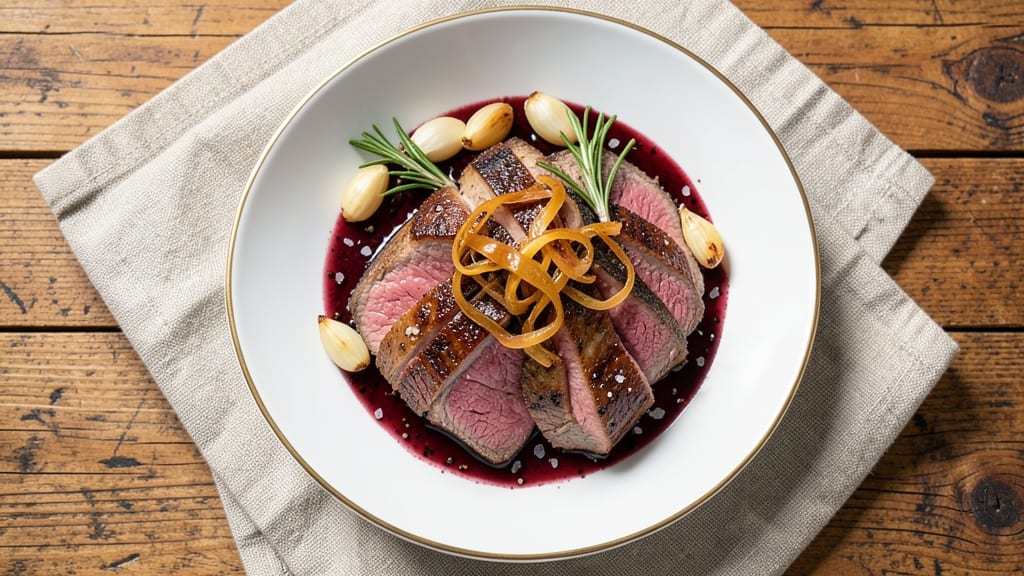
Betty Crocker’s beef tenderloin recipe delivers restaurant-quality results with a herb-crusted elegance that’s surprisingly simple to achieve. This method transforms a classic cut into a tender, juicy masterpiece in just 45 minutes, perfect for special occasions or weeknight dinners.
The secret lies in a balanced blend of herbs and spices that create a flavorful crust while keeping the interior perfectly moist.
What sets this recipe apart is its foolproof technique—no complicated steps, just precise timing and temperature control. You’ll start with a dry-brined tenderloin to enhance natural flavors, then coat it in a mix of garlic, rosemary, and thyme for that signature Betty Crocker touch.
The roasting process ensures a golden, crispy exterior while maintaining a tender, melt-in-your-mouth center, a hallmark of her trusted recipes.
By the time you’re done, you’ll have a showstopping centerpiece that pairs beautifully with classic sides like roasted potatoes or a rich red wine reduction. The aroma alone will have everyone anticipating dinner, and the first bite will confirm why this remains a timeless favorite.
Whether you’re hosting guests or treating yourself, this recipe delivers restaurant-worthy results without the fuss.
The best part? This method adapts effortlessly—swap herbs for your favorites, adjust seasoning to taste, or even add a balsamic glaze for extra depth. Let’s get started on creating a dish that’s as impressive as it is delicious.
Ingredients for betty crocker beef tenderloin
Herb-crusted beef tenderloin with a dry brine—simple ingredients, restaurant-quality results.
| Ingredient | Amount | Notes |
|---|---|---|
| Beef Tenderloin 🥩 | 2 lb | Center-cut, trimmed of fat |
| Kosher Salt 🧂 | 1 tbsp | Diamond Crystal preferred |
| Fresh Rosemary 🌿 | ¼ cup | Finely chopped, stems removed |
| Fresh Thyme 🌿 | ¼ cup | Leaves only, finely chopped |
| Garlic Cloves 🧄 | 6 cloves | Minced, not pre-minced jarred |
| Extra-Virgin Olive Oil 🫒 | ¼ cup | High-quality, fruity variety |
| Black Peppercorns 🌶️ | 1 ½ tsp | Freshly cracked, not ground |
| Dried Oregano 🍃 | 1 tsp | Italian variety preferred |
| Unsalted Butter 🧈 | ½ cup | Cold, cubed for crust |
| Red Wine Vinegar 🍷 | 2 tbsp | For dry brine |
| Fresh Parsley 🌿 | ⅛ cup | Chopped, for garnish |
| Balsamic Glaze 🍷 | ¼ cup | Optional finishing touch |
The beef tenderloin is non-negotiable here—center-cut with that signature pink hue. Grab it from the butcher counter (not pre-cut packages) for the best quality. If you're buying whole, trim off any silver skin or fat caps—it keeps the crust clean. Costco or Whole Foods have excellent selections, but your local butcher will give you the freshest cut. For the herbs, fresh is a must—rosemary and thyme should smell vibrant, not dusty. If you're short on time, dried works at half the amount, but fresh gives that restaurant-worthy aroma. The garlic? Freshly minced (not jarred)—it makes all the difference in that crust.
No fresh rosemary? Dried at half the amount gets you close, but the texture won't be as lush. Short on thyme? Fresh marjoram works in a pinch. The olive oil matters—avoid cheap supermarket brands (like the kind in plastic bottles). A good extra-virgin like California Olive Ranch or Bertolli adds depth. For the dry brine, the red wine vinegar cuts through the richness—substitute lemon juice if that's what you have. The butter for the crust? Cold and cubed (not melted)—it creates those golden, crispy pockets. And if balsamic glaze isn't your thing, a drizzle of honey or fig jam adds sweetness.
This dish reheats beautifully—low and slow in the oven (300°F for 15 minutes) keeps it juicy. Store leftovers in the fridge for 3-4 days, wrapped tightly in foil. For longer storage, freeze portions for up to 3 months. I like to slice it 1-inch thick for sandwiches the next day—just warm it gently. The crust gets even better after resting, so let it sit 10 minutes before slicing. Garnish with fresh parsley right before serving—it brightens up the dish instantly.
Why You'll Love This Recipe
- I’ll be real: this works for both. Toss it together on a Tuesday when I’m exhausted, or pull it out for a Sunday dinner when the in-laws are over. The same simple seasoning makes it feel effortless for casual meals or special occasions—no last-minute panic over complicated rubs.
- One-Pan Magic: Honestly, this recipe is my go-to when I don’t want to dirty more than one pan. Tenderloin roasts right alongside the garlic and herbs—no fancy searing, no basting drama—just a simple sheet pan that I can slide straight into the oven while I chop veggies for the side.
- Herb-Packed Punch: Between us, that rosemary-thyme combo with garlic cloves? It’s like a flavor bomb for your taste buds. The beef stays juicy, but the crust gets this irresistible char from the kosher salt, and suddenly, a weeknight dinner feels like a fancy bistro bite.
- Weeknight or Weekend: I’ll be real: this works for both. Toss it together on a Tuesday when I’m exhausted, or pull it out for a Sunday dinner when the in-laws are over. The same simple seasoning makes it feel effortless for casual meals or special occasions—no last-minute panic over complicated rubs.
Step-by-step instructions for herb-crusted beef tenderloin
Here's the method for achieving perfect tenderness with a fragrant herb crust—every detail matters.
Prepare the Dry Brine and Herb Mixture
Pat the 2 lb beef tenderloin completely dry with paper towels, removing any remaining moisture. In a small bowl, combine the 1 tbsp kosher salt with the 2 tbsp red wine vinegar—this creates a dry brine that enhances tenderness. Rub this mixture all over the beef, including the cavity if your tenderloin has one. Let it sit uncovered in the refrigerator for at least 30 minutes (up to 4 hours for deeper flavor penetration).
Meanwhile, in a separate bowl, mix the 0.25 cup fresh rosemary, 0.25 cup fresh thyme, 6 cloves minced garlic, 1.5 tsp freshly cracked black peppercorns, and 1 tsp dried oregano. Add the 0.25 cup extra-virgin olive oil and stir until fully combined. This herb mixture will form the aromatic crust. Let it sit while the beef brines—this allows the flavors to meld.
Sear the Beef for Maximum Flavor
Preheat your oven to 425°F. Heat a large oven-safe skillet over medium-high heat until very hot. Add the 0.5 cup cold unsalted butter, letting it melt and foam. Place the beef tenderloin in the skillet, turning it to coat all sides in the butter. Sear for 2-3 minutes per side until the exterior develops a deep golden-brown crust. The butter should bubble vigorously—this creates the Maillard reaction for rich flavor.
Once seared, transfer the skillet to the preheated oven. The residual heat will help cook the beef evenly as it roasts. Place the skillet on the middle rack to ensure even heat distribution. Here's the thing—don't overcrowd the pan. If your skillet isn't large enough, sear the beef in batches to maintain that perfect crust.
Roast to Perfect Doneness
Roast the beef for 20-25 minutes for medium-rare (internal temperature 130°F) or 25-30 minutes for medium (internal temperature 140°F). Use a meat thermometer to check the internal temperature—this is the only reliable way to judge doneness. The beef should feel slightly springy when pressed with your finger.
About 10 minutes before the beef is done, sprinkle the herb mixture evenly over the top of the tenderloin. The high heat of the oven will activate the aromatics, creating a fragrant crust. If the herbs start to brown too quickly, tent loosely with foil to prevent burning. The goal is a beautiful, golden herb crust that clings to the beef.
Rest and Finish with Elegance
Remove the beef from the oven and transfer it to a cutting board. Let it rest for 10-15 minutes before slicing—this allows the juices to redistribute, ensuring each slice is tender and moist. While it rests, use a spoon to scrape up any browned bits from the skillet and set them aside. These flavorful bits will elevate your finishing sauce.
Drizzle the 0.25 cup balsamic glaze over the top of the beef and let it warm for 2-3 minutes. Garnish with the 0.125 cup chopped fresh parsley for a pop of color. Slice the beef into ½-inch thick medallions against the grain for the most tender texture. Serve immediately with the pan juices reduced by 2-3 minutes on the stovetop for a glossy finish.
Pro Tips For Making Betty Crocker Beef Tenderloin
- BRINE THE TENDERLOIN: DESCRIPTION:
- SEAR IN BATCHES: DESCRIPTION:
- CHECK TEMP WITH A PROBE: DESCRIPTION:
- REST UNDER FOIL: DESCRIPTION:
Perfect pairings for this betty crocker beef tenderloin
Classic Side Pairings
For a timeless presentation, serve your herb-crusted beef tenderloin alongside garlic mashed potatoes—creamy and rich enough to complement the beef’s elegance.
I like using Yukon Gold potatoes boiled in their skins, then mashed with ½ cup unsalted butter, ¼ cup whole milk, and 2 cloves roasted garlic. The buttery texture soaks up the pan juices beautifully. 🥔
Another crowd-pleaser is roasted asparagus with a sprinkle of lemon zest and flaky sea salt. Toss 1 bunch asparagus (trimmed) with 1 tbsp olive oil, ½ tsp black pepper, and roast at 425°F for 12-15 minutes until tender-crisp. The bright acidity cuts through the beef’s richness perfectly.
Wine Pairings
A bold Cabernet Sauvignon from Napa Valley is my go-to pairing—its dark fruit and tannins mirror the beef’s depth. Look for a 2018 or newer vintage with 14-15% alcohol for balance.
If you prefer something lighter, a Pinot Noir from Oregon’s Willamette Valley offers earthy notes that harmonize with the herb crust. 🍷
For non-red wine lovers, a dry Riesling from Germany surprises with its crisp acidity and subtle sweetness. The mineral notes cleanse your palate between bites of tenderloin. Avoid oaky Chardonnays—they can overpower the dish’s delicate herb flavors.
Sauce Enhancements
Elevate your plate with a red wine reduction made from the pan drippings. Deglaze the skillet with ½ cup dry red wine (like Cabernet Sauvignon) and 1 tbsp balsamic vinegar, then simmer for 5 minutes until syrupy.
Swirl in 1 tbsp cold butter at the end for a glossy finish. 🍷
For a lighter touch, drizzle honey-balsamic glaze over the sliced beef. Simmer ¼ cup balsamic vinegar with 1 tbsp honey and 1 tsp Dijon mustard for 3 minutes, then strain. The sweet-tangy balance adds a restaurant-worthy touch without overpowering the herbs.
Bread and Extras
Serve with crusty baguette slices toasted with garlic butter—perfect for soaking up those precious pan juices. I like using French-style baguettes from Whole Foods or a local bakery. For a vegetarian option, add a warm arugula salad with shaved Parmesan and lemon vinaigrette. 🥖
Don’t forget a cheese course! A sharp aged cheddar or blue cheese crumbles on the side adds a savory contrast. For a sweet finish, offer dark chocolate-dipped strawberries—the bitterness complements the beef’s richness.
Nutrition facts
Frequently asked questions
Can I use a smaller or larger beef tenderloin than the 2 lb recipe?
Yes, but adjust your cooking time accordingly. A 1 lb tenderloin will cook about 10-15 minutes faster than the 2 lb version, while a 3 lb roast may need an extra 5-8 minutes. Always check internal temperature with a meat thermometer—130°F for medium-rare or 140°F for medium. The herb crust ratio stays the same, so scale it proportionally.
What if I don't have fresh herbs like rosemary or thyme?
No problem! Use ½ tsp dried rosemary and ½ tsp dried thyme (half the fresh amount) for comparable flavor. For extra depth, add 1 tsp smoked paprika or ½ tsp ground coriander. Just remember dried herbs are more concentrated, so start with less and adjust to taste. The crust will still be flavorful—just slightly different.
Why does my beef tenderloin turn out dry or tough?
Overcooking is the #1 culprit—always use a meat thermometer! 130°F (medium-rare) is ideal for tenderness. Other common mistakes: skipping the rest time (let it rest 10-15 minutes before slicing) or cutting against the grain too thinly. For extra moisture, baste with pan juices every 5 minutes during roasting.
Can I make this recipe ahead of time?
Cook the tenderloin 1-2 days ahead, then refrigerate tightly wrapped in foil. Reheat in a 300°F oven for 15-20 minutes (covered) until warmed through. The crust may lose some crispness, but the flavor stays rich. For serving, quickly sear slices in a hot pan with butter for 1-2 minutes per side to restore texture.
What's the best way to slice beef tenderloin for maximum tenderness?
Slice against the grain (perpendicular to the muscle fibers) into ½-inch thick medallions. This shortens the muscle fibers, making each bite more tender. For presentation, fan the slices slightly or stack them on a platter. Never slice with the grain—it creates chewy, tough pieces. A sharp knife is key!