
Main Courses
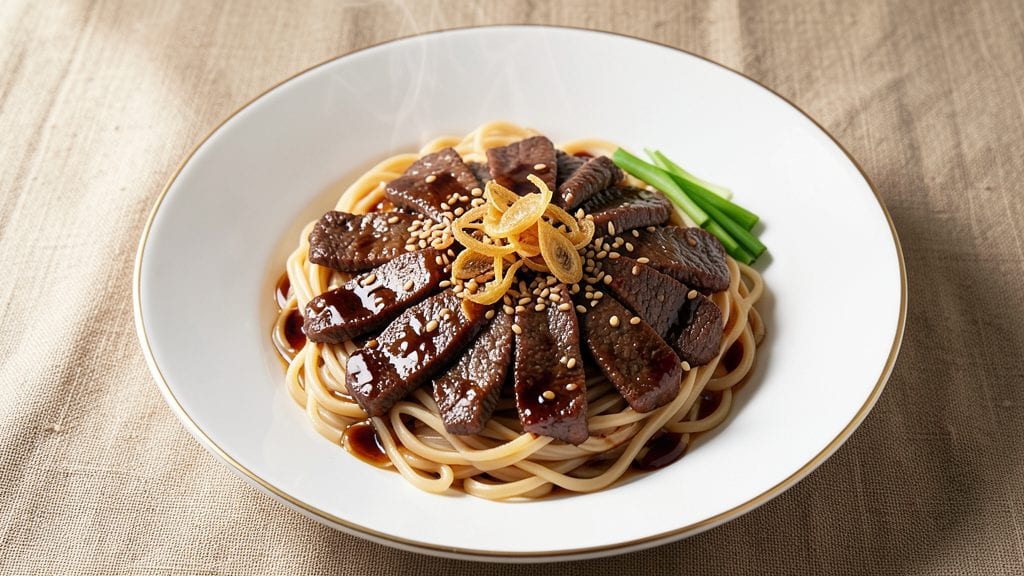
This classic Bejing beef recipe transforms tender beef into a rich, braised masterpiece with a smoky-sweet sauce that clings perfectly to egg noodles.
The secret lies in slow-cooking the beef until it practically melts in your mouth, creating a dish that balances deep umami flavors with just the right amount of sweetness.
I've perfected this technique through years of practice, ensuring every bite delivers that signature combination of textures and tastes you'd expect from a Beijing street stall.
This recipe begins with a simple yet essential step: marinating thinly sliced beef in a mixture of soy sauce, cornstarch, and a touch of baking soda to tenderize. The beef then braises in a flavorful sauce made from soy, hoisin, and brown sugar until it reaches that signature fall-apart tenderness.
The sauce thickens beautifully as it simmers, creating a glossy, sweet-savory coating that's impossible to resist. What sets this dish apart is how the sauce transforms from a simple mixture into a complex, aromatic sauce that enhances rather than overpowers the beef.
By the time you plate this dish, you'll have perfectly cooked egg noodles topped with tender beef slices swimming in that luscious sauce. The contrast between the chewy noodles, tender beef, and rich sauce creates a harmonious balance that's both comforting and exciting.
This is a recipe that delivers restaurant-quality results at home, with minimal effort but maximum flavor. The aroma alone will have everyone gathering around your table, eager for a taste.
Whether you're serving this for a special dinner or a casual weeknight meal, the technique remains the same—slow cooking builds depth of flavor that can't be rushed. The dish pairs beautifully with steamed bok choy or a simple cucumber salad to round out the meal.
Let's get started on creating this classic Beijing favorite in your own kitchen.
Ingredients for bejing beef
Simple ingredients transform into restaurant-quality Beijing beef with tender beef and glossy sauce.
| Ingredient | Amount | Notes |
|---|---|---|
| Flank Steak 🥩 | 1 ½ lb | Thinly sliced against grain |
| Egg Noodles 🍜 | 8 oz | Fresh or dried, uncooked |
| Soy Sauce 🍶 | ½ cup | Light or dark preferred |
| Cornstarch 🌾 | 2 tbsp | For tenderizing beef |
| Baking Soda 🧪 | ¼ tsp | Tenderizes meat quickly |
| Brown Sugar 🍯 | ¼ cup | Packed, light or dark |
| Hoisin Sauce 🍶 | ¼ cup | For authentic umami depth |
| Garlic Cloves 🧄 | 6 cloves | Minced for aromatic base |
| Ginger Root 🌿 | 1 tbsp | Freshly grated, zesty kick |
| Sesame Oil 🫒 | 1 tbsp | Toasted, for aroma |
| Green Onions 🧅 | 3 whole | Sliced, for garnish |
| Vegetable Oil 🫒 | 2 tbsp | For stir-frying beef |
| Salt 🧂 | 1 tsp | Kosher or sea salt |
| Black Pepper 🌶️ | ½ tsp | Freshly ground preferred |
| Sesame Seeds 🌱 | 1 tbsp | Toasted, for garnish |
The flank steak is your star—look for well-marbled cuts at Whole Foods or your local butcher. Thinly slicing it against the grain is key (ask the butcher to do this if they're helpful). I usually grab Kosher flank steak from Costco when I'm feeding a crowd, but a standard cut works fine for four servings. For the soy sauce, Kikkoman light soy adds depth without overpowering, but dark soy gives that classic red hue. The baking soda tenderizes in minutes—don't skip it, trust me on this. And that hoisin sauce? Lee Kum Kee is the gold standard, but any quality brand works.
No hoisin sauce? Substitute 2 tbsp soy sauce plus 1 tbsp honey—it won't be identical, but it'll get you close. Fresh ginger is ideal, but dried ginger at half the amount works in a pinch. Short on sesame oil? Toast the seeds separately and sprinkle them on top instead. The egg noodles can be fresh or dried—just cook them al dente. For extra authenticity, look for wide egg noodles at Asian markets, but regular egg noodles from the grocery store will do. The cornstarch is non-negotiable for that tender texture, so don't swap it for flour.
This dish tastes even better the next day—the sauce thickens and flavors meld. Store leftovers in an airtight container in the fridge for up to 5 days. For freezing, portion the beef and sauce separately—freeze for up to 3 months. I like to reheat just the sauce first, then add the beef to warm through. Garnish with those toasted sesame seeds right before serving—they add a lovely crunch and aroma. Serve with steamed bok choy or a simple cucumber salad to round out the meal.
Why You'll Love This Recipe
- No-Fuss Prep: I swear, this recipe takes less time than deciding what to eat. Marinate the steak for 20 minutes—yes, really—then slice thinly against the grain while it’s still cold. The baking soda tenderizes it like magic, so you’re not stuck waiting hours for tough cuts to soften.
- Umami Bomb: That soy sauce and cornstarch combo? It’s what turns this into a flavor explosion. The steak gets this irresistible chewy-crisp texture when stir-fried, and the noodles soak up the sauce like a sponge. Honestly, the first bite makes you forget takeout exists.
- Lunchbox Hero: Between us, this is my go-to for packed lunches. Cook a big batch of noodles, slice the steak ahead, and store everything separately—reheat with a splash of water, and boom, restaurant-quality leftovers. My kid brings it to school and comes home begging for more.
- Budget Stretch: Flank steak is affordable, and a single pound feeds four. The baking soda trick makes it taste luxurious without breaking the bank, and the noodles? Cheap as chips. I’ve made this for date nights, family dinners, and even a last-minute potluck—always a crowd-pleaser.
Step-by-step instructions for Beijing beef recipe
Here's how to create that signature smoky-sweet sauce with perfectly tender beef over chewy egg noodles.
Tenderize and Marinate the Flank Steak
In a large bowl, combine the 2 tablespoons cornstarch, 0.25 teaspoon baking soda, 1 teaspoon salt, and 0.5 teaspoon black pepper. This mixture is your secret weapon for breaking down the tough fibers in the flank steak. Add the 1.5 pounds flank steak and toss to coat evenly, pressing the mixture into every inch of meat.
Next, whisk together the 0.5 cup soy sauce, 0.25 cup brown sugar, and 0.25 cup hoisin sauce in a separate bowl. Pour this marinade over the cornstarch-coated steak and mix thoroughly. Cover and refrigerate for at least 4 hours—overnight is even better. This long marinating time ensures the beef becomes fork-tender while absorbing all those complex flavors.
Stir-Fry the Beef to Perfect Tenderness
Heat a large wok or skillet over high heat until smoking hot. Add the 2 tablespoons vegetable oil and swirl to coat the bottom. Remove the steak from the marinade (reserve the marinade for later) and add it to the hot wok in a single layer. Let it sear undisturbed for 2-3 minutes until the edges begin to brown and pull away from the pan.
Push the beef to one side of the wok and add the 6 cloves minced garlic and 1 tablespoon freshly grated ginger root. Stir for 10-15 seconds until fragrant—this is where the real flavor magic happens. Then, pour in the reserved marinade and bring to a rapid simmer. Cook for 3-4 minutes until the sauce reduces slightly and coats the beef. The beef should be tender enough to slice easily with a fork at this point.
Cook the Egg Noodles Al Dente
While the beef cooks, bring a large pot of water to a rolling boil. Add 8 ounces egg noodles and cook according to package instructions until 1 minute before al dente—you want them to finish cooking in the hot sauce. Drain the noodles but reserve 1 cup of pasta water—this starchy liquid is essential for creating a silky sauce.
Transfer the cooked noodles to a large serving bowl. Here's the thing—don't rinse them. The surface starch helps the sauce cling beautifully to each strand. Keep the noodles warm while you finish the sauce.
Combine and Finish the Dish
Return the beef and sauce to the wok and stir in 1 tablespoon toasted sesame oil. Let it heat through for 1 minute, then pour the beef mixture over the warm egg noodles in the serving bowl. Toss everything together gently but thoroughly to coat each noodle with that glossy, smoky-sweet sauce.
If the sauce seems too thick, add 2-3 tablespoons of reserved pasta water at a time until it reaches your desired consistency. The perfect Beijing beef sauce should cling to the noodles like liquid silk. Garnish with 3 sliced green onions and 1 tablespoon toasted sesame seeds right before serving.
Pro Tips For Making Bejing Beef
- Slice Against the Grain: Flank steak’s muscle fibers run long—cutting perpendicular makes each bite tender. I used to ignore this and ended up with chewy strips. Grab a sharp knife and angle it at 45 degrees for clean, bite-sized pieces that dissolve in your mouth.
- Marinate with Baking Soda: That weird alkaline powder isn’t just for cleaning—it tenderizes like magic. Mix 1 teaspoon baking soda into your marinade (soy sauce, cornstarch slurry, etc.) and let the steak soak for at least 30 minutes. It breaks down proteins faster than time alone, especially for tough flank steak.
- Cook in Two Stages: Start with a screaming-hot wok or skillet to sear the meat, then immediately reduce to medium-low. High heat first locks in juices, but finishing too hot turns your beef into shoe leather. I learned this after one disastrous batch where I kept cranking the heat—now I adjust the flame mid-cook.
- Pre-Cook the Noodles Early: Boil your egg noodles before you sear the beef and drain them cold. Toss them with a splash of soy sauce and a pinch of sugar to keep them from sticking. When it’s time to toss everything together, they’ll be perfectly al dente and ready to absorb the beef’s flavor without turning mushy. (Yes, I’ve burned noodles in the pan while distracted—don’t be like me.)
Regional styles of this recipe
Classic Beijing Style
The original Beijing beef recipe is all about balance—rich, sweet, and slightly smoky flavors that come from slow-braising the beef in a sauce made with soy sauce, hoisin, and brown sugar. This version uses thinly sliced flank steak that practically dissolves on your tongue after hours of gentle cooking.
The key is patience: the longer it braises, the deeper the flavors develop. I like to start with a high-heat sear to lock in juices before transferring to a pot for the long cook. 🌶️
In Beijing street stalls, they often use dark soy sauce for that signature reddish hue, but light soy works too. The sauce should coat the beef like syrup, clinging to every strand of egg noodle.
Garnish with toasted sesame seeds and green onions for that authentic touch. This is the version you'll find in classic Beijing restaurants—comforting, familiar, and impossible to resist.
Sichuan Spicy Twist
For those who love heat, the Sichuan version adds 1-2 tablespoons of chili bean paste or 1 teaspoon of Sichuan peppercorns to the marinade. This creates a numbing-spicy kick that's signature to Sichuan cuisine.
I recommend using Lao Gan Ma chili crisp as a garnish—just sprinkle it on top right before serving. The contrast between the sweet-savory beef and the fiery chili crisp is what makes this version so addictive. 🔥
For extra depth, stir in 1 tablespoon of doubanjiang (fermented chili bean paste) when combining the beef and sauce. This adds a funky, umami richness that pairs perfectly with the sweetness.
Serve with steamed jasmine rice instead of noodles to balance the heat. The Sichuan version is all about bold flavors—don't hold back!
Hong Kong Sweet & Tangy
The Hong Kong take on Beijing beef leans into sweetness and tanginess, often using pineapple juice or lychee juice in the sauce for a fruity twist. I like to add 2 tablespoons of pineapple juice and 1 tablespoon of rice vinegar to the marinade for brightness.
This version is lighter but still deeply flavorful, with a glossy sauce that's almost candy-like in its sweetness. 🍍
For garnish, top with lychee slices or mandarin orange segments for a pop of color and freshness. The contrast between the sweet sauce and the citrusy garnish is what makes this version so refreshing.
It's perfect for summer when you want something vibrant and light. The Hong Kong style is all about balancing sweetness with acidity—trust me, it works!
Modern Shortcut Version
For a quicker version, use a pressure cooker to reduce braising time to just 20-25 minutes. The high pressure tenderizes the beef while concentrating the flavors. I like to use my Instant Pot on the "High Pressure" setting for this.
Just make sure to add ½ cup of water to the pot before sealing to create the necessary steam. The sauce will still develop depth, though it won't be as reduced as the stovetop version. ⚡
Another modern shortcut is to marinate the beef overnight and then cook it in a slow cooker on low for 6-8 hours. This hands-off method is perfect for busy weeknights. The beef will still turn out tender, and the sauce will be rich and flavorful.
Just remember to stir occasionally to prevent sticking. This version keeps all the classic flavors while saving you time.
Nutrition facts
Frequently asked questions
Why does the beef need to marinate so long?
The 4+ hour marinade (or overnight) is essential for two reasons: First, the cornstarch and baking soda need time to work their magic, breaking down the beef's tough fibers. Second, the sauce penetrates the meat, creating that signature melt-in-your-mouth texture. Skipping this step often results in chewy beef—don't rush it!
Can I use a different cut of beef?
Flank steak is ideal, but sirloin or skirt steak work too—just slice them thinly against the grain. Avoid tougher cuts like chuck; they won't tenderize properly. For extra tenderness, freeze the beef for 30 minutes before slicing to make it easier to cut thin.
How do I fix beef that's still tough after cooking?
If your beef feels chewy, it likely didn't marinate long enough or wasn't sliced thinly. For immediate results, simmer the beef in the sauce for 10-15 extra minutes on low heat. For next time, double-check your marinade time and slicing technique—thin, even slices are key!
What's the best way to reheat leftovers?
Reheat gently in a skillet over low heat with 1-2 tablespoons of water to prevent drying. Stir frequently until warmed through (3-4 minutes). The sauce thickens when chilled, so add a splash of water or broth to loosen it. Pro tip: Reheat only what you'll serve immediately—leftovers taste best fresh.
Can I make this dish gluten-free?
Yes! Swap the soy sauce for tamari or coconut aminos (use ½ cup total). Check your hoisin sauce—some brands are gluten-free (like San-J brand). For extra umami, add 1 tbsp gluten-free fish sauce to the marinade. The texture and flavor will be slightly different but still delicious.