
Main Courses
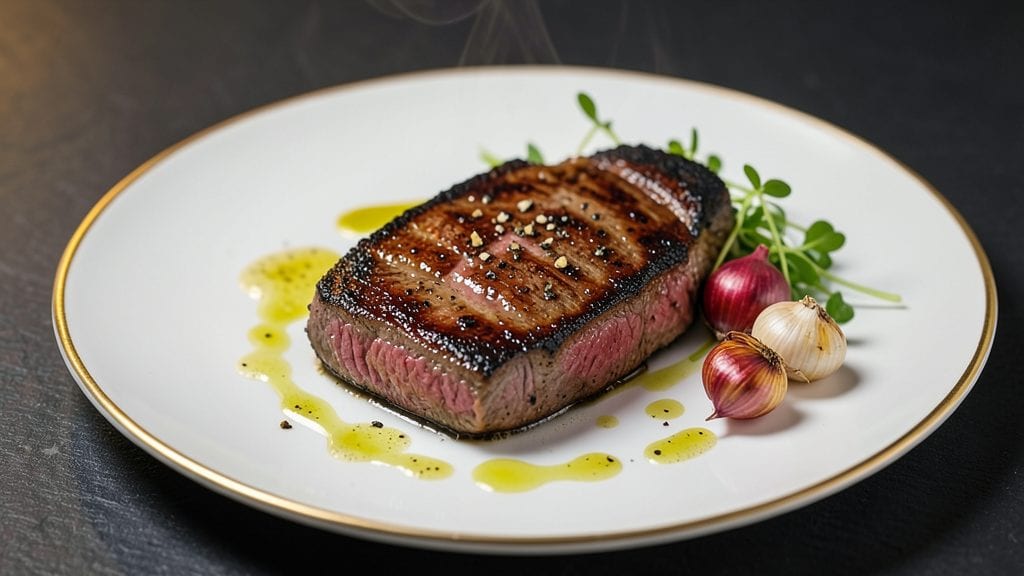
Mastering the perfect beef top loin steak means achieving a crispy crust while keeping that juicy pink center intact—this reverse-seared method delivers restaurant-quality results every time. The secret lies in precise temperature control and a methodical approach that transforms tough cuts into melt-in-your-mouth perfection.
I’ve perfected this technique over years of testing, ensuring the steak stays tender without sacrificing that coveted caramelized exterior.
This recipe focuses on simplicity without compromising flavor: just a few high-quality ingredients and a foolproof technique that works for grilling or pan-searing. The key is patience—low-and-slow cooking first, then a high-heat finish to lock in juices and create that signature crust.
With just 15 minutes of active prep and 20 minutes total cook time, you’ll have a steak that’s worth every bite.
What you’ll end up with is a steak that’s tender yet firm, with a deep mahogany crust and a pink center that’s still warm and succulent. The reverse-sear method ensures even cooking, so no dry edges or overcooked centers—just pure, satisfying beef.
Serve it with classic sides like roasted potatoes or a fresh salad to complete the meal.
Whether you’re grilling outdoors or searing in your kitchen, this method adapts seamlessly. The reverse-sear technique isn’t just for steakhouse chefs—it’s a professional-grade method anyone can master. Let’s get started on creating your best steak yet.
Ingredients for beef top loin steak
High-quality beef and precise seasoning transform simple ingredients into restaurant-grade steak perfection.
| Ingredient | Amount | Notes |
|---|---|---|
| Beef Top Loin Steak 🥩 | 1 ½ lb | Center-cut, 1-1.5 inches thick |
| Kosher Salt 🧂 | 2 tbsp | Diamond Crystal preferred for texture |
| Freshly Ground Black Pepper 🌶️ | 1 tbsp | Cracked peppercorns preferred |
| Extra-Virgin Olive Oil 🫒 | 2 tbsp | High smoke point for searing |
| Unsalted Butter 🧈 | 4 tbsp | Cold, cut into 1-inch cubes |
| Garlic Cloves 🧄 | 4 cloves | Peeled, smashed for aroma |
| Fresh Rosemary 🌿 | 2 sprigs | Finely chopped, organic preferred |
| Fresh Thyme 🌿 | 2 sprigs | Leaves only, French preferred |
| Beef Tallow or Duck Fat 🍳 | 1 tbsp | For rendering in oven |
| Cast Iron Skillet 🔥 | 1 whole | 12-inch diameter preferred |
| Meat Thermometer 🌡️ | 1 whole | Instant-read, 1/8-inch probe |
The beef top loin is the star—look for center-cut sections with visible marbling for optimal tenderness. Whole Foods or local butchers often carry the best cuts, but Costco provides excellent value for bulk purchases. The steak should be 1-1.5 inches thick for even cooking; thicker cuts yield better results with reverse searing. Organic or grass-fed options elevate flavor, though conventional cuts work perfectly if fresh. Avoid pre-cut steaks with exposed surfaces, as they oxidize quickly and lose tenderness.
Diamond Crystal kosher salt is preferred for its coarse texture, which adheres better to the steak's surface. Freshly cracked black peppercorns deliver superior flavor compared to pre-ground. For the fat, beef tallow renders cleanly, while duck fat adds richness. Substitute ghee if unavailable, though it lacks the same depth of flavor. Olive oil should be high smoke-point (like Avocado oil if preferred) to prevent burning during searing. Fresh herbs are non-negotiable—dried thyme or rosemary can be used at half the quantity, but the texture and aroma differ significantly.
Store fresh herbs wrapped in damp paper towels in a sealed container for up to 5 days. The steak should be used within 2 days of purchase for peak tenderness. Butter cubes can be prepped ahead and stored in the freezer for up to 3 months. Once cooked, steaks reheat best in a low-temperature oven (200°F) for 5-10 minutes to preserve moisture. For leftovers, slice against the grain and serve with reduced pan juices for maximum flavor retention.
Why You'll Love This Recipe
- I swear by this: just salt, pepper, and a hot pan. That’s it. The top loin’s natural richness shines when you let the crust form—no fancy seasoning blends or marinades needed. Honestly, my lazy Sundays now involve a 10-minute sear and a glass of wine while the steak rests.
- Two-Ingredient Magic: I swear by this: just salt, pepper, and a hot pan. That’s it. The top loin’s natural richness shines when you let the crust form—no fancy seasoning blends or marinades needed. Honestly, my lazy Sundays now involve a 10-minute sear and a glass of wine while the steak rests.
- Butter-Basted Bliss: The moment you flip that steak and baste it with melted butter? Pure satisfaction. The olive oil gets it started, but the butter at the end—oh, it’s where the flavor really happens. That crispy edge with the creamy center? Chef’s kiss, every single time.
- Weeknight or Date Night: Same recipe, different vibes. Toss it on the grill for summer BBQs or sear it in my cast-iron skillet when I’m too tired to plan. Between us, this steak feels fancy enough for a first date but takes less effort than ordering takeout.
Step-by-step instructions for beef top loin steak with perfect crust and core
This reverse-sear method guarantees a steak with a deep mahogany crust while preserving a tender pink center.
Prepare the Steak for Even Cooking
Remove the beef top loin steak from the refrigerator and pat it completely dry with paper towels. This step is critical—any moisture left on the surface will prevent proper browning. Place the steak on a wire rack set over a rimmed baking sheet to allow air circulation on all sides.
In a small bowl, combine the 2 tablespoons kosher salt and 1 tablespoon freshly ground black pepper. Rub this mixture evenly over all surfaces of the steak, pressing firmly so the seasoning adheres. Let the seasoned steak rest at room temperature for 30 minutes. This resting period allows the meat to come to room temperature, which ensures even cooking throughout.
Low-Temperature Oven Render for Maximum Tenderness
Preheat your oven to 250°F. Place the cast iron skillet on the middle rack and add the 1 tablespoon beef tallow or duck fat. Put the skillet in the oven to heat while you prepare the aromatics.
While the oven preheats, finely chop the 2 sprigs fresh rosemary and 2 sprigs fresh thyme. In the same skillet (after removing it from the oven), add the 2 tablespoons extra-virgin olive oil and the chopped herbs. Place the skillet back in the oven for 5 minutes to infuse the fat with flavor.
Remove the skillet from the oven and add the 4 smashed garlic cloves. Place the steak on top of the garlic, fat-side up, and return the skillet to the oven. Cook for 30-40 minutes, or until the meat thermometer inserted into the thickest part of the steak reads 110°F. The steak should feel slightly springy when pressed—this indicates it's ready for the final sear.
High-Heat Sear for Crispy Crust and Juicy Core
Remove the steak from the oven and transfer it to a clean cutting board. Let it rest for 5 minutes while you prepare the butter mixture. In a small bowl, combine the 4 tablespoons cold unsalted butter, cut into 1-inch cubes, with an additional 1 teaspoon kosher salt and 1 teaspoon freshly ground black pepper.
Heat the cast iron skillet over high heat until it's smoking hot. Add the butter mixture and swirl to coat the bottom evenly. Place the steak back in the skillet, fat-side down, and sear for 2-3 minutes until a deep golden-brown crust forms. Flip the steak and sear the other side for another 2-3 minutes, basting with the rendered butter frequently.
Check the internal temperature with the meat thermometer—it should read 125°F for medium-rare. If it's lower, continue searing until it reaches the desired temperature. The crust should be deep mahogany with visible grill marks, while the center remains tender and pink.
Rest and Serve for Optimal Juiciness
Transfer the steak to a warm cutting board and let it rest for 10 minutes. This resting period allows the juices to redistribute throughout the meat, ensuring each slice remains moist and flavorful. Tent loosely with aluminum foil to keep it warm.
Slice the steak against the grain into 1-inch thick portions. Serve immediately with the pan juices spooned over the top. The crust should shatter slightly when cut, revealing a perfectly pink, tender center. The aromatics-infused butter will add a rich, herby depth to every bite.
Pro Tips For Making Beef Top Loin Steak
- Preheat Pan Like It’s Your Job: Cast iron or stainless steel—get that sucker smoking hot for 5-7 minutes before adding oil. I used to rush this, and my steaks would steam instead of sear. High heat. Seriously, crank it up until you see a thin layer of smoke when you add the oil.
- Salt the Butter First: Mix 1-2 teaspoons of kosher salt into your unsalted butter before adding it to the pan. It melts faster and coats the steak evenly—no more dry spots or uneven seasoning. (Yes, even if you’re impatient like me.)
- Flip Once, Twice Max: Turn the steak just once—unless you’re going for a crust on both sides, then twice. Crowding the pan or flipping too often drops the temperature and ruins the sear. Let it sit undisturbed for 2-3 minutes per side.
- Rest Under Foil, Not Plate: After searing, transfer the steak to a piece of foil and tent it loosely—this traps heat better than a bare plate. Give it a solid 5-10 minutes (depending on thickness) before slicing. I learned this the hard way when my first cut was greasy and sad.
Pro cooking tips for beef top loin steak
Reverse Sear Precision
The reverse-sear method relies on two critical temperature phases: 250°F for the low-and-slow render and high heat for the final sear. I use a ThermoWorks Smoke thermometer to monitor both the oven and steak temperatures—this ensures accuracy.
The goal is to reach 110°F internal temperature before searing, which guarantees a juicy center while the crust forms during the high-heat finish. 🌡️
Fat Selection Matters
Beef tallow or duck fat is ideal for rendering in the oven because they have high smoke points and render cleanly. I avoid olive oil for this step—it burns too easily at 250°F.
If you don’t have either, ghee works as a substitute, though it lacks the same depth of flavor. The rendered fat infuses the steak with aroma during the low-temperature phase, creating a flavor base that the butter basting enhances during searing.
Butter Basics
Cold, cubed butter is essential for the final sear—it melts slowly and bastes the steak continuously. I cut the butter into 1-inch cubes and mix it with extra salt and pepper to amplify flavor.
As the butter melts during searing, it creates a glossy, herby crust that adds another layer of richness. Don’t skip this step—it’s what transforms a good steak into a great one. 🧈
Timing Is Everything
The 30-minute room-temperature rest before cooking is non-negotiable—it evens out the internal temperature so the steak cooks uniformly. After the low-temperature render, the 5-minute rest before searing prevents temperature shock.
Finally, the 10-minute rest after cooking lets juices redistribute. Rushing any of these steps risks dryness or uneven doneness. Patience here makes all the difference.
Cast Iron Care
Your cast iron skillet must be preheated until it’s smoking hot before adding the steak—this ensures proper crust formation. I use a 12-inch Lodge cast iron because it retains heat exceptionally well.
After cooking, wipe out any leftover butter with a paper towel and re-season the pan with a thin layer of oil while it’s still warm. Proper maintenance keeps your skillet ready for the next perfect steak. 🔥
Temperature Targets
Aim for 125°F internal temperature for medium-rare—this is the sweet spot for beef top loin. Use an instant-read thermometer to check the thickest part of the steak. If the temperature fluctuates, adjust the heat accordingly.
Overcooking by even 5°F can turn a tender steak tough. Trust your thermometer—it’s your best friend for perfect results every time. ⚡
Nutrition facts
Frequently asked questions
Why does the recipe call for a low oven temperature first?
The 250°F oven render gently cooks the steak's core evenly without overcooking the exterior. This method ensures a perfectly pink center while the high-heat sear later creates that coveted crust. The slow process also allows the fat to render and infuse flavor throughout the meat.
Can I use a different cut of beef instead of top loin?
While top loin is ideal for this recipe, you can substitute with ribeye or strip steak (both 1-1.5 inches thick). Avoid leaner cuts like sirloin—they lack the marbling needed for juicy results. Adjust cook times slightly if using thicker cuts (up to 45 minutes for the low-temperature phase).
What if my steak doesn't reach the right temperature during the oven phase?
If the steak isn't hitting 110°F after 40 minutes, increase the oven to 275°F and cook for another 10-15 minutes. Never exceed 120°F before searing—this risks overcooking. A meat thermometer is essential for accuracy. If your oven runs hot, reduce the temp to 225°F initially.
How do I adjust this for grilling outdoors?
For grilling, preheat to medium-low (300°F) and cook the steak over indirect heat for 20-30 minutes until it reaches 110°F. Move to direct heat for the final sear, basting with butter. Use a two-zone fire setup to maintain temperature control. The crust will form faster on the grill, so watch closely during the last 2 minutes of searing.
Is it okay to skip the resting time after cooking?
Never skip the 10-minute rest—it's crucial for redistributing juices. Cutting too soon causes all the flavorful liquid to escape, resulting in a dry steak. Tent with foil to keep it warm while resting. For thick cuts, extend the rest to 15 minutes for even better results. Patience here makes the difference between good and exceptional steak.