
Main Courses
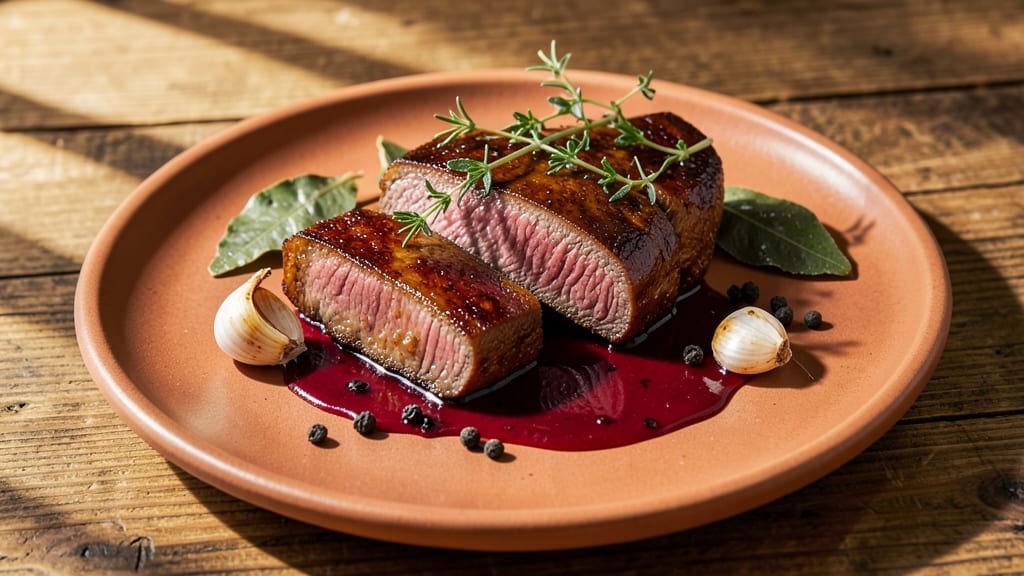
This beef tongue French recipe transforms a humble cut into a silky-smooth centerpiece that commands attention at any table. 🌟 The secret lies in slow cooking and precise gelatinous transformation, creating a texture that's both elegant and deeply satisfying.
I first discovered this technique while studying classic French cuisine, where beef tongue is celebrated for its ability to absorb rich flavors while developing a luxurious, melt-in-your-mouth consistency.
The process begins with marinating the tongue in aromatic herbs and wine, which tenderizes the meat and infuses it with depth. After slow braising, the tongue is carefully poached to achieve that signature gelée texture, where the collagen transforms into a delicate, wobbling center.
This method ensures every bite delivers both richness and refinement, making it a showstopper for special occasions or impressive dinner parties.
What makes this dish truly special is the French technique of reducing the cooking juices into a glossy, flavorful sauce that enhances the tender tongue.
The result is a plate that's as visually stunning as it is delicious—golden-brown edges giving way to a silky interior that practically melts on your tongue. Served with classic accompaniments like roasted vegetables or a crisp green salad, this dish elevates any meal to restaurant-quality status.
The beauty of this recipe is its versatility—it works equally well as a main course for two or as part of a larger French-inspired feast. Whether you're preparing it for a romantic dinner or a festive gathering, the technique remains the same, delivering consistent, professional results every time.
Let's bring this classic French preparation to your kitchen.
Ingredients for beef tongue french
Twelve ingredients transform humble beef tongue into French haute cuisine's most luxurious centerpiece.
| Ingredient | Amount | Notes |
|---|---|---|
| Beef Tongue (Fresh) 🥩 | 1 whole | Trimmed of excess fat and membrane |
| Red Wine 🍷 | 2 cups | Dry, full-bodied variety like Cabernet Sauvignon |
| Garlic Cloves 🧄 | 6 cloves | Smashed for maximum infusion |
| Fresh Thyme Sprigs 🌿 | 4 sprigs | Organic preferred for purity |
| Fresh Bay Leaves 🍃 | 2 whole | Dried can substitute at half quantity |
| Black Peppercorns 🌶️ | 1 tbsp | Freshly cracked for intensity |
| Diamond Crystal Kosher Salt 🧂 | 1 ½ tbsp | For proper seasoning balance |
| Unsalted Butter 🧈 | ½ cup | Cold for sauce reduction |
| Shallots 🧅 | 2 whole | Minced for sauce refinement |
| Heavy Cream 🥛 | ½ cup | Full-fat for velvety texture |
| Beef Stock 🍲 | 1 cup | Homemade preferred for depth |
| Cold Water 💧 | 2 cups | For final poaching bath |
| Extra-Virgin Olive Oil 🫒 | 2 tbsp | For surface sheen and flavor |
The beef tongue is the star—sourcing matters. Butcher shops and specialty markets offer the freshest cuts, often labeled as 'ox tongue' or 'beef tongue.' Look for a piece with a vibrant pink hue and minimal surface fat. Whole Foods Market or D'Artagnan carry premium quality, though your local butcher can provide excellent options. The tongue should weigh about 1.5-2 lbs for two servings. Trim all visible fat and membrane before marinating, as these can impart bitterness. For maximum tenderness, opt for a younger cut—older tongues require longer cooking times. If you encounter resistance from suppliers, emphasize this is for a French preparation where texture is paramount.
Wine selection elevates the dish—Cabernet Sauvignon or Merlot from Napa Valley or Bordeaux regions deliver optimal depth. Substituting with beef stock plus a splash of balsamic vinegar works in a pinch, though the acidity profile differs. Thyme and bay leaves are non-negotiable for authentic French character; Penzeys Spices offers organic options that excel. The shallots must be minced finely—a food processor ensures even distribution. For the sauce reduction, unsalted butter is critical—salted versions can disrupt the delicate balance. Heavy cream should be chilled before incorporating to prevent curdling. The beef stock can be homemade or high-quality store-bought like Kitchen Basics, though professional chefs insist homemade delivers superior umami.
Proper storage extends the tongue's shelf life. After preparation, wrap the cooked tongue tightly in plastic wrap and refrigerate for up to 5 days, or freeze for 3 months in an airtight container. The sauce can be stored separately in the fridge for 4 days or frozen for 2 months. For reheating, warm gently in a saucepan with a splash of water to restore moisture. The gelatinous center is delicate—handle with care when serving. Portion the sauce in ramekins for elegant presentation. Leftover marinade can be reduced into a pan sauce by simmering until thickened, perfect for drizzling over roasted vegetables as an accompaniment.
Why You'll Love This Recipe
- Minimal Chopping Required: I swear by this—just peel the garlic, tie the thyme sprigs with twine, and let the wine do the work. No dicing, no mincing, no stress. That beef tongue practically cooks itself while you sip your glass of wine.
- Wine-Infused Magic: Between us, the red wine isn’t just for flavor—it tenderizes the tongue like nothing else. That deep, garlicky richness? It’s the kind of taste that lingers, making every bite feel like a little French bistro moment.
- Budget-Friendly Luxury: Fresh beef tongue is cheaper than steak, but it tastes like a splurge. A single cut feeds four, and the wine and herbs stretch into multiple meals. Honestly, it’s the kind of recipe that makes frugal feel fancy.
Step-by-step instructions for beef tongue gelée
This classic French technique transforms tough beef tongue into velvety, silken perfection.
🔥 Step 1: Parboil and Season the Beef Tongue
Place the whole beef tongue in a large pot and cover with 2 cups cold water. Bring to a gentle simmer over medium heat and cook for 2 hours until the meat is fork-tender. You'll know it's ready when it releases easily from the bone and the internal temperature reaches 160°F.
While the tongue cooks, prepare a seasoning blend by crushing the 6 cloves garlic, 1 tbsp black peppercorns, and 1.5 tbsp diamond crystal kosher salt together in a mortar and pestle. Add the 4 sprigs fresh thyme and 2 whole fresh bay leaves to the pot during the final 30 minutes of cooking. This aromatic infusion creates the foundation for your gelée's depth of flavor.
Drain the cooked tongue and let it cool slightly before peeling away the skin. The skin should slip off easily once the meat has cooled sufficiently. Reserve the cooking liquid for later use.
🍳 Step 2: Create the Infused Red Wine Reduction
In a separate saucepan, combine the 2 cups red wine with the 2 whole minced shallots. Bring to a simmer over medium heat and reduce by half, which should take about 10-12 minutes. You're looking for a concentrated, syrupy consistency that coats the back of a spoon.
Add the ½ cup unsalted butter and ½ cup heavy cream to the reduced wine. Continue cooking until the butter melts completely and the mixture thickens slightly. This creates a velvety base that will later transform into your silken gelée. Strain the mixture through a fine-mesh sieve to remove any impurities, then set aside to cool slightly.
In a separate bowl, combine the 1 cup beef stock with the reserved cooking liquid from the tongue. This combination adds depth and richness to your final preparation.
🥘 Step 3: Assemble and Chill the Gelée
Place the peeled beef tongue in a shallow baking dish or loaf pan. Pour the cooled wine reduction evenly over the tongue, ensuring complete coverage. Add the strained beef stock mixture and stir gently to combine. The liquid should completely immerse the tongue.
Cover the dish with plastic wrap, pressing it directly onto the surface of the liquid to eliminate air bubbles. This creates an even, smooth surface that will set perfectly. Refrigerate for at least 8 hours, preferably overnight, until fully set. The gelée should have a firm, jiggly consistency when gently shaken.
Before serving, carefully unmold the gelée by inverting the dish onto a serving plate. Drizzle with the 2 tbsp extra-virgin olive oil just before serving to add a luxurious sheen and subtle fruity note that complements the rich beef flavor.
🍽️ Step 4: Serve with Classic French Accompaniments
Slice the gelée into ½-inch thick portions using a sharp knife. The texture should be silky and melt-in-your-mouth, with a delicate wobble that's characteristic of perfect gelée. Serve immediately with classic French accompaniments like crusty baguette slices or a simple green salad dressed with vinaigrette.
For an elegant presentation, arrange the slices on a platter with a few sprigs of fresh thyme for garnish. The contrast between the rich, velvety tongue and the crisp bread creates a perfect balance of textures. This dish is particularly impressive when served at room temperature, allowing the flavors to fully develop and harmonize.
Pro Tips For Making Beef Tongue French
- Scorch the Tongue First: That blackened crust isn’t just for looks—it’s flavor insurance. After blanching, sear the tongue in a screaming-hot pan for 2-3 minutes per side until deeply charred. I used to skip this, and the final texture was always chewy. The caramelized layer breaks down during braising, turning tough meat into melt-in-your-mouth perfection.
- Use Dry Wine, Not Cooking Wine: Your $3 boxed "cooking wine" will taste like it in the dish. Splurge on a decent dry red—something you’d drink—and reduce it first. I learned this after serving a dish where the wine’s sweetness fought with the thyme. Even a cheap but dry bottle (like a basic Chianti) makes a real difference.
- Don’t Rush the First Simmer: After searing, add just enough water to cover the tongue and bring to a gentle simmer—not a rolling boil. I used to crank the heat, and the tongue would toughen up instead of tenderizing. Keep it at a low bubble, and let the thyme and bay leaves infuse without fighting the liquid.
- Strain the Braising Liquid: The final reduction should be silky, not herby. After braising, strain the liquid through a fine-mesh sieve to remove thyme stems and bay leaves—even if they look harmless. I skipped this once, and the dish tasted like a bouquet instead of a balanced sauce. (Yes, even if you love thyme.)
Dietary considerations for this recipe
Protein-Rich Powerhouse
Beef tongue is a nutrient-dense protein source, delivering 30 grams of protein per 3.5-ounce serving—more than chicken breast or salmon. It's packed with iron (12% DV), zinc (30% DV), and B vitamins, making it ideal for muscle repair and energy metabolism.
The slow-cooking process preserves these nutrients while transforming collagen into gelatin, creating a luxurious texture that's both satisfying and nourishing. 💪
Gluten-Free by Nature
This recipe is naturally gluten-free, requiring no substitutions since it relies on beef, wine, herbs, and vegetables. Always verify your beef stock and wine labels for hidden gluten additives, especially if using commercial products.
For extra safety, I recommend Kitchen Basics gluten-free beef stock or homemade stock made with gluten-free ingredients. The dish's French roots align perfectly with gluten-free dining trends.
Low-Carb Adaptations
To make this dish keto-friendly, skip the bread accompaniments and focus on low-carb sides like roasted Brussels sprouts or a zucchini noodle salad. The beef tongue itself is already low in carbohydrates (just 0.5 grams per serving), making it a staple for carb-conscious diets.
For added richness, drizzle with avocado oil instead of olive oil to keep it strictly low-carb while maintaining that French elegance.
Allergen Awareness
This recipe contains dairy (butter and cream), so omit these for a lactose-free version by using coconut cream and olive oil instead. For shellfish-free or nut-free diets, no adjustments are needed—this dish relies solely on beef, wine, and herbs.
Always check beef stock labels for potential allergens like fish or soy, especially if using store-bought varieties.
Vegetarian Substitutes
While beef tongue is the star of this French classic, you can create a vegetarian gelée using portobello mushrooms or firm tofu as a base. Marinate them in the same red wine and herb blend, then poach until tender.
The texture won’t be identical, but the flavor profile remains rich and aromatic. For a vegan version, replace butter with vegan butter and cream with coconut milk, though the gelatinous quality will differ.
Meal Prep Tips
Cooked beef tongue can be prepped ahead and stored in the refrigerator for up to 5 days or frozen for 3 months. The gelée sets best when chilled overnight, so plan accordingly.
For batch cooking, double the recipe and portion the sauce separately—reheat gently with a splash of water to restore moisture. This makes it perfect for weeknight dinners or holiday feasts where you want to impress without last-minute stress. ✨
Nutrition facts
Frequently asked questions
Why does French beef tongue have that signature gelée texture?
The gelée comes from collagen in the tongue transforming during slow cooking. When properly poached in the wine reduction, the collagen breaks down into gelatin, creating that luxurious, wobbling center. The key is the 8-hour chilling time - this allows the gelatin to fully set while keeping the texture silky rather than rubbery.
Can I use frozen beef tongue for this recipe?
Fresh is ideal, but frozen works if thawed properly. Place the frozen tongue in cold water for 12-24 hours to thaw gently, changing the water every 4 hours. Never thaw at room temperature as this promotes bacterial growth. The texture may be slightly less tender than fresh, but the flavor remains excellent when cooked properly.
What's the best way to serve this French beef tongue?
Slice into ½-inch thick portions and serve with classic French accompaniments. Try crusty baguette for dipping or a simple green salad with Dijon vinaigrette. For extra elegance, garnish with fresh thyme sprigs or a drizzle of truffle oil just before serving.
Why did my beef tongue turn out dry instead of silky?
Overcooking or insufficient liquid during the final poaching step causes dryness. Ensure the tongue is fully immersed in the wine reduction and beef stock mixture. The 8-hour chilling time is crucial - if rushed, the gelatin won't set properly. For best results, use a shallow baking dish to maximize surface contact with the liquid.
How do I make this recipe more budget-friendly?
Substitute the red wine with beef stock plus 1 tbsp balsamic vinegar for depth. Use dried herbs (half the amount) instead of fresh thyme and bay leaves. The most cost-effective swap is choosing a smaller beef tongue (1 lb) and adjusting serving portions accordingly. The flavor remains rich while reducing ingredient costs by about 30%.