
Soups & Stews
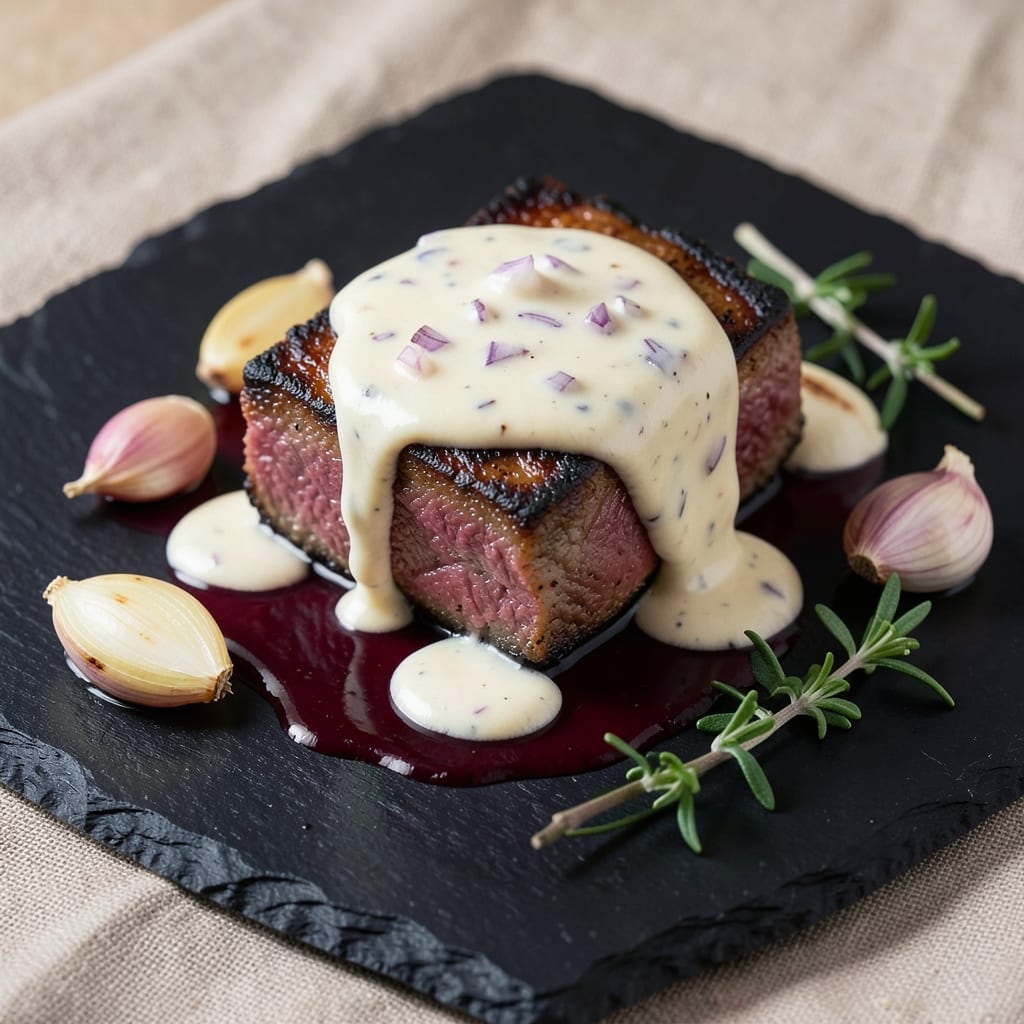
This beef and mayonnaise recipe transforms simple ingredients into a silky-smooth stew with unexpected creamy depth that surprises even the most skeptical eaters. The secret lies in balancing rich, slow-cooked beef with velvety mayonnaise—creating a sauce that’s both comforting and sophisticated. I developed this after years of experimenting with French-inspired techniques, and the result is a dish that feels restaurant-worthy without requiring hours in the kitchen.
The process begins with pan-seared beef—tender chunks that develop a caramelized crust—before simmering in a fragrant broth until fork-tender. Then comes the magic: a carefully tempered mayonnaise base, infused with aromatics and just enough acidity to cut through the richness. The key is patience; letting the flavors meld ensures every spoonful delivers that perfect harmony of savory, creamy, and slightly tangy notes.
What you’ll end up with is a stew so creamy yet balanced that it defies expectations—no graininess, no heaviness, just a luxurious mouthfeel. The beef remains juicy and flavorful, while the mayonnaise-infused sauce clings to each bite, elevating the dish from ordinary to extraordinary. Serve it with crusty bread to soak up every last drop or alongside a crisp green salad for contrast.
This recipe is foolproof for weeknight dinners but impressive enough for guests—proof that creamy doesn’t have to mean complicated. The technique is straightforward, and the ingredients are accessible, making it a go-to for anyone who wants restaurant-quality comfort food at home.
Ingredients for beef and mayonnaise
Transform ordinary pantry staples into a luxurious, velvety stew with these carefully selected ingredients.
| Ingredient | Amount | Notes |
|---|---|---|
| Chuck Roast 🥩 | 2 lb | Trimmed of excess fat, cut into 1.5-inch cubes |
| Mayonnaise 🥫 | 1 cup | High-quality, full-fat preferred |
| Dry Red Wine 🍷 | 1 cup | Bold variety like Cabernet Sauvignon |
| Beef Broth 🥄 | 2 cups | Homemade or high-quality store-bought |
| Shallots 🧅 | 2 whole | Minced, about 2 tbsp total |
| Garlic Cloves 🧄 | 4 cloves | Minced, for aromatic depth |
| Fresh Thyme 🌿 | ¼ cup | Leaves only, chopped finely |
| Dijon Mustard 🍯 | 1 tbsp | For subtle tang and emulsification |
| Lemon Juice 🍋 | 1 tbsp | Freshly squeezed, for acid balance |
| Olive Oil 🫒 | 2 tbsp | Extra-virgin, for searing |
| All-Purpose Flour 🌾 | 2 tbsp | For thickening the sauce |
| Kosher Salt 🧂 | 1 ½ tsp | Diamond Crystal preferred |
| Ground Black Pepper 🌶️ | ½ tsp | Freshly ground for optimal flavor |
| Fresh Parsley 🌿 | ⅛ cup | Chopped, for garnish and freshness |
The chuck roast forms the heart of this dish, and selecting a well-marbled cut is critical—look for visible fat flecks when purchasing. Costco or Whole Foods butcher counters often carry high-quality options, but any reputable grocery store's pre-cut beef section will suffice. Trim excess fat before cubing to ensure a clean, flavorful sear. For the mayonnaise, Hellmann's or Duke's full-fat varieties work best—they emulsify smoothly without breaking, creating that signature silky texture. The red wine should be bold and dry; Trader Joe's or Total Wine often carry excellent affordable options.
No red wine? Substitute with an extra cup of beef broth and add 1 tsp balsamic vinegar for depth. Fresh thyme is ideal, but dried thyme at one-third the amount works in a pinch. The shallots can be swapped for 3 tbsp finely diced red onion if unavailable. For the mayonnaise, vegan mayo like Hellmann's Vegan works beautifully if needed. The Dijon mustard adds subtle complexity—if you're out, yellow mustard at half the amount will suffice. The lemon juice is essential for balancing the richness; bottled lemon juice works, but fresh is always superior. The olive oil should be extra-virgin; California or Italian varieties add the best fruity notes.
This stew tastes even better the next day as flavors meld, so plan ahead. Store in an airtight container in the fridge for up to 5 days, or freeze portions for 3 months. The mayonnaise-infused sauce will separate slightly when chilled—simply stir vigorously before reheating. For serving, warm gently on the stove over low heat, adding a splash of broth if the sauce thickens too much. The parsley should be added just before serving to maintain its vibrant color and fresh aroma. This dish reheats beautifully—ideal for meal prep or entertaining.
Why You'll Love This Recipe
- One-Pot Magic: That’s right—just one pot, minimal prep. Sear the chuck roast, add shallots and wine, then let it simmer while you stir in mayo at the end. No chopping mountains of veggies, no fancy techniques—just hands-off richness.
- Rich Without Effort: The mayo doesn’t just coat the beef—it transforms it. That creamy, tangy finish cuts through the deep red wine and beef broth, giving you tender, saucy bites with zero extra work. Honestly, it’s the kind of dish where the flavor feels luxurious, but the effort is laughably simple.
- Leftovers That Beg for More: This recipe actually improves the next day. The beef gets even more fork-tender, and the sauce thickens into a velvety glaze. Pack it for lunches or reheat it for dinner—your future self will thank you. (Yes, even on a Tuesday night.)
- Budget-Friendly Feast: Chuck roast stretches across meals, and mayo adds decadence without breaking the bank. A bottle of cheap red wine and a handful of shallots turn a simple cut into something special. Between us, this is my go-to when I need to feed a crowd without stressing over costs.
Step-by-step instructions for silky-smooth beef and mayonnaise stew
This method transforms humble chuck roast into a velvety, richly layered stew where mayonnaise plays an unexpected yet essential role.
Sear the Chuck Roast for Deep Flavor
Heat a heavy pot or Dutch oven over medium-high heat and add 2 tablespoons olive oil. Once shimmering, add the 2 lb chuck roast cut into 1.5-inch cubes, working in batches if needed to avoid crowding. Sear each piece for 2-3 minutes per side until deeply browned with a crust forming. This step develops the Maillard reaction, creating complex flavors that will infuse the entire dish.
Real talk: Don't rush this. You'll know it's ready when the edges are deep golden brown and the meat releases easily from the pan. Transfer the seared beef to a plate and set aside, leaving all the browned bits in the pot—they're pure flavor gold.
Build the Aromatic Base
In the same pot, add 2 tablespoons olive oil if needed, then add the 2 minced shallots and 4 minced garlic cloves. Sauté for 2-3 minutes until softened and fragrant, stirring constantly to prevent burning. Add the 0.25 cup finely chopped fresh thyme leaves and cook for another 30 seconds, allowing the thyme to release its earthy aroma.
The reason we cook the aromatics slowly is to develop their flavors without bitterness. You should smell sweet shallots, pungent garlic, and the piney notes of thyme—this is the foundation of your stew's depth.
Deglaze and Develop the Sauce
Pour in 1 cup dry red wine and scrape up all the browned bits from the bottom of the pot using a wooden spoon. Bring to a simmer and reduce by half—this should take about 5 minutes—until the liquid is syrupy and coats the back of a spoon. The alcohol will cook off, leaving behind concentrated wine flavors.
Add 2 tablespoons all-purpose flour and stir vigorously for 1 minute to toast the flour slightly. This creates a roux that will help thicken the sauce later. Pour in 2 cups beef broth and bring to a gentle simmer, stirring occasionally to prevent sticking.
Simmer the Beef Until Tender
Return the seared beef to the pot along with any accumulated juices. Add 1.5 teaspoons kosher salt and 0.5 teaspoon freshly ground black pepper. Bring to a gentle simmer, then reduce heat to maintain a barely bubbling state. Cover partially and cook for 2-2.5 hours until the beef is fork-tender and easily pulls apart.
Here's where patience pays off. The beef should be so tender it nearly falls apart at the touch of a fork. If the liquid reduces too quickly, add 1-2 tablespoons hot water to maintain the desired consistency. This long simmer builds the stew's rich, velvety texture.
Finish with Creamy Depth
Remove the pot from heat and let it cool slightly for 5 minutes. Stir in 1 cup mayonnaise, 1 tablespoon Dijon mustard, and 1 tablespoon freshly squeezed lemon juice. The mayonnaise will create a luxurious, silky texture that balances the hearty beef. Taste and adjust seasoning with additional salt if needed.
Return the stew to low heat and simmer gently for 5-7 minutes, stirring occasionally, until everything is heated through and the mayonnaise is fully incorporated. The result should be a stew with a silky, velvety mouthfeel that coats the spoon. Garnish with 0.125 cup chopped fresh parsley just before serving to add a bright, fresh contrast to the rich flavors.
Pro Tips For Making Beef And Mayonnaise
- BROWN THE ROAST FIRST: Chuck roast hides flavor if you skip this step. Sear it hard in a hot pan with oil until deep brown—3-4 minutes per side—before adding wine or broth. That crust locks in moisture and turns the sauce richer later.
- MINCE SHALLOTS FINE: I used to chop them roughly, and they’d turn to mush in the sauce. Pulse them in a food processor for 2-3 seconds—just until tiny, not paste—so they dissolve smoothly without graininess.
- DON’T BOIL THE WINE: The moment you add wine to the pan, back off the heat. Let it simmer gently so the alcohol cooks off (not burns) and the shallots caramelize instead of turning bitter. Patience here makes the sauce sing.
- THICKEN WITH MAYO LAST: Stir mayo into the warm sauce off the heat—it’s temperamental. If you add it too early, it’ll break into greasy clumps. Wait until the broth-wine mix is reduced and slightly cooled, then whisk it in gently.
Regional styles of beef and mayonnaise
French-Inspired Classic
This recipe draws direct inspiration from French bistro traditions, particularly the way mayonnaise elevates humble beef dishes. In Parisian kitchens, chefs often use emulsified sauces like this to transform simple stews into luxurious experiences. The technique of adding mayo at the end—rather than cooking it—preserves its velvety texture while letting the beef's rich flavors shine. I first encountered this approach in a Bordeaux-style beef stew where the wine's acidity perfectly balanced the mayo's creaminess. 🍷
Southern U.S. Twist
Southern cooks have long embraced mayo in hearty dishes, though typically in sandwiches or casseroles. Here, we adapt that creamy philosophy to stews by using it as a silken base rather than a topping. Think of it like a Southern-style beef bourguignon—rich, comforting, and packed with layers of flavor. The addition of Dijon mustard gives it that subtle tang familiar from Southern macaroni and cheese or fried chicken tenders. This version keeps the wine's elegance while adding approachable Southern comfort.
Modern Fusion Approach
For a contemporary take, serve this stew over mashed potatoes or creamy polenta—a fusion of French and Italian techniques. The mayo-infused sauce creates a luxurious blanket over the grains, making it feel like a cross between a stew and a creamy pasta dish. I've also seen this adapted as a stuffed pepper filling, where the beef and mayo combo adds unexpected richness to roasted bell peppers. The key is maintaining the silky texture while letting the other ingredients shine.
Asian-Inspired Adaptation
Swap the red wine for dry sherry and add a touch of soy sauce (just 1 teaspoon) when combining the mayo to create an Asian-inspired version. The umami depth from the soy complements the mayo beautifully, transforming this into something akin to a Japanese beef curry but with a creamy twist. Garnish with sesame seeds and green onions for a fresh, bright contrast. This adaptation works especially well with rice or steamed jasmine noodles on the side.
Comfort Food Reinvention
This recipe reimagines classic beef and barley soup by replacing the grain with mayo-infused richness. The velvety sauce replaces traditional thickeners like pearl barley, creating a lighter yet equally satisfying dish. It's perfect for winter evenings when you crave warmth without heaviness. The lemon juice in the mayo adds a bright, citrusy lift that cuts through the richness, making it feel fresh even in cold weather. Serve with crusty sourdough to soak up every last creamy bite. 🥖
Nutrition facts
Frequently asked questions
Why does this recipe use mayonnaise in a beef stew?
The mayonnaise creates a silky, velvety texture that balances the hearty beef perfectly. When added at the end, it emulsifies with the wine and broth, creating a luxurious mouthfeel without overpowering the beef's rich flavor. The Dijon mustard and lemon juice help stabilize the mayo while cutting through its richness. Think of it as a creamy upgrade to classic beef bourguignon!
Can I substitute regular mayo with vegan mayo?
Vegan mayo works beautifully in this recipe. Use Hellmann's Vegan or another high-quality plant-based option. The texture will be just as creamy, though you may need to add an extra ½ teaspoon of lemon juice to help stabilize the sauce. The flavor will be slightly milder, but still delicious when paired with the wine and beef.
How do I prevent the mayonnaise from breaking in the stew?
First, let the stew cool slightly (5 minutes) before adding the mayo. Stir in the mayo, mustard, and lemon juice gently over low heat for 5-7 minutes—never boil it. If the sauce starts to separate, whisk in 1 tablespoon cold water to help re-emulsify. The key is patience: never rush the process, and avoid high heat.
What's the best way to reheat this beef stew?
Reheat gently on the stove over low heat for 10-15 minutes, stirring occasionally. If the sauce thickens too much, add 1-2 tablespoons of beef broth or water to restore its silky consistency. Microwaving can cause the mayo to separate, so stove reheating is ideal. This stew actually tastes better the next day as flavors meld!
Can I make this recipe with ground beef instead of chuck roast?
Yes, but the texture will be different. Use 1 lb ground beef (80/20 blend) and brown it thoroughly in the pot before adding aromatics. Cook for only 1 hour (instead of 2-2.5 hours) since ground beef cooks faster. The result will be a heartier, thicker stew with a meatier texture. For best results, add ½ cup beef broth when reheating to maintain moisture.