
Main Courses
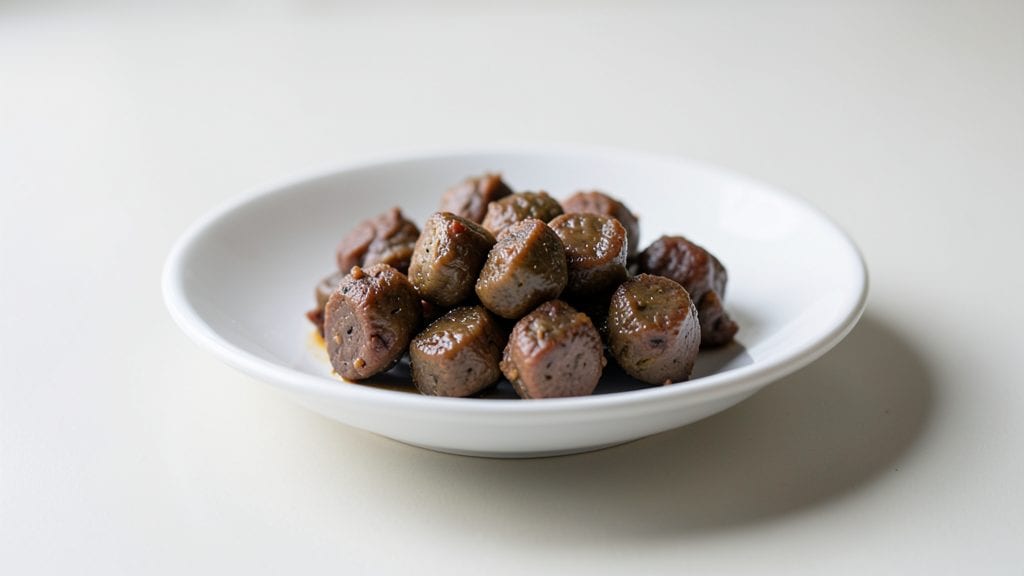
Mastering beef sweetbreads transforms a tricky ingredient into a luxurious centerpiece that rivals any restaurant dish. The secret lies in proper preparation—cleaning, trimming, and cooking them just right to achieve that signature velvety texture.
I remember the first time I served these at a dinner party, and they became the star of the meal without even trying.
This recipe combines classic French techniques with simple ingredients you can find at any grocery store. The sweetbreads are seared to develop a golden crust, then braised in a rich red wine and herb sauce that tenderizes them perfectly.
With just 30 minutes of active prep and 2 hours of hands-off cooking, you'll have a dish that feels special without requiring advanced skills.
What you'll end up with is fork-tender sweetbreads with a velvety interior and a rich, aromatic sauce that clings to every bite. The wine and herbs infuse the meat with deep, savory flavors that make it unforgettable.
Serve with roasted vegetables or creamy polenta to round out the meal—this is comfort food elevated to fine dining.
Whether you're cooking for a special occasion or just want to impress your family, this recipe delivers restaurant-quality results at home. The process is straightforward once you know the key steps, and the reward is a dish that tastes like you've been cooking beef sweetbreads for years. Let's get started!
Ingredients for beef sweetbreads
Simple ingredients transform into restaurant-worthy beef sweetbreads with velvety texture and deep wine flavor.
| Ingredient | Amount | Notes |
|---|---|---|
| Beef Sweetbreads 🥩 | 1 ½ lb | Fresh, cleaned and trimmed |
| Unsalted Butter 🧈 | ½ cup | Cold, cut into pieces |
| All-Purpose Flour 🌾 | ½ cup | For dredging |
| Dry Red Wine 🍷 | 1 ½ cups | Bold Cabernet Sauvignon |
| Beef Broth 💧 | 1 cup | Homemade or quality store-bought |
| Fresh Thyme 🌿 | ¼ cup | Leaves only, stems removed |
| Garlic Cloves 🧄 | 4 cloves | Peeled and smashed |
| Shallots 🧅 | 2 whole | Minced, about 0.25 cup |
| Tomato Paste 🍅 | 2 tbsp | Smooth, not chunky |
| Heavy Cream 🥛 | ½ cup | Full-fat for richness |
| Salt 🧂 | 1 ½ tsp | Kosher or sea salt |
| Ground Black Pepper 🌶️ | 1 tsp | Freshly cracked |
| Olive Oil 🫒 | 2 tbsp | For searing |
The sweetbreads are the star, but where you get them matters. Ask your butcher for fresh, cleaned sweetbreads—they should be pale pink and firm, not gray or slimy. If you're buying from a store, Whole Foods or high-end markets usually carry them. I've even found them at Costco in the meat department. The key is to use them within 2 days—freeze if you won't cook them right away. Trim off any yellow fat or connective tissue before cooking. And trust me on this: don't skip the cleaning step—it makes all the difference in texture.
No red wine? Dry sherry or beef broth with a splash of balsamic works in a pinch. Fresh thyme is ideal, but dried thyme at one-third the amount gets you close. The tomato paste can be swapped for a small canned San Marzano tomato if you prefer. For the butter, European-style unsalted (like Plugrá) gives the best flavor, but regular unsalted works too. If you're short on time, the flour-dredging step can be skipped, but you'll lose that perfect golden crust. The shallots? Green parts removed, minced finely—they add sweetness that balances the wine.
This dish tastes even better the next day as the flavors meld. Store leftovers in the sauce, covered, in the fridge for up to 3 days. The sauce thickens as it cools, so add a splash of broth or water when reheating. For freezing, portion the sweetbreads and sauce separately—thaw in the fridge overnight. A quick tip: Keep a small jar of the braising liquid for drizzling over roasted veggies or polenta. It's that good.
Why You'll Love This Recipe
- Same recipe, two vibes: toss it together for a quick weeknight supper or dress it up with fresh thyme and a drizzle of reduced wine for a dish that’ll impress guests without stressing you out.
- Pan-Fry Perfection: The sweetbreads brown in butter so fast—just 8 minutes total, and that golden crust? Worth every second. No fancy searing skills needed; a hot pan and a little patience do the work.
- Wine-Infused Magic: That splash of dry red wine cuts through the richness like a sigh of relief. It’s not just flavor—it’s the kind of depth that makes you pause mid-bite, wondering how something so simple could taste this good.
- Weeknight to Dinner Party: Same recipe, two vibes: toss it together for a quick weeknight supper or dress it up with fresh thyme and a drizzle of reduced wine for a dish that’ll impress guests without stressing you out.
Step-by-step instructions for beef sweetbreads with wine and herb sauce
Here's how to transform tender sweetbreads into a luxurious dish with rich wine sauce.
Prepare and Sear the Sweetbreads
Start by soaking the 1.5 lb beef sweetbreads in cold water for 1 hour to remove any blood and relax the fibers. Drain and pat them completely dry with paper towels—this step is crucial for achieving crispy exterior and tender interior. Using a sharp knife, trim off any remaining connective tissue or silver skin.
Heat 2 tablespoons olive oil in a large skillet over medium-high heat until shimmering. Working in batches to avoid crowding, sear the sweetbreads for 2-3 minutes per side until they develop a golden-brown crust. The key is to maintain consistent heat—if the pan smokes excessively, reduce to medium heat. Transfer the seared sweetbreads to a plate and set aside.
Create the Wine and Herb Base
In the same skillet (no need to wipe it clean—those browned bits are flavor gold), melt the 0.5 cup unsalted butter over medium heat. Add the 2 whole minced shallots and cook for 2 minutes until softened. Stir in the 4 smashed garlic cloves and cook for 30 seconds until fragrant—don't let them brown or they'll turn bitter.
Pour in the 1.5 cups dry red wine and scrape up any browned bits from the bottom of the pan. Let the wine simmer for 5-6 minutes until reduced by half, creating a concentrated base. Add the 2 tablespoons tomato paste and stir to combine, allowing it to cook for 1 minute to deepen the flavor. Here's where the magic happens—this reduction forms the backbone of your sauce.
Simmer with Aromatics and Broth
Add the 1 cup beef broth and bring to a gentle simmer. Stir in the 0.25 cup fresh thyme leaves, 1.5 teaspoons salt, and 1 teaspoon ground black pepper. Return the seared sweetbreads to the skillet, spooning the sauce over them. Cover and simmer for 15-20 minutes on low heat, turning occasionally, until the sweetbreads are fork-tender and the sauce has thickened slightly.
This is the moment that matters: the sweetbreads should be tender enough to pierce easily with a fork but still hold their shape. If the sauce reduces too quickly, add a splash of water or broth to maintain the right consistency. The thyme should infuse the sauce with its aromatic essence, creating that perfect balance of earthy and herbal notes.
Finish with Cream and Rest
Reduce heat to low and stir in the 0.5 cup heavy cream. Let the sauce simmer gently for 3-4 minutes until it coats the back of a spoon. The cream will create a velvety texture that perfectly complements the rich wine sauce. Taste and adjust seasoning if needed—you might need a touch more salt to balance the acidity from the wine.
Transfer the sweetbreads and sauce to a serving dish. Let them rest for 5 minutes before serving—this allows the juices to redistribute and the sauce to thicken slightly. The result should be tender, velvety sweetbreads bathed in a glossy, aromatic wine-herb sauce that's rich yet balanced.
Pro Tips For Making Beef Sweetbreads
- Trim the Membranes: Sweetbreads have those rubbery white membranes—cut them out first or they’ll turn to mush. I used to skip this, and my dish ended up with weird texture pockets. Grab a sharp knife and slice them off like you’re peeling a banana.
- Sear on High Heat: Get that pan screaming hot before adding the butter. Sweetbreads need a fast crust to lock in flavor—lingering on medium heat just steams them into blandness. A 2-minute sear on high is non-negotiable.
- Deglaze with Wine: Don’t just dump the wine—let it bubble for 30 seconds first. The alcohol burns off, leaving behind deeper flavor. I learned this the hard way when my first batch tasted like cheap plonk.
- Simmer, Don’t Boil: Keep the broth at a gentle simmer, not a rolling boil, or the sweetbreads will toughen. A whisper of steam is all you need—this keeps them tender while the sauce thickens. Trust me, your future self will notice.
Make-ahead tips for leftovers
Prep Ahead
Sweetbreads are at their best when prepped in advance—they actually taste better the next day! I recommend cleaning and trimming them up to 2 days ahead, then storing them in a sealed container in the fridge.
The soaking step can also be done ahead: soak the sweetbreads in cold water for 1 hour, then drain and pat dry before storing. This saves you time on the day you cook. Just remember to pat them completely dry before searing if you're prepping ahead. 💡
Sauce Prep
The wine reduction is where most of the flavor develops, so I suggest making it ahead. Simmer the wine, shallots, garlic, and tomato paste as directed, then cool completely and store in an airtight container in the fridge for up to 3 days.
When you're ready to cook, simply reheat it gently in the same skillet and add the broth and thyme. This shortcut cuts your active cooking time by 20 minutes while keeping all the depth of flavor. 🍷
Partial Cooking
For a true make-ahead meal, you can partially cook the sweetbreads. Sear them as directed, then refrigerate the seared sweetbreads in their sauce (without the cream) for up to 2 days.
When ready to finish, reheat everything gently, then add the cream and simmer for just 3-4 minutes to warm through. This method works beautifully for Sunday dinner prep—just reheat and serve. The texture stays perfect because you're not overcooking. ⏰
Freezer-Friendly
Sweetbreads freeze exceptionally well for up to 3 months when stored properly. After searing, freeze them in a single layer on a tray before transferring to a freezer bag. When ready to cook, thaw overnight in the fridge, then proceed with the braising step.
The sauce can be frozen separately—just thaw and reheat before adding the sweetbreads. I've found that frozen sweetbreads actually develop even more tenderness during the braising process. ❄️
Sauce Storage
If you're planning to use the wine-herb sauce on other dishes (like drizzling over roasted vegetables), store it separately after cooking. The sauce keeps well in the fridge for 4 days and freezes for 3 months.
I like to portion it into small jars so I can grab just what I need. For reheating, warm it gently on the stovetop over low heat—never microwave it, as this can make it grainy. 💛
Leftovers Strategy
Leftover sweetbreads are even more delicious the second time around. Store them in their sauce in an airtight container, and they'll keep for 3 days in the fridge. For reheating, warm everything together over low heat until just heated through—about 5-7 minutes.
If the sauce thickens too much, add a splash of water or broth. I often serve these leftovers on toasted baguette slices for a cozy open-faced sandwich. 🥖
Nutrition facts
Frequently asked questions
What's the best way to clean beef sweetbreads before cooking?
Start by soaking them in cold water for 1 hour to remove blood, then rinse thoroughly. Use your fingers to separate and peel away the thin outer membrane—this is the key to tender results. Pat completely dry with paper towels before searing to ensure a crispy exterior.
Can I substitute red wine in this recipe?
Yes! Use dry sherry or beef broth with 1 tablespoon balsamic vinegar for similar depth. Avoid sweet wines—they'll overpower the dish. For non-alcoholic versions, use extra beef broth with a splash of apple cider vinegar for acidity.
Why did my sweetbreads turn out rubbery?
This usually happens from overcooking or not soaking long enough. Sweetbreads need gentle heat and proper soaking (1 hour minimum) to tenderize. Braise them covered at low heat for 15-20 minutes—they should be fork-tender but not falling apart. The 5-minute rest before serving also helps redistribute juices.
What's the best way to serve these sweetbreads?
Pair with creamy polenta or roasted root vegetables to balance the richness. For an elegant touch, drizzle extra sauce over crusty bread or serve with a simple arugula salad. The wine sauce also makes a fantastic drizzle for mashed potatoes or pasta.
How do I know when sweetbreads are fully cooked?
They're done when they reach an internal temperature of 160°F and are fork-tender with slight resistance. The edges should pull away cleanly from the bone, and the sauce should coat the back of a spoon. If they're still tough, return them to the sauce and simmer 5 more minutes.