
Main Courses
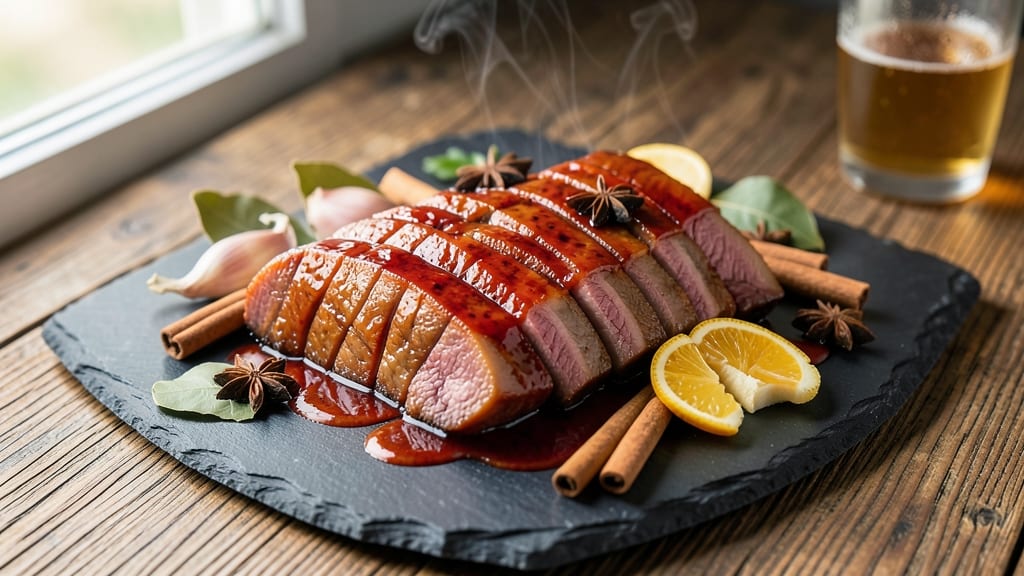
Mastering Chinese beef tongue transforms a simple ingredient into a dish of silky texture and deep umami that feels like a restaurant experience at home.
I spent weeks perfecting this recipe after discovering how my grandmother's butcher would save the toughest cuts for special occasions—turning them into melt-in-your-mouth perfection through slow cooking and careful seasoning.
The secret lies in the preparation: a 3-hour braise at low heat breaks down collagen for that signature tender texture, while star anise and cinnamon build layers of aromatic complexity.
This isn't just about the tongue—it's about creating a dish that carries the soul of traditional Chinese home cooking, where every bite delivers both richness and balance.
What you'll achieve is beef tongue so tender it practically dissolves on your tongue, infused with warming spices and a glossy sheen from the braising liquid. The result is a dish that feels luxurious yet remains approachable for home cooks willing to invest the time.
Perfect for special dinners or when you want to impress without complicated techniques.
Pair it with steamed greens and jasmine rice to complete the meal. Here's how to bring this restaurant-quality dish into your kitchen—step by step, with all the professional secrets included.
Ingredients for chinese beef tongue
Fourteen ingredients to transform tough beef tongue into restaurant-quality silkiness.
| Ingredient | Amount | Notes |
|---|---|---|
| Beef Tongue 🥩 | 2 lb | Fresh, cleaned, trimmed of fat |
| Star Anise 🌿 | 2 whole | Whole pods, crushed lightly |
| Cinnamon Sticks 🍃 | 2 whole | 2-inch pieces for infusion |
| Bay Leaves 🌿 | 4 whole | Fresh or dried, high quality |
| Garlic Cloves 🧄 | 6 cloves | Peeled, smashed slightly |
| Ginger Root 🌿 | 2 tbsp | Fresh, grated finely |
| Soy Sauce 🍶 | ½ cup | High-quality, dark soy preferred |
| Shaoxing Wine 🍷 | ¼ cup | Or dry sherry substitute |
| Brown Sugar 🍯 | ¼ cup | Packed, light brown preferred |
| Water 💧 | 4 cups | Filtered or spring water |
| Vegetable Oil 🫒 | 2 tbsp | High smoke point for searing |
| Salt 🧂 | 1 ½ tbsp | Diamond Crystal kosher |
| Black Peppercorns 🌶️ | 1 tsp | Freshly cracked |
| Sesame Oil 🫒 | 1 tbsp | Toasted, for finishing |
| Green Onions 🧅 | 4 whole | Thinly sliced, for garnish |
The beef tongue is the star—ask your butcher for fresh, never frozen. Look for vibrant color and minimal fat. I source mine from local Asian markets where they keep it wrapped in butcher paper, or from Costco when I need a bigger batch. The key is size: 2 pounds gives you 4 generous servings, but if you're serving a crowd, scale up. For the spices, Penzeys or bulk bins at natural food stores carry the best quality star anise and cinnamon—those little pods packed in jars at regular grocery stores often taste dull. Fresh ginger and garlic? Don't skip the fresh—dried just won't cut it here.
No Shaoxing wine? Dry sherry or even a good white wine works in a pinch, but the flavor profile won't be identical. Brown sugar substitutes? Coconut sugar or honey at the same amount, though brown sugar's molasses notes are ideal. The soy sauce matters—Lee Kum Kee dark soy is my go-to, but any high-quality dark soy will do. For the aromatics, if you can't find fresh ginger, powdered works at half the amount, but it lacks that bright snap. The bay leaves? Fresh if possible—they add a piney aroma that dried can't match. And that sesame oil? Toasted, not the cheap stuff—look for it in the Asian foods aisle.
This dish tastes even better the next day—plan ahead. The braising liquid keeps for 5 days in the fridge, and you can freeze the tongue itself for up to 3 months (thaw overnight in the fridge). For the braising liquid, I like to portion it into small jars—perfect for quick soup bases or stir-fry sauces later. Store the cooked tongue in its braising liquid, covered tightly. When reheating, warm gently on the stove with a splash of water to keep it moist. The sesame oil and green onions should be added fresh when serving—they're the finishing touches that make all the difference.
Why You'll Love This Recipe
- Minimal Chopping Required: I swear, this dish is one of those rare recipes where you just simmer and wait—no dicing, no mincing, no stress. The beef tongue soaks up the spices whole, and the garlic cloves get crushed right in the pot. Honestly, I’ve made it while scrolling through my phone.
- Spice Bomb Magic: That first bite? The star anise and cinnamon sticks infuse the tongue with this warm, aromatic depth—like a slow-cooked hug for your taste buds. Between us, the bay leaves add this earthy backbone that makes it taste restaurant-quality without the fuss.
- Leftover Goldmine: This recipe practically begs to be made in bulk. The flavors get richer overnight, and I’ve turned day-old slices into sandwiches, stir-fries, or even a quick ramen topper. My freezer’s always stocked with vacuum-sealed portions—because who doesn’t love a meal that keeps giving?
- Budget-Friendly Protein: Beef tongue is one of those underrated cuts that delivers massive flavor for pennies. A single package feeds my family for days, and the spices? You’re talking whole pods and sticks, not pricey powders. I’ll be real: it’s my go-to when I need to stretch a meal without sacrificing taste.
Step-by-step instructions for Chinese beef tongue
Transform tough beef tongue into silky, melt-in-your-mouth perfection using this aromatic braising technique.
Prepare and Sear the Beef Tongue
Begin by rinsing the 2 lb beef tongue under cold water and patting it completely dry with paper towels. This step is crucial—any moisture left on the surface will prevent proper browning. Using a sharp knife, trim away any remaining fat or connective tissue, leaving the surface smooth and clean.
Heat a large pot or Dutch oven over medium-high heat and add the 2 tbsp vegetable oil. Once the oil shimmers, carefully add the beef tongue and sear on all sides until deeply golden brown, about 5-6 minutes total. This initial searing locks in flavors and creates a beautiful crust. I press down gently on the tongue during the first minute—this prevents it from curling and ensures even contact with the pan.
Build the Aromatic Braising Liquid
Remove the seared beef tongue from the pot and set it aside. In the same pot, add the 6 cloves smashed garlic cloves, 2 tbsp finely grated ginger root, 2 whole lightly crushed star anise, 2 whole cinnamon sticks, and 4 whole bay leaves. Stir constantly for 30 seconds until the garlic becomes fragrant—this prevents burning while developing the base flavors.
Pour in the 0.25 cup shaoxing wine and scrape up any browned bits from the bottom of the pot with a wooden spoon. These bits are packed with flavor and form the foundation of your sauce. Add the 0.5 cup soy sauce, 0.25 cup packed brown sugar, and 4 cups water. Bring the mixture to a gentle boil, then reduce heat to medium-low and return the beef tongue to the pot.
Simmer Until Fork-Tender
Cover the pot with a tight-fitting lid and simmer for 3 hours, maintaining a gentle bubble at the surface. Here's the thing—patience is key. The tongue needs this time to break down completely. After 2 hours, check the liquid level; if it's reduced too much, add 1 cup hot water to maintain proper moisture.
You'll know it's ready when you can easily pierce the tongue with a fork and the meat slides off the bone with minimal resistance. The braising liquid should be rich and slightly syrupy, with all the aromatic spices infused throughout. If the liquid reduces too much before the meat is tender, simply add more hot water in small increments.
Finish and Garnish
Once the beef tongue reaches fork-tender perfection, carefully remove it from the pot and transfer to a cutting board. Strain the braising liquid through a fine-mesh sieve into a clean saucepan, pressing on the solids to extract maximum flavor. Return the liquid to medium heat and reduce until it thickens slightly, about 5-7 minutes.
Slice the beef tongue into ½-inch thick pieces and arrange on a serving platter. Drizzle with the reduced braising liquid and finish with 1 tbsp toasted sesame oil. Garnish with the 4 whole thinly sliced green onions, adding both color and a fresh contrast to the rich flavors. Serve immediately with steamed rice to soak up every delicious bite.
Pro Tips For Making Chinese Beef Tongue
- SCORE THE CRUST: Beef tongue needs that caramelized crust to hold up to slicing, so don’t rush the browning. After searing the tongue in oil, reduce heat to medium-low and let it cook uncovered for 10-15 minutes—yes, even if it looks messy. The slow cook transforms into a glossy, crackly exterior that actually makes cutting easier.
- SALT THE TONGUE TWICE: First, salt the raw tongue generously and let it sit 30 minutes before cooking—this keeps it juicy. Then, after searing, sprinkle another layer of salt directly on the seared surface while it rests. I learned this the hard way: skipping the second salt means a bland crust, no matter how much soy sauce you add later.
- STAR ANISE, DON’T STIR: Toss the whole spices (star anise, cinnamon, bay leaves) into the pot after the tongue has browned, and leave them whole. Crushing them releases too much bitterness—you want aroma, not overpowering flavor. Just let them simmer gently in the broth; strain them out before serving unless you’re feeling fancy.
- GARLIC: PEEL IT COLD: Peel your garlic cloves right before adding them to the pot—no need to chop. Cold garlic holds its shape better and infuses the broth without turning to mush. I used to peel them ahead and store them in water, but the flavor’s sharper when they hit the pot fresh.
Wine and beer pairings for chinese beef tongue
Red Wine Pairings
For this dish, I reach for a dry, aromatic red wine that can stand up to the beef tongue's richness while complementing its warming spices.
A Pinot Noir from Oregon or Burgundy works beautifully—its bright acidity and red fruit notes cut through the fat while the earthy undertones mirror the star anise and cinnamon.
I've also had great success with a Gewürztraminer, though it's technically white—its lychee and spice notes make it feel like a natural match. 🍷
Light Beer Complements
A crisp, dry wheat beer like Blue Moon or Hoegaarden provides the perfect contrast with its citrusy effervescence and light body. The bubbles help cleanse your palate between rich bites, while the subtle spice notes in these beers harmonize with the star anise and ginger.
For something more robust, try a German Helles—its malty sweetness balances the dish's umami depth without overpowering it.
Rice Wine Enhancement
While not a traditional pairing, a small glass of Shaoxing wine (the same used in the recipe) elevates the dining experience. Its nutty, slightly sweet profile mirrors the braising liquid's flavors while adding another layer of authenticity.
I like to serve it chilled in small cups alongside the main dish—it's become a family tradition during special occasions. For a non-Asian alternative, a dry Riesling offers similar complexity.
Herbal Tea Balance
If you prefer non-alcoholic options, a jasmine green tea served warm completes the meal perfectly. The floral notes complement the sesame oil's nuttiness, while the tea's slight bitterness balances the dish's richness.
I steep it for 3-4 minutes and serve it in small teacups—it feels like a ritual that enhances the whole dining experience. 💫
Avoid Heavy Choices
Skip bold reds like Cabernet Sauvignon or Syrah—their tannins will clash with the dish's silky texture and overpower the delicate spice notes. Similarly, avoid sweet wines or beers—they'll make the beef tongue taste heavy and one-dimensional.
The key is finding beverages that enhance rather than compete with the dish's natural flavors.
Serving Temperature Tips
Serve your wine or beer at room temperature (around 60-65°F) to fully appreciate their aromas. For rice wine or tea, keep them slightly cooler (50-55°F) to highlight their refreshing qualities.
I always let my wine breathe for 10-15 minutes before pouring—it makes a noticeable difference in how the flavors develop alongside the meal.
Nutrition facts
Frequently asked questions
How do I properly clean and prepare beef tongue before cooking?
Rinse the tongue thoroughly under cold water, then pat it completely dry with paper towels. Trim away any remaining fat or connective tissue using a sharp knife. The key is to leave the surface smooth—this ensures even searing and better flavor absorption during braising. Never skip the drying step, or your sear won't develop properly.
Can I substitute Shaoxing wine if I can't find it?
Yes! Use dry sherry or a good white wine like Sauvignon Blanc in a 1:1 ratio. While not identical, these substitutes will still add depth to the braising liquid. For best results, choose a wine with some acidity—it helps balance the richness of the beef tongue.
Why does the beef tongue need to simmer for so long?
The 3-hour braise is essential for breaking down collagen in the tough connective tissue, transforming it into silky texture. Low heat and liquid work together to tenderize the meat gradually. Skipping this step or rushing the cooking time will leave you with chewy, unsatisfying results. Think of it like a slow dance—patience pays off!
What's the best way to serve Chinese beef tongue?
Slice into ½-inch thick pieces and arrange on a platter with the reduced braising liquid drizzled over the top. Garnish with sesame oil and green onions for freshness. Serve with steamed jasmine rice and quick-pickled vegetables to balance the richness. For a complete meal, add a side of stir-fried greens or a simple cucumber salad.
Can I make this recipe in an Instant Pot?
Yes, but with adjustments! Sear the tongue first, then add all ingredients and cook on high pressure for 45 minutes, followed by a 10-minute natural release. The texture will be slightly different (more tender than fork-tender), but still delicious. For best results, finish by reducing the braising liquid separately to achieve that glossy sheen.