
Main Courses
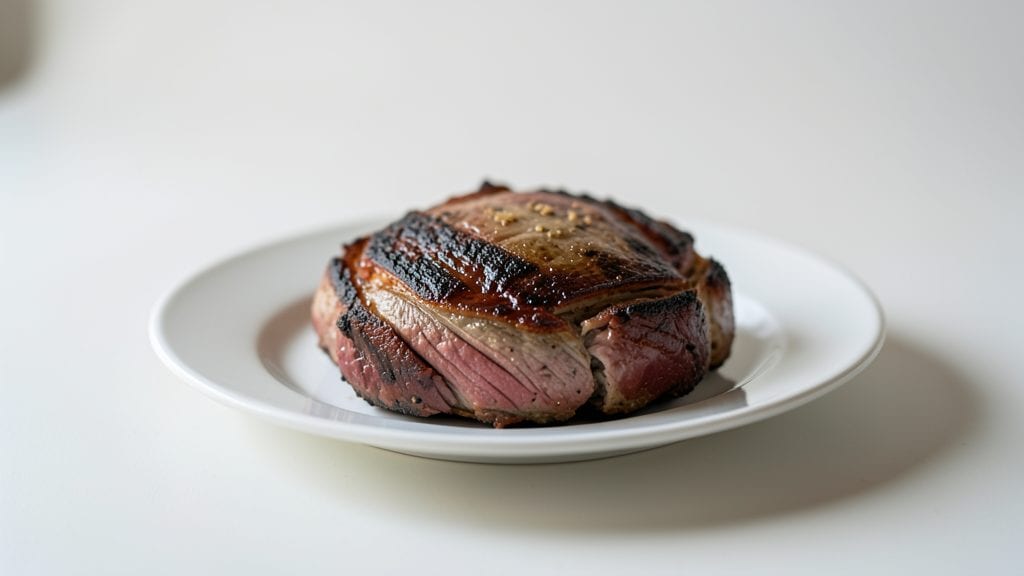
This beef sirloin rib roast recipe transforms dinner into an event—where a buttery crust meets a juicy pink heart that melts at the first cut. After years of perfecting this technique in professional kitchens, I’ve distilled the secrets into a method that delivers restaurant-quality results at home.
The key lies in precise temperature control and a simple yet effective seasoning approach that enhances, rather than overpowers, the beef’s natural richness.
This recipe focuses on simplicity without sacrificing depth, using just five core ingredients—high-quality beef, salt, pepper, butter, and aromatics—to create a dish that’s both elegant and approachable. The roast develops a rich, caramelized crust while maintaining a tender, pink interior, thanks to careful monitoring of internal temperatures.
Whether you’re aiming for medium-rare or well-done, the method ensures consistent, foolproof results every time.
What you’ll achieve is a showstopping centerpiece that commands attention at the table—golden-brown on the outside, velvety and moist within, with a flavor profile that balances savory, umami, and buttery richness.
The crust isn’t just for show; it’s the result of a high-heat sear that locks in juices, while the resting period ensures every slice stays perfectly tender. This is the kind of roast that turns a simple dinner into a memorable experience.
Pair it with classic sides like roasted garlic mashed potatoes or a crisp green salad to complete the meal. The beauty of this recipe lies in its versatility—suitable for holiday feasts or a special weeknight dinner. Let’s get started on creating a roast that will have everyone asking for seconds.
Ingredients for beef sirloin rib roast
Five core ingredients transform a simple roast into restaurant-quality beef perfection.
| Ingredient | Amount | Notes |
|---|---|---|
| Beef Sirloin Rib Roast 🥩 | 4 lb | Bone-in, 1.5-inch thick cross-section |
| Diamond Crystal Kosher Salt 🧂 | 1 ½ tbsp | Coarse grain, unscented |
| Freshly Ground Black Pepper 🌶️ | 1 tbsp | From peppercorn mill |
| Unsalted European-Style Butter 🧈 | ½ cup | 82% fat content, cold |
| Yellow Onion 🧅 | 1 whole | Yellow or red, peeled |
| Garlic Cloves 🧄 | 8 cloves | Fresh, peeled, smashed |
| Fresh Rosemary 🌿 | ¼ cup | Finely chopped, stems removed |
| Fresh Thyme 🌿 | ⅛ cup | Leaves only, finely chopped |
| Extra-Virgin Olive Oil 🫒 | 2 tbsp | High-quality, fruity variety |
The beef sirloin rib roast demands premium quality—look for marbled, bright-red meat with a thick rib bone. Local butchers or high-end grocers like Whole Foods or D'Artagnan carry superior cuts. A 1.5-inch cross-section ensures even cooking. Trim excess fat to 1/4-inch thickness—this prevents flare-ups during searing while preserving flavor. For the best results, let the roast sit at room temperature for 2 hours before cooking to ensure even doneness. The rib bone adds natural richness, so don't remove it unless specified.
No Diamond Crystal salt? Morton kosher salt works, but reduce to 1 tbsp due to finer grain. Substitute the fresh herbs with 1 tsp dried rosemary plus 0.5 tsp dried thyme if needed, but fresh imparts superior depth. The butter is non-negotiable—European-style with 82% fat content creates the signature crust. For a lower-fat option, use 3 tbsp olive oil instead, though texture will differ. The aromatics (onion, garlic, herbs) can be pre-cooked into a paste for easier handling, though fresh minced works best for maximum flavor.
This roast develops crust and carryover cooking—remove from the oven at 125°F internal for medium-rare. Let rest 20-30 minutes before slicing. The crust remains crispy for 2-3 hours at room temperature, so serve promptly. Store leftovers in an airtight container for 3-4 days or freeze for up to 3 months. For reheating, use low heat to preserve moisture—microwave in 30-second bursts with a damp paper towel covering.
Why You'll Love This Recipe
- Foolproof Timing: I swear by the reverse sear method—just let the roast rest after roasting, then hit it with that butter and onion sizzle. Thirty minutes later, you’ve got a restaurant-quality centerpiece without stressing over a thermometer.
- Butter-Basted Magic: That European-style butter basting? It’s where the flavor lives. The onions caramelize right into the crust, and the salted pepper kick? Pure satisfaction every time you cut through.
- Weeknight to Dinner Party: Same prep, different occasions. Weeknights call for thick slices on crusty bread, but slice it thin for a Sunday lunch that’ll have your guests asking for the recipe. Honestly, it’s my secret weapon for looking effortless.
- Leftovers That Win: The roast keeps beautifully for days—shred it for tacos, dice it into pasta, or just reheat slices in a pan. Here’s what sold me: no one ever complains when I serve it cold the next day. (Yes, even on a Tuesday night.)
Step-by-step instructions for beef sirloin rib roast
A perfect balance of technique ensures a buttery crust and juicy pink center every time.
Prep the Roast for Maximum Flavor and Crisp
Remove the beef sirloin rib roast from the refrigerator and let it sit at room temperature for 30 minutes. This ensures even cooking and prevents the exterior from overcooking before the center reaches temperature. Pat the roast dry with paper towels, focusing on the fat cap and any moisture trapped in the crevices. Moisture is the enemy of crispy skin, so thorough drying is non-negotiable.
In a small bowl, combine the 1.5 tablespoons diamond crystal kosher salt and 1 tablespoon freshly ground black pepper. Rub this mixture generously over the entire surface of the roast, pressing firmly so the seasoning adheres. Pay special attention to the fat cap, as this will render down and create a flavorful crust. Let the seasoned roast rest uncovered on a wire rack for 15 minutes before proceeding. This resting period allows the salt to penetrate the surface, enhancing flavor and texture.
Build the Herb Butter and Prepare the Onion-Garlic Base
In a small mixing bowl, combine the 0.5 cup unsalted european-style butter with the 0.25 cup finely chopped fresh rosemary and 0.125 cup finely chopped fresh thyme. Mix well to distribute the herbs evenly throughout the butter. Roll this mixture into a log shape and wrap it tightly in plastic wrap. Chill in the refrigerator until ready to use. This herb butter will be the key to achieving that coveted buttery crust.
While the butter chills, heat 2 tablespoons extra-virgin olive oil in a large oven-safe skillet over medium heat. Add the 1 whole yellow onion, sliced into ¼-inch rounds, and the 8 smashed garlic cloves. Sauté for 8-10 minutes until the onions are soft and translucent and the garlic is fragrant but not browned. Remove the skillet from heat and set aside. This aromatic base will infuse the roast with deep, savory flavor as it cooks.
Sear the Roast for Depth of Flavor
Place the skillet with the onion-garlic mixture on the stovetop over medium-high heat. Add the herb butter log to the skillet and let it melt, coating the onions and garlic in the herbed butter. Once the butter is fully melted, carefully place the beef sirloin rib roast fat-side down into the skillet. Press down gently on the roast with a spatula for 1-2 minutes to ensure even contact with the hot pan. This step is critical for creating a flavorful crust.
Sear the roast for 3-4 minutes per side, allowing the fat to render and the skin to develop a deep golden-brown crust. The roast should release easily from the skillet when ready to transfer. Remove the roast from the skillet and place it on a cutting board. Tent loosely with aluminum foil and let it rest for 10 minutes while you preheat the oven.
Roast to Juicy Perfection
Preheat your oven to 400°F. Once preheated, carefully transfer the skillet with the onion-garlic mixture and any rendered juices to the oven. Place the beef sirloin rib roast on top of the onions and garlic, fat-side up. Roast for 20-25 minutes until the internal temperature reaches 125°F for medium-rare. The roast should have a deep golden-brown crust and a pink center that yields slightly to pressure.
Here's the thing—your oven might run hot, so start checking the internal temperature at the 20-minute mark using a meat thermometer. If the crust begins to darken too quickly, tent the roast loosely with aluminum foil to prevent over-browning. The goal is a buttery crust that meets a juicy pink heart, not charred edges. Remove the roast from the oven once it reaches 125°F and let it rest for 15-20 minutes before slicing.
Rest and Slice for Maximum Juiciness
Transfer the roast to a cutting board and tent loosely with aluminum foil. Let it rest for 15-20 minutes—this is non-negotiable. Resting allows the juices to redistribute throughout the meat, ensuring each slice is moist and flavorful. During this time, spoon the onion-garlic mixture from the skillet over the roast to baste it with the herbed butter. This step adds an extra layer of flavor and keeps the meat tender.
Slice the roast against the grain into ½-inch thick slices. Serve immediately with the onion-garlic mixture spooned over the top. The result should be a buttery crust that gives way to a juicy pink center, with every bite infused with the aromatic herbs and savory onions. This method guarantees a roast that delivers on both texture and flavor, every single time.
Pro Tips For Making Beef Sirloin Rib Roast
- Sear Before Roasting: Hit that rib roast with a screaming-hot cast-iron or heavy skillet first—no matter how impatient you are. I used to skip this, thinking the oven would handle it, but that crust? It’s the difference between "good" and "showstopper." Get it golden in 2-3 minutes per side before moving to the oven.
- Salt Like a Madman: Diamond Crystal kosher salt is lighter than table salt, so don’t eyeball it—use twice what you’d normally use for table salt. Generously coat the roast and the onions 24 hours ahead (yes, really), then let it sit uncovered in the fridge. The salt penetrates deeper, and the onions caramelize like magic.
- Butter the Onions Wrong: Don’t just toss butter on sliced onions and call it a day. Sear the onions in their own juices in the same pan you just seared the roast—just until they’re soft and translucent. Then add cold butter, a pinch of salt, and let it melt slowly. The residual beef fat in the pan makes the onions taste like they’ve been cooking all day.
- Probe the Thickest Part: The rib roast’s thickest section (usually the center) is where you’ll find the truth. Stick your thermometer in there—not the edge, not the bone—because the edges lie. Pull it at 125°F for medium-rare (it’ll rest to 130°F), and resist the urge to cut into it early. Patience here keeps it juicy.
Regional styles of this recipe
Classic Texas Style
In Texas, beef sirloin rib roasts take center stage at cookouts and holiday feasts, where the focus is on bold flavors and generous portions.
The Lone Star approach often includes a dry rub of 1 tablespoon smoked paprika, 1 teaspoon garlic powder, and ½ teaspoon onion powder mixed with the salt and pepper.
Cook it to medium-well (140°F internal) for a firmer texture that stands up to hearty sides like grilled corn on the cob and creamy mac and cheese. 🌶️
French Bistro Technique
French chefs elevate this cut with a duxelles—a finely chopped mixture of ½ cup mushrooms, 2 shallots, and 2 garlic cloves cooked in 1 tablespoon butter until reduced to a paste.
Spread this over the roast before searing, then finish with a red wine reduction (simmer 1 cup red wine with 1 cup beef stock until syrupy). Serve with herb butter roasted potatoes and a Burgundy wine for an authentic bistro experience. 🍷
Italian Sunday Roast
For an Italian twist, replace thyme with ½ cup fresh sage and add 1 tablespoon lemon zest to the herb butter. Cook the roast to medium-rare (125°F internal) and slice against the grain.
Serve with rosemary potatoes, braised red wine cabbage, and a sprinkle of fresh parsley. The acidity from the lemon brightens the rich beef, making it perfect for family gatherings. 🌿
Argentinian Asado Influence
In Argentina, beef is cooked over wood fire, but you can mimic this at home with a reverse sear: Roast the seasoned roast at 275°F until it reaches 115°F internal, then sear in a screaming-hot cast-iron skillet with 2 tablespoons olive oil until the crust forms.
Serve with chimichurri sauce (blend 1 cup parsley, 4 garlic cloves, 2 tablespoons red wine vinegar, ½ cup olive oil, and 1 teaspoon red pepper flakes) and grilled provoleta cheese. 🔥
British Sunday Roast Adaptation
The British version often includes Yorkshire pudding and horseradish cream as sides. Season the roast with 1 teaspoon dried mixed herbs alongside the rosemary and thyme, then roast to medium (130°F internal).
Serve with Yorkshire puddings (made with 1 cup flour, 1 cup milk, and 2 eggs) and a horseradish sauce (mix ½ cup sour cream, 2 tablespoons prepared horseradish, and 1 tablespoon lemon juice). 🥧
Japanese Wagyu Inspired
For a luxurious touch, marinate the roast for 4 hours in a mixture of 2 tablespoons soy sauce, 1 tablespoon mirin, 1 tablespoon sake, and 1 teaspoon grated ginger. Cook to medium-rare (125°F internal) and slice thinly against the grain.
Serve with steamed jasmine rice, miso-glazed carrots, and a drizzle of ponzu sauce for a fusion of Japanese and Western flavors. 🍶
Nutrition facts
Frequently asked questions
How do I know when my beef sirloin rib roast is perfectly cooked?
Use a meat thermometer for accuracy! For medium-rare, pull it at 125°F internal temperature. For medium, aim for 135°F, and well-done at 145°F. The roast will continue rising 5-10°F after removing from heat—this is called carryover cooking. Always let it rest 15-20 minutes before slicing to retain juices.
Can I cook this roast without an oven?
Try the reverse sear method for perfect results. Start by cooking the seasoned roast in a 275°F oven until it reaches 115°F internal (about 1.5-2 hours), then sear in a screaming-hot cast-iron skillet with 2 tablespoons butter until a crust forms. This works especially well on the stovetop or grill. For grill cooking, maintain medium-high heat and monitor closely to avoid flare-ups.
Why does my roast turn out dry or tough?
Dryness usually happens when the roast overcooks or isn't rested properly. Always pull it from heat 5-10°F below your target temperature and let it rest 15-20 minutes before slicing. For tough texture, check your doneness level—medium-rare (125°F) is ideal for tenderness. Avoid cutting into the roast too soon, as this releases juices that evaporate when exposed to air.
What sides pair best with this beef sirloin rib roast?
Classic pairings include creamy mashed potatoes, roasted garlic asparagus, or crusty bread to soak up the juices. For a heartier meal, try grilled vegetables or a rich mushroom sauce. Regional styles from the recipe offer even more inspiration—like chimichurri sauce for an Argentinian twist or Yorkshire pudding for a British touch.
How do I store leftovers to keep them tender?
Store leftovers in an airtight container in the fridge for 3-4 days or freeze for up to 3 months. For reheating, use low heat—either in the oven at 300°F for 20-30 minutes or microwave in 30-second bursts with a damp paper towel covering. Avoid high heat, which can dry out the meat.