
Main Courses
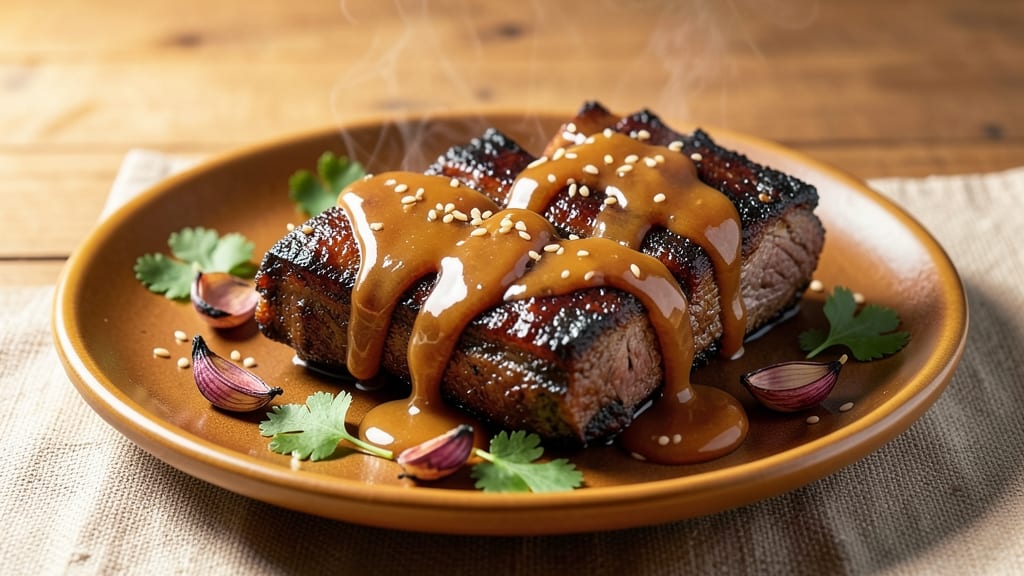
Beef short ribs teriyaki recipe transforms tough cuts into melt-in-your-mouth perfection through a carefully balanced sweet-savory glaze. The key lies in marinating the ribs overnight to tenderize them while infusing that signature teriyaki flavor, then braising until the meat falls apart.
This isn't just another Asian-inspired dish—it's a restaurant-quality meal that delivers deep caramelized edges and a sauce that clings to every bite.
What sets this recipe apart is the integration of the teriyaki sauce during cooking, not as an afterthought. The sauce reduces into a thick, glossy glaze that caramelizes beautifully on the ribs' edges while keeping the meat incredibly tender.
Professional results come from precise timing and technique, ensuring the sauce doesn't overpower the beef's natural richness. With just a few core ingredients and about 4 hours of hands-off cooking, you'll achieve a dish that's impressive enough for company but simple enough for weeknights.
The final result is beef short ribs with perfectly caramelized edges that glisten with teriyaki glaze, revealing tender meat underneath. Each bite combines the sweet, umami depth of the sauce with the beef's natural richness, creating a balance that's both satisfying and elegant.
The aroma alone will have everyone gathering at the table, and the presentation—juicy ribs piled high with glossy sauce—makes it feel like a special occasion.
Serve these ribs over steamed jasmine rice to soak up every last bit of that sweet-savory sauce, or pair them with roasted vegetables for a complete meal. The leftovers reheat beautifully, making this a perfect make-ahead option for busy schedules.
Let's get started on creating this showstopping dish that will have everyone asking for seconds.
Ingredients for beef short ribs teriyaki
Restaurant-quality beef short ribs demand premium ingredients and precise technique for melt-in-your-mouth tenderness.
| Ingredient | Amount | Notes |
|---|---|---|
| Beef Short Ribs 🥩 | 4 lb | Bone-in, 1.5-inch thick cutlets |
| Teriyaki Sauce 🍶 | 2 cups | Homemade or high-quality store-bought |
| Brown Sugar 🍚 | ½ cup | Light or dark, packed |
| Soy Sauce 🍶 | ½ cup | Low-sodium preferred |
| Honey 🍯 | ¼ cup | Wildflower or clover variety |
| Garlic Cloves 🧄 | 6 cloves | Peeled, minced |
| Fresh Ginger 🌿 | 2 tbsp | Finely grated, organic preferred |
| Sesame Oil 🫒 | 1 tbsp | Toasted sesame oil |
| Diamond Crystal Kosher Salt 🧂 | 1 ½ tsp | For seasoning and sauce |
| Black Peppercorns 🌶️ | 1 tsp | Freshly cracked |
| Unsalted Butter 🧈 | 2 tbsp | For basting |
| Jasmine Rice 🍚 | 1 ½ cups | Uncooked, long-grain |
| Water 💧 | 3 cups | For rice cooking |
The beef short ribs are the foundation—look for cuts with good marbling and at least 1.5-inch thickness for optimal tenderness. Costco or specialty butchers often carry high-quality bone-in short ribs, but any reputable grocery store's meat department should have suitable options. If purchasing pre-cut riblets, ensure they're roughly 1.5-inch thick for even cooking. The teriyaki sauce requires high-quality soy sauce—Kikkoman or Japanese-style tamari provide the deepest umami flavor. Fresh ginger and garlic should be vibrant with no signs of drying; organic produce from the grocery store's fresh section typically delivers the best flavor. The sesame oil should be toasted—check the label for 'toasted sesame oil' rather than the lighter, untoasted variety.
For the teriyaki sauce, homemade is ideal but high-quality store-bought options like Annie Chun's or Kikkoman work in a pinch. Substitute honey with maple syrup if needed, though it alters the flavor slightly. Fresh ginger can be replaced with 2 tbsp ground ginger, but fresh yields superior results. If sesame oil is unavailable, 1 tsp toasted sesame seeds can be mixed into the sauce at the end. For the beef, bone-in cuts are essential—they add flavor and moisture during braising. If using pre-cut riblets, ensure they're evenly sized for consistent cooking. The jasmine rice should be long-grain—Lundberg or Calrose varieties are excellent choices for authentic texture.
Store raw beef short ribs in the coldest part of your fridge, using within 3 days for optimal freshness. The teriyaki sauce can be refrigerated for up to 1 week or frozen for 3 months. Cooked ribs reheat beautifully—350°F for 15-20 minutes in the oven with a splash of water or broth to maintain moisture. Portion the sauce into ice cube trays for easy use in future dishes. Leftover rice can be refrigerated for 4 days or frozen for 2 months; reheat with a splash of water to restore texture.
Why You'll Love This Recipe
- One-Pan Magic: I swear by this—just sear the ribs, toss in the sauce, and let the oven do the work. No flipping, no fussing, and that sticky-sweet glaze? It’s basically self-basting.
- Sweet-Savory Balance: The teriyaki sauce cuts through the richness of the short ribs, while the brown sugar and honey caramelize into a glossy finish. It’s rich but not heavy, salty but not overpowering—like a hug in sauce form.
- Leftovers? Better Than Day One: Between us, the ribs taste even better the next day. The flavors meld overnight, and reheating them in a skillet with a splash of soy sauce turns them into crispy, saucy perfection. (Yes, even on a Tuesday night.)
- Budget-Friendly Luxury: Short ribs are cheaper than steak but feel like a splurge. A single batch feeds four, and the sauce ingredients are pantry staples. Honestly, it’s the kind of meal that makes you feel fancy without breaking the bank.
Step-by-step instructions for beef short ribs teriyaki recipe
Master this technique for ribs with a caramelized glaze that balances sweet and savory perfectly.
Prepare the Glaze and Season the Ribs
In a medium saucepan, combine the 2 cups teriyaki sauce, 0.5 cup brown sugar, 0.5 cup soy sauce, and 0.25 cup honey. Bring to a gentle simmer over medium heat, stirring constantly for 5 minutes until the sugar fully dissolves and the mixture thickens slightly. This creates the foundation for your glaze.
While the glaze heats, prepare the beef short ribs by patting them completely dry with paper towels. This step is critical—any moisture will prevent proper caramelization. In a small bowl, mix the 1.5 teaspoons diamond crystal kosher salt and 1 teaspoon freshly cracked black peppercorns. Rub this seasoning generously over all surfaces of the ribs, pressing it into the meat so it adheres well.
Sear the Ribs for Maximum Flavor
Heat a large Dutch oven or heavy oven-safe skillet over medium-high heat until it's very hot. Add the 2 tablespoons unsalted butter and let it melt completely, then swirl to coat the bottom evenly. Place the seasoned beef short ribs in the pan, bone-side down, and sear for 4 minutes without moving them. This creates a deep, flavorful crust.
Flip the ribs carefully and continue searing for another 4 minutes until they develop a rich, golden-brown crust on all sides. The butter will foam vigorously—this is normal. If the pan starts smoking excessively, reduce the heat slightly to medium. Remove the ribs and set them aside on a plate.
Build Layers of Flavor in the Pan
In the same Dutch oven, add the 6 minced garlic cloves and 2 tablespoons finely grated fresh ginger. Sauté for 30 seconds until fragrant—this releases their aromatic oils. Immediately pour in the prepared glaze mixture and scrape up any browned bits from the bottom of the pan using a wooden spoon. These bits contain concentrated flavor.
Simmer the glaze over medium heat for 5 minutes until it reduces slightly and thickens enough to coat the back of a spoon. Add the 1 tablespoon sesame oil and stir well to incorporate. The glaze should now have a glossy, syrupy consistency that will beautifully coat the ribs.
Braise to Perfect Tenderness
Return the seared beef short ribs to the Dutch oven, bone-side up, and pour the glaze mixture evenly over the top. The liquid should come about halfway up the sides of the ribs. Place the lid on the Dutch oven and transfer it to a preheated 325°F oven.
Braise for 2 hours and 30 minutes, until the ribs are fork-tender and the meat pulls away from the bone easily. The glaze should have thickened into a sticky, caramelized coating. If the liquid reduces too much before the ribs are tender, add 2 tablespoons water through the vent in the lid to maintain moisture.
Prepare Jasmine Rice and Finalize the Dish
While the ribs braise, rinse the 1.5 cups jasmine rice under cold water until the water runs clear. In a separate pot, combine the rice with the 3 cups water and bring to a boil. Reduce heat to low, cover, and simmer for 15 minutes until the water is absorbed and the rice is tender. Fluff with a fork and keep warm.
When the ribs are done, carefully remove them from the Dutch oven and transfer to a serving platter. Strain the braising liquid through a fine-mesh sieve to remove any debris, then return it to the pot and simmer over medium heat for 3-4 minutes to thicken further. Serve the beef short ribs over the jasmine rice, generously drizzled with the reduced glaze.
Pro Tips For Making Beef Short Ribs Teriyaki
- SEAR THE FAT FIRST: Beef short ribs have enough fat to grease a small engine—don’t waste it. Sear them bone-side down in a hot pan for 8-10 minutes until the fat renders and the bone turns deep golden. This builds flavor faster than simmering ever will, and it keeps the meat from drying out later.
- BRINE THE RIBS: I learned this the hard way—dry, chewy short ribs ruin a great teriyaki. Toss them in a mix of 1 cup water, 1/4 cup soy sauce, and 1 tablespoon brown sugar for 30 minutes before cooking. It seasons them deep and keeps them juicy, even after hours of braising.
- SKIP THE BOILING SAUCE: Teriyaki sauce thickens best when it’s simmered, not boiled. If you crank the heat too high, it’ll turn gluey and lose its balance of sweet and salty. Keep it at a gentle bubble—small, occasional rises—until it coats the back of a spoon.
- BASTE WITH THE BONE BROTH: After the ribs hit 195°F (they’ll pull away from the bone), pull them from the pot and spoon the reduced teriyaki sauce over them. Cover with foil and let them rest 10 minutes—this traps moisture and makes them fork-tender. (Yes, even if you’re impatient like me.)
Troubleshooting great beef short ribs teriyaki
Ribs Too Tough?
If your ribs aren’t tender after braising, your oven temperature might be too high. Keep it steady at 325°F—any hotter risks drying them out. I’ve found using a meat thermometer (like ThermoWorks Smoke) ensures accuracy.
The internal temp should reach 203°F for perfect tenderness. If they’re still tough, extend braising by 30 minutes and add 2 tbsp water through the lid vent to maintain moisture. 🌡️
Glaze Too Thin?
A runny glaze usually means it didn’t reduce enough. After braising, strain the liquid into a saucepan and simmer uncovered for 5-7 minutes to thicken. For extra richness, whisk in 1 tbsp cornstarch mixed with 1 tbsp water to create a slurry.
Stir constantly until glossy. If the sauce is too sweet, balance it with ½ tsp soy sauce or a squeeze of lemon juice.
Sauce Overpowers Beef
If the teriyaki flavor dominates, reduce the sauce by half in future batches. Start with 1 cup teriyaki sauce instead of 2 cups and adjust to taste. For deeper beef flavor, sear the ribs longer (5-6 minutes per side) to build a robust crust.
Also, ensure your ribs are bone-in—the bone adds natural depth that balances sweetness.
Ribs Stick to Pan
Sticking happens when moisture isn’t properly rendered. Pat ribs extra dry before searing, and use a hot Dutch oven—heat it for 5 minutes before adding butter. If they stick during braising, add 1 tbsp neutral oil (like avocado) to the pan before returning ribs.
For extra insurance, line the Dutch oven with a silicon mat or parchment paper (poke holes for drainage).
Uneven Caramelization
For spotty glaze, ensure ribs are evenly coated before braising. Use tongs to flip them halfway through cooking. If the top isn’t caramelized enough, broil for 2-3 minutes at the end (watch closely to avoid burning).
For a smoother finish, reduce the glaze to a syrup-like consistency before pouring over ribs—this ensures even coverage.
Leftovers Too Dry
Reheat ribs with 2 tbsp water or beef broth in a skillet over low heat for 10 minutes, covered. Avoid microwaving—they’ll dry out. For extra moisture, brush with a little honey or teriyaki sauce before reheating.
Store cooked ribs in an airtight container with a splash of sauce to keep them juicy for up to 4 days. 💡
Nutrition facts
Frequently asked questions
Can I use bone-in beef short ribs for this recipe?
Bone-in ribs are actually preferred—they add incredible depth of flavor while braising. The bone helps retain moisture and infuses the meat with rich, gelatinous juices during cooking. If you must use boneless, reduce braising time by about 20 minutes since they'll cook faster.
How do I make the teriyaki glaze thicker for better caramelization?
Simmer the sauce uncovered for an extra 5-7 minutes after braising to reduce it further. For instant thickening, mix 1 tablespoon cornstarch with 1 tablespoon water, then whisk into the hot sauce until glossy. This creates that perfect sticky, caramelized coating we all love!
What's the best way to reheat leftovers without drying them out?
Place ribs in a skillet with 2 tablespoons water or beef broth and cover on low heat for 10 minutes. Never microwave—it turns them rubbery. For extra moisture, brush with a little teriyaki sauce before reheating. Store cooked ribs in an airtight container with sauce to keep them juicy for up to 4 days.
Can I substitute honey with something else in the glaze?
Yes! Try maple syrup (same amount) for a similar sweetness, or agave nectar for a neutral flavor. For a deeper caramel note, use dark brown sugar instead of white—just reduce other liquids by 2 tablespoons to maintain balance. The key is maintaining the sauce's glossy consistency for proper caramelization.
How do I know when the ribs are fully tender?
Use a meat thermometer—they're done at 203°F internal temperature. The meat should also pull away cleanly from the bone when probed with a fork. If they're still slightly firm, braise 30 more minutes with 2 tablespoons water added through the lid vent to maintain moisture.