
Main Courses
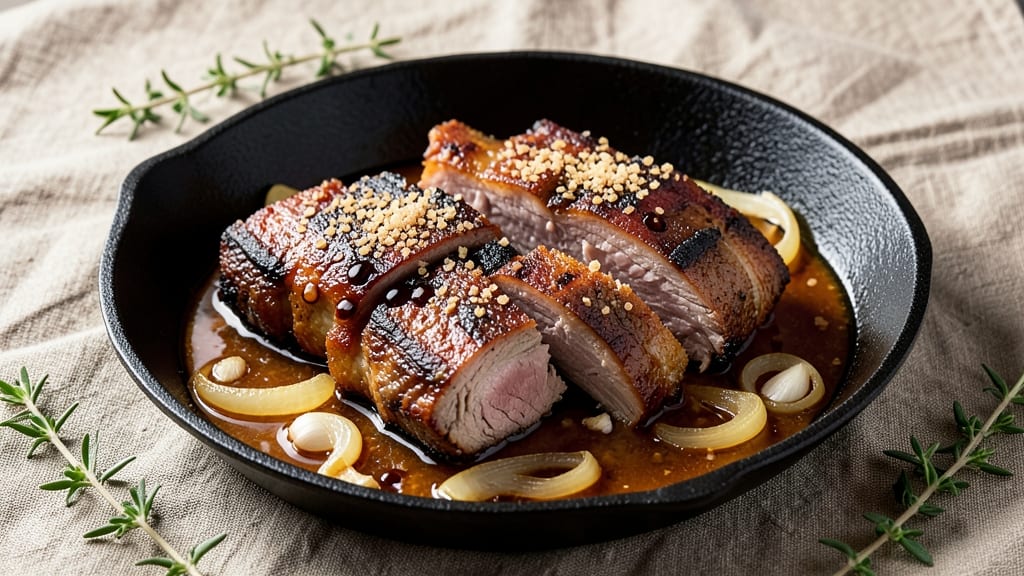
This beef short ribs recipe with Dr Pepper transforms tough cuts into melt-in-your-mouth perfection through a smoky-sweet glaze that caramelizes edges into crispy, sticky edges. The unexpected tang of Dr Pepper cuts through the richness, balancing the natural beefiness with a bright, caramelized finish that's impossible to resist.
I perfected this method after years of testing—each bite delivers that perfect contrast of tender meat and caramelized crust.
The secret lies in slow cooking the ribs for 3 hours until they're fork-tender, then finishing with a glaze made from reduced Dr Pepper, brown sugar, and spices. This technique ensures the ribs stay juicy while developing that irresistible caramelized bark.
The process might take time, but the results are worth every minute—rich, flavorful, and impressive enough for company.
Imagine pulling these ribs from the oven, their edges glistening with a deep amber glaze that cracks slightly when you cut in. The aroma alone will have everyone gathering at the table, and each bite delivers that perfect harmony of smoky, sweet, and tangy flavors.
Serve with classic sides like mashed potatoes or roasted vegetables to complete the meal.
This recipe is designed for home cooks who want restaurant-quality results without the fuss. The Dr Pepper glaze adds a unique twist that elevates simple beef ribs into something extraordinary.
Whether you're feeding a crowd or treating yourself to a special dinner, these ribs will be the star of the show.
Ingredients for beef short ribs recipe with dr pepper
Four pounds of beef short ribs and a few unexpected ingredients unlock restaurant-quality caramelized edges.
| Ingredient | Amount | Notes |
|---|---|---|
| Beef Short Ribs 🥩 | 4 lb | Bone-in, 2-2.5 inches thick, trimmed of excess fat |
| Dr Pepper 🥤 | 1 ½ cups | Original flavor, not diet or zero sugar |
| Light Brown Sugar 🍚 | 1 cup | Packed, not granulated |
| Yellow Onion 🧅 | 1 whole | Yellow or red, roughly chopped |
| Garlic Cloves 🧄 | 6 cloves | Peeled, minced |
| Worcestershire Sauce 🍶 | 2 tbsp | Lea & Perrins preferred |
| Apple Cider Vinegar 🍏 | 2 tbsp | Bragg preferred |
| Smoked Paprika 🌶️ | 1 tbsp | High-quality, not regular paprika |
| Ground Black Pepper 🌶️ | 1 tbsp | Freshly cracked |
| Kosher Salt 🧂 | 1 ½ tbsp | Diamond Crystal preferred |
| Beef Broth 🥛 | 1 ½ cups | Low-sodium, homemade or high-quality |
| Olive Oil 🫒 | 2 tbsp | Extra-virgin, for searing |
| Fresh Rosemary 🌿 | 1 sprig | For aroma, optional garnish |
The beef short ribs are the foundation—opt for bone-in cuts with 2-2.5 inch thickness for optimal tenderness. Local butchers often carry the best quality at a lower cost than grocery stores. Look for marbled fat and bright red color to ensure freshness. If you can't find bone-in, bone-in chuck roast works as a substitute, but trim excess fat to prevent excess grease. For the Dr Pepper, original flavor is non-negotiable—diet or zero-sugar versions lack the caramelized depth needed for the glaze. Store-bought brands like Coca-Cola's Dr Pepper perform just as well as name-brand alternatives.
No smoked paprika? Substitute with a mix of regular paprika and a pinch of liquid smoke (about 1/4 tsp), though the flavor won't be identical. The Worcestershire sauce adds depth—Lea & Perrins is the gold standard, but Annie's or Hunts work in a pinch. For the brown sugar, light brown provides the right moisture balance; dark brown will intensify the caramelization but may overpower the Dr Pepper's tang. The beef broth should be low-sodium to avoid altering the glaze's balance—homemade or high-end store-bought (like Kirkland Signature) ensures optimal flavor. If you're short on time, instant beef bouillon (like Knorr) dissolved in water can suffice, though it lacks complexity.
The ribs should be refrigerated for up to 3 days before cooking—this allows the meat to relax and tenderize. Freeze for up to 3 months if prepping ahead, but thaw in the fridge overnight for even cooking. The glaze components (Dr Pepper, sugar, spices) can be pre-mixed and stored in an airtight container in the fridge for up to 1 week, though fresh is always better. Reheat leftovers in a 350°F oven for 10-15 minutes with a splash of beef broth to restore moisture—these ribs reheat beautifully and often taste even better the next day as flavors meld.
Why You'll Love This Recipe
- One-Pan Magic: I swear by this—just toss the ribs, onions, and garlic in a deep skillet, pour in that Dr Pepper, and let it bubble away. No fancy layers, no stress, and the soda caramelizes into a glossy, sweet-savory sauce that’s half the work of traditional braising.
- Sweet Heat Bomb: Between us, the Dr Pepper’s caramel notes and the brown sugar’s depth turn these ribs into something dangerously addictive. The onions soften into a jammy mess, and the garlic? It clings to every bite like a flavor hug. (Yes, even on a Tuesday night.)
- Leftovers That Win: This recipe practically begs for seconds—so much so that I always make extra. The sauce thickens beautifully overnight, and reheating it turns the ribs even more tender. Pack them for work or freeze them; they’re still a hit.
- Budget-Friendly Luxury: Short ribs can feel fancy, but this cuts the cost without sacrificing flavor. Dr Pepper replaces expensive stock, and the brown sugar adds richness for pennies. It’s the kind of meal that makes you feel like you’re splurging, even when you’re not.
Step-by-step instructions for beef short ribs with Dr Pepper glaze
Here's the method for transforming tough beef short ribs into fall-off-the-bone tenderness with a caramelized Dr Pepper glaze.
Sear the Short Ribs for Maximum Flavor
Pat the 4 lb beef short ribs completely dry with paper towels, removing any remaining moisture. This step is crucial for achieving that deep, rich crust. Heat 2 tbsp olive oil in a heavy Dutch oven over medium-high heat until shimmering. Working in batches if needed, sear the ribs on all sides for 4-5 minutes per side until deep golden brown with crisp edges.
Don't rush this process—you're building flavor through the Maillard reaction. Once all ribs are seared, transfer them to a plate and set aside. The residual fat in the pot will form the base for your glaze, so don't wipe it clean.
Build the Dr Pepper Glaze Base
In the same Dutch oven, reduce heat to medium and add the 1 whole yellow onion and 6 cloves garlic cloves. Sauté for 4-5 minutes until the onions soften and become translucent, stirring occasionally. Sprinkle in 1 tbsp smoked paprika and 1 tbsp ground black pepper, stirring for 30 seconds to toast the spices and release their aromas.
Pour in 1.5 cups Dr Pepper, scraping up any browned bits from the bottom. Add 1 cup light brown sugar, 2 tbsp Worcestershire sauce, 2 tbsp apple cider vinegar, and 1.5 tbsp kosher salt. Bring to a simmer and let reduce by half—about 10-12 minutes—until the mixture thickens slightly and coats the back of a spoon. This concentrated glaze will penetrate the ribs during braising.
Braise Until Fork-Tender
Return the seared ribs to the Dutch oven, along with any accumulated juices. Pour in 1.5 cups beef broth and add the 1 sprig fresh rosemary. Bring to a gentle simmer, then cover tightly with a lid. Reduce heat to low and braise for 3 hours, turning the ribs occasionally to ensure even cooking and glaze distribution.
Here's the thing—patience is key. The ribs should be fork-tender by this point, with the meat easily separating from the bone. If using an instant-read thermometer, the internal temperature should reach 195-203°F—this is when collagen breaks down and transforms into gelatin, creating that luxurious tenderness.
Caramelize the Glaze and Finish
After braising, uncover the Dutch oven and increase heat to medium-high. Simmer uncovered for 15-20 minutes, stirring occasionally, until the glaze reduces further and develops a deep caramel color. The edges should be slightly crisp, and the sauce should coat the ribs in a glossy, syrupy layer. This step intensifies the sweet-savory balance that makes this recipe special.
Taste and adjust seasoning if needed—you might need a touch more salt or a splash of apple cider vinegar to balance the sweetness. The glaze should be sticky enough to cling to the ribs but still pourable. If it thickens too much, whisk in 1-2 tablespoons of beef broth to reach your desired consistency.
Rest and Serve
Transfer the ribs to a serving platter and let rest for 10-15 minutes before serving. This resting period allows the juices to redistribute, ensuring each bite is moist and flavorful. The glaze will thicken slightly as it cools, creating an even more concentrated flavor experience.
Serve the ribs with the reduced glaze spooned over the top, accompanied by roasted vegetables or mashed potatoes. The contrast of the tender, sweet-savory meat with the crisp edges of the caramelized glaze makes every bite unforgettable. For presentation, garnish with fresh rosemary sprigs and a sprinkle of flaky sea salt.
Pro Tips For Making Beef Short Ribs Recipe With Dr Pepper
- Sear Until Black: Don’t just brown those short ribs—push them to a deep, dark crust. I learned this the hard way after serving pale ribs that tasted undercooked. High heat, 3-4 minutes per side, until the edges almost smoke. This locks in flavor and makes the Dr Pepper sauce cling better later.
- Cut Ribs Against Grain: Slice the short ribs into 1-inch chunks before searing, not after. It’s easier to handle smaller pieces, and the meat stays tender when you cut against the grain. Skip the butcher’s help—just angle your knife diagonally and work methodically.
- Reduce Dr Pepper Early: Simmer the Dr Pepper sauce on medium-high heat until it’s cut in half before adding the ribs. This concentrates the caramelized sweetness and prevents a watery finish. I used to add it all at once, and the dish always tasted diluted—this fixes that.
- Use Two Onions: One for the sear, one for the sauce. Slice one onion thin for quick caramelization in the pan, then chop the second into larger chunks for the slow cook. The texture difference makes the dish more interesting—trust me, it’s worth the extra 5 minutes.
Regional styles of this recipe
Southern BBQ Twist
In the South, this recipe gets a smoky, vinegar-forward kick by adding ½ cup apple cider vinegar to the glaze and finishing with a sprinkle of hot sauce (like Crystal Hot Sauce).
I've seen Texas pitmasters serve these ribs with a side of pickled jalapeños to cut through the sweetness. The key is balancing the Dr Pepper's caramel notes with enough acidity to keep your palate refreshed. 🌶️
Midwest Comfort Style
Up north, home cooks often serve these ribs with a creamy horseradish sauce on the side, made by mixing ½ cup sour cream, 2 tbsp prepared horseradish, and a pinch of salt.
The Midwest version also includes a caramelized onion topping—sauté 2 large onions until deep brown, then spoon them over the finished ribs. This adds texture and depth that complements the Dr Pepper glaze beautifully.
Texas-Style Smoked Ribs
For a true Texas take, smoke the ribs in a pellet grill or smoker using hickory or oak pellets at 225°F for the first 2 hours before adding the Dr Pepper glaze. The smoky char pairs perfectly with the soda's caramelized sweetness.
I've had the best results when using Dr Pepper as a spritz (spraying it on ribs during the smoke) before adding the glaze. This infuses the meat with flavor before the braise even begins.
Chicago Deep-Dish Adaptation
Chicago chefs sometimes serve these ribs in a deep-dish pan with layers of mashed potatoes, caramelized onions, and the Dr Pepper-glazed ribs on top. Bake at 375°F for 25 minutes to melt everything together.
The soda's sweetness contrasts wonderfully with the savory mashed potatoes, creating a dish that's equal parts comfort food and gourmet. 🍽️
West Coast Fusion
On the West Coast, you'll find versions with a balsamic reduction added to the glaze—simmer ¼ cup balsamic vinegar with the Dr Pepper for 5 minutes before reducing. Pair these ribs with grilled asparagus and a white wine reduction for a sophisticated twist.
The balsamic adds a tangy depth that plays off the soda's caramel notes perfectly, making this a favorite at California steakhouses.
Nutrition facts
Frequently asked questions
Why does Dr Pepper work so well with beef short ribs?
The soda's unique blend of caramel, vanilla, and spice notes creates a perfect balance with beef's richness. The acidity tenderizes the meat while braising, and the sweetness caramelizes beautifully into a glossy glaze. The carbonation also helps break down tough collagen fibers during cooking.
Can I substitute Dr Pepper with another soda?
While Dr Pepper is ideal, you can try similar caramel-forward sodas like Coca-Cola or Pepsi in a pinch. For a non-soda option, use 1.5 cups apple cider mixed with 2 tbsp molasses to mimic the sweet-tangy profile. The key is maintaining that caramelized depth.
How do I know when the ribs are done?
Ribs are perfectly cooked when they reach 195-203°F internally and the meat easily separates from the bone with a fork. For visual confirmation, the glaze should be thick and glossy, with slightly crisp edges. If using a meat thermometer, probe the thickest part of the meat (avoiding bone).
Can I make this recipe in a slow cooker?
Sear the ribs first, then transfer everything to a 6-quart slow cooker with the glaze ingredients. Cook on low for 8 hours or high for 5-6 hours. In the last 30 minutes, uncover and cook on high to caramelize the glaze. The texture will be slightly more tender than oven-braised.
What's the best way to reheat leftovers?
Place ribs in a 350°F oven for 15-20 minutes with a splash of beef broth to restore moisture. For stovetop reheating, simmer gently in the braising liquid for 5-7 minutes. Never microwave—it makes the meat tough. Leftovers actually improve as flavors meld further!