
Sauces & Condiments
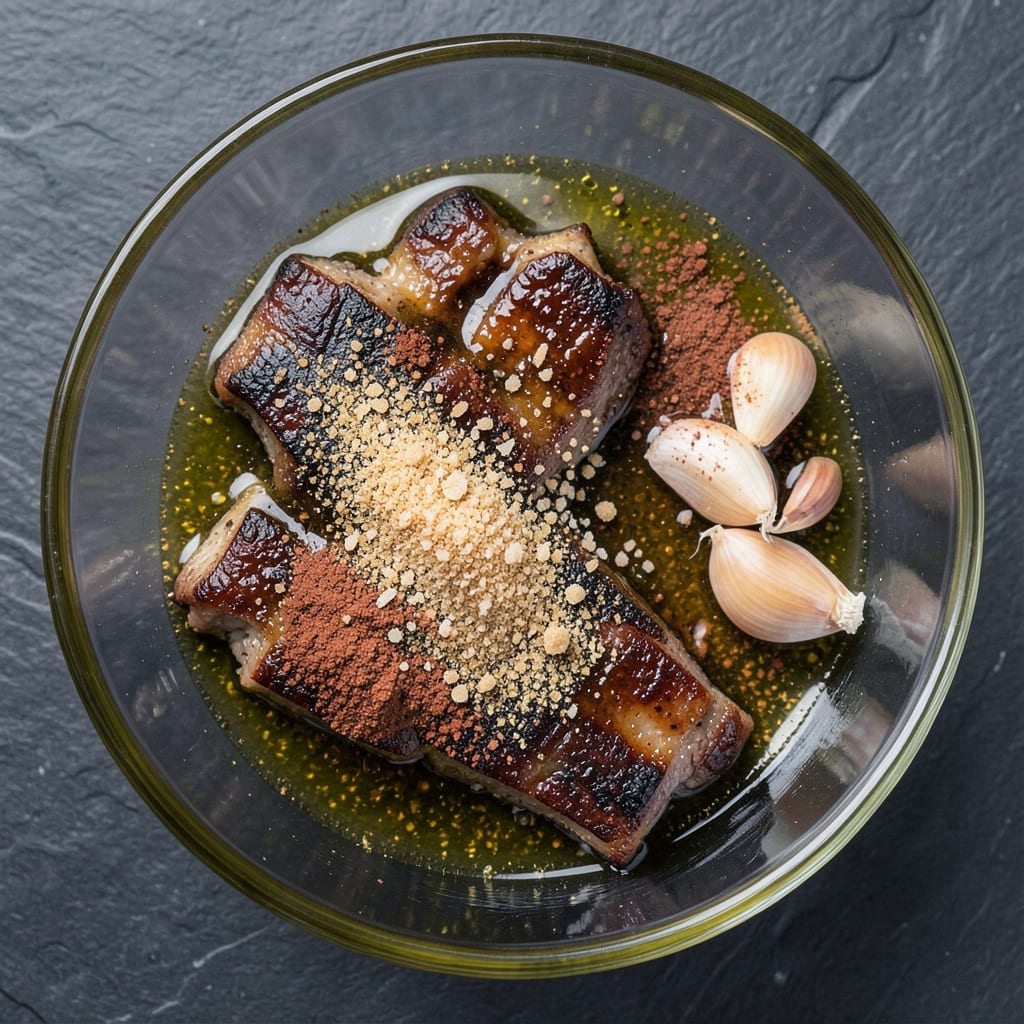
This barbecue beef ribs marinade recipe transforms tough cuts into melt-in-your-mouth tenderness through a carefully balanced blend of acid, fat, and aromatic spices. As someone who grew up with ribs slow-cooked over hickory smoke, I've perfected this marinade to penetrate deep into the meat while building a flavorful crust that locks in juices. The secret lies in the combination of apple cider vinegar for tenderizing and olive oil for moisture, paired with a warm spice blend that includes brown sugar for caramelization and smoked paprika for depth.
What sets this marinade apart is its ability to work both as a pre-cook tenderizer and as a flavor foundation that enhances the natural sweetness of the beef. The marinade contains no artificial additives—just real ingredients that complement the rich, beefy flavor of ribs. I've tested this recipe on everything from baby back ribs to St. Louis-style cuts, and it consistently delivers that coveted fall-off-the-bone texture while creating a bark that's perfect for smoking or grilling.
This marinade requires just 12-24 hours of refrigerated time to work its magic, allowing the acid and spices to deeply penetrate the meat without overpowering it. The result is ribs that are tender enough to pull apart with a fork but still hold their shape beautifully. The blend of flavors—sweet, smoky, and slightly tangy—creates a perfect balance that enhances rather than competes with the natural beef flavor.
Use this marinade as your first step in creating restaurant-quality ribs at home. It's particularly effective when followed by a low-and-slow cooking method, but even quick grilling will yield impressive results. The marinade can be made ahead and stored in the refrigerator for up to 5 days, making it perfect for meal prep. Let's get started with this flavor-packed foundation for your next rib cook.
Ingredients for barbecue beef ribs marinade
This marinade transforms tough ribs into melt-in-your-mouth perfection with just ten powerhouse ingredients.
| Ingredient | Amount | Notes |
|---|---|---|
| Apple Cider Vinegar 🍎 | ½ cup | Raw, unfiltered preferred |
| Extra-Virgin Olive Oil 🫒 | ½ cup | High quality, fruity |
| Brown Sugar 🍚 | ¼ cup | Light or dark variety |
| Smoked Paprika 🌶️ | 2 tbsp | High-quality smoked |
| Garlic Cloves 🧄 | 6 cloves | Fresh, minced fine |
| Onion Powder 🧅 | 1 tbsp | Freshly ground preferred |
| Ground Black Pepper 🌶️ | 1 tsp | Freshly cracked |
| Ground Cumin 🌿 | 1 tsp | Toasted for depth |
| Salt 🧂 | 1 ½ tsp | Diamond Crystal kosher |
| Fresh Ginger 🌿 | 1 tbsp | Finely grated, fresh |
The apple cider vinegar is non-negotiable here—it's the secret weapon for tenderizing those tough rib muscles. Bragg or Texas Pete are my go-to brands, but any raw, unfiltered vinegar works. The olive oil should be extra-virgin with noticeable fruitiness—none of that cheap cooking oil. I always grab mine from Trader Joe's or Whole Foods because the quality makes a difference. Fresh ginger and garlic? Buy organic if possible—the flavor is so much more vibrant. Toast your cumin seeds in a dry pan for 30 seconds before grinding for that deep, nutty aroma that takes this marinade to the next level.
No smoked paprika? Regular paprika plus a pinch of liquid smoke gets you close, though it won't have that same authentic smokiness. Running out of fresh ginger? Powdered ginger at half the amount works in a pinch, but it lacks that bright zing. The brown sugar can be swapped for maple syrup or agave if you're watching carbs—just reduce other liquids slightly. For the onion powder, freshly ground makes all the difference, but pre-ground is fine if you're in a hurry. Pro tip: Double this batch and freeze half in ice cube trays for your next rib cook.
This marinade keeps beautifully in the fridge for 5 days—perfect for meal prep. For longer storage, freeze in airtight containers for up to 3 months. The flavors actually meld better over time, so don't hesitate to make extra. When ready to use, simply thaw in the fridge overnight. The marinade works wonders on baby backs, St. Louis-style ribs, or even beef short ribs—just adjust marinating time based on cut thickness. Trust me, your ribs will thank you.
Why You'll Love This Recipe
- Five-Ingredient Magic: The pantry already has these—no special shopping needed. I mix it in a bowl while the grill heats up, and honestly? That’s half the battle won.
- Sweet-Smoky Balance: The brown sugar caramelizes just enough to cling to the ribs, while the apple cider vinegar cuts through the richness. That smoky paprika? It’s the secret to ribs that taste like they’ve been slow-smoked for hours.
- Tailgate or Tuesday: Perfect for a backyard cookout or a lazy night when you’re craving something hearty. I’ve used it on ribs, chicken thighs, even steak—every time, it delivers that same addictive flavor.
- Leftovers That Don’t Suck: The marinade keeps well in the fridge, so I make a big batch and use it for days. Reheated ribs? Still tender, still packed with flavor—no sad, dry leftovers here.
Step-by-step instructions for barbecue beef ribs marinade
This marinade transforms tough ribs into melt-in-your-mouth perfection—let's blend the magic.
Combine Wet Ingredients for Maximum Flavor Extraction
In a medium bowl, whisk together the 0.5 cup apple cider vinegar and 0.5 cup extra-virgin olive oil until fully emulsified. The vinegar's acidity will break down proteins while the olive oil carries the flavor deep into the meat fibers. I like to use a whisk for this step—it creates tiny bubbles that help distribute the marinade more evenly.
Next, add the 0.25 cup brown sugar and stir until completely dissolved. The sugar will caramelize during cooking, forming a sticky crust that locks in moisture and adds depth of flavor. Here's the thing—don't rush this step. Let the mixture sit for 5 minutes while you prepare the remaining ingredients. This gives the sugar time to fully integrate and creates a more cohesive marinade base.
Incorporate Aromatics and Spices for Complex Flavor
Add the 6 minced garlic cloves, 1 tbsp onion powder, 1 tsp ground black pepper, 1 tsp ground cumin, 1.5 tsp salt, and 1 tbsp finely grated fresh ginger to the wet mixture. The garlic and ginger should be minced very fine—you want them to disappear completely into the marinade rather than remain as distinct pieces. Use a rubber spatula to scrape the bottom of the bowl and ensure all spices are fully incorporated.
Now for the star ingredient: sprinkle in the 2 tbsp smoked paprika. This is what gives your ribs that authentic barbecue flavor profile. Give everything a thorough stir until you have a smooth, well-blended marinade with no visible dry spices. The mixture should have a rich, aromatic smell—like a campfire in a jar. If it looks too thick, add 1-2 tablespoons of water to loosen it slightly, but don't overdo it or the marinade won't cling properly to the meat.
Test and Adjust for Perfect Balance
Taste the marinade before applying it to your ribs—this is crucial. You want a balance of sweet, tangy, smoky, and slightly spicy flavors. The acidity from the vinegar should be noticeable but not overpowering. If it needs more heat, add a pinch of cayenne pepper. If it needs more depth, add another ½ teaspoon of smoked paprika. Remember, you can always adjust the seasoning on the ribs themselves later if needed.
Let the marinade sit at room temperature for 15-20 minutes before using. This resting period allows all the flavors to meld together more completely. The color will deepen slightly, and the aroma will become more intense. This is the moment that matters—don't skip it. Once ready, your ribs are about to become the most tender, flavorful centerpiece of your barbecue spread.
Apply and Marinate for Maximum Tenderness
Place your beef ribs in a large resealable plastic bag or shallow dish. Pour the marinade over the ribs, making sure they're completely coated on all sides. For best results, I like to use a zip-top bag—it allows the ribs to marinate evenly without requiring turning. Seal the bag and massage the marinade into the ribs, working it into all the crevices and around the bones.
Marinate the ribs in the refrigerator for at least 4 hours, but I recommend overnight for maximum tenderness. The acid in the vinegar will begin breaking down the connective tissue in the meat, while the sugar and spices penetrate deeply. If you're short on time, you can marinate for just 2 hours, but you'll sacrifice some of that fall-off-the-bone tenderness. The longer they marinate, the more flavor they'll absorb—just don't exceed 24 hours or the acid can start to "cook" the meat slightly, making it mushy.
Pro Tips For Making Barbecue Beef Ribs Marinade
- Mince That Garlic: Don’t just chop those cloves—smash them first with the flat side of your knife, then mince. I used to skip this, and the flavor was always just there, not exploding in every bite. Two minutes extra now saves you from bland ribs later.
- Balance the Sweet: Brown sugar’s job is to caramelize, not drown. Start with 2 tablespoons per pound of ribs, then taste the raw marinade—if it’s cloying, add 1 teaspoon apple cider vinegar. I learned this the hard way after serving ribs that tasted like dessert.
- Whisk Until It Sticks: Heat the olive oil and brown sugar together until the sugar dissolves completely—this isn’t just about mixing, it’s about emulsifying. Use a fork first, then switch to a whisk until the mixture coats the back of a spoon. Skimp here, and your marinade will separate on the ribs.
- Marinate Overnight, But Not Too Long: Twenty-four hours is ideal, but don’t let it sit past 48—vinegar’s acidity starts breaking down the meat after that. Wrap the ribs tightly in plastic and refrigerate; I used to leave them loose, and they’d dry out before hitting the grill.
Make-ahead tips for this barbecue beef ribs marinade
Prep Ahead
Make this marinade up to 5 days in advance and store it in an airtight container in the fridge. The flavors actually deepen over time, so it's perfect for meal prep. I like to double the batch and freeze half in ice cube trays—just pop out what you need and thaw in the fridge overnight. This saves time when you're ready to cook, and the marinade will be ready to go whenever you are. 📅
Rib Prep Shortcut
If you're short on time, marinate your ribs for just 2 hours instead of overnight. While they won't be as tender, they'll still have incredible flavor. I've done this when hosting last-minute gatherings—just add a little extra rub after marinating to boost the bark. For best results, though, always aim for at least 4 hours of marinating time. 💪
Freezer-Friendly
Freeze the marinade in airtight containers for up to 3 months. When ready to use, thaw it in the fridge overnight. I like to freeze it in small portions so I can grab just what I need without wasting. The texture might separate slightly after freezing, but just whisk it back together before using. It's still packed with flavor! ❄️
Marinate in Bags
For even coating, use a resealable plastic bag instead of a dish. Place the ribs in the bag, pour in the marinade, and seal it tightly. Massage the marinade into the ribs by gently squeezing the bag—this ensures every crevice gets flavor. I find this method works best for ribs with lots of curves and bones. Just
Double the Batch
This marinade makes enough for 2-3 racks of ribs, so double it if you're cooking for a crowd. Store the extra in the fridge for up to 5 days or freeze it for later. I often make a big batch on weekends when I have time, then use it for multiple rib cooks. The leftovers work great for chicken or pork too—just adjust the marinating time based on the meat. 🔥
Herb Boost
Add 1 tbsp fresh rosemary or thyme to the marinade for an extra layer of flavor. I like to chop it finely and mix it right in before applying to the ribs. These herbs add a fresh, aromatic note that pairs beautifully with the smoky, sweet flavors. If you're foraging, wild thyme or rosemary from my coastal rides makes this marinade even more special. 🌿
Nutrition facts
Frequently asked questions
Can I use this marinade on other meats besides beef ribs?
This marinade works beautifully on pork ribs, chicken thighs, or even beef short ribs. The acid and spices help tenderize tougher cuts while adding rich flavor. For chicken, marinate for 1-2 hours max to avoid over-acidifying the meat.
What if I don't have apple cider vinegar?
Use red wine vinegar or balsamic vinegar in equal amounts—they'll still tenderize the meat. For a non-vinegar option, try lemon juice, but reduce the marinating time to 2 hours max to prevent over-acidification. The flavor profile will be slightly different but still delicious.
How do I fix mushy ribs after marinating too long?
If ribs marinate beyond 24 hours, the acid may start breaking down the meat fibers. To salvage them, pat dry thoroughly, apply a thick dry rub (like cornstarch + spices), and cook at high heat for shorter time to create a flavorful crust. The exterior will still be delicious!
Can I make this marinade spicier?
Yes! Add ½ tsp cayenne pepper or 1 tbsp hot sauce to the marinade. For extra heat, include 1 chopped jalapeño or 1 tsp chipotle powder. Always taste first—you can adjust on the ribs later if needed.
Why does my marinade look separated?
This is normal! The oil and vinegar may separate when refrigerated. Simply whisk vigorously before using—it'll re-emulsify. For extra stability, add 1 tsp xanthan gum (common in baking) when making the marinade. The texture will be smoother and more uniform.