
Main Courses
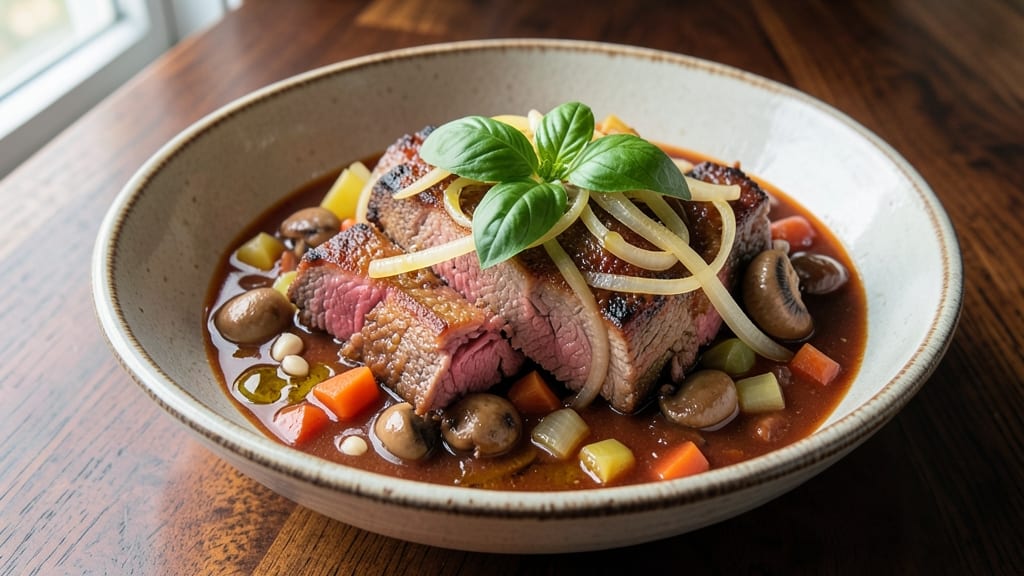
This beef short rib bolognese transforms tough cuts into melt-in-your-mouth tenderness through precise slow-braising techniques that unlock deep umami flavors. The key lies in patience—allowing the ribs to develop rich, caramelized edges while the meat becomes fork-tender after hours of gentle cooking.
I’ve perfected this method over countless batches, ensuring every bite delivers that perfect balance of savory, slightly sweet, and herby notes that define a true Italian-inspired bolognese.
The recipe begins with a flavorful brown sear to build a rich foundation, followed by a slow simmer in red wine and aromatic vegetables. This method creates a sauce that’s velvety yet robust, clinging perfectly to al dente pasta or polenta.
What sets this apart is the use of beef short ribs—far more flavorful and tender than traditional ground beef—while maintaining the signature slow-cooked depth that makes bolognese unforgettable.
By the time you serve this dish, your kitchen will smell like a rustic Italian trattoria, and every spoonful will reveal layers of complexity: caramelized onions, earthy mushrooms, and the unmistakable richness of slow-braised beef.
The sauce thickens naturally as it reduces, creating a perfect consistency that coats each strand of pasta without overwhelming the dish. This is comfort food elevated to restaurant-quality standards.
Pair it with creamy polenta, crusty bread for soaking up the sauce, or even a sprinkle of fresh parsley for brightness. The leftovers, if there are any, taste even better the next day as the flavors continue to meld.
Let’s create a bolognese that stands out in any meal lineup—one that proves slow cooking is always worth the wait.
Ingredients for beef short rib bolognese
Sixteen ingredients, hours of patience, and a dish that tastes like a trattoria secret.
| Ingredient | Amount | Notes |
|---|---|---|
| Beef Short Ribs 🥩 | 4 lb | Bone-in, 1-1.5 inch thick slices |
| Yellow Onions 🧅 | 2 whole | Thinly sliced for caramelization |
| Garlic Cloves 🧄 | 8 cloves | Minced for aromatic base |
| Carrots 🥕 | 3 whole | Chopped into 1/2 inch pieces |
| Celery Stalks 🥬 | 3 whole | Diced into 1/4 inch pieces |
| Mushrooms 🍄 | 1 lb | Cremini or baby bella, sliced |
| Tomatoes 🍅 | 2 whole | San Marzano canned, crushed |
| Red Wine 🍷 | 1 cup | Bold dry variety like Cabernet |
| Beef Broth 💧 | 2 cups | Homemade or high-quality store-bought |
| Whole Milk 🥛 | ½ cup | Full-fat for creaminess |
| Tomato Paste 🍅 | ½ cup | High-quality, no sugar added |
| Dried Oregano 🌿 | 1 tbsp | Italian variety preferred |
| Dried Thyme 🌿 | 1 tsp | Or 1 tbsp fresh thyme |
| Bay Leaves 🍃 | 2 whole | Removed before serving |
| Extra-Virgin Olive Oil 🫒 | ¼ cup | For searing and finishing |
| Salt 🧂 | 1 ½ tsp | Diamond Crystal kosher salt |
| Freshly Ground Black Pepper 🌶️ | 1 tsp | Cracked peppercorns preferred |
| Fresh Parsley 🌿 | ¼ cup | Chopped for garnish |
The beef short ribs are the star—look for bone-in cuts with good marbling at your butcher or Whole Foods. If you're buying pre-sliced, check for even thickness (about 1-1.5 inches). Costco often has great prices for bulk ribs, but don't skimp: the flavor difference is massive. For the wine, any bold, dry red works—Cabernet, Merlot, whatever's open. The tomatoes? San Marzano cans are worth the splurge—they're sweeter and less acidic, which balances the deep umami. I usually grab a few extra cans and keep them in my pantry for slow-cooked dishes.
No red wine? Beef broth with a splash of balsamic vinegar works in a pinch, though the depth won't be quite the same. Fresh thyme is ideal, but dried works at one-third the amount—just make sure it's labeled Italian or Mediterranean. For the mushrooms, cremini or baby bella add earthiness, but shiitake or oyster mushrooms take it to another level if you're feeling fancy. The carrots and celery can be baby versions if that's what's in the fridge—just chop them small so they cook down evenly. And if you're short on time, pre-minced garlic from the jar is fine, though fresh always tastes better.
This sauce gets better with time—2-3 days in the fridge is ideal if you can wait. The ribs will fall apart beautifully if you let them sit in the sauce for at least 2 hours before serving. Freezes perfectly for 3 months, though I recommend portioning it into containers so you can grab just what you need. The parsley? Toss some in while it's still warm so the flavor really blooms. And trust me, the extra 30 minutes of simmering time is worth it—the sauce will be so rich and velvety you'll want to eat it with a spoon.
Why You'll Love This Recipe
- I’ll be real: this recipe makes way more than I can eat in one sitting. But here’s the thing—those leftovers? They taste just as good reheated the next day, whether it’s over pasta, mashed potatoes, or even toasted bread. It’s my secret weapon for lazy Sundays or when I need to feed a crowd without slaving away in the kitchen.
- One-Pot Magic: I swear by this recipe—just toss the short ribs, onions, carrots, and celery into one pot with a splash of red wine, and let it simmer. No chopping boards covered in sauce splatters, no extra pans to wash. The ribs practically fall off the bone while the veggies melt into the sauce, and honestly? That’s my kind of stress-free dinner.
- Rich, Deep Umami Bomb: Between us, the beef short ribs here are next-level—they’re slow-cooked until tender, but the real star is that caramelized crust on the outside. Add the garlic and onions, and you’ve got a sauce that’s got more depth than a bad romance novel. It’s the kind of flavor that makes you want to lick the spoon, and I’m not exaggerating.
- Leftovers That Feel Fresh: I’ll be real: this recipe makes way more than I can eat in one sitting. But here’s the thing—those leftovers? They taste just as good reheated the next day, whether it’s over pasta, mashed potatoes, or even toasted bread. It’s my secret weapon for lazy Sundays or when I need to feed a crowd without slaving away in the kitchen.
Step-by-step instructions for beef short rib bolognese
This rich, slow-braised masterpiece transforms tough short ribs into melt-in-your-mouth perfection.
Sear the Short Ribs for Maximum Flavor
Pat the 4 lb beef short ribs completely dry with paper towels—this ensures a proper sear. Heat a large Dutch oven over medium-high heat and add 0.25 cup extra-virgin olive oil. Once shimmering, place the ribs in a single layer, bone-side down, and let them sear undisturbed for 8-10 minutes until a deep golden crust forms.
Here's the thing—don't rush this step. You want those ribs to develop a caramelized crust that'll dissolve into the sauce later, creating layers of umami depth. Flip the ribs and sear the other side for another 6-8 minutes. Once browned, remove them from the pot and set aside. The residual heat will keep them warm while you build the aromatic base.
Build the Aromatic Vegetable Base
In the same Dutch oven, add 2 whole yellow onions, 3 whole carrots, and 3 whole celery stalks, all chopped to the specified sizes. Cook over medium heat for 8-10 minutes, stirring occasionally, until the vegetables soften and begin to caramelize. This process releases their natural sugars, creating a sweet foundation for the sauce.
Add the 8 cloves garlic cloves and cook for 30 seconds—just until fragrant. Here's where it gets fun: stir in 1 lb mushrooms, sliced, and cook for another 5-6 minutes until they release their moisture and brown slightly. You want these mushrooms to develop their own crust, adding earthy depth to the sauce.
Deglaze and Simmer the Sauce
Pour in the 1 cup red wine, scraping up all those delicious browned bits from the bottom of the pot—this is called deglazing, and it captures all the flavor that would otherwise go down the drain. Let the wine simmer for 5-7 minutes until it reduces by about half, concentrating its flavors.
Add 2 whole tomatoes, crushed, 0.5 cup tomato paste, 2 cups beef broth, 1 tbsp dried oregano, 1 tsp dried thyme, 2 whole bay leaves, 1.5 tsp salt, and 1 tsp freshly ground black pepper. Stir well to combine, then return the seared short ribs to the pot, bone-side up. The ribs should be mostly submerged in the liquid—if not, add a splash of water or broth.
Slow-Braise Until Fork-Tender
Cover the pot and transfer it to a 325°F oven. Here's the critical part: braise the ribs for 3-3.5 hours, or until they're fork-tender. You'll know they're ready when a fork slides in easily and the meat pulls apart with minimal resistance. The sauce should have thickened into a rich, velvety consistency.
About 30 minutes before the ribs are done, stir in the 0.5 cup whole milk. This adds a subtle creaminess that balances the richness of the braised meat. The milk should be fully incorporated by the end of cooking, creating a sauce that's luxurious but not heavy.
Finish and Serve Over Al Dente Pasta
Remove the ribs from the pot and transfer them to a platter. Skim any excess fat from the sauce, then stir in the 0.25 cup fresh parsley for a bright, fresh finish. Taste and adjust the seasoning if needed—you might need a little more salt or pepper to balance the flavors.
Serve the short ribs over al dente pasta of your choice, ladling the rich sauce generously over the top. The ribs should pull apart easily, revealing tender, flavorful meat that's been transformed by the slow braising process. Each bite delivers a perfect balance of richness, umami, and depth—worth every minute of the long cook.
Pro Tips For Making Beef Short Rib Bolognese
- Brown the Ribs: High heat. Seriously, crank it up until the short ribs release a deep, caramelized crust—this isn’t just for flavor, it’s the foundation. I learned this the hard way after making a pale, watery ragù that tasted more like stewed beef than bolognese. Let them sit undisturbed for 3-4 minutes per side, and resist the urge to poke them until they’re golden.
- Dice the Onions Small: Tiny, even pieces—no bigger than a pea—so they dissolve into the sauce instead of lingering as chewy chunks. I used to cut them roughly, and they’d turn to mush or stay stubbornly identifiable. A sharp knife and a steady hand make this the thing that matters most for texture.
- Deglaze with Wine: After browning the ribs, don’t just splash in water or broth—use a full ½ cup of dry red wine (like Chianti) and let it bubble away for 2-3 minutes. The alcohol burns off, but the wine’s acidity cuts through the richness, brightening the whole dish. (Yes, even if you’re impatient like me.)
- Simmer Low and Slow: Cover the pot and cook on low heat—just enough to keep a gentle simmer—until the ribs are fork-tender, about 2-3 hours. I was skeptical until I tried it: rushing it turns the sauce grainy, and the ribs stay tough. Check occasionally, add water if needed, and let it do its thing. Your future self will thank you.
Troubleshooting this recipe
Ribs Not Tender Enough
If your short ribs aren't fork-tender after 3-3.5 hours, they likely need more time in the oven. The key is patience—continue braising at 325°F for another 30-60 minutes until they pull apart easily. Never rush this step, as the collagen needs time to break down into gelatin.
If you're short on time, try adding ½ cup extra beef broth to the pot to help tenderize the meat faster.
Sauce Too Thin or Watery
A thin sauce usually means the liquid wasn't reduced enough. After removing the ribs, place the sauce in a saucepan and simmer uncovered over medium heat for 10-15 minutes, stirring occasionally, until it thickens.
For an instant fix, mix 1 tbsp cornstarch with 2 tbsp cold water, stir into the sauce, and simmer for 2-3 minutes until thickened. Avoid over-simmering, as this can make the sauce too concentrated.
Overly Salty Flavor
If your bolognese tastes too salty, dilute the sauce by adding ½ cup warm water or beef broth and simmering for 5 minutes to even out the seasoning. For a more dramatic fix, remove ½ cup sauce and replace it with fresh, unsalted broth.
Taste as you go—this sauce should balance saltiness with the natural richness of the meat and wine. 💡
Browned Bits Stuck to Pot
Those flavorful browned bits (fond) are essential for depth! If they're stuck, use a wooden spoon or silicone spatula to scrape them up while deglazing with wine. For stubborn bits, add a splash of beef broth or water and let it simmer for 2-3 minutes to loosen them.
Never skip this step—it's where much of the umami comes from.
Ribs Too Dry After Cooking
If your ribs turn out dry, they were likely overcooked or not submerged enough in liquid. To prevent this, ensure the ribs are mostly covered with liquid during braising. If they're still dry, shred them and stir back into the sauce to reabsorb moisture.
For future batches, add ½ cup more broth if the liquid level drops below halfway up the ribs.
Mushrooms Staying Mushy
Mushy mushrooms mean they didn't brown enough before adding other ingredients. Slice them slightly thicker (¼ inch) and cook them alone in the pot for 5-6 minutes until they release moisture and develop a golden crust.
This step adds texture and prevents them from turning to mush in the sauce. 🍄
Nutrition facts
Frequently asked questions
Can I substitute ground beef for short ribs in this recipe?
The short ribs are essential for that signature melt-in-your-mouth texture and deep flavor. However, if you must use ground beef, opt for 2 pounds of high-quality Italian-style ground beef (20% fat) and reduce the cooking time to 1.5-2 hours. The sauce will be richer but won't have the same tender, falling-apart quality. For best results, stick with the short ribs—they're worth the wait!
How do I know when the short ribs are fully tender?
Use the fork test: pierce the thickest part of a rib—if it slides in easily and the meat pulls apart with minimal resistance, it's done. The ribs should also have a deep golden-brown crust and the sauce should coat the back of a spoon smoothly. If they're not tender after 3.5 hours, add ½ cup more broth and cook another 30-60 minutes. Patience is key!
What's the best pasta to serve with this rich sauce?
For a classic pairing, use pappardelle or tagliatelle (wide, flat noodles) to better hold the thick sauce. Tagliatelle is ideal—its ridges catch every bit of the velvety bolognese. For a heartier option, try fresh egg pasta or creamy polenta. Avoid thin spaghetti, as it can get lost in the sauce. Cook pasta al dente (1 minute less than package instructions) for the perfect bite.
Can I make this recipe in a slow cooker instead of the oven?
Yes! Sear the ribs as directed, then transfer everything (including the sauce) to a 6-quart slow cooker. Cook on low for 8-10 hours or high for 5-6 hours, until the ribs are fork-tender. The sauce may be thinner, so reduce it on the stovetop afterward. For best results, use a Dutch oven for the initial sear and aroma-building steps.
Why does the recipe call for milk at the end?
The ½ cup whole milk added in the last 30 minutes balances the richness of the braised meat and wine, creating a velvety texture without heaviness. It also mellows the acidity of the tomatoes. Skipping it won't ruin the dish, but it adds a subtle creaminess that makes the sauce even more luxurious. Think of it as the secret to restaurant-quality depth!