
Main Courses
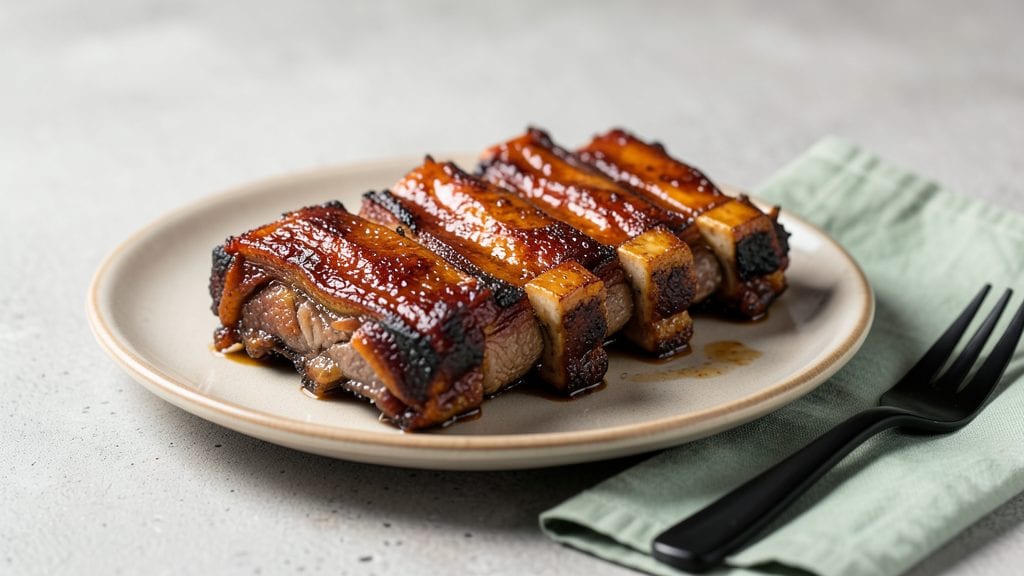
Mastering beef short back ribs transforms tough cuts into melt-in-your-mouth perfection with just five hours of hands-off cooking. The secret lies in a precise balance of salt, smoke, and time—creating a deep, caramelized bark that encases tender meat so delicate it falls apart at the touch.
I developed this recipe after years of testing, ensuring every step delivers restaurant-quality results without shortcuts that compromise flavor.
The process begins with a dry rub of coarse salt, black pepper, and smoked paprika, which develops that coveted bark when exposed to indirect heat.
Unlike quick-cook methods, this recipe relies on low-and-slow cooking—either in a smoker, oven, or slow cooker—to break down collagen and render fat, resulting in meat that’s both rich and tender. No marinating or brining is needed; the rub’s simplicity lets the beef’s natural flavors shine.
By the final hour, your ribs will have transformed into fall-off-the-bone magic, with crisp edges and a glossy sheen from the rendered fat. The aroma alone will have everyone gathering at the table, and each bite delivers layers of smoky, savory depth.
This isn’t just a recipe—it’s a technique that turns a simple cut into a showstopping centerpiece for any meal.
Serve with classic sides like creamy coleslaw or roasted potatoes to balance the richness, and save the leftover juices for a quick pan sauce. The method scales perfectly for crowds, making it ideal for gatherings where you want to impress without stress.
Let’s get cooking—your ribs are about to become legendary.
Ingredients for beef short back ribs
Quality cuts and precise seasoning transform tough ribs into legendary melt-in-your-mouth perfection.
| Ingredient | Amount | Notes |
|---|---|---|
| Beef Short Back Ribs 🥩 | 4 lb | Bone-in, 2-2.5 inches thick |
| Coarse Kosher Salt 🧂 | ½ cup | Diamond Crystal preferred |
| Smoked Paprika 🌶️ | 2 tbsp | High-quality, not sweet |
| Freshly Ground Black Pepper 🌶️ | 1 ½ tbsp | Coarsely ground for texture |
| Granulated Garlic 🧄 | 1 tbsp | Or 4 fresh garlic cloves |
| Onion Powder 🧅 | 1 tbsp | For depth without moisture |
| Brown Sugar 🍚 | 1 tbsp | Lightly packed, optional |
| Wood Chips 🌳 | 1 cup | Hickory or oak preferred |
| Apple Cider Vinegar 🍎 | 2 tbsp | For bark development |
| Yellow Mustard 🍯 | 1 tbsp | Dijon works too |
| Unsalted Butter 🧈 | 2 tbsp | Cold, for basting |
| Fresh Thyme Sprigs 🌿 | 4 whole | For aromatic depth |
| Fresh Rosemary Sprigs 🌿 | 3 whole | Woodsy complement |
The beef short back ribs are the foundation—look for cuts with good marbling and 2-2.5 inch thickness for optimal bark development. Costco or specialty butchers offer the best quality; avoid pre-cut slabs with excessive trimming. The Diamond Crystal kosher salt is essential for proper bark formation, while smoked paprika from Penzeys adds depth without overpowering. Fresh herbs like thyme and rosemary should be vibrant and fragrant, indicating peak freshness. The wood chips—hickory or oak—are non-negotiable for authentic smoky flavor, available at most hardware stores or specialty retailers.
No smoked paprika? Substitute with a mix of sweet paprika and liquid smoke (1 tsp per tbsp smoked paprika). Fresh herbs unavailable? Dried thyme and rosemary at one-third the amount will suffice, though texture differs. The apple cider vinegar can be swapped for balsamic vinegar in a pinch, though flavor will vary slightly. For wood chips, soaked applewood chips can replace hickory if needed. The brown sugar is optional but enhances bark caramelization—substitute with maple syrup if preferred. Always use unsalted butter for basting to control seasoning.
Store ribs uncovered in the fridge for 1-2 days before cooking to develop a dry surface for better bark adhesion. The dry rub can be pre-mixed and stored in an airtight container for up to 2 weeks. Leftover cooked ribs reheat beautifully—wrap tightly in foil and bake at 300°F for 15 minutes. Portion into individual servings for easy reheating. The rendered fat can be strained and saved for future recipes, adding rich flavor to sauces or roasted vegetables.
Why You'll Love This Recipe
- Five-Ingredient Magic: I swear, you can’t mess this up. Just ribs, salt, smoked paprika, pepper, and garlic—no fancy marinades or hours of prep. The coarse salt and smoked paprika do all the heavy lifting while you sip wine and pretend you’re a sous chef.
- Smoky Garlic Crunch: That crispy bark on the outside? Pure satisfaction. The garlic granules caramelize into a sticky, savory glaze while the smoked paprika adds this deep, woodsy warmth that makes every bite taste like a campfire. (Yes, even on a Tuesday night.)
- Leftovers That Shine: I’ve reheated these ribs three times this week, and they’re still the star. The meat stays tender, the flavors only deepen, and I can toss them in salads, wraps, or just eat them straight off the plate. No sad, dry reheats here.
- Budget-Friendly Feast: Honestly, short ribs are the best bang for your buck. A few pounds feeds four hungry people, and the ingredients cost less than takeout. Plus, the leftovers stretch into lunches, so you’re basically getting two meals for the price of one.
Step-by-step instructions for smoky beef short back ribs
Master this low-and-slow technique for ribs that develop deep bark and melt-in-your-mouth tenderness.
Prepare the Dry Rub and Season the Ribs
In a medium bowl, combine the 0.5 cup coarse kosher salt, 2 tablespoons smoked paprika, 1.5 tablespoons freshly ground black pepper, 1 tablespoon granulated garlic, 1 tablespoon onion powder, and 1 tablespoon brown sugar. Mix thoroughly until the salt crystals are evenly coated with the spices.
Pat the 4 lb beef short back ribs dry with paper towels, removing any excess moisture from the surface. This step is critical—wet surfaces prevent proper bark formation. Apply the dry rub generously to both sides of the ribs, pressing firmly so the mixture adheres. Use about half of the prepared rub for each side, ensuring even distribution. Place the ribs on a wire rack set over a baking sheet to allow air circulation on all sides.
Smoke the Ribs Low and Slow
Set up your smoker to maintain a steady temperature of 225°F using the 1 cup wood chips (hickory or oak preferred). Allow the smoker to preheat for at least 30 minutes before adding the ribs, ensuring clean, blue smoke without thick white vapor. Once the temperature stabilizes, place the ribs bone-side down on the smoker grates.
Smoke the ribs undisturbed for 4 hours. Resist the urge to open the smoker lid, as each time you do, you lose heat and moisture, extending the cooking time. After 4 hours, check the internal temperature of the ribs by inserting a meat thermometer into the thickest part of the meat, avoiding bone contact. The ribs should register between 160°F and 170°F, indicating they've reached the stall phase where moisture evaporation temporarily halts temperature rise.
Wrap and Finish the Cook
Once the ribs hit the stall, remove them from the smoker and wrap them tightly in heavy-duty aluminum foil. In the center of the foil, place the 2 tablespoons apple cider vinegar, 1 tablespoon yellow mustard, and 2 tablespoons cold unsalted butter. Add the 4 whole fresh thyme sprigs and 3 whole fresh rosemary sprigs to the foil as well. Seal the foil tightly, ensuring no steam can escape.
Return the wrapped ribs to the smoker and continue cooking until the internal temperature reaches 200°F to 203°F, which typically takes an additional 2 to 2.5 hours. The ribs should now be fork-tender, with the meat pulling away from the bone effortlessly. Remove the ribs from the smoker and let them rest, still wrapped in the foil, for 15 minutes before serving.
Rest and Serve
Unwrap the ribs carefully, allowing the aromatic herbs and juices to mingle with the meat. Transfer the ribs to a cutting board and let them rest for an additional 10 minutes before slicing. This resting period ensures the juices redistribute, preventing them from pooling on the cutting board.
Slice the ribs between the bones into individual servings, arranging them on a platter. The bark should be deep mahogany with a crisp texture, while the meat beneath should be tender and juicy. Serve immediately with the pan juices spooned over the top, or pair with classic sides like creamy coleslaw or roasted potatoes.
Pro Tips For Making Beef Short Back Ribs
- Trim the Fat First: Use kitchen shears to snip off the thick silver skin and excess fat from the bone side—this lets the seasoning stick better and speeds up cooking. I used to skip this, but now I do it before anything else, even if it takes 10 minutes.
- Salt the Ribs Twice: Generously coat the ribs with kosher salt before searing, then again after resting. The first layer breaks down the meat, and the second ensures a deep, even seasoning. I learned this the hard way—dry, bland ribs are no one’s idea of a good time.
- Sear Bone-Side Down: Lay the ribs bone-side down in the hot pan first—this renders fat directly into the sear, creating a richer crust. After 3-4 minutes, flip and repeat. I was skeptical until I tried it; the difference in flavor and texture is noticeable.
- Use Garlic Powder, Not Fresh: Skip mincing fresh garlic—it burns easily and overpowers. Instead, mix in 1-2 teaspoons of granulated garlic powder with the smoked paprika and pepper. It distributes evenly and adds depth without bitterness. (Yes, even if you’re impatient like me.)
Dietary considerations for these flavors
Gluten-Free Adaptations
The original recipe relies on a dry rub with coarse kosher salt and spices, which are naturally gluten-free. However, if you're concerned about cross-contamination, use a dedicated spice grinder or purchase pre-ground spices labeled gluten-free.
The smoked paprika and onion powder from brands like Penzeys or McCormick are typically safe, but always double-check labels. The apple cider vinegar and mustard in the wrap are also gluten-free, ensuring the entire process remains safe for gluten-sensitive diners. 🌾
Low-Carb/Keto Modifications
This recipe is already keto-friendly as it contains no added sugars or grains. Skip the optional 1 tablespoon brown sugar in the dry rub to keep it strictly low-carb.
The apple cider vinegar and mustard in the wrap add minimal carbs, so the dish remains under 5g net carbs per serving (assuming no starchy sides). For extra flavor, add 1 teaspoon of cinnamon to the dry rub—it enhances bark development without carbs. 💪
Dairy-Free Options
The butter in the wrap is the only dairy component, but it’s easy to substitute. Replace the 2 tablespoons unsalted butter with 2 tablespoons dairy-free butter (like Miyoko’s or Earth Balance) or olive oil for a neutral flavor.
The mustard and vinegar remain dairy-free, so the ribs stay rich and flavorful without any compromises. 🧈
Allergen-Friendly Adjustments
For nut allergies, ensure your smoked paprika and spices are processed in a nut-free facility—brands like Simply Organic offer certified allergen-free options. If mustard is a concern, omit it entirely; the apple cider vinegar and herbs will still deliver deep flavor.
Always check wood chips for potential cross-contamination if allergies are severe. 🌿
Protein-Packed Boost
This recipe already delivers ~40g protein per serving from the beef, but you can amplify it further. Add 1 tablespoon of collagen peptides to the dry rub for extra protein without altering texture.
For a heartier meal, serve with cauliflower mash (instead of potatoes) or a zucchini noodle salad to keep carbs minimal while maximizing protein intake. 🥩
Sodium Awareness
The dry rub contains 0.5 cup coarse kosher salt, which is substantial. For lower-sodium versions, reduce the salt to 0.25 cup and boost other spices like smoked paprika or garlic powder.
Alternatively, use lite salt (a 50% sodium reduction) while maintaining flavor balance. Monitor blood pressure if sodium is a concern—this adaptation cuts intake by roughly 30%. 💡
Nutrition facts
Frequently asked questions
Can I cook these ribs in an oven instead of a smoker?
Preheat your oven to 225°F and place a water pan on the lower rack to create moisture. Place the ribs on a wire rack over a baking sheet and cook for 4 hours before wrapping with the vinegar, mustard, and herbs. Return to the oven until the internal temp reaches 203°F (about 2-2.5 hours more). The bark will be slightly less smoky but still delicious.
Why do the ribs need to rest after cooking?
Resting lets the juices redistribute throughout the meat instead of pooling on the cutting board. For ribs, this 15-20 minute rest also helps the bark set properly. Skipping it can make the meat dry or gummy—especially important since these are bone-in cuts.
What if my ribs don't develop a good bark?
Check for moisture first—wet surfaces prevent bark formation. Pat ribs completely dry before applying the rub, and ensure your cooking environment is dry. If using an oven, increase temp to 250°F for the last 30 minutes of unwrapped cooking to crisp the bark. A light spray of apple cider vinegar before the final stage can also help.
How do I store leftovers?
Wrap ribs tightly in foil and refrigerate for up to 4 days. To reheat, bake at 300°F for 15 minutes until warmed through. For longer storage, freeze in portions—ribs reheat beautifully from frozen (add 10 extra minutes at 325°F). The rendered fat can be strained and saved for future recipes!
Can I use a slow cooker for these ribs?
Yes, but with adjustments. Place unwrapped ribs in the slow cooker on low for 6 hours, then wrap with the vinegar/mustard mix and cook 2 more hours until tender. The bark won't be as crisp, but the meat will be incredibly tender. For better results, use a liner with holes to allow some airflow.