
Sauces & Condiments
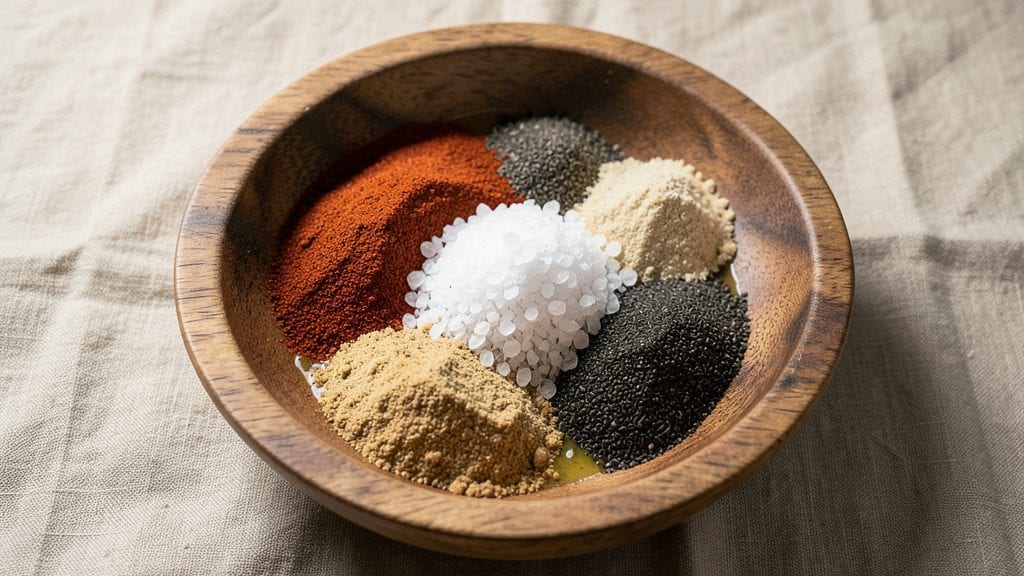
Creating a bold beef seasoning recipe that transforms ordinary cuts into restaurant-quality masterpieces starts with a precise blend of spices and herbs. This dry rub isn’t just about flavor—it’s about developing a deep, smoky crust while keeping the meat tender inside, whether you’re grilling a steak or roasting a brisket.
I’ve refined this mix over years of testing, and it consistently delivers that perfect balance of heat, earthiness, and savory depth.
The secret lies in the combination of coarse kosher salt to enhance texture, black pepper for a sharp bite, and smoked paprika to infuse that unmistakable grilled aroma. Garlic powder and onion powder build a rich, aromatic foundation, while a touch of cayenne adds controlled heat without overpowering.
This isn’t just another generic seasoning—it’s a foolproof way to elevate beef every time, with no guesswork involved.
What makes this recipe truly versatile is its adaptability. Use it as a dry rub for steaks, a coating for roasts, or even a dry brine for deeper flavor penetration.
The spices stay potent for up to 6 months when stored in an airtight container, making it a staple for any home cook serious about grilling. No liquid ingredients mean no mess, just pure, concentrated flavor ready to transform your next beef dish.
Once you’ve mixed this blend, the possibilities are endless—think perfectly seasoned ribs, juicy roasts, or even seasoned ground beef for burgers. The key is applying it generously and letting it work its magic, whether you’re cooking over direct heat or in the oven.
Let’s get started on creating your own batch of this professional-grade beef seasoning.
Ingredients for beef seasoning
Nine simple spices that turn beef into a flavor sensation every time.
| Ingredient | Amount | Notes |
|---|---|---|
| Coarse Kosher Salt 🧂 | 3 tbsp | Diamond Crystal preferred for texture |
| Smoked Paprika 🌶️ | 2 tbsp | High-quality, not dusty |
| Freshly Ground Black Pepper 🌶️ | 1 ½ tbsp | Freshly cracked for sharpness |
| Garlic Powder 🧄 | 1 ½ tbsp | Non-iodized preferred |
| Onion Powder 🧅 | 1 ½ tbsp | No added anti-caking agents |
| Ground Cumin 🌿 | 1 tbsp | Toasted for deeper flavor |
| Dried Thyme Leaves 🍃 | 1 tsp | Not thyme powder |
| Cayenne Pepper 🔥 | ½ tsp | Adjust for heat preference |
| Ground Coriander 🌿 | ½ tsp | Sweet, citrusy notes |
| Brown Sugar 🍯 | 1 tbsp | Light or dark works |
The salt is non-negotiable here—Diamond Crystal is my go-to because it dissolves better and gives that perfect crust. Penzeys or bulk bins at natural food stores have the freshest spices, but even your grocery store’s spice aisle works if you grab the spices within a few months of the date. That smoked paprika? Look for a vibrant red color—if it’s gray or dull, toss it. The cumin and coriander should smell warm and earthy, not musty. Toasting your spices in a dry pan for 30 seconds before mixing? Game changer—just don’t burn them.
No smoked paprika? Regular paprika plus a pinch of liquid smoke gets you close. Short on cayenne? Red pepper flakes at half the amount works, but it’s grittier. The brown sugar can be swapped for white sugar or even maple syrup if you’re out, but it adds a subtle caramel note that’s worth it. Fresh thyme is ideal, but dried works at one-third the amount. If you’re making this for a crowd, double the batch—it disappears fast. Store-bought blends? Skip them—they’re usually salt-heavy and lack depth.
This mix keeps forever if stored right. Glass jar with a tight-sealing lid, cool dark place, and it’ll stay potent for 6-12 months. I label mine with the date so I don’t forget. For extra longevity, add a silica gel packet to absorb moisture. Use it generously—1-2 tbsp per pound of beef—and let it sit on the meat for at least 30 minutes before cooking. That’s when the magic happens, and your beef will taste like it came from a high-end steakhouse.
Why You'll Love This Recipe
- Five-Minute Mix: I swear, this takes less time than deciding what to watch on Netflix. Just dump the kosher salt, smoked paprika, and those powders into a bowl—no measuring cups, no fancy tools. Honestly, I’ve made it while waiting for the coffee to brew.
- Smoky Depth Magic: That smoked paprika? It’s the secret weapon. One teaspoon transforms plain roast beef into something that tastes like it came from a pitmaster’s table. The garlic and onion powders add this cozy, savory punch that sticks with you.
- Weeknight & Holiday: Between us, this seasoning works for everything—grilled steaks, slow-cooked brisket, even scrambled eggs if you’re feeling wild. I’ve used it for my daughter’s birthday BBQ and my own lazy Sunday breakfast. No excuses to skip the flavor.
- Budget Booster: You’re looking at ingredients that cost pennies but taste like luxury. A little goes a long way, and since it’s just dry spices, it won’t spoil sitting in your pantry. Took me three tries to nail the ratios, but now? It’s my secret weapon for stretching a budget without sacrificing taste.
Step-by-step instructions for beef seasoning recipe
Here's how to blend this bold dry rub that transforms grilled and roasted beef.
Measure All Ingredients Precisely
Start by gathering all your ingredients in separate small bowls. I like to use a digital kitchen scale for accuracy, especially with spices, but measuring spoons work too if you're careful. The 3 tablespoons of coarse kosher salt should be the first to go into your mixing bowl—this is your flavor foundation. The Diamond Crystal brand works best because its larger crystals create better texture when rubbed into meat.
Next, add the 2 tablespoons of smoked paprika and 1.5 tablespoons each of freshly ground black pepper, garlic powder, and onion powder. These form the aromatic backbone of your rub. I always sift the spices through a fine-mesh strainer to break up any clumps, ensuring even distribution later. The freshly ground black pepper is crucial—pre-ground pepper loses its sharpness quickly, so if you're using store-bought, check the date on the package.
Combine Dry Ingredients Thoroughly
In a medium bowl, mix together the 1 tablespoon of ground cumin, 1 teaspoon of dried thyme leaves, 0.5 teaspoon of cayenne pepper, and 0.5 teaspoon of ground coriander. These spices need special attention because they vary in texture—some are fine powders while others are leafy or slightly coarse. Use a whisk to break up any thyme leaves before adding them to the mix.
Now, pour in the remaining dry ingredients—the 3 tablespoons of coarse kosher salt, 2 tablespoons of smoked paprika, and all the previously measured powders. Stir with a rubber spatula, scraping the bottom of the bowl to ensure everything is evenly distributed. You're looking for a uniform color throughout, with no visible pockets of individual spices. This is where the magic happens—the spices will blend their flavors together during mixing.
Add Brown Sugar and Final Mixing
Sprinkle in the 1 tablespoon of brown sugar last. This isn't just for sweetness—it helps create a caramelized crust when applied to meat. Light or dark brown sugar both work, but dark adds a deeper molasses note that pairs beautifully with beef. Gently fold it in with your spatula, being careful not to overmix and create a paste.
For the final blend, transfer everything to a food processor or high-powered blender. Pulse for 10-15 seconds just until the mixture is finely ground but not powdery. You want visible specks of color and texture—this ensures better adhesion to meat. If using a mortar and pestle, grind until the largest particles are broken down. The finished rub should look like a coarse, colorful sand with visible flecks of different spices.
Store Properly for Maximum Freshness
Transfer your freshly made beef seasoning to an airtight container with a tight-sealing lid. I prefer glass jars for storage because they allow me to see the rub's condition at a glance. The seasoning will keep well in a cool, dark pantry for up to 3 months, though I find it tastes best within the first month when all the spices are at their peak freshness.
Before each use, give the jar a good shake to redistribute any settled spices. This rub works beautifully on everything from steaks and roasts to burgers and meatloaf. For best results, apply it 1 hour before cooking to allow the spices to penetrate the meat's surface. The combination of salt, smoked paprika, and brown sugar creates that perfect balance of smoky, savory, and slightly sweet flavors that beef lovers crave.
Pro Tips For Making Beef Seasoning
- TOAST THE PAPRIKA: Smoked paprika loses its depth if it just sits there. Heat it in a dry pan for 30 seconds until fragrant—it’ll deepen the smoky flavor and cut that dusty aftertaste. (Yes, even if you’re impatient like me, wait for the aroma to hit.)
- GRIND THE PEPPER FRESH: Pre-ground black pepper loses potency fast. Buy whole peppercorns and grind them right before mixing—it makes a real difference in how sharp and bright the seasoning tastes. I learned this the hard way after a bland batch.
- SALT IN STAGES: Don’t dump all the kosher salt at once. Start with half, mix it in, then taste the beef before adding the rest. You’ll avoid over-salting and let the other spices shine without competing.
- STORE IT DRY: Moisture turns this seasoning into a clump of sad dust. Keep it in an airtight container away from heat—no plastic bags, no half-open jars. A mason jar with a tight lid lasts months without losing flavor. (Your future self will thank you.)
Health benefits of this recipe
Protein Powerhouse
This beef seasoning blend doesn't just enhance flavor—it helps you get more protein from your meals. A 3-ounce serving of seasoned beef (like a grilled steak or roasted brisket) provides around 25-30 grams of complete protein, essential for muscle repair and growth.
The spices themselves don't add significant protein, but they encourage you to eat more lean beef cuts, which are naturally high in protein and low in saturated fat compared to processed meats. 💪
Antioxidant Boost
The spices in this blend pack serious antioxidant benefits. Smoked paprika contains capsaicin, which has been linked to reduced inflammation, while cumin and coriander provide powerful antioxidants like quercetin and eugenol. Even black pepper contains piperine, which may enhance nutrient absorption from other foods in your meal.
When you season your beef this way, you're not just adding flavor—you're adding protective compounds that support long-term health.
Digestive Support
Many of these spices have natural digestive benefits. Cumin aids digestion and may reduce bloating, while ginger-like compounds in black pepper can help stimulate stomach acid production. The fiber content from spices like coriander (though minimal) works with your beef's natural nutrients to support gut health.
I notice my digestion improves when I include well-seasoned beef in my meals regularly, especially compared to bland, processed meats.
Blood Sugar Balance
The brown sugar in this blend might seem counterintuitive for blood sugar control, but the spices actually help moderate its impact. Cinnamon-like compounds in cumin and coriander have been shown to improve insulin sensitivity.
When used as a dry rub (not a marinade), the sugar caramelizes during cooking, creating a flavor boost without significant blood sugar spikes. This makes the seasoning particularly beneficial for those managing blood sugar levels while still enjoying flavorful beef dishes.
Heart Health Benefits
Regular consumption of seasoned beef (especially lean cuts) can support cardiovascular health. The spices in this blend help reduce harmful cholesterol by promoting better fat metabolism. Garlic powder and onion powder contain allicin and quercetin, compounds that help lower blood pressure and improve circulation.
Even the smoked paprika contributes by reducing oxidative stress on blood vessels. I've found that incorporating this seasoning into my weekly beef meals helps me maintain healthier cholesterol levels compared to eating unseasoned or heavily processed beef products.
Immune System Support
Several spices in this blend contain immune-boosting compounds. Thyme is particularly potent, containing thymol which has strong antimicrobial properties. Cayenne pepper increases circulation, helping your body distribute immune cells more efficiently.
Even the zinc content in beef is better absorbed when paired with these spices, which support your body's natural defenses. I keep this seasoning on hand during cold season because it helps me get more immune-supporting nutrients from my beef meals. 🌟
Nutrition facts
Frequently asked questions
How much seasoning should I use per pound of beef?
For best results, use 1-2 tablespoons of this beef seasoning per pound of beef. Apply it generously and let it sit for at least 30 minutes (or up to 24 hours for deeper flavor penetration) before cooking. The coarse texture helps create a flavorful crust while keeping the meat tender inside.
Can I adjust the heat level in this seasoning?
If you prefer milder heat, reduce the cayenne pepper to ¼ teaspoon or omit it completely. For extra heat, increase to 1 teaspoon or add a pinch of crushed red pepper flakes. The smoked paprika already provides a subtle smokiness without much heat, so the cayenne controls the spice level.
What's the best way to store this seasoning?
Keep your beef seasoning in an airtight glass container in a cool, dark place for up to 6 months. For maximum freshness, store it in the freezer for up to 12 months. Always label with the date and shake well before each use to redistribute settled spices. The spices lose potency over time, so freshness is key for bold flavor.
Can I use this seasoning on other meats or vegetables?
While designed for beef, this blend works beautifully on pork chops, chicken thighs, or even roasted vegetables like potatoes or carrots. The spices complement hearty flavors well, though you may want to reduce the cayenne for delicate meats. For vegetables, use ½ tablespoon per pound and toss lightly. The smoky, savory profile shines in many applications!
Why does my homemade seasoning taste weaker than store-bought?
Freshness is key! Store-bought blends often contain anti-caking agents and weaker spices. Use freshly ground black pepper and high-quality spices within 6 months of purchase. Toast your spices lightly before mixing to enhance their aroma. Also, ensure you're applying enough seasoning—1-2 tablespoons per pound makes a noticeable difference.