
Main Courses
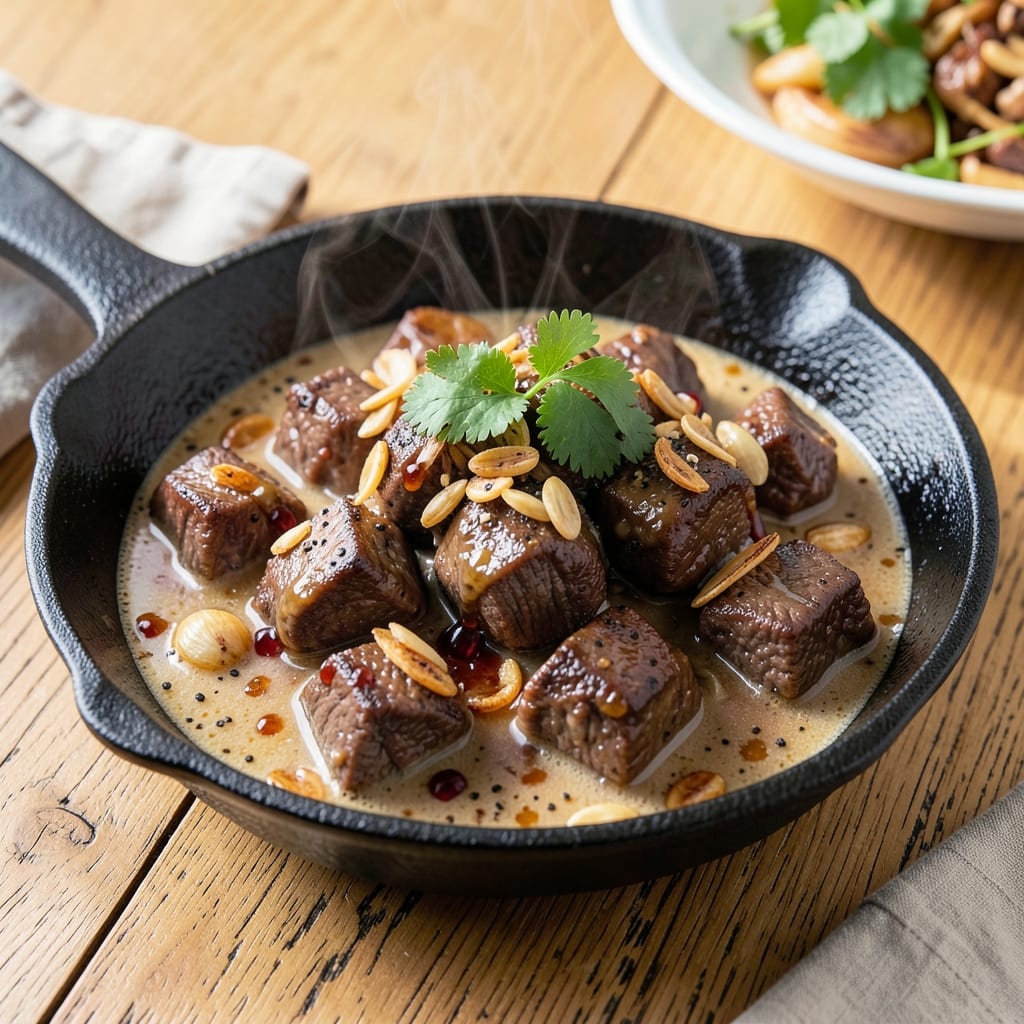
This beef adobo sa gata recipe transforms classic Filipino adobo into a luxurious version where rich coconut milk (gata) softens the tangy vinegar and savory soy sauce. The slow braising process creates tender beef swimming in a velvety sauce that balances heat and creaminess—every bite delivers that perfect harmony of flavors. I've perfected this technique over years of testing, ensuring the coconut milk doesn't curdle and the sauce remains silky rather than greasy.
The magic happens in the marinade, where garlic, vinegar, and soy sauce work together to tenderize the beef while building deep umami flavors. Unlike traditional adobo, the addition of coconut milk transforms this into a restaurant-quality dish that feels special enough for dinner guests but simple enough for weeknights. The key is patience—letting the beef braise until it's fork-tender while the sauce reduces to a perfect consistency.
What you'll end up with is fall-off-the-bone beef in a glossy, aromatic sauce that's tangy from the vinegar, salty from the soy, and creamy from the coconut milk. The sauce clings to each piece of beef, creating a dish that's both comforting and sophisticated. Serve it over steamed jasmine rice to soak up every last drop of that luxurious sauce.
This recipe scales beautifully for gatherings, and the leftovers reheat just as well the next day. The balance of flavors makes it versatile enough for any occasion—whether you're feeding a family or hosting a dinner party. Let's get started on creating this Filipino comfort classic that feels like a hug in every bite.
Ingredients for beef adobo sa gata
Six core ingredients transform simple beef into restaurant-quality adobo sa gata.
| Ingredient | Amount | Notes |
|---|---|---|
| Beef Chuck Roast 🥩 | 3 lb | Cut into 2-inch cubes |
| Coconut Milk 🥥 | 2 cans | Full-fat, 13.5 oz each |
| White Vinegar 💧 | 1 cup | Distilled preferred |
| Soy Sauce 🥄 | ½ cup | Dark soy for color |
| Garlic Cloves 🧄 | 8 cloves | Minced, not powdered |
| Brown Sugar 🍯 | ½ cup | Light or dark |
| Black Peppercorns 🌶️ | 1 tsp | Crushed |
| Bay Leaves 🌿 | 2 whole | Dried, removed before serving |
| Onions 🧅 | 2 whole | Yellow, sliced |
| Olive Oil 🫒 | 2 tbsp | Extra-virgin for richness |
| Salt 🧂 | 1 ½ tsp | Kosher or sea salt |
| Jasmine Rice 🍚 | 2 cups | Uncooked, for serving |
The beef is non-negotiable—chuck roast delivers the best texture when braised. Look for cuts with good marbling at Costco or your local butcher shop. Pre-cut cubes save time, but if buying whole, ask for it to be cubed. The coconut milk should be full-fat (none of that watered-down stuff) and Thai Kitchen brand is my go-to for consistency. Fresh garlic makes all the difference here—peel and mince it yourself rather than using powder. Brown sugar adds depth, so don't skip it even if you're watching sugar intake.
No dark soy sauce? Regular soy plus 1 tsp molasses mimics the color. Short on vinegar? Apple cider vinegar works 1:1. The bay leaves can be omitted if you dislike their flavor, but they add subtle earthiness. For extra richness, add 1/4 cup coconut cream to the coconut milk. If you prefer less heat, reduce the black pepper to 1/2 tsp. The onions should be yellow, not red—they caramelize better. And trust me on the olive oil: use extra-virgin for that fruity depth that carries through the sauce.
This sauce thickens as it cools, so add 2-3 tbsp water if it's too thick when reheating. Store leftovers in airtight containers for up to 5 days—the flavors only improve. For freezing, portion into single-serving containers for easy reheating. The rice? Cook it in broth instead of water—use the same jasmine rice and add 1/2 cup beef broth for extra flavor. Leftovers reheat beautifully, but low and slow is key to prevent curdling.
Why You'll Love This Recipe
- One-Pot Magic: I swear by this recipe when I’m too tired to dirty more than one pan. The beef chucks away in the coconut milk while the vinegar and soy sauce work their magic—no stirring, no stress, just simmer and savor.
- Garlic-Soy Bomb: That first bite? The garlic cloves caramelize into sweet, sticky bites while the soy sauce adds this deep umami punch. The coconut milk rounds it out—creamy but never heavy, like a hug in a bowl.
- Leftovers That Beg for More: Between us, this tastes better the next day. I make a double batch on Sundays because reheating it turns the beef impossibly tender, and the sauce clings like it’s begging for another round.
- Budget Feast for Crowds: A single chuck roast stretches to feed four, maybe five, and costs less than half what takeout would. The vinegar and soy sauce stretch the flavor, so you’re not just feeding stomachs—you’re filling the house with that rich, savory aroma.
Step-by-step instructions for beef adobo sa gata
Master this Filipino classic with tender beef and velvety coconut milk sauce.
Prepare and Sear the Beef
Cut the 3 lb Beef Chuck Roast into 2-inch cubes and pat them dry with paper towels. Heat 2 tbsp Olive Oil in a large Dutch oven over medium-high heat. Working in batches if needed, sear the beef cubes for 3-4 minutes per side until they develop a deep golden brown crust. This step builds rich flavor through the Maillard reaction.
Remove the seared beef and set it aside. If your pan has accumulated too much fat, carefully drain all but 1 tablespoon of the oil. The remaining oil helps prevent the onions from burning as they cook. You'll know the beef is ready when it releases easily from the pan and has a caramelized exterior.
Sauté Aromatics and Deglaze
Add the 2 whole Onions, sliced into ¼-inch rounds, to the Dutch oven. Cook them over medium heat for 5-6 minutes until softened and translucent. Stir in the 8 cloves Garlic Cloves (minced) and cook for an additional 30 seconds until fragrant.
Pour in the 1 cup White Vinegar and scrape up all the browned bits from the bottom of the pan using a wooden spoon. This deglazing step captures all the flavorful fond that's accumulated. Let the vinegar simmer for 2-3 minutes until it reduces by half and the raw vinegar smell dissipates. The mixture should smell tangy and savory.
Simmer the Beef in Soy-Brown Sugar Base
Return the seared beef to the Dutch oven. Add the 0.5 cup Soy Sauce, 0.5 cup Brown Sugar, 1.5 tsp Salt, and 1 tsp crushed Black Peppercorns. Stir to combine, then pour in 1 cup of water. Bring the mixture to a gentle boil, then reduce heat to low, cover, and simmer for 1 hour. You want the beef to cook slowly and become tender without falling apart.
After 1 hour, check the beef for tenderness. It should be fork-tender but still have some bite. If it's not quite tender enough, continue simmering uncovered for another 15-20 minutes, stirring occasionally. The sauce should thicken slightly, coating the beef in a glossy, slightly sticky glaze.
Incorporate Coconut Milk and Finish
Add both cans of Coconut Milk to the Dutch oven. Stir in the 2 whole Bay Leaves and bring the mixture to a gentle simmer over medium-low heat. Simmer uncovered for 20-25 minutes, stirring occasionally, until the sauce thickens to a velvety consistency. The coconut milk will create a rich, creamy sauce that balances the tangy soy and vinegar flavors.
Taste and adjust seasoning if needed. You may need to add a splash more Soy Sauce or a pinch of Salt to achieve the perfect balance of sweet, tangy, and savory flavors. Remove and discard the Bay Leaves before serving. The sauce should coat the back of a spoon and have a luxurious, silky texture.
Serve with Steamed Jasmine Rice
While the beef simmers in the coconut milk, prepare the 2 cups Jasmine Rice according to package instructions. Use a rice cooker or pot for perfectly fluffy rice. The rice should be cooked until tender and slightly sticky, with each grain separate and distinct.
To serve, ladle the beef and coconut milk sauce over the steamed Jasmine Rice. The combination of tender beef, rich coconut sauce, and fragrant rice creates a harmonious balance of flavors and textures. Each bite should deliver a perfect combination of savory, sweet, and tangy notes, with the coconut milk adding a luxurious creaminess.
Pro Tips For Making Beef Adobo Sa Gata
- Brown the Beef First: Skip the slow start—sear the chuck roast in a hot pan with oil until it’s deep golden brown before adding liquids. I learned this the hard way: skipping this step leaves you with bland, gray beef instead of rich, caramelized flavor that cuts through the coconut milk’s sweetness.
- Use Thick Coconut Milk: Grab the can labeled "cream of coconut" or "thick coconut milk"—not the light kind. The extra fat makes the sauce velvety, not watery, and it clings better to the beef. (Yes, even if the label says "full-fat," some brands still dilute it.)
- Simmer, Don’t Boil: Keep the heat low enough that you see tiny bubbles at the edges, not a rolling boil. Boiling turns the vinegar sharp and the sauce thin—this isn’t a quick braise, it’s a slow marriage of flavors. Patience here makes all the difference.
- Toast the Garlic: Smash the garlic cloves first, then fry them in oil until they’re golden and smell like a spice shop. Raw garlic just tastes like garlic; toasted garlic adds depth that balances the vinegar’s tang and soy’s saltiness. (And yes, it’s worth the extra 2 minutes.)
Wine and beer pairings for this recipe
Filipino Red Wine
For a truly authentic pairing, reach for a Filipino red wine like Tabo Red Blend from Petron Wine. This locally crafted wine mirrors the dish's bold flavors with its dark fruit notes and subtle spice. The wine's acidity cuts through the coconut milk's richness while complementing the soy sauce's umami. Serve slightly chilled to enhance the wine's freshness against the warm beef. 🍷
Light-Bodied Whites
A crisp Sauvignon Blanc from New Zealand or Pinot Grigio from Italy provides a refreshing contrast. The citrusy brightness in these wines balances the dish's tangy vinegar and creamy coconut milk. I love Kim Crawford Sauvignon Blanc for its zesty lime notes that echo the garlic and onion aromatics in the sauce. Keep the wine at 45-50°F for optimal flavor.
Coconut-Inspired Pairings
For a tropical twist, try a Piña Colada-inspired cocktail with Malibu rum, coconut cream, and a splash of pineapple juice. The coconut flavor harmonizes beautifully with the dish's main ingredient. For non-alcoholic options, a coconut lime soda with a squeeze of lime adds a refreshing contrast to the rich beef. 🥥
Beer Options
If you prefer beer, a light lager like San Miguel (Filipino-style) or a pilsner from Germany works wonderfully. The crisp, clean profile prevents the beer from competing with the dish's complex flavors. For a more adventurous choice, a honey wheat beer adds subtle sweetness that complements the brown sugar in the sauce. Serve at 40-45°F for the best experience.
Coffee Finish
End the meal with a strong Filipino coffee like Barako or a dark roast espresso. The bold, slightly bitter notes cleanse the palate after the rich, creamy flavors of the beef adobo sa gata. For a lighter option, Kopi Luwak offers a unique, smooth finish that pairs surprisingly well with the dish's complexity. 💫
Nutrition facts
Frequently asked questions
Why does this recipe use coconut milk ('sa gata') instead of traditional adobo?
The coconut milk transforms classic adobo into a richer, creamier version that balances the tangy vinegar and salty soy sauce. The 'sa gata' variation creates a velvety sauce that coats the beef beautifully, making it feel more luxurious while keeping the dish's signature flavors intact. It's perfect for special occasions or when you want to impress guests!
Can I substitute beef chuck roast with another cut?
For best results, stick with chuck roast as it becomes tender and flavorful when braised. If you must substitute, try beef short ribs or brisket—both work well with long cooking times. Avoid lean cuts like sirloin as they may dry out. The key is choosing a cut with good marbling for maximum flavor.
How do I prevent the coconut milk from curdling?
Keep the heat at medium-low when adding coconut milk and stir gently to prevent scorching. Never boil vigorously after adding it. The sauce should simmer gently for 20-25 minutes—this slow cooking keeps the coconut milk smooth and creamy rather than separating.
Can I make this recipe without vinegar?
While vinegar is essential for authentic adobo flavor, you can substitute with lemon juice or apple cider vinegar> (use 1:1 ratio). For a milder taste, try rice vinegar> instead. The acidity helps tenderize the beef and balance the richness of the coconut milk.
How should I serve this dish for a dinner party?
Serve the beef adobo sa gata over steamed jasmine rice and garnish with fresh cilantro> or green onions>. Pair it with Filipino red wine> (like Tabo) or a crisp Sauvignon Blanc>. For a complete meal, add a simple garlic sautéed vegetable> side to complement the rich flavors.