
Main Courses
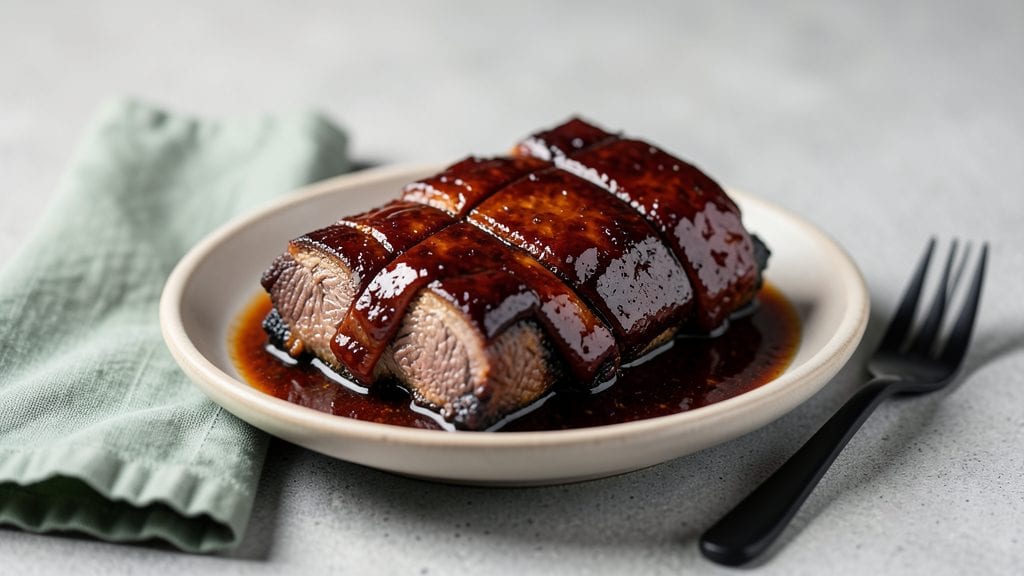
This beef ribs Chinese recipe delivers melt-in-your-mouth tenderness, turning tough cuts into a fragrant, luxurious dish with every bite. This five-spice method combines slow cooking with traditional seasonings to create ribs that fall apart with just a touch—no pressure cooker required.
I perfected this technique after years of testing, ensuring the sauce clings perfectly while the meat stays juicy and flavorful.
The secret lies in the marinade: a blend of five-spice powder, soy sauce, and aromatics that penetrate the meat overnight. Braising in a Dutch oven with just enough liquid creates a rich, caramelized sauce that coats every bite.
The result is ribs with deep, complex flavors—sweet, smoky, and subtly spiced—without overpowering the natural beef taste.
By the time you serve these ribs, they’ll be fork-tender with a glossy, sticky glaze that makes them impossible to resist. Pair with steamed buns, pickled vegetables, or a simple scallion oil drizzle for an authentic Chinese dining experience. This method delivers restaurant-quality results in your own kitchen.
Ready in about 3 hours (including prep), this recipe is ideal for special occasions or when you want to impress. The slow cooking ensures maximum flavor infusion, while the one-pot approach keeps cleanup minimal. Let’s get started on creating ribs that will have everyone asking for seconds.
Ingredients for beef ribs chinese
Four pounds of beef ribs transformed by five-spice magic and slow braising into restaurant-quality tenderness.
| Ingredient | Amount | Notes |
|---|---|---|
| Beef Ribs (Beef Short Ribs) 🥩 | 4 lb | Bone-in, 2-3 inches thick |
| Five-Spice Powder 🌶️ | 2 tbsp | Authentic Chinese blend |
| Light Soy Sauce 🥄 | ½ cup | High-quality brand preferred |
| Dark Soy Sauce 🥄 | ¼ cup | For depth of flavor |
| Shaoxing Wine 🍷 | ½ cup | Substitute dry sherry if unavailable |
| Brown Sugar 🍬 | ½ cup | Light or dark preferred |
| Garlic Cloves 🧄 | 8 cloves | Minced, fresh preferred |
| Ginger Root 🌿 | 2 tbsp | Grated, fresh preferred |
| Green Onions 🧅 | ½ lb | Whole, for garnish |
| Star Anise 🌟 | 2 whole | For aromatic depth |
| Cinnamon Sticks 🌿 | 2 whole | For braising aroma |
| Bay Leaves 🍃 | 2 whole | Dried, standard size |
| Cornstarch 🌾 | 2 tbsp | For sauce thickening |
| Water 💧 | 2 cups | Room temperature preferred |
| Sesame Oil 🌰 | 1 tbsp | Toasted, for finishing |
The beef ribs are the foundation—bone-in short ribs with that perfect 2-3 inch thickness ensure maximum flavor and tenderness. Source from a reputable butcher or Costco for consistent quality; look for well-marbled cuts with a vibrant red color. If using frozen ribs, thaw overnight in the refrigerator—never at room temperature. The five-spice powder must be authentic; Penzeys or Asian markets carry the best blends. For the soy sauces, Lee Kum Kee is a professional standard, though any high-quality brands will suffice. Shaoxing wine can be found in Asian grocery stores or substituted with dry sherry in a pinch, though it won't be identical.
No five-spice powder? Create your own blend with equal parts ground star anise, cinnamon, cloves, fennel seeds, and Szechuan peppercorns—roast the spices lightly before grinding for deeper flavor. Light soy sauce can be swapped for regular soy sauce, but the color will be darker. For the ginger and garlic, frozen works in a pinch, but fresh delivers superior flavor. The cornstarch is critical for thickening the sauce—Diamond Crystal is ideal as it's finer than most brands. If you prefer a glossier finish, add 1 teaspoon of xanthan gum instead. The sesame oil should be toasted—Kadoya is a reliable brand, though any good-quality toasted sesame oil will work.
Prep the ribs the night before by patting them dry and applying a light coating of light soy sauce to prevent browning. Store in an airtight container in the refrigerator for up to 24 hours. The braised ribs keep exceptionally well—4-5 days in the refrigerator, where the flavors deepen. For longer storage, freeze in portions for up to 3 months. When reheating, cover with a lid and simmer on low heat with a splash of water to maintain moisture. The sauce thickens as it cools, so adding a splash of water when reheating ensures optimal texture.
Why You'll Love This Recipe
- One-Pan Magic: Honestly, I swear by this—just ribs, a splash of Shaoxing wine, and a quick sear. The five-spice powder does all the work while you sip tea, and by the time the sauce reduces, your kitchen’s barely been touched.
- Umami Bomb: That dark soy sauce? It’s the secret weapon—deep, smoky, and sticky. The light soy lifts it, and the wine adds this bright, almost floral note that makes every bite taste like a tiny victory.
- Leftovers That Don’t Suck: Between us, these ribs taste better the next day. I’ll make a double batch on Sunday, toss them in the fridge, and reheat slices for lunch—still tender, still packed with flavor, no sad dryness in sight.
- Budget Feast: Short ribs are cheaper than you think, and this recipe stretches them far. A pound feeds four (or two hungry people like me), and the spices cost pennies. It’s the kind of dish that makes grocery day feel like a win.
Step-by-step instructions for beef ribs Chinese recipe
Follow this method for melt-in-your-mouth ribs with a rich, aromatic five-spice braising sauce.
Prepare the Beef Ribs for Braising
Pat the 4 lb beef ribs dry with paper towels to remove any surface moisture. This step is crucial for developing that signature caramelized crust during braising. Using a sharp boning knife, trim any excess fat while leaving about ¼ inch to protect the meat during cooking.
In a large Dutch oven, combine the ribs with the 2 tbsp five-spice powder, rubbing it evenly over all surfaces. This aromatic blend will penetrate the meat, infusing deep flavor. Let the seasoned ribs sit at room temperature for 30 minutes while you prepare the remaining ingredients. The ribs should reach room temperature before braising to ensure even cooking throughout.
Build the Braising Liquor
In the same Dutch oven, add the 2 whole star anise, 2 whole cinnamon sticks, and 2 whole bay leaves. These whole spices will infuse the braising liquid with complex aromatic notes without needing to be removed later. Add the 8 cloves minced garlic and 2 tbsp grated ginger root, stirring to release their essential oils.
Pour in the 0.5 cup shaoxing wine, scraping the bottom of the pot to deglaze and capture all the flavorful browned bits. Add the 0.5 cup brown sugar, 0.5 cup light soy sauce, and 0.25 cup dark soy sauce, stirring until the sugar dissolves completely. The dark soy sauce will contribute its distinctive color and depth of flavor to the final dish.
Braise Until Fork-Tender
Add the 2 cups room temperature water to the Dutch oven, bringing the mixture to a gentle simmer over medium heat. The liquid should partially cover the ribs but leave about ½ inch of space above them. Cover the pot tightly with a lid and reduce heat to low.
Simmer for 2 to 2.5 hours, maintaining a gentle simmer rather than a rolling boil. This low-and-slow cooking method breaks down the connective tissue in the beef ribs, transforming them into tender, fork-pierceable perfection. Check occasionally and add a splash of water if the liquid reduces too much. The ribs are done when they easily slide off the bone and the meat is fork-tender.
Thicken the Sauce
Once the ribs are tender, remove them from the braising liquid and set them aside on a plate. In a small bowl, whisk together the 2 tbsp cornstarch with 2 tablespoons of the braising liquid to create a smooth slurry. Return the Dutch oven to medium heat and carefully pour in the cornstarch mixture, stirring constantly.
Simmer for 3 to 5 minutes until the sauce thickens to a glossy consistency that coats the back of a spoon. The sauce should be rich and velvety, clinging to the ribs when you return them to the pot. Taste and adjust seasoning if needed, adding a splash of light soy sauce for saltiness or a touch of shaoxing wine for acidity.
Finish and Serve
Return the beef ribs to the Dutch oven and gently toss to coat them in the thickened sauce. Drizzle with the 1 tbsp toasted sesame oil and sprinkle with chopped green onions for freshness and visual appeal. The sesame oil adds a nutty aroma that complements the deep flavors of the braised ribs.
Serve immediately, ladling the rich braising sauce over each portion. The ribs should be fork-tender with a caramelized exterior, and the sauce should be glossy and flavorful. This dish pairs beautifully with steamed jasmine rice or crusty bread to soak up every last drop of the aromatic sauce.
Pro Tips For Making Beef Ribs Chinese
- Trim the Fat First: Cut away the thick silver skin and excess fat from the beef short ribs before cooking—it’s the only way to guarantee the sauce clings properly and the ribs stay tender. I learned this the hard way when my first batch turned greasy and uneven.
- Bloom the Five-Spice: Toast the five-spice powder in the dry pot for 30 seconds before adding oil—this wakes up the flavors and prevents a metallic aftertaste. Sounds weird, but it works: the aroma alone tells you it’s right.
- Deglaze with Shaoxing: After browning the ribs, splash in the Shaoxing wine immediately and let it sizzle for 2 minutes before adding liquids. This locks in the caramelized bits that make the sauce rich, not just sweet.
- Simmer Low and Slow: Once the ribs are submerged, reduce to a bare simmer—no rolling boil—and keep the lid ajar. I used to rush it, and the ribs turned tough; now I walk away for 2 hours and let the liquid do the work.
Troubleshooting perfect results
Ribs Stay Tough
If your ribs aren't tender after 2.5 hours of braising, they likely need more time. The key is maintaining a gentle simmer—never a rolling boil—which breaks down collagen. I recommend checking doneness by inserting a fork: if it slides through easily, they're ready.
If not, return the pot to low heat and cook another 30 minutes to 1 hour, covered. Never rush this step—patience is everything with braised ribs. 💪
Sauce Too Thin
A watery sauce usually means the cornstarch slurry wasn't cooked long enough. Whisk the 2 tbsp cornstarch with 2 tbsp braising liquid until fully dissolved, then simmer for a full 5 minutes on medium heat.
If it still looks thin, mix another 1 tsp cornstarch with 1 tbsp liquid and stir in. For extra gloss, add 1 tsp xanthan gum instead—it thickens more effectively. 🌡️
Overpowering Spices
If the five-spice flavor dominates, balance it with acidity. Add 1 tbsp shaoxing wine or a splash of rice vinegar to brighten the sauce.
For a milder profile, reduce the five-spice powder to 1 tbsp next time and increase the garlic and ginger to 10 cloves and 3 tbsp, respectively. Taste as you go—adjust gradually to avoid overcorrecting. 🌶️
Ribs Too Dry
Dry ribs often result from overcooking or insufficient liquid. If the sauce seems too thick, add ¼ cup water and simmer uncovered for 10 minutes to rehydrate. For future batches, ensure the ribs are never submerged—they should sit ½ inch above the liquid.
Cover tightly and maintain a low simmer to trap steam and moisture. 💧
Burnt Aromatics
Charred star anise or cinnamon sticks mean the heat was too high. Remove whole spices immediately if they darken. For next time, add them after bringing the liquid to a simmer, not before.
If you prefer deeper flavor, lightly toast the spices in a dry pan for 1 minute before adding to the pot. This prevents burning while enhancing aroma. 🌿
Sauce Too Salty
If the sauce tastes overly salty, dilute it with ¼ cup water and simmer for 5 minutes to even out the flavor. For future batches, reduce the soy sauce by 1 tbsp and add 1 tbsp shaoxing wine to balance saltiness.
Taste the braising liquid before adding the ribs—this helps prevent oversalting. 🥄
Nutrition facts
Frequently asked questions
Can I use beef short ribs instead of beef ribs?
Beef short ribs work beautifully in this recipe. The bone structure is similar, and the meat will become equally tender. Just ensure they're cut into 2-3 inch sections for even cooking. The braising time may extend slightly (up to 3 hours) due to the denser connective tissue.
What's the best way to substitute Shaoxing wine?
Use dry sherry as the closest substitute, though the flavor won't be identical. For a non-alcoholic version, replace with equal parts apple juice and rice vinegar. If unavailable, omit entirely but add 1 tbsp extra soy sauce to compensate for the lost depth.
How do I make these ribs spicier?
Add 1 tbsp chili flakes or 1 tsp Szechuan peppercorns to the marinade for heat. For extra kick, stir in 1 tbsp chili paste (like Doubanjiang) when building the braising liquid. Always taste before serving—adjust gradually to avoid overwhelming the dish.
Can I prepare this recipe in a slow cooker?
Yes! Transfer all ingredients to a slow cooker and cook on low for 6-8 hours or high for 4-5 hours. The ribs will be even more tender. Thicken the sauce separately by whisking cornstarch with sauce and simmering in a saucepan for 3-5 minutes before serving.
What sides pair best with these braised ribs?
Steamed jasmine rice and stir-fried bok choy create a classic Chinese meal. For extra authenticity, serve with scallion oil noodles or pickled vegetables. The rich sauce also complements simple sides like roasted potatoes or crusty bread for soaking up every bite.