
Main Courses
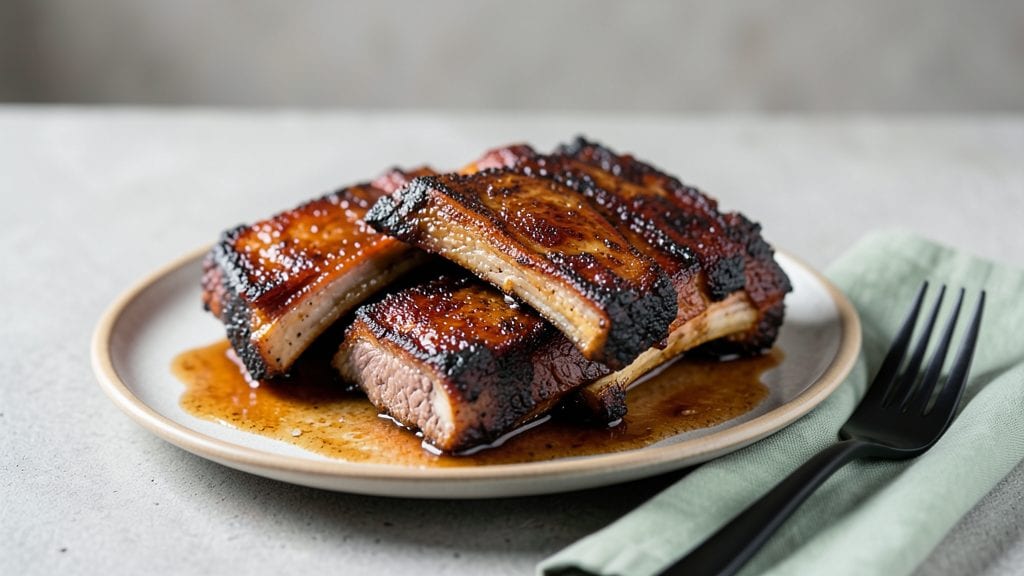
Cooking beef ribs in a Big Green Egg transforms tough cuts into fall-off-the-bone tenderness with a smoky bark that’s impossible to resist. After years of perfecting this technique, I’ve cracked the code for consistent results—whether you’re a beginner or a seasoned pitmaster.
The key lies in the low-and-slow cook, precise wood selection, and a rub that builds flavor without overpowering the meat.
This method starts with a dry rub applied before the smoke hits, allowing it to form a flavorful crust while the ribs cook at a steady 225°F.
Using hickory or cherry wood creates that signature smoky depth, while wrapping the ribs in foil during the final hours locks in moisture for that buttery texture. The Big Green Egg’s even heat distribution ensures no cold spots or uneven cooking—just perfectly tender ribs every time.
By the time you pull these ribs from the heat, they’ll be glazed with natural juices, the bark crisp and dark, and the meat so tender it melts at the slightest touch.
The resting period is just as critical—it redistributes those juices, guaranteeing each bite is rich, smoky, and irresistible. Serve with classic sides like coleslaw or baked beans, and pair with a cold beer or sweet tea to complement the bold flavors.
The beauty of this recipe is its versatility—whether you’re hosting a backyard BBQ or feeding your family a Sunday supper, these ribs deliver restaurant-quality results at home. With just a few key ingredients and patience, you’ll master the art of Big Green Egg ribs in no time.
Ingredients for beef ribs big green egg
Four pounds of ribs, a handful of pantry staples, and the Big Green Egg’s magic heat.
| Ingredient | Amount | Notes |
|---|---|---|
| Beef Ribs (Back Ribs) 🥩 | 4 lb | Bone-in, meaty cuts preferred |
| Yellow Mustard 🍯 | ¼ cup | For binder in dry rub |
| Brown Sugar 🍚 | ½ cup | Light or dark, packed |
| Smoked Paprika 🌶️ | ¼ cup | For deep smoky flavor |
| Kosher Salt 🧂 | ½ cup | Diamond Crystal preferred |
| Ground Black Pepper 🌶️ | 2 tbsp | Freshly cracked for bite |
| Garlic Powder 🧄 | 2 tbsp | Not garlic salt |
| Onion Powder 🧅 | 2 tbsp | For depth of flavor |
| Ground Cumin 🌿 | 1 tbsp | Toasted for warmth |
| Chopped Hickory Wood Chips 🌳 | 2 cups | Soaked for 30 minutes |
| Aluminum Foil 📄 | 1 sheet | Heavy-duty, 18"x12" |
| Apple Cider Vinegar 🍎 | ¼ cup | For spritzing during cook |
| Butter 🧈 | ½ cup | Unsalted, softened |
The ribs are the star, so don’t cut corners here. Back ribs (not spare ribs) give you that perfect balance of meat and bone—Costco or local butcher shops usually carry them pre-cut, but if you’re buying a whole packer, ask for the meatier cuts. Look for ribs with good marbling and a glossy sheen (that means fresh). I’ve found the best deals at Whole Foods or Trader Joe’s for smaller batches, while Costco is unbeatable for larger groups. The hickory wood chips? Traeger or Cookshack brands are reliable, but any food-grade chips will work—just avoid the pre-soaked ones from the grocery store (they get moldy fast).
No hickory chips? Cherry or pecan wood works just as well—both add sweetness that pairs beautifully with beef. Running low on brown sugar? White sugar plus 1 tsp molasses mimics the caramelization. The mustard in the rub is non-negotiable—it helps the spices stick to the meat (Dijon works too, but yellow mustard’s tang cuts through the richness). Short on time? Pre-mix the dry rub in a jar and store it for up to 6 months—just add the mustard fresh before applying. The apple cider vinegar spritz? White vinegar in a pinch, but ACV adds a subtle fruitiness that elevates the bark.
These ribs taste even better the next day, so plan ahead. Wrap the cooked ribs tightly in foil and refrigerate for up to 4 days—the flavors meld beautifully. For leftovers, reheat in the oven at 300°F until warmed through, wrapped in fresh foil. The rub keeps indefinitely in an airtight container, and the wood chips can be reused 2-3 times if stored dry. Pro tip: Save the leftover apple cider vinegar spritz mix (just vinegar + water) in a spray bottle—it’s perfect for keeping meats moist during grilling.
Why You'll Love This Recipe
- Big Green Egg Magic: That smoky-sweet crust? It’s all about the Big Green Egg’s indirect heat—no babysitting required. Just toss the ribs on a rack, sprinkle that smoked paprika and kosher salt, and let the egg do the work while you sip a beer and pretend you’re a pitmaster.
- Sweet & Tangy Bite: The yellow mustard and brown sugar combo isn’t just flavor—it’s texture. That sticky glaze caramelizes into little pockets of sweetness while the ribs stay juicy. Honestly, the first time I bit into one, I nearly dropped the fork.
- Tailgate or Tuesday: Between us, this recipe works for everything. Pack it for a football game (the ribs stay tender for hours), throw it on for a lazy Sunday, or freeze half for when your kid’s soccer team “needs snacks.” No excuses.
- Leftovers? Better Than First: Cold ribs the next day? Still the best thing in the fridge. The crust holds up, the meat stays fork-tender, and honestly, I’ve reheated these in the oven three times and no one’s complained. Budget win, time win, flavor win.
Step-by-step instructions for beef ribs Big Green Egg recipe
Here's how to transform tough ribs into melt-in-your-mouth perfection on your Big Green Egg.
Prepare the Dry Rub and Season the Ribs
In a large bowl, combine the 0.5 cup brown sugar, 0.25 cup smoked paprika, 0.5 cup kosher salt, 2 tablespoons ground black pepper, 2 tablespoons garlic powder, 2 tablespoons onion powder, and 1 tablespoon ground cumin. Mix thoroughly until the spices are evenly distributed and the sugar begins to dissolve slightly from the salt.
This blend creates a perfect balance of sweetness, heat, and savory depth. The brown sugar caramelizes beautifully during cooking, forming that coveted dark bark. Pat the 4 lb beef ribs dry with paper towels—this step is crucial for crispy bark formation. Then, generously coat each rib with the dry rub mixture, pressing it into the meat so it adheres well. Let the ribs sit at room temperature for 30 minutes before cooking to ensure even heat penetration.
Set Up and Smoke the Ribs
Soak the 2 cups chopped hickory wood chips in water for 30 minutes to prevent flare-ups, then drain and place them in the Big Green Egg's smoker box. Preheat the grill to 225°F with the lid closed, allowing 15-20 minutes for the temperature to stabilize and for clean, blue smoke to fill the chamber.
Once the grill reaches temperature, place the ribs bone-side down on the cooking grates. The fat cap should face up to protect the meat during the long cook. Close the lid and maintain the temperature between 225-250°F. This low-and-slow approach ensures tender meat while developing that prized smoky bark. Every 45 minutes, spritz the ribs with apple cider vinegar using a spray bottle—this helps tenderize the meat and keeps the surface moist for better bark formation.
Wrap and Finish the Cook
After 4-5 hours, check the internal temperature of the ribs using a meat thermometer. When it reaches 195-200°F, the ribs are ready for the wrap. Line a large sheet of aluminum foil with a thin layer of butter—this creates a barrier to prevent sticking and adds incredible richness to the meat.
Place the ribs on the buttered foil, fold the foil tightly to seal, and return them to the grill. Cook for another 1-1.5 hours until the internal temperature reaches 203°F and the meat is fork-tender. The wrap helps break down collagen and tenderizes the ribs further while preserving the bark. If the temperature drops below 225°F, add more soaked wood chips to maintain the heat.
Rest and Serve
Remove the ribs from the foil and let them rest on a cutting board for 10-15 minutes. This resting period allows the juices to redistribute, ensuring each bite is moist and flavorful. The bark should be dark, crispy, and slightly sticky to the touch—a testament to the perfect balance of smoke and sweetness.
Slice between the bones to serve, and you'll find meat that falls apart with just a gentle pull. The combination of smoky bark, tender meat, and buttery richness makes this a showstopper for any gathering. Serve with classic barbecue sides like coleslaw or cornbread to complete the meal.
Pro Tips For Making Beef Ribs Big Green Egg
- Trim the Membrane: DESCRIPTION: That thin silvery sheet on the bone side of beef ribs is the real enemy of tender meat. Use a butter knife to slide it off—it’s easier than you think, and it’ll save you from gummy ribs later. I learned this the hard way after biting into a chewy mess that had been wrapped for hours.
- Salt the Ribs Twice: DESCRIPTION: Toss the ribs with kosher salt before they hit the Big Green Egg, then again after the first hour of cooking. The first layer seasons the meat, and the second layer helps form that perfect crust. Skip the second round, and you’ll miss out on the caramelized flavor that makes this recipe shine.
- Watch the Mustard Layer: DESCRIPTION: Spread the yellow mustard evenly but not too thick—about ¼ inch—before adding the sugar and paprika mix. Too much mustard makes the ribs soggy; too little means the spices won’t stick. I used to eyeball it and ended up with sticky ribs that fell apart. Now I use the back of a spoon to scrape off excess.
- Wrap Early, Unwrap Late: DESCRIPTION: Wrap the ribs in foil after 90 minutes, not 60. This gives the spices time to cling and the mustard to start breaking down before the steam does its work. Unwrap them 30 minutes before the end to let that crust form—don’t rush it, or you’ll end up with a sad, pale exterior.
Wine and beer pairings for this dish
Smoky Beer Pairings
The bold, smoky flavors of Big Green Egg ribs demand a beer with enough body and malt character to stand up to the richness. I reach for a stout or porter—like Guinness or Founders Kentucky Breakfast Stout—because their roasted malt notes complement the caramelized bark.
The dark, malty sweetness cuts through the fat, cleansing your palate between bites. For a lighter option, try a Belgian-style dubbel like Westmalle Dubbel—its caramel and spice notes harmonize beautifully with the ribs' smoky depth. 🍺
Citrusy IPA Balance
If you prefer hoppy beers, an American IPA with citrus and pine notes works surprisingly well. I love Dogfish Head 60 Minute IPA—its grapefruit and pine flavors refresh the palate after each smoky, savory bite. The bitterness also helps balance the sweetness of the bark.
For a fruitier option, try a hazy IPA like New England-style brews from Trillium Brewing—their juicy, tropical notes add a fun contrast to the ribs' richness.
Classic Bourbon Barrel-Aged
For a truly indulgent pairing, pour a bourbon barrel-aged beer like Goose Island Bourbon County Stout. The vanilla and oak notes from the bourbon barrels deepen the ribs' smoky profile, creating a luxurious, almost dessert-like experience.
This is my go-to choice for special occasions—it feels like a celebration in every sip. Serve it slightly chilled to enhance the flavors without overpowering the ribs. 🥃
Sweet Tea Sweetness
Don’t overlook the Southern classic: sweet tea. The natural sweetness and acidity of homemade sweet tea (made with black tea bags, ½ cup sugar per quart, and a splash of lemon juice) mirror the ribs' caramelized bark.
I often serve it ice-cold with a wedge of lemon—it’s refreshing and balances the meal’s richness perfectly. For a boozy twist, add a shot of bourbon to the tea for an adult-friendly sip.
Red Wine for Bold Palates
If you prefer wine, a bold red like Cabernet Sauvignon or Syrah holds its own against the ribs' intensity. I recommend a Napa Valley Cabernet with its dark fruit and oak notes—it stands up to the smokiness while adding a touch of sophistication.
For something lighter, a Pinot Noir from Oregon offers earthy notes that complement the ribs' natural flavors without competing. 🍷
Nutrition facts
Frequently asked questions
What's the best wood choice for Big Green Egg beef ribs?
Hickory is the classic choice for its bold, smoky flavor that pairs perfectly with beef. Cherry or pecan add sweetness, while oak offers a more neutral profile. Avoid fruitwoods like apple or peach—they can overpower the meat. Soak chips for 30 minutes before use to prevent flare-ups and maintain steady smoke.
How do I know when ribs are done in the Big Green Egg?
Use a meat thermometer to check the internal temperature—203°F is perfect for fall-off-the-bone tenderness. The bark should be dark and crispy, and the meat should pull away from the bones easily. If it's not tender enough, wrap and cook another 30-45 minutes at 225°F.
Can I cook beef ribs in the Big Green Egg without wrapping?
Yes, but the texture will differ. Unwrapped ribs develop a thicker bark and stay slightly firmer. Cook them 5-6 hours at 225°F, spritzing every 45 minutes with apple cider vinegar. For maximum tenderness, the wrap is still recommended—it breaks down collagen for that buttery melt-in-your-mouth result.
What's the best way to reheat leftover Big Green Egg ribs?
Wrap ribs tightly in fresh foil and reheat in a 300°F oven for 15-20 minutes. The foil traps moisture, preventing dryness. For extra crispiness, broil for 2-3 minutes at the end. Never microwave—it ruins the bark and makes the meat soggy. Leftovers keep well for 4 days in the fridge.
Why did my ribs turn out tough instead of tender?
Common causes include cooking too fast (above 250°F) or not enough time at temperature. Ensure your Big Green Egg stays between 225-250°F and cook until 203°F internal temp. Check your thermometer—calibration errors can lead to overcooking. Also, pat ribs dry before seasoning to promote bark formation.