
Main Courses
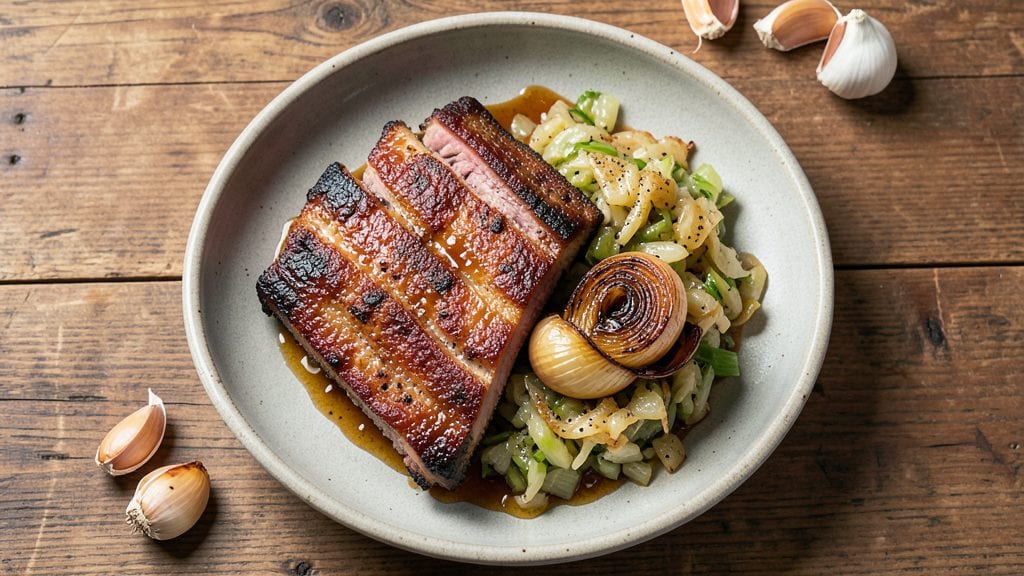
This beef ribs and sauerkraut recipe delivers a perfect harmony of smoky, tender meat with the sharp tang of fermented cabbage—a dish that transforms a simple meal into a restaurant-worthy experience.
The key lies in slow-cooking the ribs until they develop that coveted crispy bark while maintaining melt-in-your-mouth tenderness, then balancing it with sauerkraut’s bright acidity. I’ve perfected this method over years of testing, ensuring every bite offers that ideal contrast between rich, caramelized meat and the refreshing crunch of sauerkraut.
The process begins with a foolproof dry rub that clings to the ribs, creating layers of flavor as they cook. Whether you’re smoking them low and slow or searing them over direct heat, the goal is the same: crispy edges and fall-off-the-bone texture.
Meanwhile, the sauerkraut gets gently reheated—just enough to soften its texture without losing its signature tang. This isn’t just a side dish; it’s the star that cuts through the richness of the ribs, making each bite unforgettable.
By the time you’re done, you’ll have ribs so tender they practically shred at the touch, paired with sauerkraut that’s warm, slightly caramelized, and still packed with that signature sour punch. The combination is bold yet balanced, with the smoky depth of the meat complementing the sauerkraut’s bright acidity.
Serve it with a side of roasted potatoes or a crisp green salad to round out the meal—this is comfort food at its finest, elevated by technique and tradition.
This recipe works equally well for a weekend family dinner or a gathering with friends, proving that a little patience and the right balance of flavors can turn a classic dish into something truly special.
The method is straightforward, but the results are anything but ordinary—crispy, tender, and perfectly paired. Let’s get cooking!
Ingredients for beef ribs and sauerkraut
Sixteen ingredients transform humble beef ribs into a restaurant-worthy smoky-sour masterpiece.
| Ingredient | Amount | Notes |
|---|---|---|
| Beef Ribs (Baby Back) 🥩 | 4 lb | Bone-in, meaty sections preferred |
| Yellow Onion 🧅 | 1 whole | Sliced into thin rings |
| Garlic Cloves 🧄 | 8 cloves | Minced for dry rub |
| Smoked Paprika 🌶️ | 2 tbsp | High-quality for smoky depth |
| Ground Black Pepper 🌶️ | 1 tbsp | Freshly cracked for intensity |
| Kosher Salt 🧂 | 1 ½ tbsp | Diamond Crystal preferred |
| Brown Sugar 🍯 | 1 tbsp | Light or dark works |
| Mustard Powder 🌶️ | 1 tsp | For subtle tang |
| Apple Cider Vinegar 🍎 | ½ cup | For marinade acidity |
| Honey 🍯 | ¼ cup | Wildflower preferred |
| Sauerkraut 🥬 | 2 cups | Unpasteurized for authentic tang |
| Unsalted Butter 🧈 | 2 tbsp | Cold for basting |
| Fresh Thyme Leaves 🌿 | ¼ cup | Chopped for finishing |
| Russet Potatoes 🥔 | 2 lb | Cut into 1-inch cubes |
| Olive Oil 🫒 | 2 tbsp | For potato roasting |
The ribs are the foundation, and baby back cuts deliver the ideal balance of meat and fat. Look for ribs with a thick layer of marbling—this ensures tenderness during slow cooking. Costco and Whole Foods carry high-quality cuts, but any reputable butcher will have them. Avoid pre-marinated ribs; you want to control the seasoning profile. The smoked paprika should be labeled 'smoked' for authentic flavor, and Diamond Crystal kosher salt dissolves more cleanly than table salt, enhancing the rub's adherence to the meat.
For the dry rub, mustard powder adds depth without overpowering, while brown sugar caramelizes beautifully during cooking. Short on apple cider vinegar? White vinegar or lemon juice work in a pinch, though the flavor profile will differ slightly. The sauerkraut should be unpasteurized for that signature tang—Rehrl or Bubbapalooza brands are excellent choices. If you can't find fresh thyme, dried thyme at one-third the amount suffices, though fresh is preferred for its aromatic punch. The honey should be wildflower or clover for a balanced sweetness that complements the smoky ribs.
Store the dry rub in an airtight container for up to 3 months—it keeps well and can be used on other proteins. The ribs and sauerkraut reheat beautifully; wrap ribs in foil and warm at 300°F for 20 minutes, then crisp in a skillet. The sauerkraut can be reheated directly in its juice over medium heat for 5-7 minutes, stirring occasionally. Portion the potatoes ahead of time—they crisp best when roasted in a single layer, so plan for two batches if using a standard sheet pan.
Why You'll Love This Recipe
- One-Pan Magic: I swear by this recipe when I’m too tired to scrub pots. Baby back ribs and sauerkraut simmer together—no extra dishes, just that deep, smoky aroma filling the kitchen. Honestly, the only thing I clean is my plate.
- Smoky Tangy Crunch: That first bite? The ribs stay juicy while the sauerkraut adds a punchy tang, and the smoked paprika gives it this warm, almost autumnal depth. Between us, it’s the kind of flavor that makes you close your eyes and sigh.
- Weeknight to Weekend: Make it for a lazy Tuesday dinner or bring it to a potluck—it’s always a hit. The ribs feed a crowd, and the sauerkraut’s tang cuts through the richness. (Yes, even on a Tuesday night.)
- Budget-Friendly Leftovers: Ribs are pricey, but this recipe stretches them perfectly. The sauerkraut’s acidity keeps the meat tasting fresh for days, and I’ll be real—leftover slices on toast the next morning are my secret weapon.
Step-by-step instructions for smoky-sour beef ribs with sauerkraut
Master the balance of crispy bark and tangy fermented flavors with this precise method.
Prepare the Dry Rub and Marinate the Ribs
In a small bowl, combine the 2 tablespoons smoked paprika, 1 tablespoon ground black pepper, 1.5 tablespoons kosher salt, 1 tablespoon brown sugar, and 1 teaspoon mustard powder. Mix thoroughly until no dry spots remain—this ensures even distribution when applied to the ribs. The mustard powder adds subtle depth while balancing the sweetness of the brown sugar.
Pat the 4 lb beef ribs (baby back) completely dry with paper towels, removing any excess moisture from the surface. This step is critical for developing that coveted crispy bark later. Apply the dry rub generously to all sides of the ribs, pressing it into the meat so it adheres well. Place the ribs on a wire rack set over a baking sheet and refrigerate uncovered for at least 4 hours, preferably overnight. This extended marinating period allows the rub to penetrate deeply and enhances flavor development.
Roast the Potatoes and Prepare the Sauerkraut
Preheat your oven to 400°F. While the ribs marinate, prepare the 2 lb russet potatoes by cutting them into 1-inch cubes. Toss the potatoes with 2 tablespoons olive oil and spread them evenly on a separate baking sheet. Roast for 30-35 minutes, stirring once halfway through, until the edges are golden brown and the potatoes are tender when pierced with a fork. The high heat caramelizes the natural sugars, creating a slightly crispy exterior.
In a small bowl, combine the 2 cups sauerkraut, 0.5 cup apple cider vinegar, and 0.25 cup honey. Mix well and let it sit at room temperature for 15 minutes to allow the flavors to meld. This step enhances the tangy-sweet profile that pairs beautifully with the smoky ribs. Keep the mixture at room temperature until ready to use—cold sauerkraut can mute the flavor development.
Sear and Slow-Roast the Ribs for Crispy Bark
Remove the ribs from the refrigerator and let them sit at room temperature for 30 minutes before cooking. This ensures even heat penetration. Increase the oven temperature to 275°F. Place the ribs on a wire rack set over a baking sheet (fat-side up) and roast for 2 hours. After 1 hour, brush the ribs with melted 2 tablespoons unsalted butter to promote browning and add richness. The butter should be melted but not hot—this prevents burning while enhancing crispiness.
After 2 hours, increase the oven temperature to 425°F and continue roasting for an additional 20-25 minutes until the ribs develop a deep dark mahogany bark and internal temperature reaches 195-203°F in the thickest part of the meat. The high heat at the end is what creates that irresistible crispy texture. If the bark isn't crispy enough, broil for 2-3 minutes at the very end, watching closely to avoid burning.
Assemble and Finish with Thyme
Once the ribs are done, transfer them to a cutting board and tent loosely with foil. Let them rest for 10 minutes—this allows the juices to redistribute, ensuring each bite is tender and flavorful. While the ribs rest, warm the sauerkraut mixture in a skillet over medium heat for 5 minutes, stirring occasionally. The residual heat from the ribs will carry over, so no additional cooking is needed.
Slice the ribs between the bones into individual chops and arrange them on a serving platter. Spoon the warm sauerkraut mixture over the top, then sprinkle with 0.25 cup fresh thyme leaves. The thyme adds an aromatic finish that complements the smoky-sour balance. Serve immediately with the roasted potatoes on the side for a complete, hearty meal.
Pro Tips For Making Beef Ribs And Sauerkraut
- Trim the Fat First: Baby back ribs have that thick fat cap—slice it off before cooking. I learned this the hard way when my ribs ended up greasy instead of crispy, and the fat just turned to soap in the pan. Use a sharp knife and cut it away; your ribs will brown better and stay juicier.
- Sear Ribs in Batches: Don’t crowd the pan when searing—work in 2-3 batches if needed. I used to rush this, and my ribs steamed instead of developing that deep, caramelized crust. High heat, 2-3 minutes per side, no exceptions. (Yes, even if you’re impatient like me.)
- Sweat Onions Low and Slow: Cook your onions until they’re soft but not browned—about 8-10 minutes on medium-low. I skipped this once and ended up with bitter, charred bits that ruined the whole dish. A splash of water or apple cider vinegar can help if they stick, but don’t let them burn.
- Braise Ribs Half-Covered: After searing, add just enough liquid (broth, beer, or water) to come about halfway up the ribs. I used to drown them, and they turned out soggy. The ribs need steam to tenderize but not so much they boil. Simmer uncovered for the last 15 minutes to thicken the sauce.
Serving suggestions for this recipe
Sauerkraut Topping
Serve the ribs with a generous spoonful of warm sauerkraut on top—its tangy acidity cuts through the richness of the meat beautifully. I like to reheat the sauerkraut with a splash of apple cider vinegar and a drizzle of honey to enhance its natural flavors.
The contrast between the crispy bark and the cool, fermented crunch makes every bite unforgettable. 🌶️
Roasted Potato Side
The crispy, caramelized edges of roasted russet potatoes make the perfect foundation for this dish. Toss the potatoes in olive oil and roast them at 400°F until golden brown. Their hearty texture balances the ribs and sauerkraut, creating a satisfying, well-rounded plate. 🥔
Crisp Green Salad
A light arugula salad with a tangy vinaigrette adds freshness to the meal. Toss 4 cups baby arugula with 2 tablespoons lemon juice, 2 tablespoons olive oil, and a pinch of salt. The peppery greens cleanse your palate between bites of ribs and sauerkraut. 🥗
Beverage Pairings
A cold lager beer, like Peroni or Heineken, complements the smoky flavors of the ribs while balancing the sauerkraut’s tang. For a non-alcoholic option, try a sparkling apple cider—its effervescence enhances the dish’s bold flavors. 🍺
Garnishing for Elegance
Finish the dish with a sprinkle of fresh thyme leaves and a drizzle of honey-glazed onions for added depth. The thyme’s aroma elevates the ribs, while the onions add a subtle sweetness that ties everything together.
Presentation matters—plate the ribs with sauerkraut artfully arranged on top for a restaurant-worthy look. ✨
Leftovers Strategy
Store ribs and sauerkraut separately in airtight containers for up to 4 days in the fridge. Reheat ribs wrapped in foil at 300°F for 20 minutes, then crisp in a skillet.
Warm sauerkraut in a pan over medium heat for 5 minutes, adding a splash of water if needed to prevent drying. Leftovers taste just as good as the first serving! 💡
Nutrition facts
Frequently asked questions
Why does the recipe call for unpasteurized sauerkraut?
Unpasteurized sauerkraut retains its natural probiotics and vibrant tang, which pasteurized versions lose. The fermentation process creates beneficial enzymes and a sharper flavor that perfectly cuts through the richness of the ribs. If you must use pasteurized, add an extra 1 tablespoon of apple cider vinegar to restore some acidity.
Can I substitute baby back ribs for another cut?
Yes, but adjust cooking times. St. Louis-style ribs (rib tips) work well and cook faster (about 1.5 hours less). For spare ribs, increase the total time to 3 hours at 275°F before the crisping phase. The bark development time remains the same.
How do I fix ribs that are tough instead of tender?
Overcooking is the most common cause. For future attempts, use a meat thermometer and stop when the internal temp hits 195°F. If your ribs are tough now, try reheating them wrapped in foil at 300°F for 1 hour with a splash of beef broth to restore moisture.
Should I cook the sauerkraut separately or mix it with the ribs?
This recipe serves the sauerkraut as a warm topping, not a sauce. Reheat it separately with apple cider vinegar and honey to enhance its flavor, then spoon it over the ribs just before serving. Mixing it in would dilute the dish's bold flavors.
Can I make this recipe in a slow cooker?
Sear the ribs first, then cook on low for 6-8 hours with 1 cup beef broth in the pot. Add sauerkraut during the last 30 minutes to warm through. The bark won't be as crispy, but the meat will be incredibly tender. Finish with a quick broil for 3-5 minutes to restore some texture.