
Main Courses
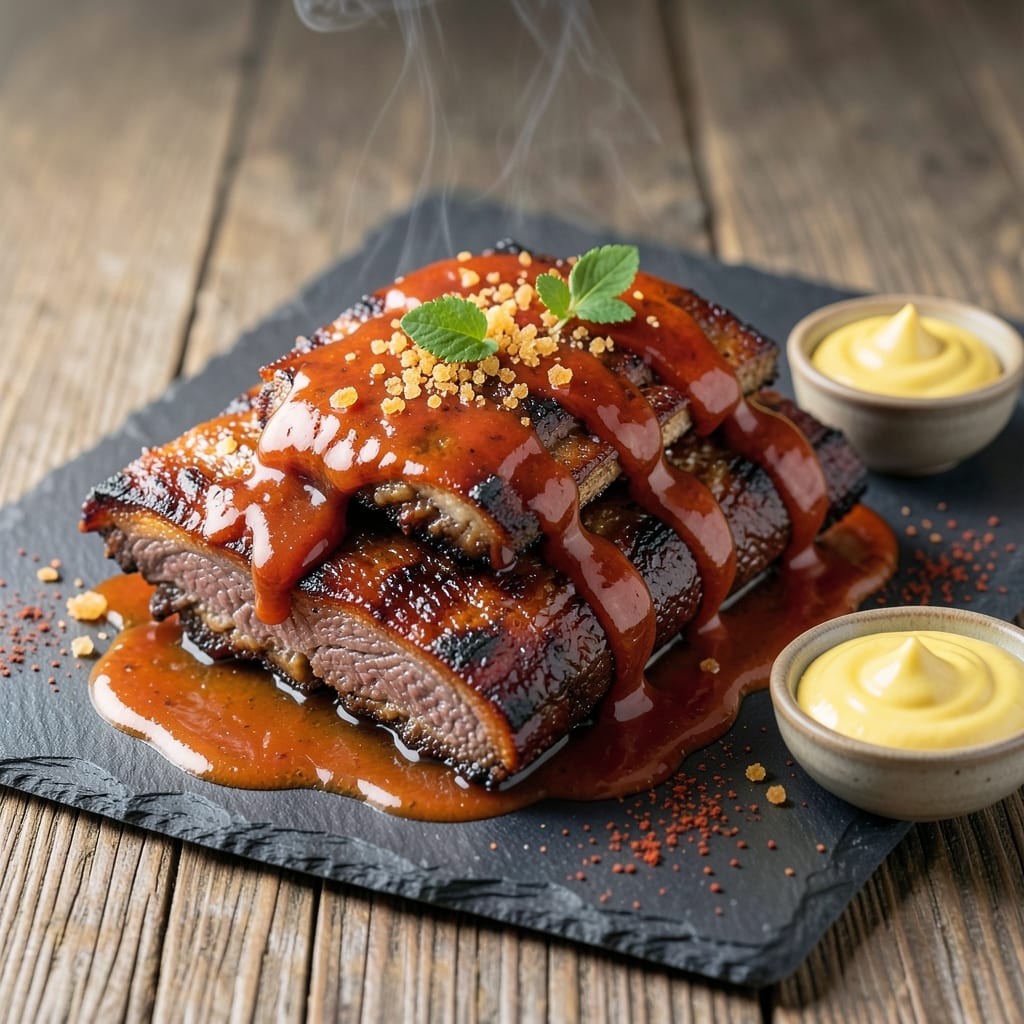
This barbecue beef spare ribs recipe delivers the kind of fall-off-the-bone tenderness and smoky crust that turns casual cookouts into legendary meals. 🔥 After years of perfecting my dry rub blend and mastering the 3-2-1 method, I've cracked the code for ribs that are crispy on the outside, tender on the inside, and packed with deep, smoky flavor that lingers long after the last bite. The secret lies in patience—letting the rub develop a bark while the meat transforms into melt-in-your-mouth perfection.
What sets these ribs apart is the balance between traditional technique and modern shortcuts. We'll start with a dry rub that combines sweet, spicy, and smoky elements, then use the 3-2-1 method (3 hours smoking, 2 hours wrapped, 1 hour unwrapped) to create that perfect crust. For those short on time, I'll show you how to finish them in the oven without sacrificing flavor or texture. The result? Ribs that are so tender they practically dissolve in your mouth, with a crispy exterior that's irresistible to bite into.
By the time you're done, you'll have a platter of ribs that look like they came from a competition pit—deep red bark, glistening with natural juices, and ready to be piled high on buns or served alongside classic BBQ sides. The aroma alone will have everyone gathering around your table, and the first bite will silence any skepticism. This isn't just another ribs recipe; it's a method that transforms a simple cut of meat into something extraordinary.
The beauty of this recipe is its versatility. Whether you're cooking for a crowd or treating yourself to a solo feast, these ribs deliver restaurant-quality results at home. We'll cover everything from selecting the right cut to plating with confidence, so you can focus on what matters most—enjoying the fruits of your labor. Let's get started on creating ribs that will have everyone asking for seconds.
Ingredients for barbecue beef spare ribs
Six pounds of ribs plus a handful of pantry staples. That's all you need for legendary BBQ.
| Ingredient | Amount | Notes |
|---|---|---|
| Beef Spare Ribs 🥩 | 4 lb | Bone-in, meaty, from the plate section |
| Yellow Mustard 🍯 | ½ cup | For sticky bark application |
| Brown Sugar 🍚 | ½ cup | Packed, light brown preferred |
| Smoked Paprika 🌶️ | 2 tbsp | For deep smoky flavor |
| Chili Powder 🌶️ | 1 ½ tbsp | Medium heat, not hot |
| Ground Black Pepper 🌶️ | 1 tbsp | Freshly ground for best flavor |
| Garlic Powder 🧄 | 1 tbsp | Not garlic salt |
| Onion Powder 🧅 | 1 tbsp | Freshly ground preferred |
| Salt 🧂 | 1 tbsp | Kosher or sea salt |
| Cayenne Pepper 🔥 | ½ tsp | Adjust for heat preference |
| Apple Cider Vinegar 🍎 | ¼ cup | For tenderizing soak |
| Beef Broth 💧 | 1 cup | Low-sodium preferred |
| Aluminum Foil 📄 | 1 sheet | Heavy-duty for wrapping |
| Wood Chips 🌳 | 2 cups | Hickory or oak preferred |
| Butter 🧈 | 2 tbsp | For basting after unwrapping |
The ribs are non-negotiable—bone-in spare ribs from the plate section give you that perfect meat-to-bone ratio. Costco or local butchers usually have them pre-cut, but if you're buying a whole rack, ask for the meaty end. Look for good marbling and avoid anything with a yellowish tint (that's old meat). I always buy extra and freeze half for next time. The wood chips? Hickory gives classic BBQ flavor, but oak works too—just don't use fruit woods like cherry, they're too sweet for ribs.
No smoked paprika? Regular paprika plus a pinch of liquid smoke gets you close. The mustard is key for that sticky bark—Dijon works too. Short on time? Skip the soak and just pat the ribs dry before applying the rub. The beef broth can be store-bought, but homemade is better (and you'll have leftovers for other recipes). For the wood chips, soak them for 30 minutes before using—Trader Joe's sells pre-soaked ones if you're in a hurry. The cayenne is optional but worth it if you like heat.
These ribs are best made ahead—the flavor develops overnight. Wrap them in foil and refrigerate up to 24 hours before cooking. The dry rub keeps for 3 months in an airtight container. Leftover ribs reheat beautifully—450°F oven for 10 minutes with a splash of broth. I always make extra for sandwiches the next day—toasted brioche buns are a must.
Why You'll Love This Recipe
- Foolproof Prep: I swear by this method—just slather the ribs with that tangy yellow mustard base, sprinkle on the brown sugar and spices, and toss them on the grill or oven. No fancy marinating, no waiting hours. Honestly, I’ve made this while keeping an eye on the kids’ soccer game.
- Sweet-Smoky Magic: That combo of brown sugar and smoked paprika? It’s where the real magic happens. The sugar caramelizes into a sticky glaze while the paprika adds this deep, smoky warmth—like a hug in food form. (Yes, even on a Tuesday night.)
- Leftovers That Shine: These ribs taste just as good the next day, if not better. I’ll be real: my slow-cooked batch from Sunday becomes Monday’s lunch, wrapped in foil and reheated with a splash of water. The meat stays tender, and the sauce? Even richer.
- Budget Crowd-Pleaser: A full pack of spare ribs feeds six for under $20, and everyone—from my picky teen to my grandpa—goes back for seconds. Between us, this is my secret weapon for game days or when friends drop by unexpectedly. No one leaves hungry.
Step-by-step instructions for fall-off-bone crispy beef spare ribs
Here's the foolproof method for ribs that are tender enough to pull apart but still have that perfect smoky bark.
👨🍳 Step 1: Prepare the Dry Rub and Tenderize the Ribs
In a medium bowl, combine the 0.5 cup brown sugar, 2 tbsp smoked paprika, 1.5 tbsp chili powder, 1 tbsp garlic powder, 1 tbsp onion powder, 1 tbsp ground black pepper, 1 tbsp salt, and 0.5 tsp cayenne pepper. Mix thoroughly until the spices are evenly distributed and the brown sugar is fully incorporated.
Remove the 4 lb beef spare ribs from the packaging and pat them dry with paper towels—this is crucial for that crispy bark. In a separate bowl, whisk together the 0.25 cup apple cider vinegar and 1 cup beef broth. Pour this mixture into a large resealable plastic bag and add the ribs. Seal the bag and massage the marinade into the meat, coating every surface. Let them soak for 30 minutes at room temperature while you prepare your smoker.
🔥 Step 2: Smoke the Ribs Low and Slow
Set up your smoker using the 2 cups wood chips (hickory or oak work best) and preheat to 225°F. Once the smoker reaches temperature and you see clean, blue smoke, remove the ribs from the marinade and shake off any excess liquid. Generously apply the dry rub all over the ribs, pressing it into the meat so it sticks well—this ensures maximum flavor penetration.
Place the ribs meat-side up on the smoker grates and close the lid. Here's the thing—resist the urge to peek! Every time you open the lid, you lose heat and moisture, adding 15-20 minutes to your cook time. Smoke the ribs for 4-5 hours until they reach an internal temperature of 165-170°F and the bark is deep mahogany brown. You'll notice they'll hit "the stall" around 165°F, where the temperature stops rising—this is normal and expected.
🥘 Step 3: Wrap and Finish Cooking
Once the ribs hit 165°F, it's time to wrap them. Line a large sheet of aluminum foil with another sheet to create a double layer. Place the ribs on the foil, add 2 tbsp butter on top, and fold the foil into a tight packet. Return the wrapped ribs to the smoker and continue cooking for another 1.5-2 hours until they reach an internal temperature of 200-203°F and are fork-tender.
The foil wrap creates a steam bath that helps tenderize the meat while preserving that beautiful bark. The butter adds richness and helps keep the meat moist. You'll know they're done when a probe slides in like butter and the meat pulls apart easily. Real talk: don't rush this step—patience is key to perfect ribs.
⏰ Step 4: Rest and Serve
Remove the ribs from the smoker and carefully open the foil packet. Let them rest on a cutting board for 15-20 minutes before serving. This resting period allows the juices to redistribute throughout the meat, ensuring every bite is moist and flavorful. Here's where it gets fun—use two forks to pull the ribs apart at the bones, then brush with any remaining juices from the foil packet for extra flavor.
Serve immediately with your favorite sides. The ribs should be fall-off-the-bone tender with a perfect balance of smoky, sweet, and spicy flavors. If you have leftovers, store them in the refrigerator for up to 3 days or freeze for up to 3 months. The flavor only gets better as they sit!
Pro Tips For Making Barbecue Beef Spare Ribs
- TRIM THE FAT CAP: I learned this the hard way—skipping this step means your ribs stay greasy and the sauce struggles to stick. Use kitchen shears to snip the thick fat cap down to ¼-inch, then rub the exposed meat with smoked paprika and chili powder immediately. The flavor clings better, and the ribs crisp up faster.
- BRINE THE RIBS OVERNIGHT: This isn’t the prettiest method, but it’s the tastiest: Dissolve ½ cup kosher salt and ¼ cup brown sugar in 4 cups cold water, then submerge the ribs for 12–24 hours. The beef stays juicy even after long smoking, and the sugar in the brine caramelizes into a subtle glaze when cooked—no extra work needed.
- WATCH THE MUSTARD MIX: Yellow mustard isn’t just a binder—it’s the glue that keeps your rub from washing off. Whisk it into a paste with 1 tablespoon brown sugar and 1 teaspoon chili powder first, then slather it on the ribs before applying the dry rub. This ensures the spices stick through the smoke, not just the first 30 minutes.
- START LOW, END HOT: After hours of slow cooking, resist the urge to blast the ribs with high heat at the end. Instead, finish them at 275°F for 30 minutes—this renders fat without burning the crust. I was skeptical until I tried it: the bark stays intact, and the meat stays tender, not chewy. (Your future self will thank you.)
Essential equipment for barbecue beef spare ribs
Smoker Essentials
First things first—you need a reliable smoker. I swear by my Traeger Pellet Grill for its consistency, but a Weber Smokey Mountain is my backup for traditional wood smoke. If you're just starting, a Masterbuilt Digital Electric Smoker is a budget-friendly option that still delivers great results. Whatever you choose, make sure it maintains a steady 225°F—this is non-negotiable for tender ribs. 🌡️
Don't forget the accessories: a meat probe thermometer (I love the ThermoWorks Smoke) to track internal temps, and a wood chip feeder if your smoker doesn't have one built-in. For wood, stick with hickory or oak chips—they give that classic BBQ flavor without overpowering the meat. I always soak my chips for 30 minutes before using to prevent flare-ups.
Rub and Marinade Tools
Your dry rub needs a good mix, so grab a medium mixing bowl and a whisk to blend the spices evenly. I use a mortar and pestle to grind my spices fresh for extra flavor, but a spice grinder works in a pinch. For the marinade, a resealable plastic bag is perfect for massaging the ribs—just don't skip the 30-minute soak to tenderize them.
Pro tip: Use a pastry brush to apply the mustard before the rub. This helps the bark stick better and adds that sticky, caramelized crust. I also keep a small bowl nearby to mix any extra rub for touching up the ribs later in the cook.
Foil and Wrapping Supplies
Heavy-duty aluminum foil is a must for wrapping ribs—Reynolds Wrap or Foil by Scott both work well. Line your foil with another sheet to create a double layer, which prevents leaks and keeps the ribs moist. I also keep 2 tablespoons of butter on hand to add during the wrap—this adds richness and helps keep the meat tender. 🧈
For finishing touches, grab a pair of tongs (I prefer BBQ-specific tongs with silicone grips) to handle the ribs without tearing the bark. A sharp knife or bone saw comes in handy for trimming excess fat before cooking, and a meat mallet helps tenderize stubborn spots if needed.
Temperature Control Gear
A digital thermometer is your best friend—it ensures you don’t overcook or undercook the ribs. I set mine to alert me at 165°F (the stall) and 203°F (done). For extra precision, a second probe can monitor the smoker’s temperature separately. If you’re using a charcoal smoker, a chimney starter and heat-resistant gloves are essential for safe setup.
Don’t overlook a wire rack for your smoker—it elevates the ribs and allows smoke to circulate evenly. If you’re short on space, a disposable aluminum pan can double as a drip tray. And always keep a fire extinguisher nearby—safety first, especially when dealing with open flames.
Nutrition facts
Frequently asked questions
Can I use a grill instead of a smoker for these ribs?
A charcoal grill works perfectly—just set up indirect heat and use a chimney starter with hickory or oak chunks for smoke. Maintain 225°F by adjusting the vents, and monitor temps with a meat probe thermometer. The 3-2-1 method applies the same way, just transfer the ribs to a cooler wrapped in towels if you need to pause. For gas grills, add wood chips to a smoker box or foil pouch on the heat source.
What if my ribs hit the stall and won't go above 165°F?
This is completely normal! The stall happens when moisture evaporates from the meat. Wrap them in foil with butter and broth (or apple juice) to create steam, then return to the smoker. The internal temp will climb to 200-203°F once the collagen breaks down. If you're impatient, you can briefly increase heat to 250°F for 30 minutes to push through, but don't overdo it.
How do I adjust the spice level for kids or sensitive eaters?
Skip the cayenne pepper and reduce the chili powder to 1 teaspoon for a milder rub. For extra safety, set aside some ribs before applying the full rub, then season them lightly with just salt and garlic powder after cooking. The sweetness from the brown sugar will still shine through while keeping the heat manageable.
Can I make these ribs in the oven without a smoker?
Yes! Preheat your oven to 225°F with a smoker box or foil pouch of wood chips on the bottom rack. Place ribs on a rack over a pan, then follow the same timing: 4-5 hours unwrapped, 1.5-2 hours wrapped with butter. For extra smoke flavor, spray the oven walls with apple juice every 30 minutes. The texture will be slightly different but still delicious!
Why do my ribs turn out tough instead of tender?
Overcooking is the #1 culprit—ribs are done at 200-203°F, not when they look "done." Other common mistakes: not patting ribs dry before applying rub (prevents bark formation), skipping the wrap stage (needed for collagen breakdown), or using direct heat (creates tough exterior). Always use a meat probe thermometer and resist the urge to peek at the ribs!