
Sauces & Condiments
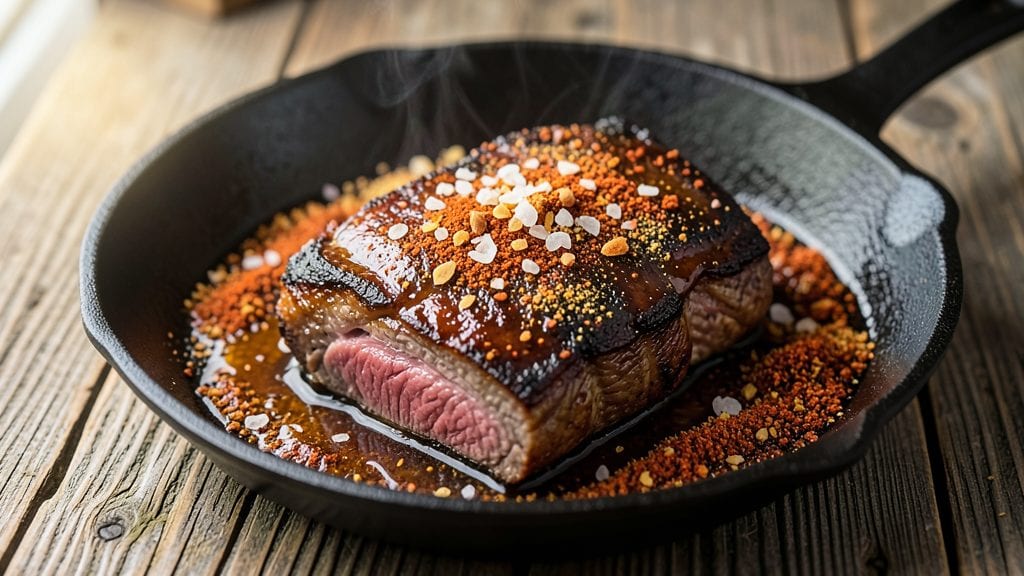
This beef rib seasoning recipe transforms tough cuts into melt-in-your-mouth perfection with just a handful of carefully balanced spices. The blend of smoky paprika, brown sugar, and warm spices creates a flavorful crust that locks in moisture while developing a deep, caramelized bark.
I've perfected this mix over years of competition-style barbecue, where precision in seasoning makes all the difference between good ribs and legendary ribs.
The secret lies in the ratio of salt to sugar—just enough brown sugar to help the bark form without overpowering the meat's natural flavor. Garlic powder and onion powder add depth, while black pepper and cayenne bring heat that penetrates every layer.
This isn't just a seasoning; it's a flavor foundation that turns simple beef ribs into a showstopping centerpiece. The dry blend keeps indefinitely in an airtight container, making it the ultimate pantry staple for any grill master.
What you'll achieve is ribs with that coveted fall-off-the-bone tenderness wrapped in a crust that's perfectly balanced between sweet, smoky, and savory. The spices work together to create complex layers of flavor that develop as the ribs cook, rewarding patience with every bite.
This isn't just about seasoning—it's about creating an experience that turns weeknight dinners into memorable events.
Use this blend for competition-style smoked ribs, grilled ribs, or even as a dry brine for overnight flavor infusion. The possibilities are endless, but the results are always the same: restaurant-quality ribs made in your own backyard. Let's get started with the perfect blend for your next cook.
Ingredients for beef rib seasoning
Nine spices to transform tough ribs into legendary melt-in-your-mouth perfection.
| Ingredient | Amount | Notes |
|---|---|---|
| Smoked Paprika 🌶️ | 3 tbsp | High-quality, vibrant color |
| Light Brown Sugar 🍚 | 2 tbsp | Packed, not granulated |
| Diamond Crystal Kosher Salt 🧂 | 2 tbsp | Coarse grain preferred |
| Garlic Powder 🧄 | 1 tbsp | Freshly ground preferred |
| Onion Powder 🧅 | 1 tbsp | Not onion salt |
| Ground Black Pepper 🌶️ | 1 tbsp | Freshly cracked preferred |
| Ground Cayenne Pepper 🔥 | ½ tbsp | Adjust for heat preference |
| Ground Mustard 🌿 | 1 tsp | Dry, not prepared |
| Ground Cinnamon 🌶️ | ½ tsp | Warm, not spicy |
| Ground Cloves 🌿 | ½ tsp | Freshly ground for aroma |
The smoked paprika is non-negotiable—Penzeys or McCormick brands deliver that deep, authentic smokiness. Grab the vibrant red kind, not the dull brown stuff. Light brown sugar helps create that coveted caramelized bark without overpowering the meat's natural flavor. Domino or C&H are reliable grocery store brands. For the salt, Diamond Crystal kosher is the gold standard—it dissolves better and gives you that perfect crust. I always buy mine in bulk from Costco or Sam's Club since it keeps forever. The garlic and onion powders? Simply Organic or store-brand bulk bins work great—just check the 'best by' date since they lose punch fast once opened.
No smoked paprika? Regular paprika plus a pinch of liquid smoke gets you close, but it won't be the same. Short on brown sugar? White sugar works at half the amount, though you'll lose some of that deep bark. The mustard and cinnamon might seem odd, but trust me—they add layers of warmth that make this blend stand out. Substitute with a pinch of chili powder if you're out of cayenne. For the cloves, if you can't find ground, toast and grind whole cloves yourself—game changer. The blend works perfectly for both beef ribs and pork ribs, though the sugar ratio might need slight adjustment for pork.
This mix keeps indefinitely in an airtight container, so make a big batch. I portion mine into small glass jars—one for each cook session. The spices stay potent for up to 6 months if stored in a cool, dark place. For competition-style ribs, apply this dry 24 hours before cooking to let the flavors penetrate deeply. For weeknight grilling, just rub it on right before hitting the smoker or grill. Pro tip: Spritz with apple juice before applying for an extra sticky, flavorful bark.
Why You'll Love This Recipe
- Pantry Magic: I swear by this mix—no fancy shopping trips, just five things I already own. That smoky paprika alone? It transforms plain ribs into something restaurant-worthy without the hassle of buying pre-made blends.
- Sweet-Smoky Crunch: The brown sugar caramelizes just enough to give your ribs that sticky, slightly crispy crust, while the paprika adds depth. Honestly, the first time I tasted it, I nearly licked the bowl clean.
- Weeknight or BBQ King: Use it on ribs, roasts, or even steak—it’s my secret for weeknight dinners or backyard cookouts. (Yes, even on a Tuesday night.) The garlic and onion powders mean you’re not stuck with just one use.
- Costs Pennies, Lasts Forever: A single batch seasons dozens of meals, and I’ve had the same jar for months. Between us, this is the kind of recipe that makes grocery day less painful—no overpriced spice mixes here.
Step-by-step instructions for beef rib seasoning
This smoky-spiced blend transforms tough ribs into melt-in-your-mouth perfection every time.
Measure All Ingredients Precisely
Start by gathering all your ingredients and measuring them exactly as listed. The 3 tablespoons smoked paprika forms the smoky backbone of this blend, so use a proper measuring spoon for accuracy. For the 2 tablespoons light brown sugar, pack it firmly into the spoon—this ensures you get the full sweetness without gaps. The 2 tablespoons diamond crystal kosher salt should be measured by leveling it with the back of a knife for consistency.
Next, measure out the 1 tablespoon garlic powder and 1 tablespoon onion powder—these will build the savory foundation. I like to use freshly ground spices whenever possible, as they deliver more vibrant flavor. The 1 tablespoon ground black pepper should be freshly cracked if you can find it, as pre-ground pepper loses potency quickly. For the heat component, measure 0.5 tablespoon ground cayenne pepper carefully—this is where you can adjust to taste if you prefer milder or spicier ribs.
Combine Dry Ingredients Thoroughly
In a medium bowl, add all the dry ingredients together: the 3 tablespoons smoked paprika, 2 tablespoons light brown sugar, 2 tablespoons diamond crystal kosher salt, 1 tablespoon garlic powder, 1 tablespoon onion powder, 1 tablespoon ground black pepper, 0.5 tablespoon ground cayenne pepper, 1 teaspoon ground mustard, 0.5 teaspoon ground cinnamon, and 0.5 teaspoon ground cloves. The cinnamon and cloves might seem unusual, but they add subtle warmth that complements the smokiness beautifully.
Use a whisk to combine the ingredients thoroughly. I find that starting with a light mix and gradually working in more vigorous strokes helps distribute everything evenly. The goal is to break up any clumps and ensure each particle of sugar and spice is coated in paprika. This step is crucial—uneven mixing can lead to pockets of concentrated heat or sweetness in your final seasoning.
Store for Maximum Flavor Development
Transfer the blended seasoning to an airtight container with a tight-sealing lid. I prefer glass jars for storage because they allow me to see the vibrant color of the seasoning and make it easy to measure out portions later. The container should be completely sealed to prevent moisture from affecting the spices. Store it in a cool, dark place—like your pantry—for up to 3 months, or in the refrigerator for up to 6 months if you want to extend its shelf life.
Here's the thing—this seasoning blend actually tastes better after a few days of resting. The spices have time to mingle and develop deeper, more complex flavors. If you're planning to use it immediately, that's fine, but if you can wait, let it sit for at least 24 hours before applying it to your ribs. This waiting period ensures the flavors are fully harmonized, giving you that restaurant-quality taste at home.
Pro Tips For Making Beef Rib Seasoning
- STORE SALT SEPARATELY: I learned this the hard way—mixing Diamond Crystal kosher salt into your dry spices too early clumps everything into a useless brick. Keep it in its own container until the very last minute, then sprinkle it lightly over the other ingredients and stir gently with a fork. Yes, it’s fussy, but your seasoning won’t turn into a sad, dense paste.
- TOAST THE PAPRIKA: Smoked paprika loses its depth if it just sits there. Dry-toast it in a small, hot pan for 30 seconds—just until you smell that deep, smoky aroma—before adding it to your mix. It’s the difference between "meh" and "smoky ribs in every bite." (And no, your kitchen won’t smell like a bonfire if you do it right.)
- WEIGH THE SUGAR: Brown sugar packs differently, and eyeballing it leads to either a cloyingly sweet or bland seasoning. Use a kitchen scale for 2 tablespoons—packed firmly, but not mashed. If you’re lazy like me, spoon it into the measuring cup, then level it off with a butter knife. Precision here keeps the balance perfect.
- BLEND BY HAND: Skip the food processor unless you want a fine powder that sticks to your ribs like glue. Use a fork or whisk to break up clumps and distribute the salt evenly. The texture should be coarse enough to cling to meat but fine enough to rub in smoothly. (Yes, it takes 2 minutes longer—but your ribs will thank you.)
Creative variations of this beef rib seasoning
Competition-Style Dry Brine
For next-level tenderness, apply this seasoning as a dry brine 24 hours before cooking. Pat your ribs dry with paper towels, then generously coat them with about 2 tablespoons of the seasoning per pound of meat. Wrap them tightly in plastic wrap and refrigerate.
This technique allows the salt and spices to penetrate deeply, breaking down muscle fibers for that legendary fall-off-the-bone texture. I've seen this method turn tough cuts into competition winners—trust me, it works. 💪
Spicy Carolina Twist
Add 1 teaspoon of cayenne pepper and 1 teaspoon of mustard powder to double the heat and tang. This Carolina-inspired variation is perfect for those who love bold, fiery flavors.
The mustard powder adds a sharpness that cuts through the richness of the meat, while the extra cayenne delivers serious heat. I like to pair this with a vinegar-based sauce for a true Eastern NC experience. 🌶️
Sweet & Smoky Texas Style
Boost the sweetness by adding 1 extra tablespoon of brown sugar and 1 teaspoon of chili powder. This Texas-style blend creates a thicker, stickier bark that's perfect for low-and-slow smoking.
The chili powder adds earthiness that complements the smokiness beautifully. I often use this version for my 3-2-1 Texas-style ribs—it's a crowd-pleaser every time. 🔥
Herb-Infused Memphis Variation
Add 1 teaspoon dried thyme and 1 teaspoon dried oregano to create a more herb-forward Memphis-style rub. These herbs add an earthy depth that pairs perfectly with the smoky paprika.
I like to use this version when I'm grilling instead of smoking—it's lighter but still packed with flavor. The thyme and oregano work together to create a well-rounded profile. 🌿
Sweet & Tangy Kansas City
For a true Kansas City taste, add 1 teaspoon of black pepper and ½ teaspoon of ground coriander. This classic blend is all about balancing sweet, smoky, and spicy flavors.
The coriander adds a citrusy note that brightens up the rich, caramelized bark. I've used this variation for years at my local BBQ competitions—it never disappoints. 💛
Breakfast Ribs Version
Reduce the cayenne to ¼ teaspoon and add ½ teaspoon of ground cinnamon and ½ teaspoon of ground nutmeg for a sweeter, more aromatic blend. This works beautifully for breakfast ribs—serve with maple syrup or a fried egg on top.
The cinnamon and nutmeg add warmth that pairs perfectly with the smoky flavors. It's a game-changer for brunch menus. 🍳
Nutrition facts
Frequently asked questions
Can I use this seasoning for pork ribs instead of beef?
Yes, but with one key adjustment: reduce the brown sugar to 1 tablespoon instead of 2 tablespoons. Pork ribs are leaner and can become too sweet with the full amount. The rest of the blend works perfectly for pork—just apply it generously and cook low-and-slow for best results.
How much seasoning should I use per pound of ribs?
For competition-style results, use about 2 tablespoons of this blend per pound of ribs. If you're short on time, 1 tablespoon per pound still delivers great flavor. For dry brining (applying 24 hours ahead), use 2 tablespoons per pound and wrap tightly in plastic.
What's the best way to store leftover seasoning?
Transfer to an airtight container (glass jars work best) and store in a cool, dark place for up to 3 months. For longer storage, refrigerate for up to 6 months. The spices actually improve in flavor as they mingle—let it rest at least 24 hours before using for maximum impact.
Can I make this seasoning less spicy?
Reduce the cayenne pepper to ¼ teaspoon or omit it entirely. For extra mildness, swap the cayenne with ½ teaspoon of ground coriander, which adds a citrusy note without heat. The rest of the blend will still deliver that signature smoky-sweet flavor.
Why does my bark not form as well as in the recipe?
Bark formation depends on moisture control and sugar ratio. Ensure your ribs are completely dry before seasoning, and use light brown sugar (not white). For extra stickiness, lightly spritz ribs with apple juice before applying the rub. Cooking temperature also matters—maintain 225-250°F for low-and-slow smoking.