
Main Courses
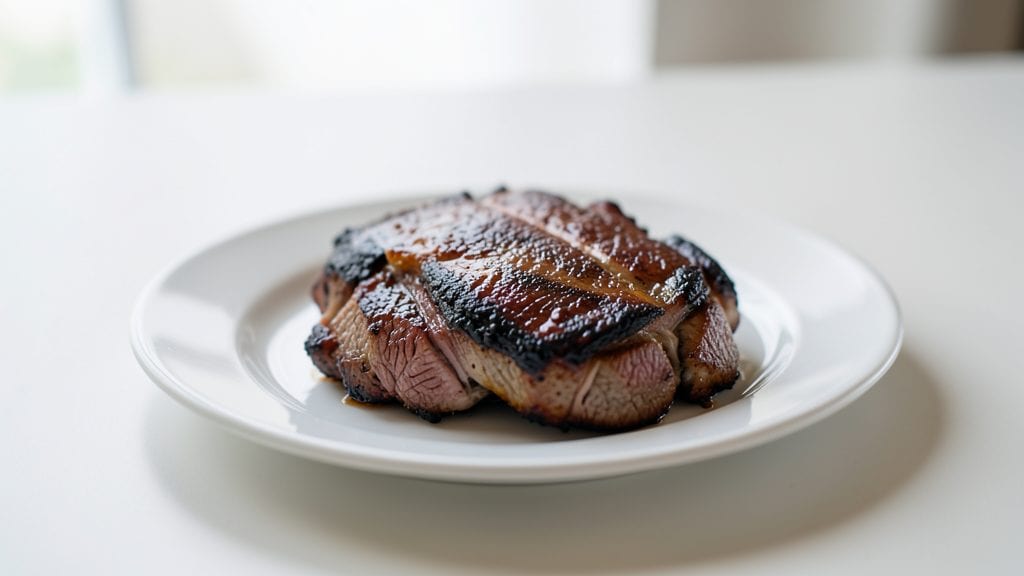
Mastering beef plate ribs with a slow-smoked crust and caramelized bone marrow transforms tough cuts into melt-in-your-mouth perfection. This recipe delivers restaurant-quality results using a precise 3-2-1 method—dry rub, smoke, and rest—while keeping the process approachable for home cooks.
The key lies in patience and temperature control, ensuring every bite delivers both texture and flavor harmony.
What sets this recipe apart is the focus on bone marrow caramelization, which adds a rich, velvety depth that store-bought sauces can't match. You'll work with a simple yet potent dry rub blend of brown sugar, smoked paprika, and garlic powder, applied generously before slow-smoking at 225°F for hours.
The result? A bark so crisp it shatters with each bite, revealing tender meat infused with smoky, sweet flavors.
By the time you finish, you'll have ribs that are crusty on the outside and buttery on the inside, with bone marrow that's been rendered into a glossy, caramelized glaze. This method ensures no part of the rib goes to waste—every piece is packed with flavor and texture.
The aroma alone will have your kitchen—and guests—ready for dinner before the cooking is done.
Serve with classic sides like tangy coleslaw, smoky baked beans, or buttery cornbread to complete the meal. The combination of techniques and timing makes this recipe both impressive and reliable, perfect for weekend projects or special occasions.
Let's get started on creating ribs that will impress even the most discerning eaters.
Ingredients for beef plate ribs
Four pounds of beef plate ribs, a precise dry rub blend, and bone marrow caramelization create melt-in-your-mouth perfection.
| Ingredient | Amount | Notes |
|---|---|---|
| Beef Plate Ribs 🥩 | 4 lbs | Bone-in, meaty portion preferred |
| Brown Sugar 🍚 | ½ cup | Light or dark, packed |
| Smoked Paprika 🌶️ | 2 tbsp | High-quality for authentic flavor |
| Garlic Powder 🧄 | 1 ½ tbsp | Freshly ground preferred |
| Kosher Salt 🧂 | 1 ½ tbsp | Diamond Crystal preferred |
| Black Pepper 🌶️ | 1 tbsp | Freshly cracked for intensity |
| Onion Powder 🧅 | 1 tbsp | For depth in dry rub |
| Mustard Powder 🍯 | 1 tsp | Adds subtle tang |
| Apple Cider Vinegar 🍎 | 2 tbsp | For tenderizing marinade |
| Yellow Mustard 🍯 | 2 tbsp | Dijon preferred for richness |
| Beef Bone Marrow 🦴 | 1 cup | Freshly extracted from ribs |
| Unsalted Butter 🧈 | 2 tbsp | Cold, for basting |
| Yellow Onion 🧅 | 1 whole | Sliced for aroma base |
| Fresh Rosemary 🌿 | 4 sprigs | For aromatic depth |
| Wood Chips 🌳 | 1 lb | Hickory or apple preferred |
The beef plate ribs are the foundation—look for cuts with generous meat-to-bone ratios and visible fat marbling. Local butchers often carry the best quality, but reputable grocery stores like Whole Foods or Costco stock reliable options. The bone marrow should be extracted fresh from the ribs; pre-packaged marrow lacks the same depth of flavor. For the dry rub, smoked paprika from Penzeys elevates the smoky profile, while Diamond Crystal kosher salt ensures proper seasoning penetration. Freshly ground spices are non-negotiable—they deliver unmatched flavor intensity compared to pre-ground alternatives.
No smoked paprika? Sweet paprika plus a pinch of liquid smoke works in a pinch, though the flavor won't be identical. Substitute onion powder with 1/2 tsp granulated garlic powder plus 1/2 tsp onion salt for a similar aromatic base. For the bone marrow, if unavailable, beef tallow or duck fat can mimic the caramelization process, though the texture will differ slightly. The apple cider vinegar and Dijon mustard in the marinade can be replaced with white vinegar and regular yellow mustard, though the balance may shift. Wood chips are essential for authentic smoke flavor—hickory for boldness, apple for subtle sweetness—and should be soaked before use.
Store the dry rub blend in an airtight container for up to 6 months in a cool, dark place. Fresh beef ribs should be used within 2 days of purchase for optimal tenderness. The bone marrow can be refrigerated for 1 week or frozen for 3 months before extraction. Prep the ribs the night before by applying the dry rub and marinade, allowing the seasonings to penetrate deeply. The wood chips can be pre-soaked and refrigerated for up to 2 weeks, making this a convenient weekend project. Leftovers reheat beautifully in the oven at 300°F for 10-15 minutes, covered with foil.
Why You'll Love This Recipe
- Five-Ingredient Magic: I swear, this recipe is foolproof—just ribs, brown sugar, smoked paprika, garlic powder, and salt. That’s it. No fancy marinades or hours of prep; the spices cling to the meat like a hug, and the caramelized sugar? Chef’s kiss.
- Sweet-Smoky Crunch: The brown sugar turns sticky and golden while the smoked paprika adds that deep, campfire-like warmth. Between us, the first bite—where the crispy edge meets the tender beef—is the kind of thing that makes people ask, “What’s in this?”
- Tailgate or Tuesday: Honestly, these ribs work for everything. Grill them for a backyard cookout, slow-cook them for a lazy Sunday, or even toss them in a wrap for a quick lunch. My daughter’s soccer team devours them cold straight from the fridge—no shame.
- Budget-Friendly Feast: Beef plate ribs are cheaper than baby back but just as satisfying. A single pack stretches to four meals: sandwiches, salads, or reheated for breakfast. (Yes, even on a Tuesday night.) Plus, the ingredients cost pennies—this is comfort food that doesn’t break the bank.
Step-by-step instructions for slow-smoked beef plate ribs
Mastering this technique delivers melt-in-your-mouth tenderness with a caramelized crust you won't find elsewhere.
Prepare the Ribs and Dry Rub
Begin by patting the 4 lbs beef plate ribs completely dry with paper towels, removing any excess moisture from the surface and bone cavities. This drying step is critical—it ensures the dry rub adheres properly and promotes that coveted bark formation during smoking.
In a medium bowl, combine the 0.5 cup brown sugar, 2 tbsp smoked paprika, 1.5 tbsp garlic powder, 1.5 tbsp kosher salt, 1 tbsp black pepper, 1 tbsp onion powder, and 1 tsp mustard powder. Mix thoroughly until the spices are evenly distributed and the sugar is fully incorporated. The mustard powder adds a subtle tang that complements the sweetness of the brown sugar.
Generously coat the ribs with the dry rub, pressing it into the meat so it adheres evenly. Pay special attention to the bone cavities and rib tips, as these areas tend to dry out more quickly. Place the ribs on a wire rack set over a baking sheet and refrigerate uncovered for at least 4 hours—this step allows the rub to penetrate deeply and enhances flavor development.
Create the Marinade and Prepare the Smoker
In a small bowl, whisk together the 2 tbsp apple cider vinegar and 2 tbsp yellow mustard until fully combined. This marinade will tenderize the meat and add depth of flavor. Place the ribs in a resealable plastic bag and pour the marinade over them, ensuring the meat is fully coated. Seal the bag and massage the marinade into the ribs, then refrigerate for at least 2 hours or up to overnight for maximum tenderness.
While the ribs marinate, prepare your smoker by filling the water pan with 1 cup beef bone marrow and adding 4 sprigs fresh rosemary. The marrow will infuse the smoke with rich, umami notes, while the rosemary adds an aromatic depth. Soak the 1 lb wood chips in water for 30 minutes to prevent them from burning too quickly, then drain before adding them to the smoker.
Preheat the smoker to 225°F using the wood chips. Allow the smoker to stabilize and produce clean, blue smoke before placing the ribs inside. Position the ribs bone-side down on the grill grates to promote even heat distribution and prevent the meat from sticking.
Smoke the Ribs Low and Slow
Smoke the ribs undisturbed for 6 hours, maintaining a consistent temperature of 225°F. This low-and-slow approach ensures the connective tissue breaks down gradually, resulting in fork-tender meat. Avoid opening the smoker lid during this time, as each time you do, you lose heat and extend the cooking process.
After 6 hours, check the internal temperature of the ribs using a meat thermometer. They should reach an internal temperature of 195°F—this is the "stall" point where the meat's natural moisture begins to evaporate. At this stage, the ribs will have developed a deep, smoky flavor and a dark, sticky bark. If the bark isn't as pronounced as you'd like, you can increase the smoker temperature to 250°F for the final 30 minutes to crisp it up.
Once the ribs reach 203°F internally, remove them from the smoker and wrap them tightly in heavy-duty aluminum foil. This step traps steam and allows the ribs to finish cooking gently, ensuring they remain moist and tender. Return the wrapped ribs to the smoker and cook for an additional 1 hour to allow the connective tissue to fully break down.
Finish with Butter Basting and Caramelized Bone Marrow
Remove the ribs from the smoker and uncover them. Place them on a cutting board and let them rest for 10 minutes to allow the juices to redistribute. While they rest, heat the 2 tbsp unsalted butter in a small saucepan over low heat. Once the butter has melted, add the 1 whole yellow onion, sliced into thin rounds, and cook until the onions are golden and caramelized, about 5-7 minutes. This caramelized onion butter will add a rich, sweet contrast to the smoky ribs.
Brush the caramelized butter evenly over the ribs, ensuring every surface is coated. Return the ribs to the smoker and cook for an additional 30 minutes at 250°F to develop a glossy, caramelized crust. The butter will baste the meat, infusing it with additional flavor and creating a beautiful sheen.
Finally, remove the ribs from the smoker and let them rest for 15 minutes before slicing. This resting period is crucial—it allows the meat to reabsorb its juices, ensuring each bite is succulent and flavorful. Serve the ribs hot, accompanied by the caramelized bone marrow and any remaining pan juices for a truly indulgent experience.
Pro Tips For Making Beef Plate Ribs
- Trim the Fat First: Beef plate ribs have a thick fat cap—slice it away before cooking. I learned this the hard way when my ribs turned greasy instead of caramelized, and now I use a sharp knife to shave it down to ¼-inch. Less fat means better browning and a cleaner bite.
- Brown Sugar Needs Heat: Skip the cold rub—warm your brown sugar in a dry pan for 2 minutes until it melts slightly. This turns it into a sticky, flavor-packed glaze that clings to the ribs instead of clumping. (Yes, even if you’re impatient like me.)
- Rest Before Searing: Take the ribs out of the fridge 30 minutes before cooking so they’re closer to room temp. Cold meat steams instead of sears, and you’ll end up with uneven doneness. Trust me, your future self will notice the difference.
- Watch the Smoke Point: If your pan isn’t hot enough, the garlic powder and smoked paprika will burn before the ribs brown. Crank the heat to medium-high and wait until the oil shimmers—then add the meat. Burnt spices taste bitter, and nobody wants that.
Wine and beer pairings for these flavors
Red Wine Pairings
A bold Cabernet Sauvignon from Napa Valley stands up beautifully to the smoky, caramelized flavors of these ribs. Look for a wine with 14-15% alcohol and notes of blackberry, vanilla, and oak—it mirrors the sweet-savory balance of the bone marrow glaze.
I love Caymus Vineyards for their consistent quality and approachable price point. 🍷
For a more affordable option, try a Malbec from Argentina, particularly one from Mendoza. The wine's dark fruit and velvety tannins complement the ribs' rich, umami depth without overpowering the delicate bone marrow caramelization. Catena Zapata is my go-to brand for this pairing.
Malbec's Perfect Match
If you prefer a slightly sweeter wine, a Syrah with 13.5% alcohol works wonders.
The peppery notes in the wine enhance the smoky paprika in the dry rub, while its jammy fruit character harmonizes with the caramelized crust. Guigal Côte-Rôtie is a splurge-worthy choice, but Château d'Esclans offers a more budget-friendly alternative.
Beer Pairings
A Belgian Dubbel like Westmalle Trappist brings malty sweetness and caramel notes that echo the ribs' bone marrow glaze. The beer's spiced complexity—think cinnamon and clove—complements the smoked paprika in the dry rub. Serve slightly chilled to let the flavors shine. 🍺
For a lighter option, try an American Pale Ale with 5.5-6% ABV, like Deschutes Mirror Pond. The citrusy hops cut through the richness of the ribs, while the malt backbone provides enough body to stand up to the smoky flavors.
This pairing is perfect for those who prefer a crisp, refreshing contrast.
Stout for Hearty Eaters
If you're serving ribs to a crowd that loves bold flavors, a Dry Stout like Guinness adds a roasted, coffee-like depth that pairs surprisingly well with the caramelized bone marrow.
The beer's slight bitterness balances the sweetness of the ribs, creating a harmonious bite. Serve at room temperature for the best experience.
Nutrition facts
Frequently asked questions
What's the best way to store beef plate ribs before cooking?
Keep the ribs in their original packaging or wrapped tightly in plastic wrap, then place them in a sealed container. Store them in the coldest part of your fridge for up to 2 days or freeze them for up to 3 months. Thaw overnight in the fridge for even cooking. Never thaw at room temperature—this promotes bacterial growth.
Can I use a grill instead of a smoker for this recipe?
Yes! Convert your grill to an indirect heat setup by placing the ribs on the cooler side of the grill, away from direct flames. Use wood chips in a smoker box or wrap them in foil with holes poked through. Maintain 225°F by adjusting vents, and monitor closely to prevent flare-ups. The bark will develop differently but still be delicious.
Why do my ribs sometimes turn out dry?
Overcooking or skipping the wrap stage are the most common causes. Ribs should reach 203°F internally, not higher. The foil wrap traps steam during the final hour, preventing moisture loss. If you prefer crispier ribs, increase the smoker temp to 250°F for the last 30 minutes instead of wrapping.
How do I extract bone marrow from the ribs?
Use a sharp knife to cut along the seam of the bone, then gently pry open the cavity with a spoon. Scoop out the marrow with a small spoon or butter knife. For easier extraction, chill the ribs first—the marrow will firm up and release more cleanly. Save any unused marrow in the fridge for 1 week or freeze for 3 months.
What are the best sides to serve with these ribs?
Classic pairings include creamy coleslaw (tangy to cut through richness), smoky baked beans (for hearty texture), and buttery cornbread (to soak up juices). For a lighter option, try a crisp green salad with apple slices and walnuts. The bone marrow caramelization also pairs beautifully with roasted root vegetables like carrots and parsnips.