
Main Courses
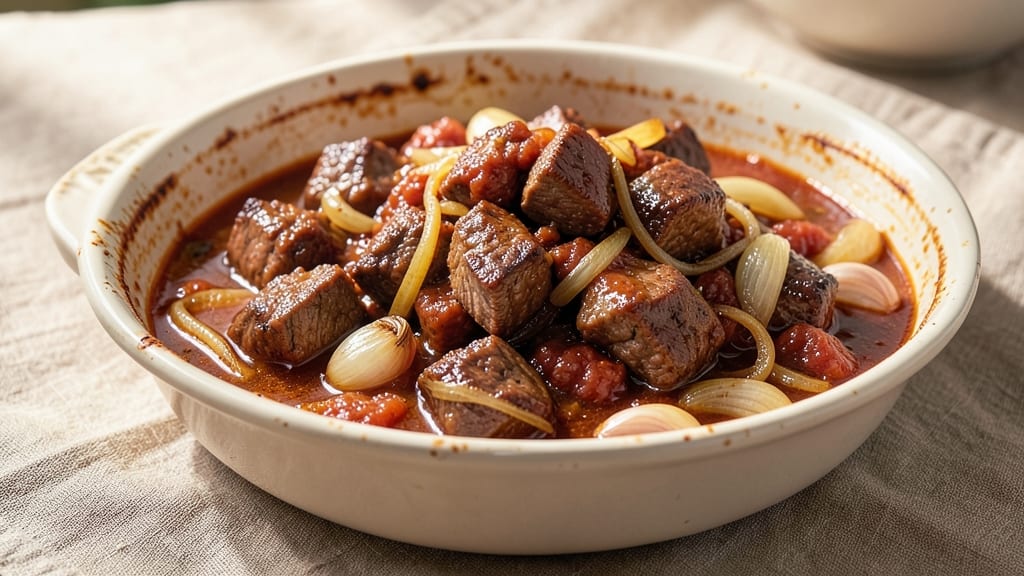
This beef paprikash recipe delivers the rich, smoky-sweet depth of Hungarian comfort food that transforms simple ingredients into a hearty meal. 🔥 I first made it during a Boston winter when I needed something warm and satisfying after a particularly brutal snowstorm—it became an instant family favorite.
The secret lies in slow-browning the beef and layering flavors through paprika, onions, and sour cream.
The dish starts with searing beef chuck in a Dutch oven until deeply caramelized, which builds the foundation for that signature depth of flavor. Then, we develop a rich sauce using sweet and hot paprika, tomatoes, and a splash of wine, all simmered until tender.
The sour cream at the end adds a velvety contrast that balances the smoky paprika perfectly.
By the time you serve it over egg noodles or fluffy potatoes, you'll have a restaurant-quality meal that's rich, aromatic, and impossibly comforting. The beef becomes fork-tender while staying flavorful, and the sauce clings to every noodle, creating bites that are both hearty and elegant.
This is the kind of dish that makes weeknights feel special.
Serve with crusty bread to soak up every last bit of sauce or pair it with a simple green salad for balance. The leftovers reheat beautifully, making this an ideal make-ahead option for busy evenings. Let's get cooking!
Ingredients for beef paprikash
Pantry staples plus a few key ingredients transform into this hearty Hungarian classic.
| Ingredient | Amount | Notes |
|---|---|---|
| Beef Chuck Roast 🥩 | 2 lb | Cut into 1-inch cubes |
| Yellow Onions 🧅 | 2 whole | Medium size, sliced thin |
| Garlic Cloves 🧄 | 4 cloves | Minced, fresh preferred |
| Sweet Paprika 🌶️ | 2 tbsp | Hungarian preferred |
| Hot Paprika 🔥 | 1 tbsp | For smoky heat |
| Tomato Paste 🍅 | 2 tbsp | No sugar added preferred |
| Red Wine 🍷 | 1 cup | Dry, like Cabernet |
| Beef Broth 💧 | 2 cups | Low sodium preferred |
| Sour Cream 🥛 | ½ cup | Full-fat for creaminess |
| Egg Noodles 🍝 | 12 oz | Fresh or dried |
| Salt 🧂 | 1 ½ tsp | Kosher or sea salt |
| Black Pepper 🌶️ | ½ tsp | Freshly ground preferred |
| Olive Oil 🫒 | 2 tbsp | For searing beef |
| Fresh Parsley 🌿 | ¼ cup | Chopped, for garnish |
The beef chuck is non-negotiable here—it's what gives you that melt-in-your-mouth texture. Costco or Whole Foods usually have great cuts, but your regular butcher can trim it for you if needed. Look for good marbling—those little fat streaks are what make it tender. I always ask for it pre-cubed to save time, but if you're feeling ambitious, cut it yourself into 1-inch cubes for even cooking. The onions? Yellow onions work best—they caramelize beautifully without getting bitter. If you grab the vidalia by mistake, just add a pinch more salt at the end.
No red wine? Beef broth with a splash of balsamic vinegar works in a pinch, though it won't have that same depth. The paprika is where the magic happens—Hungarian sweet and hot gives you that authentic flavor. Can't find Hungarian? Smoked paprika plus a pinch of sugar gets you close. Fresh parsley is ideal for garnish, but dried parsley at half the amount works if you're out. The tomato paste can be those little squeeze tubes from Trader Joe's—no waste, and they keep forever. Just make sure it's no-sugar-added if you're watching that.
This reheats beautifully—honestly tastes better the next day once everything melds together. Keeps for 4-5 days in the fridge, and freezes for 3 months if you make a big batch. I always double the recipe because leftovers make the best lunches. Store the sauce separately from the noodles if you want to reheat them separately—just toss them together when ready to eat. The sour cream adds the perfect finishing touch, so keep it chilled until serving.
Why You'll Love This Recipe
- One-Pot Magic: I swear by this recipe—just brown the beef, toss in chopped onions and garlic, then dump in the paprika mix. No extra pans, no fuss. The slow simmer does all the work while you sip wine (or coffee, no judgment).
- Smoky-Sweet Obsession: That blend of sweet and hot paprika? It’s the star. The sweet paprika gives it a warm, slightly sweet depth, while the hot paprika adds just enough kick to wake up your taste buds. Honestly, I reach for the leftovers before dinner sometimes.
- Weeknight to Dinner Party: Make a big batch on Sunday—it reheats like a dream for lunches all week. But here’s the secret: it’s also fancy enough for guests. Serve it with crusty bread or mashed potatoes, and suddenly, you’re hosting.
- Budget-Friendly Powerhouse: A chuck roast is cheap, and this recipe stretches it into multiple meals. Between us, I’ve fed four people for under $15 with this, and no one complains (even my picky teenager). Plus, the flavors get richer the next day—proof it’s worth the effort.
Step-by-step instructions for beef paprikash
Here's how to transform simple ingredients into a rich, comforting dish that's perfect over egg noodles.
🔥 Step 1: Sear the Beef Chuck Roast Until Browned
Heat the 2 tablespoons olive oil in a large Dutch oven over medium-high heat until shimmering. Working in batches to avoid crowding, add the 2 lb beef chuck roast cut into 1-inch cubes and sear for 3-4 minutes per side until deeply browned. You'll see those beautiful crusty edges form—that's where all the flavor starts.
Don't rush this step. The goal is to develop a rich fond at the bottom of your pan. If the beef releases easily from the pan, it's ready to move. Transfer the browned beef to a plate and set aside. Here's the thing—if your pan isn't hot enough, the beef will steam instead of sear. You want that caramelized crust.
🍳 Step 2: Build the Paprika Base with Onions and Garlic
In the same Dutch oven (don't wipe out those flavorful browned bits), add the 2 whole yellow onions sliced thin and cook for 5-6 minutes until softened and lightly golden. Stir occasionally so they don't stick. This is where the sweetness of the onions will mellow and deepen the flavor of your dish.
Add the 4 cloves minced garlic cloves and cook for 30 seconds until fragrant. Then stir in the 2 tablespoons sweet paprika and 1 tablespoon hot paprika, letting them toast for 1 minute until you smell that wonderful smoky aroma. This is the moment that matters—don't skip the toasting. It develops the paprika's full flavor potential.
Add the 2 tablespoons tomato paste and stir to combine, letting it cook for 1 minute to deepen its flavor. Here's where it gets fun—pour in the 1 cup red wine and scrape up all those delicious browned bits from the bottom of the pan. Let the wine simmer for 3-4 minutes until reduced by half. You'll see the alcohol cook off and the wine concentrate into a rich base.
🥘 Step 3: Simmer the Beef in Flavorful Broth
Return the beef to the Dutch oven and pour in the 2 cups beef broth. Add 1.5 teaspoons salt and 0.5 teaspoon black pepper, then bring to a gentle simmer. Here's the key: cover the pot and let it cook for 1 hour to 1 hour 15 minutes until the beef is fork-tender. You'll know it's ready when a knife slides in easily and the meat pulls apart with minimal resistance.
Real talk: Your oven might run hot, so start checking at the 1-hour mark. If the liquid reduces too much before the beef is tender, add a splash of water or broth to maintain the right consistency. The beef should be swimming in a rich, paprika-infused sauce by the end of this time.
⏰ Step 4: Finish with Sour Cream and Noodles
Once the beef is tender, stir in the 0.5 cup sour cream and cook for 2-3 minutes just until warmed through. Be careful not to boil the sour cream—it will curdle if it gets too hot. The sauce should thicken slightly and become velvety smooth.
While the sauce finishes, cook the 12 oz egg noodles according to package instructions until al dente. Drain and return them to the pot, tossing with a little olive oil to prevent sticking. Divide the noodles among plates, top generously with the beef and sauce, and garnish with 0.25 cup chopped fresh parsley. Each bite should deliver tender beef, rich paprika flavors, and that creamy sour cream finish.
Pro Tips For Making Beef Paprikash
- Sear the Beef First: Don’t skip browning that chuck roast—high heat for 4-5 minutes per side builds flavor you can’t get any other way. I used to rush this, and the paprika sauce just tasted flat afterward. Get it golden, even if it looks messy.
- Toast the Paprika: Dry-toast your sweet and hot paprika in a cold pan over medium-low for 30 seconds before adding liquid—it blooms the aroma and deepens the color. Skip this, and your sauce will taste like it’s missing something. (Yes, even if you’re impatient like me.)
- Deglaze with Beer: Use a splash of dark beer (or even red wine) when deglazing the pan after searing—it cuts through the richness and adds depth. I learned this the hard way after making paprikash that tasted too heavy. Start with ½ cup, then reduce.
- Simmer Low and Slow: After adding the onions and garlic, reduce heat to the lowest setting that keeps a gentle simmer—this prevents burning while letting flavors meld. I used to walk away and come back to a scorched mess. Cover it and let it work for 2+ hours.
Storing and reheating your leftovers
Refrigerator Storage
Let your paprikash cool completely before storing—this prevents condensation that can make the sauce watery. Transfer to an airtight container (I use glass Pyrex with snap-on lids) and refrigerate for up to 4-5 days.
The flavors actually deepen overnight as the paprika and sour cream meld together beautifully. 💫
Pro tip: Store the sauce and noodles separately if you plan to reheat them separately. The sauce reheats best on its own, while the noodles stay fresher when kept apart. Just toss them together when ready to eat—this keeps everything perfectly textured.
Freezer Storage
For longer storage, freeze the paprikash for up to 3 months in a freezer-safe container or quart-sized freezer bag. Leave 1 inch of headspace for expansion, and squeeze out excess air to prevent freezer burn.
I like to portion it into individual servings so you can thaw just what you need.
When you're ready to eat, thaw overnight in the fridge. The texture holds up surprisingly well—just reheat gently on the stovetop with a splash of water or broth to restore moisture. The sour cream might separate slightly, but a quick stir brings it back together beautifully.
Stovetop Reheating
This is my preferred method because it restores the sauce to its creamy, velvety perfection. Transfer the paprikash to a pot over medium-low heat and add 2-3 tablespoons of water or beef broth to prevent sticking. Simmer gently for 8-10 minutes, stirring occasionally, until everything is heated through.
If the sauce looks too thick after reheating, add a splash more liquid and let it simmer for another minute. Taste and adjust seasoning—sometimes reheated paprikash needs a pinch more salt or a dollop of extra sour cream to brighten the flavors.
The beef should be tender and the sauce rich and inviting. 🔥
Microwave Reheating
For a quick fix, transfer a portion of paprikash to a microwave-safe dish and cover loosely with a microwave-safe lid or damp paper towel. Heat on medium power (50-60%) for 2-3 minutes, stirring halfway through.
This prevents the sour cream from curdling and keeps the texture as close to fresh as possible.
If the sauce looks dry after microwaving, add 1-2 tablespoons of water or broth and stir well. The microwave can make the sauce seem thicker than it is—don't be afraid to add a little extra liquid to restore its silky consistency.
Garnish with fresh parsley before serving to add a pop of color and freshness.
Nutrition facts
Frequently asked questions
What makes Hungarian paprikash different from other beef stews?
The key lies in the paprika blend—Hungarian sweet and hot paprika create that signature smoky-sweet flavor profile. Unlike typical beef stews, paprikash uses a tomato paste and wine base that develops depth through slow simmering, plus a finishing touch of sour cream for creaminess. The beef chuck is also cooked until fork-tender rather than shredded, giving it that signature melt-in-your-mouth texture.
Can I substitute chicken or pork for the beef?
While beef chuck is traditional, you can swap for chicken thighs (bone-in works best) or pork shoulder. For chicken, reduce cooking time to 30-40 minutes—it cooks faster than beef. Pork should simmer for 1 hour to 1 hour 15 minutes like beef. The sauce will still develop beautifully, but the texture will differ slightly. For pork, consider adding a splash of apple cider vinegar to balance richness.
Why did my paprikash turn out too acidic?
This usually happens from over-reducing the wine or adding too much tomato paste. To fix it, stir in 1-2 teaspoons of sugar or a pinch of salt to balance acidity. For prevention: don't reduce the wine past half its volume, and use 2 tablespoons tomato paste max. A splash of beef broth at the end can also help mellow sharp flavors. The sour cream finish should naturally balance any acidity if the base is properly seasoned.
What are good sides to serve with paprikash?
Traditionally, it's served over egg noodles or with buttery potatoes. For a complete meal, add: crusty bread to soak up sauce, a simple green salad with lemon vinaigrette, or steamed carrots for color contrast. In Hungary, it's often paired with pickled cucumbers or sauerkraut to cut through the richness. The key is balancing textures—something crisp or fresh against the creamy sauce.
How can I make this dish ahead of time?
This recipe actually tastes better the next day! Cook the beef and sauce up to 2 days in advance and refrigerate in an airtight container. Reheat gently on the stove with a splash of broth, then stir in fresh noodles just before serving. For make-ahead convenience, portion the sauce separately and freeze it for up to 3 months. The flavors deepen as the paprika and sour cream meld together over time.