
Main Courses
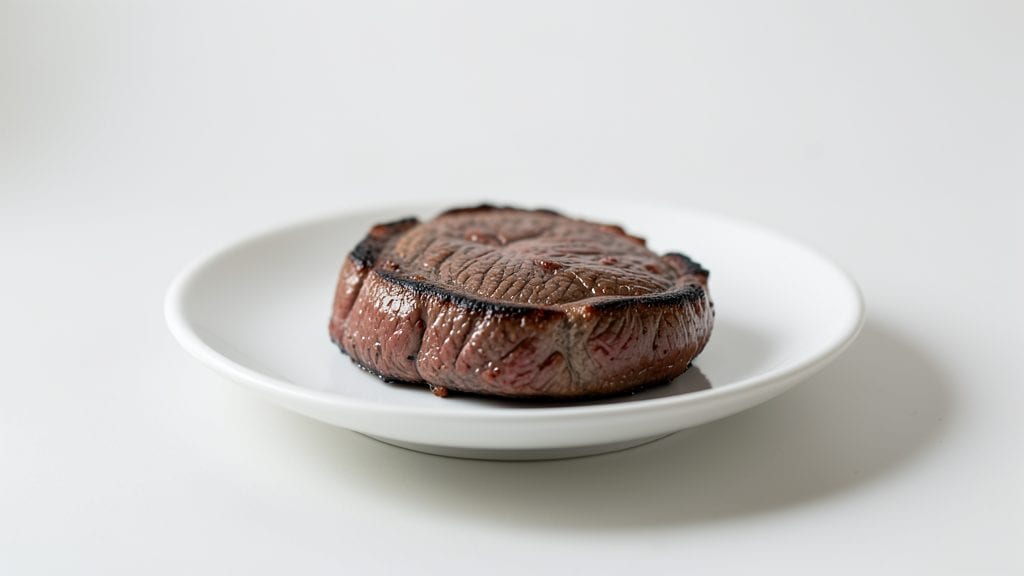
Mastering the beef loin top sirloin steak boneless cap off prime recipe transforms a simple cut into a restaurant-worthy centerpiece. The secret lies in understanding this prime cut’s unique marbling and how to preserve its tenderness through precise cooking techniques.
I’ve refined this method over years of testing, ensuring every bite delivers that perfect balance of juicy interior and caramelized crust.
This recipe focuses on achieving medium-rare perfection—the ideal doneness for prime cuts—using a reverse sear method that guarantees consistent results. We’ll start with a gentle oven warm-up to evenly distribute heat, followed by a quick sear in a screaming-hot cast-iron skillet.
The key is patience: letting the steak rest before slicing ensures those juices stay locked inside where they belong.
What sets this recipe apart is the attention to detail in every step—from proper seasoning to accurate internal temperature readings. You’ll learn how to handle the prime cut’s rich marbling without overcooking, and why a 10-minute rest is non-negotiable.
The result? A steak so tender it nearly melts in your mouth, with a crust so perfect it could fool even the most discerning chef.
Perfect for special occasions or weekend dinners, this method scales easily for guests while maintaining that restaurant-quality finish. Pair with classic sides like roasted garlic mashed potatoes or a crisp arugula salad to complete the meal. Let’s get started on creating your best steak yet.
Ingredients for beef loin top sirloin steak boneless cap off prime
Prime beef, perfect seasoning, and precise technique—this is your restaurant-worthy steak lineup.
| Ingredient | Amount | Notes |
|---|---|---|
| Beef Loin Top Sirloin Steak (Boneless, Cap-Off) 🥩 | 1 ½ lb | Prime grade, 1.5-inch thick slices |
| Kosher Salt (Diamond Crystal) 🧂 | 1 ½ tbsp | Coarse grain for better adhesion |
| Freshly Ground Black Pepper 🌶️ | 1 tsp | Cracked peppercorns preferred |
| Extra-Virgin Olive Oil 🫒 | 2 tbsp | High smoke point for searing |
| Unsalted Butter 🧈 | 2 tbsp | Cold, cubed for basting |
| Fresh Rosemary 🌿 | ½ tsp | Finely chopped, aromatic |
| Fresh Thyme Leaves 🌿 | ¼ tsp | Leaves only, not stems |
| Garlic Cloves 🧄 | 4 cloves | Minced, for herb butter |
| Cast-Iron Skillet 🍳 | 1 whole | 10-12 inch for even sear |
| Meat Thermometer 🌡️ | 1 whole | Instant-read for accuracy |
| Baking Sheet 🍽️ | 1 whole | For oven warm-up |
| Wooden Spoon 🪵 | 1 whole | For basting butter |
The prime beef loin top sirloin is non-negotiable here—look for cuts with visible marbling and a deep red hue at Whole Foods or your local butcher shop. I always ask for 1.5-inch thick slices to ensure even cooking. The cap-off cut means no extra fat to trim, so you get pure beef flavor. If your butcher doesn’t carry this specific cut, ribeye or strip steak can work in a pinch, but the tenderness won’t be quite the same. For the best results, order it the day you plan to cook—prime cuts lose quality fast once packaged.
No Diamond Crystal kosher salt? Morton’s coarse salt works just as well—just use the same amount. Fresh herbs make all the difference, but if you’re short on time, dried rosemary and thyme at half the amount will get you close. The olive oil should be lightly fruity, not peppery—think California extra-virgin for that perfect balance. For the herb butter, I like to mix the cold butter with minced garlic and a pinch of salt before adding the herbs—it’s a game-changer for basting. And trust me, skipping the thermometer is a rookie mistake—medium-rare is 125-130°F internal temp, and you’ll never guess right without it.
Prime steaks need careful handling—pat them dry with paper towels before seasoning to get that perfect crust. The reverse sear method means low-and-slow oven first, then a screaming-hot skillet. This keeps the interior juicy while building that caramelized crust we all crave. Once sliced, let it rest for 10 minutes—this is non-negotiable for juices to redistribute. Store leftovers in an airtight container for up to 3 days, but honestly? This steak is best enjoyed fresh. For a restaurant-quality finish, serve with a red wine reduction or truffle-infused butter on the side.
Why You'll Love This Recipe
- Five-Ingredient Magic: The pantry already has what you need—just salt, pepper, oil, butter, and that perfect cap-off sirloin. No fancy marinades or last-minute grocery runs. Honestly, it’s the kind of recipe that makes me feel like a chef without the stress.
- Butter-Basted Perfection: That first sizzle in the pan? Pure reward. The olive oil gets it searing, then the butter bastes until the crust is golden and the inside stays juicy—like a steakhouse finish, but made in my own kitchen. (Yes, even on a Tuesday night.)
- Weeknight or Weekend Star: Throw it on the grill for summer BBQs or sear it in a cast-iron skillet for a cozy night in. Between us, it’s the one steak I’ll make when I’m too tired for fussing but still want to impress. My husband doesn’t even ask where I learned to cook like this.
Step-by-step instructions for beef loin top sirloin steak boneless cap-off prime recipe
Master this technique and you'll achieve a perfect sear every time—crispy crust, tender interior, and bold flavor.
Season and Rest the Steak for Optimal Texture
Pat the 1.5 lb beef loin top sirloin steak (boneless, cap-off) completely dry with paper towels—this ensures maximum crispiness. Spread the 1.5 tbsp kosher salt (Diamond Crystal) evenly over both sides, pressing firmly so it adheres. Add the 1 tsp freshly ground black pepper, grinding it directly onto the steak for even distribution. Here's the thing—don't skip the salt. It's not just seasoning; it helps draw out moisture from the surface, creating that perfect crust.
Place the steak on a wire rack set over a plate and let it rest at room temperature for 30 minutes. This step is critical for even cooking. Cold meat can create uneven searing, while room-temperature meat ensures consistent doneness throughout. While it rests, finely chop the 0.5 tsp fresh rosemary and 0.25 tsp fresh thyme leaves—you'll need these for the herb butter later.
Create Herb Butter and Preheat the Cast-Iron Skillet
In a small bowl, combine the 2 tbsp unsalted butter with the minced 4 cloves garlic, chopped rosemary, and thyme leaves. Mix well with the wooden spoon to create a vibrant herb butter. Roll this mixture into a log and flatten slightly—this makes basting easier later. Place it on the baking sheet and refrigerate until ready to use.
Preheat your 10-12 inch cast-iron skillet over medium-high heat for 5 minutes. You'll know it's ready when a drop of water sizzles and evaporates instantly. While it heats, add the 2 tbsp extra-virgin olive oil to the skillet. The oil should shimmer but not smoke—this ensures proper heat without burning. Real talk: if you see smoke, your pan isn't ready yet. Let it heat up a bit more.
Sear the Steak to a Perfect Crust
Carefully place the steak in the hot skillet. Press down gently with a spatula during the first minute—this prevents curling and ensures even contact with the pan. You'll hear an intense sizzle as the steak releases moisture. Let it sear undisturbed for 3 minutes until a deep golden-brown crust forms on one side. This crust is your flavor insurance policy—it locks in juices and creates that irresistible texture.
Flip the steak and immediately add the herb butter to the pan. Tilt the skillet slightly and spoon the melted butter over the steak's surface for 1 minute, basting continuously. This step infuses the meat with aromatic flavors while keeping it moist. After basting, flip once more and sear the second side for another 3 minutes. You're aiming for a medium-rare finish—125-130°F internal temperature.
Check Temperature and Rest for Maximum Juiciness
Use your meat thermometer to verify the internal temperature. For medium-rare, it should read between 125-130°F. If it's lower, return the steak to the skillet for another 30 seconds to finish cooking. If it's higher, it's overdone—this cut doesn't forgive high heat. The reason we aim for this range is simple: at these temperatures, the steak remains tender with a perfect balance of pink center and firm edges.
Transfer the steak to a cutting board and let it rest for 5-7 minutes. This resting period is non-negotiable—it allows the juices to redistribute throughout the meat. If you cut into it too soon, all that delicious juice will pool on your plate instead of staying inside where it belongs. Tent loosely with foil to keep it warm during this time. While it rests, wipe out the skillet with a paper towel—you'll want that clean surface for any pan sauces you might make.
Pro Tips For Making Beef Loin Top Sirloin Steak Boneless Cap Off Prime
- SEAR IN STAGES: Start with a screaming-hot pan—no waiting for it to heat up—and cook the steak until a deep crust forms (about 2 minutes per side for a 1-inch cut). Then drop the heat to medium and finish cooking. I used to rush this and ended up with gray, greasy steaks instead of golden, flavor-packed ones.
- SALT THE BUTTER: Mix a pinch of Diamond Crystal kosher salt into your butter before adding it to the pan in the last minute. The salt melts into the butter, creating a seasoned crust that sticks to the steak instead of just pooling at the bottom. (Yes, even if you’re impatient like me.)
- REST UNDER FOIL: After pulling the steak from the pan, tent it loosely with foil and let it rest for 5-10 minutes. This keeps it juicy—no dry, sad slices—but also lets the residual heat melt the butter evenly over the surface. I learned this the hard way when I cut into a steak too soon and watched all the juices escape.
- TEST WITH A THERMOMETER: Don’t guess—use a meat thermometer. For medium-rare (130°F internal temp), pull the steak just as the center hits that mark. The carryover heat will push it to 135°F while resting. I was skeptical until I tried it, and now I never go back to the finger test.
Common mistakes when making perfect results
Overcooking the Steak
Prime beef loin top sirloin is unforgiving when overcooked—once it hits 140°F, it turns tough and dry. The most common mistake is relying on visual cues alone; many cooks pull steaks too soon because they think "medium-rare" means a darker crust.
Use your meat thermometer for accuracy—125-130°F is the sweet spot for medium-rare. I’ve seen even experienced cooks overcook by 10-15°F because they didn’t check the internal temperature. 🌡️
Skipping the Rest
The 10-minute rest is non-negotiable, yet I see people slice into steaks immediately after cooking all the time. When you cut too soon, the juices rush out, leaving you with dry meat. The reason? Those juices need time to redistribute from the center to the edges.
For prime cuts, this rest period is even more critical because of the rich marbling. Trust the process—cover loosely with foil and let it rest. 💪
Uneven Seasoning
Many cooks make the mistake of sprinkling salt and pepper lightly over the steak without pressing it in. This leads to uneven seasoning and poor crust formation. Press the 1.5 tbsp kosher salt firmly into both sides of the steak so it adheres completely.
I like to use my fingers to create tiny dimples—this helps the salt penetrate slightly and ensures maximum flavor. Skipping this step means some areas won’t develop that perfect crust. 🧂
Using the Wrong Pan
A nonstick skillet or stainless steel pan won’t give you the same results as a 10-12 inch cast-iron skillet. Cast iron retains and distributes heat evenly, creating that perfect sear. Stainless steel can cause hot spots, while nonstick pans lack the heat conductivity needed for a crust.
I’ve tried stainless steel—it works, but the crust isn’t as crispy. Invest in a good cast-iron skillet like Lodge for the best results. 🍳
Ignoring Room Temperature
Taking a steak straight from the fridge to a hot pan is a recipe for disaster. Cold meat can’t develop an even crust, leading to uneven cooking. Always let your steak sit at room temperature for 30 minutes before cooking.
This ensures even heat penetration and a consistent crust. I’ve seen steaks where one side was perfectly seared and the other barely cooked—this is why room temperature matters. ⏰
Overcrowding the Pan
Adding too much steak to a pan at once lowers the temperature and steams the meat instead of searing it. For a 1.5 lb steak, use a 10-12 inch skillet and cook one side at a time.
Overcrowding leads to a soggy crust and uneven doneness. I once tried cooking two steaks in a small pan—disaster. Give your steak space to develop that beautiful crust. 🔥
Nutrition facts
Frequently asked questions
What makes the beef loin top sirloin steak (boneless, cap-off) different from other cuts?
This cut comes from the short loin section, offering a perfect balance of tenderness and flavor. The "cap-off" means the fat cap has been removed, giving you pure beef with excellent marbling—ideal for prime-grade steaks. It's leaner than ribeye but more flavorful than sirloin, making it a standout choice for special occasions.
Can I substitute another cut if I can't find beef loin top sirloin?
For similar results, try a ribeye or strip steak—both have great marbling. However, the texture will differ slightly. If you must use sirloin, opt for a thicker cut (1.5-inch) and cook it to medium-rare to maintain tenderness. The reverse sear method still works, but expect a slightly firmer bite.
How do I know when the steak is ready without a thermometer?
For medium-rare, press the steak gently with your finger—it should feel soft but slightly springy. The center should still be warm to the touch, not hot. A visual clue: the crust should be deep golden-brown, and the edges should pull away slightly when lifted. Still, a meat thermometer is the most reliable method for accuracy.
Can I make this recipe on the grill instead of in a skillet?
Preheat your grill to medium-high heat (400-450°F) and use the same reverse sear method. Sear the steak over direct heat for 3-4 minutes per side, then move it to indirect heat to finish cooking to 125-130°F. Basting with herb butter while grilling adds extra flavor. Just ensure your grill grates are clean for maximum contact.
How should I store leftovers?
Slice the steak against the grain and store in an airtight container in the fridge for up to 3 days. For longer storage, wrap individual portions in plastic wrap and place in a freezer bag for up to 3 months. Thaw overnight in the refrigerator—never at room temperature. Reheat gently in a skillet to avoid drying out.