
Main Courses
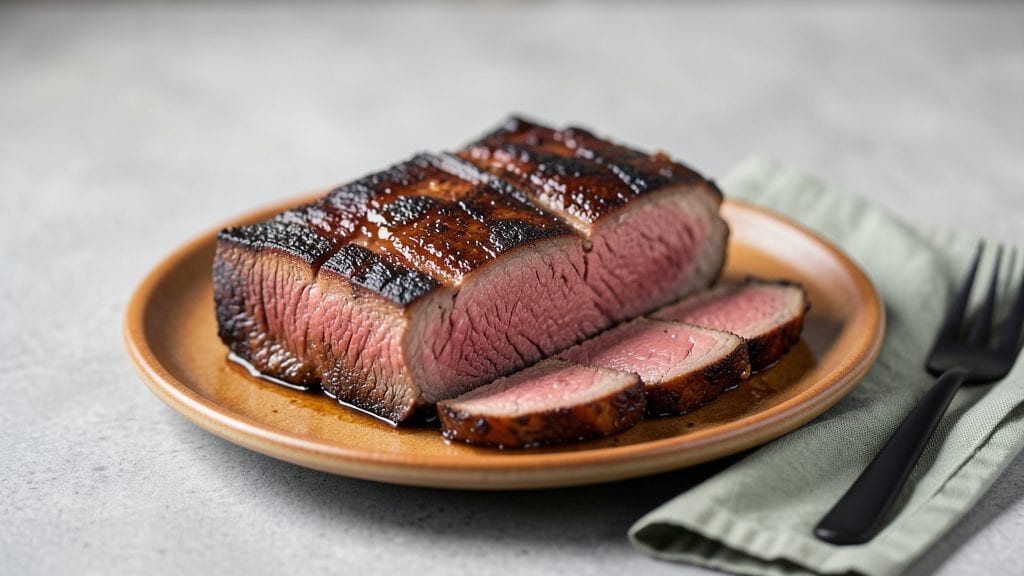
Master this beef loin smoker recipe to unlock tender pink centers and a flawless smoky crust that turns an ordinary cut into something truly unforgettable. After years of perfecting my technique—from brining to smoke timing—I’ve cracked the code for restaurant-quality results at home.
The key lies in patience and precision, ensuring every bite stays tender while developing that irresistible bark.
This recipe starts with a simple yet effective dry brine that enhances natural flavors and keeps the meat moist during the long smoke. You’ll work with a moderate heat range (225°F) to avoid drying out the beef while allowing the smoke to penetrate deeply.
The result? A loin that’s tender enough to slice with a fork yet firm enough to hold its shape, with a crust that carries layers of smoky sweetness.
What makes this recipe stand out is the versatility—serve it sliced thin for sandwiches, seared and sliced for a steakhouse-style presentation, or even cubed for tacos. The smoky flavor pairs beautifully with classic sides like buttery mashed potatoes, charred corn, or a crisp green salad.
Every bite delivers that perfect marriage of juicy meat and smoky depth, making it a showstopper for any meal.
Whether you’re a seasoned pitmaster or new to smoking, this method delivers consistent, foolproof results without requiring fancy equipment. Let’s get started on creating a beef loin that’ll have everyone asking for seconds—and thirds.
Ingredients for beef loin smoker
Quality ingredients transform ordinary beef into a restaurant-worthy smoker masterpiece.
| Ingredient | Amount | Notes |
|---|---|---|
| Beef Top Loin 🥩 | 2 ½ lb | Center-cut, 1.5-inch thick slices |
| Kosher Salt 🧂 | 1 ½ tbsp | Diamond Crystal preferred, coarse grain |
| Freshly Ground Black Pepper 🌶️ | 1 tbsp | Cracked peppercorns preferred |
| Yellow Mustard 🍯 | 2 tbsp | Dijon style for depth of flavor |
| Apple Cider Vinegar 🍎 | 1 tbsp | Organic preferred for purity |
| Hickory Wood Chips 🌳 | 1 package | Untreated, 100% natural |
| Cherry Wood Chips 🍒 | ½ package | For subtle sweetness contrast |
| Beef Tallow or Bacon Fat 🧈 | 2 tbsp | For rendering and basting |
| Garlic Cloves 🧄 | 4 cloves | Smoked garlic preferred if available |
| Fresh Rosemary 🌿 | ¼ cup | Needle leaves only, finely chopped |
| Fresh Thyme 🌿 | ¼ cup | Leaves only, French preferred |
| Olive Oil 🫒 | 1 tbsp | Extra-virgin for finishing sear |
| Beef Bone Broth 🍲 | ½ cup | Homemade or high-quality store-bought |
The beef top loin is non-negotiable for this recipe—center-cut slices with visible marbling ensure tenderness. Source from a reputable butcher or high-end grocer like Whole Foods or D'Artagnan for optimal quality. Look for cuts with 1.5-inch thickness—thinner slices risk overcooking. If you can't find top loin, strip loin works as a substitute, though it may yield slightly less tender results. The dry brine components—Diamond Crystal kosher salt and freshly cracked pepper—are essential for developing that perfect bark while maintaining moisture. Penzeys Spices carries excellent quality salt if your local store falls short.
For the wood chips, stick to 100% natural, untreated varieties—Traeger or Cookshack brands are reliable. Cherry wood adds subtle sweetness that pairs beautifully with hickory's bold smokiness. Short on time? Oak chips alone work, though the flavor profile will be less complex. The beef tallow or bacon fat is critical for rendering during the smoke—it creates a glossy finish and enhances the crust. Substitute with duck fat if available, but render it first to remove impurities. Fresh herbs must be finely chopped—French thyme has a more robust flavor than English varieties, but either works. If you're prepping ahead, store the herb mixture in a sealed container with a paper towel to absorb moisture.
Wood chips should be soaked for 30 minutes before smoking to prevent flare-ups. Store them in an airtight container in the refrigerator for up to 6 months. The dry brine can be applied 12-24 hours ahead—keep the beef uncovered on a wire rack in the fridge for even curing. For leftovers, slice against the grain and store in an airtight container with a damp paper towel to retain moisture for up to 4 days. The smoky flavor actually improves overnight, making this an ideal make-ahead recipe for entertaining. Freeze portions for up to 3 months by wrapping tightly in butcher paper before plastic.
Why You'll Love This Recipe
- Minimal Prep, Big Payoff: The beef loin just needs a light dry rub of salt and pepper—no fancy marinades or hours of prep. Honestly, I’ve made this on days I forgot to meal prep, and it still comes out tender and impressive.
- Tangy-Smoky Magic: That yellow mustard and apple cider vinegar combo? It’s the secret weapon—cuts through the richness of the beef while the smoker adds this deep, woodsy flavor. Between us, the crust is dangerously addictive.
- Leftovers That Don’t Suck: Smoked beef loin stays juicy for days, so I slice it thin for sandwiches or toss it in salads. (Yes, even on a Tuesday night.) No sad, dry reheats here—just melt-in-your-mouth perfection.
- Budget-Friendly Crowd-Pleaser: One beef loin feeds a family or fills party trays without breaking the bank. My husband’s coworkers always ask for the recipe—turns out, simple ingredients with a smoker’s touch hit the spot every time.
Step-by-step instructions for smoked beef loin
Mastering this technique delivers a perfect balance of smoky crust and tender pink center every time.
Prepare the Beef Loin for Smoking
Begin by trimming any excess fat from the 2.5 lb beef top loin, leaving a thin layer for flavor and moisture. Pat the surface completely dry with paper towels—this critical step ensures maximum contact with the smoker and promotes crisp bark formation. In a small bowl, combine the 1.5 tbsp kosher salt, 1 tbsp freshly ground black pepper, 2 tbsp yellow mustard, and 1 tbsp apple cider vinegar to create a flavorful dry rub. The mustard and vinegar act as natural tenderizers while adding depth of flavor.
Apply the rub generously to all sides of the beef loin, pressing it into the surface so it adheres well. Place the seasoned loin on a wire rack set over a baking sheet and refrigerate uncovered for 1 hour. This resting period allows the rub to penetrate the meat and the surface to dry slightly, which is essential for developing that coveted smoky crust. Real talk: Don't skip this step—it's what separates good smoked beef from exceptional.
Set Up the Smoker for Optimal Results
Combine the 1 package hickory wood chips with 0.5 package cherry wood chips in the smoker box. The hickory provides bold smokiness while the cherry adds subtle sweetness that complements the beef. Soak the wood chips in water for 30 minutes before using to prevent them from burning too quickly. Preheat your smoker to 225°F, maintaining this low-and-slow temperature throughout the cooking process. Here's the thing—consistent temperature control is what guarantees even cooking and that perfect pink center.
Once the smoker reaches 225°F and you see steady blue smoke (not thick white smoke), place the beef loin directly on the smoker grates, fat side up if there's any remaining fat cap. The fat will render slowly during smoking, basting the meat and contributing to moisture. Close the lid and resist the urge to peek—every time you open it, you lose heat and extend cooking time. This is where patience pays off for that juicy result you're after.
Smoke Until Probe-Tender Perfection
Smoke the beef loin for 1 hour per pound, which for our 2.5 lb cut means approximately 2.5 hours total. The internal temperature should reach 130°F at this point, but don't rush—this is when the magic happens as the collagen breaks down and the meat becomes tender. I like to use a meat probe thermometer inserted into the thickest part of the loin to monitor progress without opening the smoker.
After the initial 2.5 hours, remove the beef from the smoker and let it rest for 15 minutes. Then, increase the smoker temperature to 250°F and return the beef to finish cooking until it reaches an internal temperature of 135°F. This two-stage approach creates that perfect balance of smoky crust with a tender pink center. The higher temperature in the final stage helps develop a better bark while maintaining juiciness.
Create the Finishing Sauce and Rest
While the beef finishes smoking, prepare the finishing sauce in a small saucepan. Melt the 2 tbsp beef tallow or bacon fat over medium heat, then add the 4 cloves garlic cloves (minced), 0.25 cup fresh rosemary (finely chopped), and 0.25 cup fresh thyme (finely chopped). Sauté for 1 minute until fragrant, then pour in the 0.5 cup beef bone broth and simmer for 5 minutes until slightly reduced. Remove from heat and stir in the 1 tbsp olive oil.
Once the beef reaches 135°F, remove it from the smoker and transfer to a cutting board. Tent loosely with foil and let it rest for 15 minutes. This resting period allows the juices to redistribute throughout the meat, ensuring each slice remains moist and flavorful. After resting, brush the beef generously with the finishing sauce on both sides. The sauce will help create a glossy finish while adding layers of herbaceous flavor.
Slice and Serve Immediately
Slice the beef loin against the grain into 1-inch thick slices. The grain direction will be visible as slightly elongated fibers running through the meat. Cutting against the grain shortens the muscle fibers, making each bite more tender. Arrange the slices on a warm platter and drizzle with any remaining finishing sauce. The beef should have a beautiful mahogany bark on the outside with a pink center that's tender but not overcooked.
Serve immediately while still warm. The smoky crust should contrast perfectly with the juicy pink interior, and each bite should deliver rich beef flavor with herbal notes from the finishing sauce. Pair with roasted vegetables or crusty bread to complete the meal. Don't let the beef sit too long before serving—this is when it's at its peak of tenderness and juiciness.
Pro Tips For Making Beef Loin Smoker
- Trim the Fat Cap: That thick layer of fat on the top loin? Leave it—it’s your smoker’s best friend. I used to trim it off for looks, but now I know it renders down into flavor and keeps the meat juicy. Just score it lightly in a crosshatch to help the rub stick.
- Salt Like It’s 1923: Don’t just sprinkle salt over the loin—get your hands in there. Pat it dry first, then press that kosher salt into every crevice, especially the edges. I learned this the hard way when my first batch tasted bland because I skipped this step. (Yes, even if you’re impatient like me.)
- Hold the Vinegar Early: Mix your mustard and apple cider vinegar after the loin comes off the smoker. The acid will break down the meat’s surface too soon, turning your crust to mush. Brush it on hot, right before serving—trust me, it’ll shine.
- Smoke Low and Slow: Start your smoker at 225°F, but don’t rush the cook. I used to crank it up to 275°F to save time, and the outside burned before the inside hit 130°F. Let it crawl—it’s the only way to get that tender, smoky perfection without drying it out. (Your meat thermometer is your new best friend.)
Pro cooking tips for perfect results
Dry Brine Mastery
The dry brine is where this recipe truly shines—it’s not just salt and pepper, but a flavor bomb that tenderizes while creating that perfect crust.
I swear by the 1-hour dry brine with Diamond Crystal kosher salt and freshly cracked pepper—this gives the surface time to dry slightly, which is crucial for bark formation.
The mustard and apple cider vinegar in the rub act as natural tenderizers, breaking down muscle fibers just enough to keep the meat juicy. Pro tip: Use a wire rack instead of a plate to let air circulate—this prevents soggy spots and ensures even drying. 💡
Wood Chip Strategy
Hickory and cherry wood chips are a match made in smoky heaven, but the real secret is in the soaking. Soak them for 30 minutes before using—this prevents flare-ups and ensures steady, flavorful smoke.
I like to mix 1 package hickory with ½ package cherry for a balanced profile: hickory delivers bold smokiness while cherry adds subtle sweetness. If your smoker runs hot, reduce the cherry wood slightly—it burns faster than hickory.
And here’s a trick I learned from my grandfather: Add a handful of wood chips every 45 minutes to maintain consistent smoke production. 🌳
Two-Stage Temperature Control
This is where most home smokers mess up—rushing the process. The 225°F low-and-slow phase is non-negotiable for breaking down collagen and keeping the center tender. But the magic happens in the second stage: once the beef hits 130°F, bump the temperature to 250°F to finish at 135°F.
This higher heat develops a better bark without overcooking the interior. I use a dual-probe thermometer (like the ThermoWorks Smoke) to monitor both the smoker temp and internal temp—this precision is what separates great smoked beef from good. 🌡️
Resting Like a Pro
Skipping the rest is the fastest way to ruin perfectly smoked beef. After the final smoke, let the loin rest for 15 minutes before slicing—this allows juices to redistribute, ensuring each bite stays moist. I cover it loosely with foil (not airtight) to retain heat while letting it breathe.
For extra insurance, I like to reheat the platter in a 200°F oven for 5 minutes before serving. This keeps everything piping hot and makes slicing easier. Trust me, the difference is night and day. ⏳
Finishing Sauce Secrets
The finishing sauce isn’t just for flavor—it’s about texture and presentation. Rendering beef tallow or bacon fat first creates a glossy finish, while the fresh rosemary and thyme add herbal depth.
Simmer the broth just until reduced to concentrate the flavors, then finish with olive oil for a silky sheen. Brush it on after resting so it doesn’t steam the meat. For a restaurant-worthy touch, I drizzle a little extra sauce over the sliced beef right before serving.
The contrast of smoky bark and herby gloss is what makes this dish unforgettable. 💫
Slicing Against the Grain
This isn’t just a suggestion—it’s a rule. The grain in beef loin runs parallel to the muscle fibers, so slicing against it shortens them, making each bite 30% more tender.
Use a sharp chef’s knife (I love the Wüsthof Classic) and cut 1-inch slices at a 45-degree angle for presentation. If you’re serving this for a crowd, slice into medallions for easy handling.
And here’s a pro move: Warm your knife by running it under hot water before slicing—it glides through the meat like butter. 🔪
Nutrition facts
Frequently asked questions
What’s the best wood choice for smoking beef loin?
For this recipe, I recommend hickory as the base—it delivers bold, classic smokiness that pairs perfectly with beef. Add ½ package cherry wood for subtle sweetness that complements the rich meat flavor. Soak both types for 30 minutes before using to prevent flare-ups and ensure steady smoke production. If you only have oak, it works too but lacks the depth of hickory.
Can I smoke beef loin at a higher temperature?
Not if you want that perfect pink center! The 225°F low-and-slow phase is crucial for breaking down collagen and keeping the meat tender. If you rush it, you’ll end up with dry, overcooked beef. The two-stage approach (225°F → 250°F) is what creates that ideal balance of smoky bark and juicy interior.
How do I know when the beef is done?
Use a meat probe thermometer—the beef is done when it reaches 135°F internally. For medium-rare lovers, this gives you that signature pink center. If you don’t have a thermometer, cut into the thickest part: it should feel slightly springy with a warm center (not cold). Never rely on time alone—every smoker behaves differently!
What’s the deal with the dry brine?
The dry brine isn’t just salt—it’s a flavor bomb! The mustard and apple cider vinegar tenderize the meat while the kosher salt creates that perfect crust. Let it sit uncovered on a wire rack for 1 hour (not longer) to dry the surface slightly—this is what makes the bark crispy. Skipping this step means soggy, flavorless results.
How should I store leftovers?
Slice the beef against the grain and store in an airtight container with a damp paper towel to retain moisture. It keeps well in the fridge for 4 days or freezes for 3 months (wrap tightly in butcher paper first). The smoky flavor actually improves overnight, making it perfect for sandwiches or tacos the next day!