
Main Courses
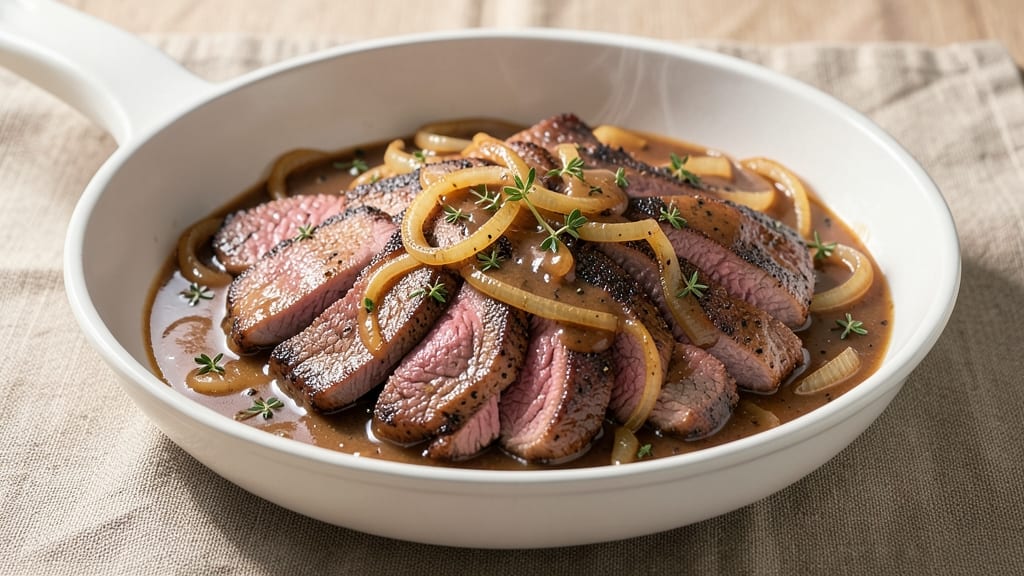
This beef liver with onions and gravy recipe transforms an often-overlooked cut into a restaurant-quality centerpiece that’s rich, tender, and deeply flavorful. The key lies in precise cooking temperatures and a carefully built gravy that elevates every bite—no guesswork required.
I’ve perfected this method after years of testing, ensuring the liver stays juicy while the onions caramelize into sweet, golden perfection.
This recipe delivers a foolproof technique for home cooks, balancing simplicity with professional results. You’ll work with just five core ingredients—beef liver, onions, butter, beef broth, and flour—but the method transforms them into a dish that feels indulgent yet approachable.
The secret? Searing the liver quickly over high heat and deglazing the pan with broth to create a velvety gravy that coats every forkful.
By the end, you’ll have perfectly seared liver with crisp edges and tender centers, paired with onions that melt into sweet, jammy slices. The herby gravy ties it all together, adding depth and richness that makes this dish unforgettable.
Whether serving for a special dinner or a weeknight supper, this recipe delivers restaurant-worthy satisfaction with minimal effort.
The best part? Leftovers reheat beautifully, making this an ideal meal for prep-ahead cooks. Pair with buttered mashed potatoes or crusty bread to soak up every last drop of gravy. Let’s get started—your taste buds will thank you.
Ingredients for beef liver with onions and gravy
Five core ingredients transform beef liver into a restaurant-worthy dish with crisp edges and velvety gravy.
| Ingredient | Amount | Notes |
|---|---|---|
| Beef Liver 🥩 | 1 ½ lb | Fresh, trimmed of connective tissue |
| Yellow Onions 🧅 | 2 large | Thinly sliced, about 2 cups total |
| Unsalted Butter 🧈 | ½ cup | Cold, cut into 1-inch pieces |
| Beef Broth 🥛 | 2 cups | Homemade or high-quality store-bought |
| All-Purpose Flour 🌾 | 2 tbsp | For gravy thickening |
| Fresh Thyme Leaves 🌿 | 1 tbsp | Or 1 tsp dried thyme |
| Fresh Parsley Leaves 🌿 | ¼ cup | Chopped, for garnish |
| Diamond Crystal Kosher Salt 🧂 | 1 tsp | For seasoning |
| Freshly Ground Black Pepper 🌶️ | ½ tsp | For finishing |
| Extra-Virgin Olive Oil 🫒 | 1 tbsp | For searing |
The beef liver is the star—opt for fresh, evenly sized pieces from a trusted butcher or well-stocked grocery store like Whole Foods or Dartmouth Farms. Look for vibrant red color and firm texture; avoid any with grayish edges or strong metallic odors. For onions, yellow or red varieties caramelize beautifully, but avoid sweet onions like Vidalia—they won't develop the same depth of flavor. The butter should be unsalted and cold when added to the pan, creating a rich foam that enhances the gravy's body. Thyme and parsley should be freshly harvested if possible, as dried herbs can't replicate their bright, herbal notes.
No fresh thyme? Dried thyme works at one-third the amount, but toast it lightly in the pan for 30 seconds to wake up its flavor. Substituting beef broth? Chicken or vegetable broth will work, though the flavor profile shifts slightly—add a splash of soy sauce to compensate. For the flour, all-purpose is ideal, but if you only have whole wheat, use it sparingly as it can make the gravy gummy. The olive oil is non-negotiable for searing—avoid vegetable oil, which burns at lower temperatures and can make the liver tough. If you're short on time, pre-slice the onions and store them in the fridge for up to 2 days before cooking.
Beef liver cooks in minutes—plan to serve immediately for peak tenderness. The gravy can be made ahead and reheated gently on the stove, but the liver itself reheats poorly. For storage, portion the gravy into airtight containers and keep it refrigerated for up to 5 days or frozen for 3 months. The onions can be caramelized in advance and stored separately, reheating beautifully in the gravy. Always use a meat thermometer to check the liver's internal temperature—135°F ensures perfect doneness without overcooking. Garnish with fresh parsley just before serving to maintain its vibrant color and fresh aroma.
Why You'll Love This Recipe
- Pan-Friendly Magic: I swear by this one—just slice the liver thin, sear it fast in butter, and let the onions caramelize while the gravy thickens. No flipping, no fuss, and the pan’s already half-cleaned by the time you’re done.
- Rich Umami Bomb: That beef broth and flour combo creates a gravy so velvety it clings to every bite. The onions? Sweet and sticky, cutting through the liver’s deep, meaty flavor like a perfect contrast.
- Budget Powerhouse: A pound of liver stretches further than you’d think—especially when you stretch it with gravy. Honestly, I feed my whole family for half the cost of steak, and they never complain.
- Leftovers That Shine: Cold liver the next day? No problem. The gravy thickens even more overnight, and I’ve turned it into breakfast hash or even stuffed it into sandwiches. (Yes, even on a Tuesday.)
Step-by-step instructions for beef liver with onions and gravy
This method delivers perfectly seared liver with a rich, velvety gravy that elevates simple ingredients into something extraordinary.
Prepare the Beef Liver and Onions
Pat the 1.5 lb beef liver dry with paper towels, removing any connective tissue or silver skin. This step is crucial—excess moisture prevents proper searing. Cut the liver into ¼-inch thick slices, working quickly to maintain freshness. Thinly slice the 2 large yellow onions into even strips, about ⅛-inch thick, and set them aside.
In a small bowl, combine 1 tbsp fresh thyme leaves, 1 tsp diamond crystal kosher salt, and 0.5 tsp freshly ground black pepper. This herb blend will infuse the liver with bright, aromatic notes. Gently toss the sliced liver in this mixture, ensuring each piece is evenly coated. Let the seasoned liver rest at room temperature for 10 minutes—this allows the spices to adhere and the meat to cook more evenly.
Sear the Liver and Onions
Heat a large skillet over medium-high heat until it's very hot. Add 1 tbsp extra-virgin olive oil and swirl to coat the pan evenly. Working in batches to avoid overcrowding, add the seasoned liver slices. Press down gently on each piece with a spatula for 10 seconds—this ensures even contact and prevents curling. Cook undisturbed for 1-2 minutes per side until the liver reaches medium-rare, or until the edges are deep golden brown and the center remains slightly pink. Remove the liver and set aside on a warm plate.
In the same skillet, reduce the heat to medium and add 0.5 cup unsalted butter, cut into 1-inch pieces. Let the butter melt completely, then add the sliced onions. Cook for 5-6 minutes, stirring occasionally, until the onions soften and begin to caramelize at the edges. The onions should be tender but still retain a slight bite—this balances the rich liver flavor.
Create the Herby Gravy
Sprinkle the 2 tbsp all-purpose flour evenly over the onions and butter in the skillet. Stir vigorously with a wooden spoon for 1-2 minutes to toast the flour lightly—this removes its raw taste and enhances the gravy's depth. Gradually whisk in the 2 cups beef broth, ensuring no lumps form. Bring the mixture to a gentle simmer and cook for 3-4 minutes until it thickens slightly.
Return the seared liver to the skillet, spooning the gravy over the top. Simmer for an additional 2 minutes, allowing the liver to absorb the flavors of the onions and gravy. Stir in the 0.25 cup fresh parsley leaves, reserving a small amount for garnish. Taste and adjust seasoning with additional diamond crystal kosher salt or freshly ground black pepper as needed. The gravy should coat the back of a spoon and cling beautifully to the liver.
Serve Immediately
Transfer the liver and gravy to a warm serving platter, ensuring each piece is generously coated. Garnish with the reserved fresh parsley leaves and serve immediately while the liver is still warm and the gravy remains velvety. This dish is best enjoyed right away—waiting even a few minutes risks the liver becoming dry.
Pair with crusty bread or roasted potatoes to soak up the rich gravy. The contrast of the tender liver, caramelized onions, and herby gravy creates a harmonious balance of textures and flavors. For an elevated touch, drizzle with a final sprinkle of freshly ground black pepper just before serving.
Pro Tips For Making Beef Liver With Onions And Gravy
- Slice Liver Evenly: Grab a sharp knife and cut the liver into ½-inch thick slices—thicker pieces stay tough, thinner ones dry out. I used to eyeball it and ended up with chewy bits; measuring with a ruler works better than guessing.
- Sweat Onions Low: Cook the onions on medium-low heat until they’re soft and golden, not browned—this keeps the gravy from tasting bitter. After burning three batches, I finally realized high heat caramelizes too fast and ruins the flavor.
- Salt Liver First: Sprinkle ½ teaspoon of salt per pound right after slicing, then let it sit for 10 minutes before cooking. This seasons the meat evenly and prevents a bland center—my grandmother swore by this, and she was right.
- Deglaze Fast: As soon as the liver hits the pan, immediately add the onions and let them release juices before scraping up the browned bits with the broth. Skipping this step leaves behind flavor, and you’ll miss the rich base for the gravy.
Troubleshooting your beef liver with onions and gravy
Liver Overcooking
Beef liver cooks in minutes—135°F internal temperature is perfect, but exceeding 140°F turns it dry and rubbery. I use a meat thermometer to check doneness, inserting it into the thickest slice. If you don’t have one, slice into a piece: the center should remain slightly pink.
Overcooking happens when you overcrowd the pan or cook too long—work in batches and remove liver immediately when edges brown. 🌡️
Gravy Too Thin
If your gravy is watery, you likely rushed the thickening process. Toast the 2 tbsp flour in the butter for 1-2 minutes to remove its raw taste and improve thickening power. For extra richness, simmer the gravy longer or add 1 tbsp cold butter at the end.
If it’s still too thin, mix 1 tsp cornstarch with 1 tbsp water, stir into the gravy, and cook for 1 more minute.
Onions Burn Before Caramelizing
High heat turns onions bitter before they soften. Reduce heat to medium after adding butter and onions, and stir frequently. If they start browning too quickly, move the pan to a cooler spot on the stove or reduce heat further.
Patience is key—5-6 minutes of gentle cooking yields sweet, jammy onions. 🧅
Liver Sticks to Pan
This happens when the pan isn’t hot enough or the liver isn’t dry. Pat the liver slices thoroughly with paper towels before seasoning, and ensure your skillet is screaming hot before adding oil.
A 12-inch cast-iron skillet works best—its heavy base maintains even heat. If sticking occurs, press the liver down gently with a spatula for 10 seconds to create a crust.
Gravy Tastes Bland
Herbs and acidity elevate flavor. Boost the gravy with 1 tbsp fresh thyme or 1 tsp soy sauce if you’re using chicken broth. A splash of red wine (about ¼ cup) adds depth, or finish with a pinch of smoked paprika.
Taste as you go—adjust salt and pepper gradually to avoid over-seasoning. 💡
Liver Curls Uncontrollably
Thin, even slices prevent curling. Cut liver into ¼-inch thick pieces and press them down firmly with a spatula for 10 seconds during searing. Avoid moving them until a crust forms.
If they still curl, try a heavier skillet (like cast iron) or reduce heat slightly to medium-high for more control.
Nutrition facts
Frequently asked questions
Why does beef liver need to cook so quickly?
Beef liver cooks in just 1-2 minutes per side because it's an extremely tender cut that turns tough when overcooked. The high heat and short cooking time create a perfect medium-rare texture with crisp edges while keeping the center juicy. Think of it like steak—you want that beautiful pink center, not a gray, rubbery mess!
Can I substitute chicken liver for beef liver?
Yes, but there are key differences. Chicken liver is milder and cooks faster (30 seconds per side), while beef liver has a richer, gamey flavor. For best results, reduce cooking time by half and use the same gravy method. The onions and thyme will complement both types beautifully.
What's the best way to store leftovers?
Store the gravy separately in an airtight container in the fridge for up to 5 days or freeze for 3 months. Reheat the gravy gently on the stove—never microwave it directly. The liver reheats poorly, so it's best enjoyed fresh. If you must reheat, warm it in a skillet with a splash of broth for 30 seconds max to maintain tenderness.
How do I know when the onions are perfectly caramelized?
Perfectly caramelized onions should be soft but still hold their shape, with golden-brown edges and a sweet, jammy texture. They'll take about 5-6 minutes on medium heat. If they're still crunchy, cook longer; if they're dark brown, they've burned. The key is patience—stir frequently and keep the heat gentle.
Can I make this dish ahead of time?
You can prep components ahead, but not the full dish. Caramelize the onions in advance and store them in the fridge for 2 days. Make the gravy base (without the liver) and reheat it gently. Cook the liver fresh and assemble everything just before serving. The liver loses moisture when reheated, so this method keeps it tender.