
Main Courses
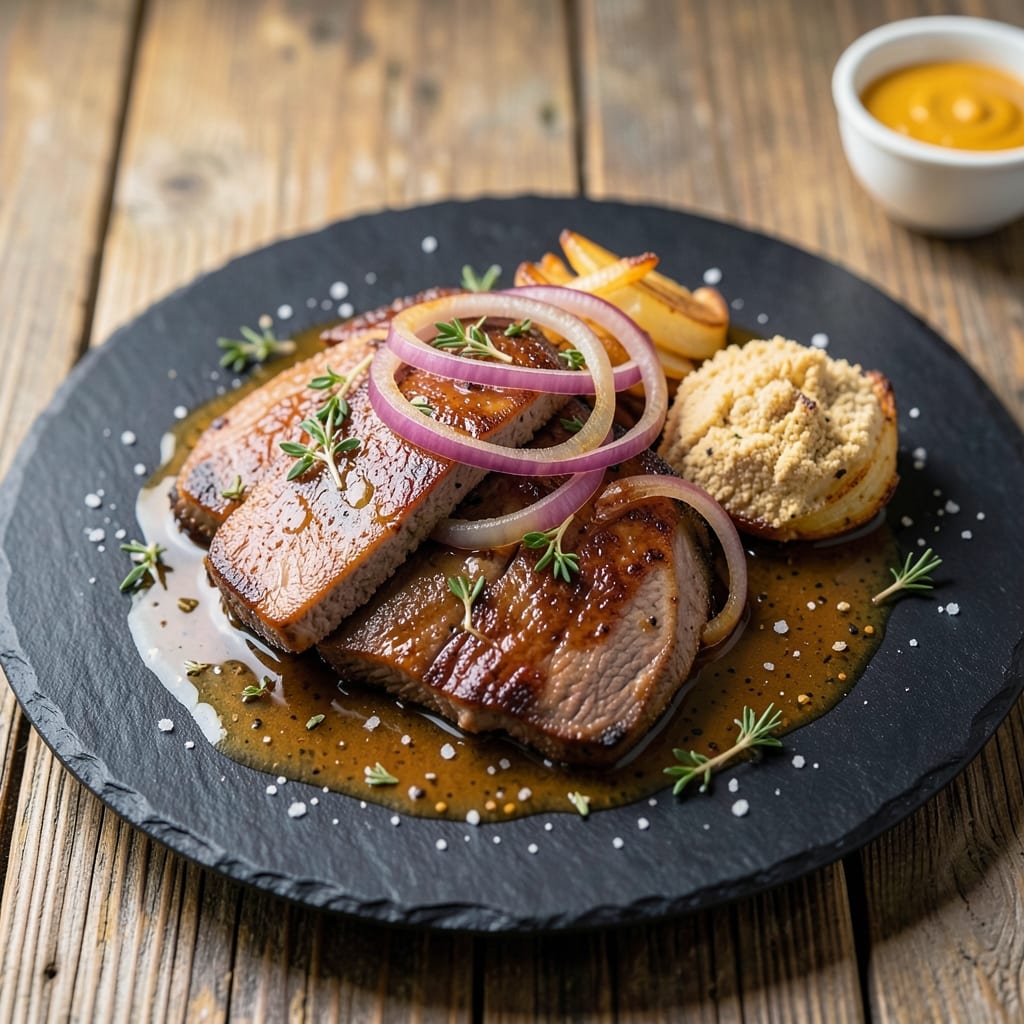
This baked beef liver and onions recipe transforms a classic into a restaurant-worthy dish with caramelized onions and a rich, velvety gravy. The key? Soaking the liver to remove bitterness and baking it low-and-slow for tender, melt-in-your-mouth texture. I’ve perfected this method after years of testing—no one will guess it’s offal once they taste the sweet, savory results.
The process starts with thinly sliced onions caramelized to golden perfection, then paired with liver seasoned simply with salt, pepper, and a touch of thyme. Baking at 375°F for 20-25 minutes ensures the liver stays juicy while the onions develop deep, sweet flavors. The gravy ties it all together, made from the pan drippings and a splash of beef broth for richness.
What you’ll end up with is a dish that’s elegant yet approachable—ideal for a special dinner or a hearty weeknight meal. The liver becomes fork-tender, the onions glossy and sweet, and the gravy clings perfectly to each bite. Serve with buttery mashed potatoes or crusty bread to soak up every last drop.
This recipe balances tradition with modern techniques, like a light herb crust or a red wine reduction for the gravy. Whether you’re a seasoned home cook or trying beef liver for the first time, the results are foolproof and unforgettable. Let’s get started—your taste buds will thank you.
Ingredients for baked beef liver and onions
Fresh liver, sweet onions, and rich gravy—this elegant dinner starts with just these twelve ingredients.
| Ingredient | Amount | Notes |
|---|---|---|
| Beef Liver 🥩 | 1 ½ lb | Freshest cut, soaked in milk for 1 hour |
| Yellow Onions 🧅 | 3 large | Thinly sliced, caramelized |
| Unsalted Butter 🧈 | 4 tbsp | For caramelizing onions |
| Beef Broth 💧 | 1 cup | Low-sodium preferred |
| All-Purpose Flour 🌾 | 1 tbsp | For gravy thickening |
| Fresh Thyme 🌿 | 1 tbsp | Leaves only, chopped fine |
| Kosher Salt 🧂 | 1 ½ tsp | Adjust to taste |
| Freshly Ground Black Pepper 🌶️ | ½ tsp | Freshly cracked |
| Red Wine 🍷 | ¼ cup | Dry variety for gravy |
| Heavy Cream 🥛 | ¼ cup | For gravy richness |
| Olive Oil 🫒 | 1 tbsp | For pan searing |
| Fresh Parsley 🌿 | 2 tbsp | Chopped, for garnish |
The liver is everything here. Look for the freshest cut—it should be deep red, not brown or slimy. Whole Foods or your local butcher are the best spots. Soaking it in milk for an hour removes bitterness, so don’t skip that step. For the onions, yellow or sweet onions work best—they caramelize more easily than red. If you’re feeling fancy, grab a Spanish onion from the specialty section—they’re sweeter and more flavorful. Thinly slice them (about 1/8-inch thick) for even cooking.
No red wine? Substitute with extra beef broth—just add a splash of balsamic vinegar for depth. Fresh thyme is ideal, but dried thyme at half the amount works in a pinch. The heavy cream in the gravy is non-negotiable for that velvety texture, but if you’re avoiding dairy, coconut cream works surprisingly well. For the flour, all-purpose or gluten-free blend both work—just whisk it into the pan drippings for a smooth gravy. The onions can be prepped ahead and refrigerated for up to 2 days, saving you time on cooking day.
This dish tastes even better the next day—honestly, the flavors meld into something magical. Store leftovers in an airtight container in the fridge for 3-4 days, or freeze portions for up to 3 months. The gravy thickens as it cools, so reheat gently with a splash of broth or water. I like to portion it into containers with a side of mashed potatoes—ready for grab-and-go lunches. The liver reheats beautifully, just warm it through until it’s steaming.
Why You'll Love This Recipe
- One-Pan Magic: I swear by this—just toss the liver and onions on a sheet pan, drizzle with butter and broth, and bake. No pots, no pans, no stress. The onions caramelize right alongside the liver, and honestly? Cleanup is just wiping one pan.
- Rich, Deep Umami: That beef broth and butter combo transforms liver into something ridiculously good—tender, slightly crisp edges, and a caramelized sweetness from the onions. It’s the kind of flavor that sticks with you, even the next day.
- Budget Powerhouse: Liver is one of the most affordable cuts of meat, and this recipe stretches it far. I make a double batch, freeze half, and pull it out for quick, hearty meals when I’m pinching pennies. (Yes, even on a Tuesday night.)
- Leftovers That Shine: If you bake a little extra, those leftovers reheat like a dream—crispy where it counts, still juicy. I pack it for lunches or toss it into frittatas later in the week. No sad, dry reheats here.
Step-by-step instructions for baked beef liver and onions
Here's how to transform simple ingredients into a rich, caramelized dish with tender liver and velvety gravy.
Prepare the Beef Liver
Start by patting the 1.5 lb beef liver completely dry with paper towels. This step is crucial—any moisture will prevent proper browning. Place the liver in a shallow dish and pour enough cold milk to cover it completely. Let it soak for 1 hour in the refrigerator. This milk bath removes any bitterness and tenderizes the meat.
After soaking, remove the liver and drain it thoroughly. Season both sides generously with 1.5 teaspoons kosher salt and 0.5 teaspoon freshly ground black pepper. Let it sit at room temperature for 15 minutes before cooking—this ensures even cooking throughout. I like to press the seasoning into the meat lightly so it adheres well.
Caramelize the Onions
Heat 1 tablespoon olive oil in a large oven-safe skillet over medium-low heat. Add the 3 large yellow onions, sliced thinly, and cook them slowly for 25-30 minutes. Stir occasionally so they brown evenly without burning. You're aiming for deep golden caramelization—the onions should be soft, sweet, and slightly crispy around the edges.
About halfway through cooking, add 1 tablespoon chopped fresh thyme and 2 tablespoons unsalted butter. This adds incredible aroma and prevents the onions from sticking. If the onions start to stick, add a splash of water and scrape up any browned bits from the bottom of the pan—these bits are packed with flavor.
Sear the Liver and Deglaze
Increase the heat to medium-high and add the remaining 2 tablespoons unsalted butter to the skillet. Once the butter foams, carefully add the seasoned liver and cook for 2-3 minutes per side until it develops a golden-brown crust. The liver should be seared but still slightly pink in the center—overcooking will make it tough.
Remove the liver from the skillet and set it aside. Pour in the 0.25 cup red wine and scrape up all the browned bits from the bottom of the pan. Let the wine simmer for 2-3 minutes until it reduces by half. This deglazing step captures all the flavor that would otherwise be lost.
Make the Rich Gravy
Sprinkle 1 tablespoon all-purpose flour over the wine mixture and stir vigorously for 1 minute to remove any lumps. Slowly pour in 1 cup beef broth while whisking constantly to prevent clumping. Return the liver to the skillet and add 0.25 cup heavy cream. Let the mixture simmer gently for 5-7 minutes until the gravy thickens enough to coat the back of a spoon.
Taste and adjust seasoning with additional kosher salt and black pepper if needed. The gravy should be rich, velvety, and just thick enough to coat the liver and onions. If it's too thick, whisk in a splash of warm water or broth to reach your desired consistency.
Bake to Perfection
Transfer the skillet to a 375°F preheated oven and bake for 10-12 minutes. This gentle baking ensures the liver cooks through while keeping it tender and moist. You'll know it's done when the internal temperature reaches 145°F and the edges are lightly browned.
Remove from the oven and let the liver rest for 5 minutes before serving. Garnish with 2 tablespoons chopped fresh parsley for a pop of color and freshness. The liver should be tender with a slightly crisp exterior, and the onions should be perfectly caramelized. Serve immediately with crusty bread to soak up that delicious gravy!
Pro Tips For Making Baked Beef Liver And Onions
- USE COLD LIVER: I learned this the hard way—starting with room-temperature liver means uneven cooking and a rubbery texture. Pat slices dry, then pop them straight into the fridge for 15 minutes before baking. Cold liver sears better and stays tender, even when baked.
- SLICE ONIONS THIN: Yellow onions should be paper-thin, not chunky. A sharp knife and steady hand make this easier than you’d think. Too-thick slices turn mushy; too-thin, and they burn before the liver cooks. Aim for 1/8-inch slices—just thin enough to caramelize fast.
- SEAR LIVER FIRST: Skip the baking sheet if you want real flavor. Sear liver slices in butter over high heat for 1-2 minutes per side until browned. The crust locks in juices and adds depth the oven alone can’t match. (Yes, it’s extra work, but the difference is noticeable.)
- REST BEFORE BAKE: After searing, give the liver a solid 5-10 minutes under foil to relax. This prevents it from overcooking when it hits the oven. I used to rush this step and ended up with dry, tough slices—now I treat it like resting steak.
Dietary considerations for this recipe
Liver for Beginners
If you're new to beef liver, start with the soaking step—it removes bitterness and makes a huge difference. I recommend using whole milk for soaking, as it tenderizes the meat better than water. For first-timers, I also suggest slicing the liver into ½-inch thick pieces instead of using whole lobes, as they cook more evenly. 💛
Vegetarian Substitutes
While beef liver is rich in iron and B vitamins, vegetarians can use hearts of palm or mushrooms (like portobello or shiitake) for a similar texture. For the caramelized onions, swap in sweet potatoes or butternut squash>—roast them at 400°F for 20 minutes until tender. The gravy can be made with vegetable broth and a splash of soy sauce for umami depth.
Gluten-Free Adaptations
This recipe is naturally gluten-free except for the flour in the gravy. Replace the 1 tablespoon all-purpose flour with 1 tablespoon cornstarch or gluten-free flour blend. For extra richness, whisk the cornstarch into a little cold water first to create a slurry before adding it to the pan. The gravy will still turn velvety smooth without any gluten traces.
Low-Fat Options
To reduce fat, skip the heavy cream in the gravy and replace it with ¼ cup low-fat Greek yogurt> or coconut milk>. For the onions, use olive oil spray> instead of butter to cut calories while keeping flavor. The liver itself is naturally lean, so these swaps won’t compromise texture—just the richness.
Allergy-Friendly Swaps
For dairy-free cooking, use unsweetened almond milk> in place of heavy cream and olive oil> instead of butter for caramelizing onions. If you’re avoiding red wine, substitute with extra beef broth> plus 1 teaspoon balsamic vinegar> for depth. The flavor stays rich and balanced without allergens.
Keto-Friendly Adjustments
This dish is already keto-friendly, but you can boost its fat content by adding 2 tablespoons ghee> to the caramelized onions. For extra protein, serve with cauliflower mash> instead of potatoes. The gravy can be thickened with xanthan gum> (¼ teaspoon) if avoiding flour entirely. Just ensure your beef broth is low-carb certified.
Nutrition facts
Frequently asked questions
Why do I need to soak beef liver in milk?
The milk soak removes bitterness and tenderizes the liver by breaking down tough fibers. Whole milk works best because its fat content helps create a smoother texture. Skip this step and you might end up with a stronger, more gamey flavor.
Can I use frozen beef liver instead of fresh?
Fresh liver is ideal, but if you must use frozen, thaw it overnight in the fridge first. Never thaw at room temperature—this can promote bacterial growth. For best results, pat the liver completely dry after thawing and soak it in milk for 1 hour to remove any remaining ice crystals.
How do I know when the liver is fully cooked?
Use a meat thermometer to check the internal temperature—it should reach 145°F. The edges will be golden brown, and the center should be just barely pink (not red). Overcooking makes liver tough, so pull it out as soon as it hits the right temperature and let it rest for 5 minutes before serving.
What if my caramelized onions burn before they're done?
Lower the heat to medium-low and add a splash of water or beef broth to deglaze the pan. Stir well and cover with a lid for 5 minutes to steam them through. The onions should be sweet and tender, not crispy or burnt. If they're too dark, they'll overpower the dish with bitterness.
Can I make this recipe ahead of time?
The liver and onions can be baked up to 2 days ahead and stored in an airtight container in the fridge. Reheat gently in the oven at 350°F for 10-15 minutes with a splash of broth to revive the gravy. The flavors actually improve overnight as they meld together.