
Main Courses
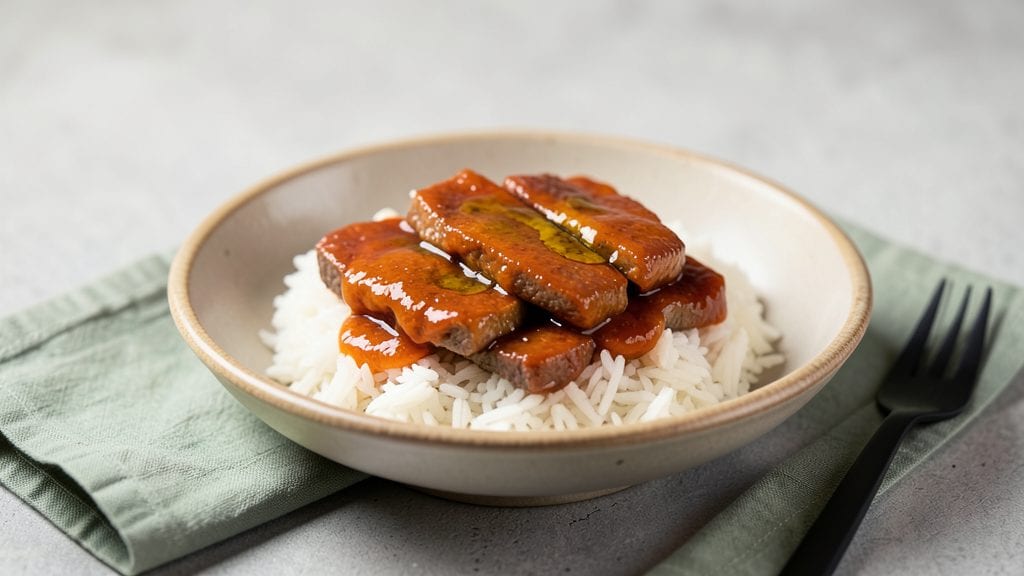
This beef krapow recipe brings the bold, aromatic essence of Thai street food into your kitchen with its perfect balance of spicy, tangy, and creamy flavors.
The dish starts with thinly sliced beef stir-fried to tender perfection, then simmered in a fragrant coconut curry sauce infused with lemongrass, galangal, and Thai chilies.
What makes this recipe special is how the sauce develops—first bright and acidic, then rich and velvety—while maintaining that signature Thai heat without overpowering the beef.
The secret to authentic beef krapow lies in the sauce's layered complexity: fish sauce for umami depth, soy sauce for saltiness, and palm sugar for subtle sweetness, all balanced by the coconut milk's creaminess.
I use ground pork fat or lard in the stir-fry to create a glossy, flavorful base that carries the sauce's aromatics. This method ensures every bite delivers that restaurant-quality depth you crave in Thai cuisine.
By the time you serve this dish over steamed jasmine rice, you'll have a vibrant curry with tender beef pieces swimming in a glossy, spicy-sweet sauce that clings to every grain.
The dish comes together in under 45 minutes, making it perfect for weeknight dinners while still feeling special enough for guests. Garnish with fresh Thai basil and sliced chilies to add color and an extra kick.
For those who prefer milder heat, reduce the number of Thai chilies by half, or swap them for bird's eye chilies if you want more intensity. This recipe also works beautifully with chicken or shrimp if you're looking for variations.
The key is balancing the sauce components—trust your palate and adjust as you go.
Ingredients for beef krapow
Pantry staples meet Thai market finds for this bold, aromatic curry.
| Ingredient | Amount | Notes |
|---|---|---|
| Beef Sirloin 🥩 | 1 ½ lb | Thinly sliced against grain |
| Ground Pork Fat 🐷 | ½ cup | Or lard for stir-fry base |
| Coconut Milk 🥥 | 1 can (13.5 oz) | Full-fat preferred |
| Fish Sauce 🍶 | 2 tbsp | Red Boat brand recommended |
| Soy Sauce 🥢 | 1 tbsp | Light or dark preferred |
| Palm Sugar 🍯 | 1 tbsp | Or substitute brown sugar |
| Thai Chilies 🌶️ | 4 whole | Adjust for heat preference |
| Lemongrass 🌿 | 3 pieces (3-inch) | Bruised and cut into 2-inch pieces |
| Galangal 🍃 | 2 pieces (2-inch) | Substitute ginger if unavailable |
| Garlic Cloves 🧄 | 6 cloves | Minced for sauce |
| Shallots 🧅 | 3 whole | Minced for aromatic base |
| Thai Basil Leaves 🌿 | ¼ cup | Fresh for garnish |
| Lime Juice 🍋 | 1 tbsp | Freshly squeezed |
| Salt 🧂 | ½ tsp | Adjust to taste |
The galangal and lemongrass are your flavor anchors—find them at an Asian market if your grocery store doesn't carry them. Look for galangal that's firm and pale yellow (not green or moldy). The lemongrass should be bright green with no brown spots. If you can't find galangal, ginger works in a pinch, though it'll taste slightly different. For the beef, sirloin is ideal—it stays tender when sliced thin. Most butchers will slice it for you if you ask. The Thai chilies? Leave the seeds in for maximum heat, or remove them for a milder kick. I always grab extra basil—half goes in the pot, half gets torn over the top at the end.
No lemongrass? Double the lime juice and add a pinch of citric acid for brightness. Galangal missing? Ginger plus a splash of lime gets you close. The pork fat can be swapped for lard or butter (though pork fat has the best flavor). Running out of Thai basil? Regular basil plus a pinch of cinnamon mimics the anise notes. The fish sauce is non-negotiable—Red Boat or Three Crabs brands are worth the investment. If you're using brown sugar instead of palm sugar, reduce by half since it's sweeter. The coconut milk? Full-fat only—light versions won't give you that rich, velvety texture.
This sauce tastes even better the next day—make extra and freeze portions. Store the cooked beef separately and reheat gently with a splash of water. The sauce keeps for 5 days in the fridge or 3 months frozen. For quick weeknight meals, I prep the sauce ahead and keep the beef raw in the fridge—just stir-fry when ready. The lime juice should be added fresh right before serving to keep the sauce bright. Garnish with extra basil and sliced chilies right before eating—that's when the magic happens.
Why You'll Love This Recipe
- One-Pot Magic: I swear by this recipe—just sear the beef, toss in the pork fat for that rich aroma, and let the coconut milk and fish sauce work their sauce magic. No extra bowls, no fuss, and honestly? The cleanup is just wiping one pan.
- Umami Bomb: That combo of fish sauce and soy sauce? It’s like a flavor explosion in your mouth. The beef stays tender while the sauce gets this perfect balance—salty, sweet, and just a little funky. My husband licks the plate.
- Leftover Hero: This stuff tastes better the next day, which is great because it reheats like a dream. I make a big batch on Sundays, and by Wednesday, it’s still my go-to when I’m too tired to cook.
- Budget Stretch: Ground pork fat adds richness without breaking the bank, and coconut milk makes it feel fancy. I feed four people for under $15, and everyone’s happy—even my picky teen who “doesn’t like curry.” (Shhh, don’t tell.)
Step-by-step instructions for beef krapow recipe
Here's how to create a rich, aromatic Thai curry with tender beef and perfect balance of spice and coconut cream.
Prepare the Stir-Fry Base with Ground Pork Fat
Heat the 0.5 cup ground pork fat in a large wok or deep skillet over medium-high heat until it shimmers and smells nutty—about 2-3 minutes. This fat is your flavor foundation, so don't rush it. Add the 3 whole shallots and 6 cloves garlic cloves, mincing them right in the hot fat as they go in. Cook for 3-4 minutes until the shallots soften and turn golden, stirring constantly to prevent burning.
Here's the thing—this is where the magic happens. The ground pork fat should sizzle gently but steadily, creating a rich base. If it starts smoking excessively, reduce the heat slightly. Add the 2 pieces (2-inch) galangal, bruised and sliced, and cook for 1 minute until fragrant. The galangal will release its citrusy aroma that's essential to authentic Thai flavor. Keep everything moving so nothing sticks to the bottom of the pan.
Build the Spicy Aromatic Base
Add the 4 whole Thai chilies, sliced lengthwise (remove seeds for less heat if preferred). Cook for 30 seconds until they soften slightly and release their fiery aroma. This is where you'll notice the heat building—don't worry, we'll balance it later. Stir in the 1 tbsp palm sugar and cook for another 30 seconds until it dissolves slightly, adding a subtle caramel note to the spice.
Now add the 3 pieces (3-inch) lemongrass, bruised and cut into 2-inch pieces. Cook for 1 minute until the lemongrass releases its bright citrus aroma. You'll smell that distinctive Thai perfume—this is your cue that the aromatic base is developing properly. The mixture should look vibrant and smell complex, with layers of garlic, galangal, lemongrass, and chili working together.
Cook the Beef Until Nearly Tender
Push the aromatic mixture to one side of the pan and add the 1.5 lb beef sirloin, sliced thinly against the grain. Let the beef sear undisturbed for 2-3 minutes until it develops a nice crust on the bottom. Here's what I do—press down gently on the beef with a spatula during the first minute to prevent curling. This ensures even contact with the pan and better browning.
Once the beef is browned on the bottom, stir it into the aromatic mixture. Add 1 tbsp soy sauce and 2 tbsp fish sauce, then bring everything to a simmer. Cook for 5-6 minutes until the beef is about 70% cooked—it should still have a slight resistance when pierced with a fork. The sauce should be thick and clinging to the beef, but not yet fully reduced. If it starts to dry out, add 2-3 tablespoons of water to maintain moisture.
Finish with Coconut Milk and Balance Flavors
Pour in the 1 can (13.5 oz) coconut milk, stirring gently to combine. The mixture will bubble vigorously as the coconut milk heats up. Reduce heat to medium-low and let it simmer for 8-10 minutes, stirring occasionally. You'll see the sauce thicken and develop a beautiful creamy texture. This is where the rich coconut flavor melds with all the aromatic spices you've built.
Taste the sauce and adjust seasoning if needed. Add more fish sauce for saltiness, palm sugar for sweetness, or more Thai chilies for heat. The sauce should have a perfect balance—sweet, salty, spicy, and rich all at once. The beef should be tender but still hold its shape. If the sauce is too thick, add 1-2 tablespoons of water to reach your desired consistency.
Garnish and Serve with Fresh Thai Basil
Remove from heat and stir in the 0.25 cup Thai basil leaves. The basil will wilt slightly and release its anise-like flavor, brightening the dish. Add 1 tbsp lime juice and toss gently to combine. The lime juice adds a final bright note that cuts through the richness of the coconut milk. Taste again and adjust seasoning one final time if needed.
Serve immediately over steamed jasmine rice, garnished with additional Thai basil leaves if desired. The dish should be vibrant in color—deep red from the chilies, creamy from the coconut milk, and aromatic from all the spices. Each bite should deliver tender beef, rich coconut sauce, and layers of Thai flavors that dance on your palate. Enjoy while warm for the best experience!
Pro Tips For Making Beef Krapow
- Sear the Beef First: Cut the beef sirloin into thin strips—about ¼-inch thick—and sear them in a screaming-hot wok or pan with a splash of oil for 30 seconds per side before adding anything else. This locks in juices and builds flavor that won’t dissolve into the coconut milk later. (Yes, even if the strips look undercooked—finish them in the sauce.)
- Render the Pork Fat Slow: Don’t rush the ground pork fat—let it render over medium heat until it’s crispy and golden, about 5-7 minutes. This adds depth to the sauce and prevents a greasy mess later. If you’re impatient, you’ll end up with a bland, oily krapow. (I learned this the hard way after burning three batches.)
- Balance the Fish Sauce: Start with 1 tablespoon of fish sauce, taste the raw sauce (before adding coconut milk), and adjust—it’s easier to fix later. Too much later on, and you’re stuck with a salty disaster. (Pro move: Add a pinch of sugar or palm sugar to cut the sharpness if needed.)
- Simmer the Coconut Milk Low: After adding coconut milk, reduce heat to a gentle simmer and let it cook uncovered for 10-12 minutes. Skim off any foam that rises—this keeps the sauce silky, not split or curdled. (Your future self will thank you for not rushing this step.)
Perfect pairings for this dish
Rice Pairings
Serve your beef krapow over steamed jasmine rice—its delicate floral aroma complements the dish’s bold flavors beautifully. I always use Thai-style jasmine rice from brands like Thai Kitchen or Lotus Foods for that signature fragrance.
For extra flair, drizzle the rice with a little toasted coconut milk before serving. 🌾
For a heartier option, try Thai sticky rice—its slightly chewy texture contrasts wonderfully with the tender beef. If you prefer a lighter base, brown rice works too, though it may absorb more of the rich sauce.
Always cook your rice to perfection: slightly firm in the center so it doesn’t turn mushy when mixed with the sauce.
Vegetable Sides
A simple stir-fried bok choy with garlic and chili adds freshness and crunch to balance the dish. Toss 2 heads of baby bok choy with 1 tbsp oil, 2 minced garlic cloves, and 1 tsp chili flakes, then cook for 3-4 minutes until just tender.
The slight bitterness cuts through the richness of the beef krapow. 🥬
For a sweeter contrast, try Thai green papaya salad (som tum). Shred 1 cup green papaya, toss with 1 tbsp lime juice, 1 tsp palm sugar, 1 tbsp fish sauce, and 1 sliced Thai chili.
The tangy, crunchy salad refreshes your palate between bites of the creamy curry.
Drink Pairings
A Thai iced tea (cha yen) is the classic pairing—its sweet, creamy, and slightly spiced notes mirror the flavors of the beef krapow. Look for brands like Thai Tea or make your own with black tea, condensed milk, and star anise.
Serve it over ice for a refreshing contrast. ☕
For a lighter option, try a sparkling lime soda like San Pellegrino Limonata or Thai lemon soda. The effervescence cleanses your palate between bites, while the citrus brightens the dish. If you prefer alcohol, a Thai white wine like Riesling enhances the coconut and spice without overpowering the beef.
Garnish Finishes
Fresh Thai basil leaves are non-negotiable—their anise-like flavor elevates the dish. Tear ¼ cup leaves by hand and scatter over the top right before serving. A few sliced Thai chilies add heat and color, while a sprinkle of toasted sesame seeds adds texture. 🌿
For a final touch, drizzle with lime wedges or a squeeze of fresh lime juice. The acidity brightens the sauce and makes every bite taste fresh.
If you’re feeling fancy, add a few crispy shallots for extra crunch—just fry 2 thinly sliced shallots in oil until golden and sprinkle on top.
Nutrition facts
Frequently asked questions
What's the best cut of beef for this Thai-style dish?
Sirloin is ideal because it stays tender when sliced thin against the grain. Flank steak or skirt steak also work well—they're both flavorful and become tender when cooked quickly. Avoid tougher cuts like chuck, as they won't soften enough in the short cooking time.
Can I make this recipe without galangal?
Yes! Substitute 2-inch pieces of fresh ginger (about 2 tablespoons grated) for the galangal. While it won't taste identical—galangal has a citrusy, piney flavor—ginger provides a similar aromatic punch. For extra depth, add a pinch of citric acid or a splash of lime juice to mimic galangal's brightness.
How do I adjust the spice level?
Start with 4 Thai chilies for medium heat, but remove seeds for milder flavor. For extra spice, add 1-2 extra chilies or a dash of Thai chili flakes. If you prefer no heat, omit the chilies entirely and add ½ teaspoon sugar to balance the sauce's other flavors. Always taste before serving!
What if my sauce becomes too thick?
Simmering reduces the sauce naturally, but if it's too thick, add 1-2 tablespoons of water or coconut milk to reach your desired consistency. For extra creaminess, stir in 1 teaspoon of cornstarch mixed with 1 tablespoon water and simmer for 1 minute. Avoid adding too much liquid at once—build the texture gradually.
Can I prepare this ahead of time?
Yes! The sauce keeps well for 5 days in the fridge or 3 months frozen. Cook the beef separately and reheat gently with a splash of water or sauce. For best results, reheat the sauce alone first, then add the beef to warm through. Garnish with fresh basil and lime juice right before serving to keep flavors vibrant.